By Pardeep Cattry
June 26, 2026 | Inglewood, Calif.
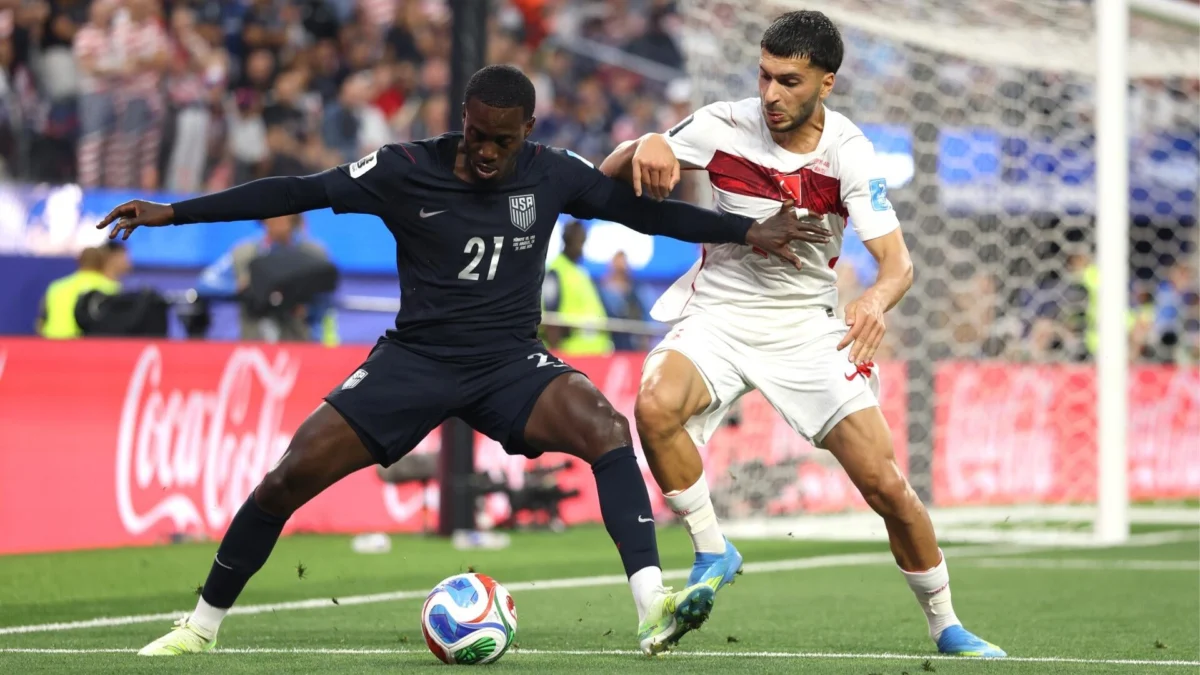
The U.S. Men’s National Team’s march through the 2026 World Cup hit a rare speed bump on Thursday night at SoFi Stadium. In a contest that, for the Americans, carried the label of a "dead rubber"—the team had already secured its path to the Round of 32—head coach Mauricio Pochettino opted for a radical personnel overhaul. Making nine changes to the starting XI that had dispatched Australia just days prior, Pochettino sought to manage fatigue and protect key assets. What followed was a 3-2 defeat to Turkiye, a match that served as a jarring reminder of the thin margin between the USMNT’s first-choice powerhouse and its depth options.
The Chronology of a Chaotic Encounter
The match began with a deceptive sense of ease. The USMNT, despite the heavy rotation, seemed to have inherited the high-intensity DNA that Pochettino has instilled since taking the helm. Only three minutes had elapsed when Auston Trusty, earning his first World Cup start, etched his name into the history books. A perfectly weighted delivery from Sebastian Berhalter found Trusty, who capitalized on the set-piece opportunity to give the hosts an early 1-0 lead.
For the opening quarter-hour, the Americans dominated, outshooting their opponents eight to four in the first half. However, the veneer of control began to crack at the 10-minute mark. Defensive lapses, specifically from center-back Mark McKenzie and goalkeeper Matt Turner, allowed Arda Guler to level the score. The defensive instability persisted, and just thirty minutes later, Joe Scally struggled to contain the Turkish attack, ultimately conceding a goal to Orkun Kokcu that put the visitors ahead.
The second half offered a flicker of hope. Following a tactical shift and the injection of star power, Sebastian Berhalter—who had already provided the assist for the opening goal—found the net himself in the 49th minute. With that strike, Berhalter became the first USMNT player in history to record both a goal and an assist in a single World Cup match. Yet, the momentum could not be sustained. As the game entered its final breaths, a lapse in concentration allowed Kaan Ayhan to seal the victory for Turkiye with the final kick of the match, silencing the crowd at SoFi Stadium.
The Return of the Captain: Pulisic’s Impact
Perhaps the most significant development of the evening was the return of Christian Pulisic. Sidelined for the Australia match due to a nagging calf issue, the USMNT talisman stepped onto the pitch in the 58th minute, replacing Tim Weah.
The transformation in the team’s demeanor was instantaneous. Within moments of his arrival, Pulisic injected pace and purpose into the final third, creating a high-quality chance for Brenden Aaronson. With Pulisic on the field, the U.S. press regained its multi-pronged, suffocating edge. The statistical response was clear: the U.S. outshot Turkiye 10-4 in the second half, conceding only two shots on target. Pulisic’s presence provided a masterclass in why he is the fulcrum of this team’s attack; without him, the offense often drifts into stagnation.
Analyzing the Depth Gap: Supporting Data and Observations
The match against Turkiye was, if nothing else, a diagnostic tool for Pochettino. The performance of the backup contingent raised valid concerns regarding the team’s depth.

- Defensive Fragility: The absence of stalwarts like Tim Ream and the injured/rested starters exposed a vulnerability in the U.S. backline. McKenzie and Scally, while talented, lacked the cohesive communication that has defined the team’s recent defensive stability.
- The Midfield Engine: While Sebastian Berhalter’s individual brilliance earned him a record-breaking night, the midfield unit as a whole struggled to dictate the tempo against a technically proficient Turkish side.
- Offensive Stagnation: Tim Weah, once a guaranteed starter on the left wing, struggled to make an impact, further highlighting the drop-off when the starting front line is not operating at full capacity.
The data suggests that the USMNT is a team of "singular roles." Players like Tyler Adams and Chris Richards hold specific responsibilities that are difficult to replicate. When those individuals are removed from the XI, the structural integrity of the team’s high-press system falters.
Official Perspectives and Coaching Philosophy
In the wake of the loss, the narrative from the coaching staff remains one of calculated risk. Pochettino’s decision to rotate was not born of negligence, but of strategic necessity. By resting the core starters, the U.S. avoided the risk of yellow-card suspensions heading into the knockout stages.
Pochettino has long maintained an offense-first philosophy. He views the World Cup as a marathon, not a sprint, and is willing to absorb the optics of a loss if it means having a fresher, more disciplined squad for the Round of 32. The internal logic remains: the U.S. is not a defensive powerhouse, but a team that relies on the dynamism of its attackers to overwhelm opponents. On Thursday, that gamble failed to yield a win, but it preserved the fitness of those who will be tasked with carrying the team through the remainder of the tournament.
Implications for the Round of 32
As the team pivots toward the knockout stage, the lessons from the SoFi Stadium defeat are critical. The loss to Turkiye is not a death knell for the U.S. campaign; rather, it is a stark reality check. The team’s momentum, built on impressive wins against Paraguay and Australia, remains intact, but the margin for error has vanished.
Strategic Adjustments
- Restoration of the First XI: Pochettino is expected to return to his primary rotation for the upcoming match. The "B-team" experiment proved that while there is talent on the bench, there is no substitute for the chemistry built by the starting unit.
- Psychological Reset: The late-game collapse must be addressed. A team with championship aspirations cannot afford to concede with the final kick of the game, regardless of the stakes.
- Refining the Press: The team must find a way to maintain intensity for 90 minutes. The listless performance in the latter stages of the first half is an area of concern that opponents will look to exploit.
The Path Forward
The USMNT enters the Round of 32 with a clear understanding of their identity. They are a team that thrives on offensive spontaneity and high-energy transitions. The loss to Turkiye provides a cautionary tale: when the intensity drops, the team is beatable. However, with the starters rested and the primary tactical threats back in the fold, the American side remains a formidable force.
The optimism that defined the team’s group stage performance has not evaporated. If anything, the "dead rubber" loss serves as the perfect fuel for a team that thrives on redemption. As they look toward the knockout rounds, the USMNT knows that their statement-making run is still well within their reach—provided they return to the version of themselves that dominated the group stage.
The tournament now shifts to the "win-or-go-home" phase, where the rotation experiments are over and the intensity will be at its absolute peak. For Pochettino and his men, the loss to Turkiye was a footnote; the true test begins on Wednesday.