The human body is frequently romanticized as a masterpiece of biological engineering—a vessel of "perfect design" that operates with unparalleled elegance and efficiency. From the complexity of our neural networks to the intricate choreography of our muscular systems, it is tempting to view our anatomy as the final word in natural refinement. However, when we strip away the veneer of this "perfect machine" narrative, a far more complex and humbler picture emerges.
The human body is not a blueprint drafted from scratch; it is a sprawling, chaotic patchwork of evolutionary compromises. It is the result of millions of years of "tinkering," where nature has consistently prioritized survival and functionality over aesthetic or mechanical perfection. We are, in essence, a work in progress—a collection of biological "good enough" solutions shaped by historical constraints.
The Evolutionary Record: A Chronology of Adaptation
To understand why the modern human body is prone to such specific ailments, one must look at the timeline of our development. Our anatomy is a living archive, bearing the scars and remnants of ancestors that lived in vastly different environments.
The Ancestral Legacy
Millions of years ago, our ancestors were arboreal, quadrupedal creatures. Their spines functioned as horizontal bridges designed to distribute weight across four limbs. As we transitioned to bipedalism—standing and walking upright—the human spine was forced to adapt. It became a vertical pillar, yet it retained the structural morphology of its horizontal predecessor.
The Shift to Bipedalism
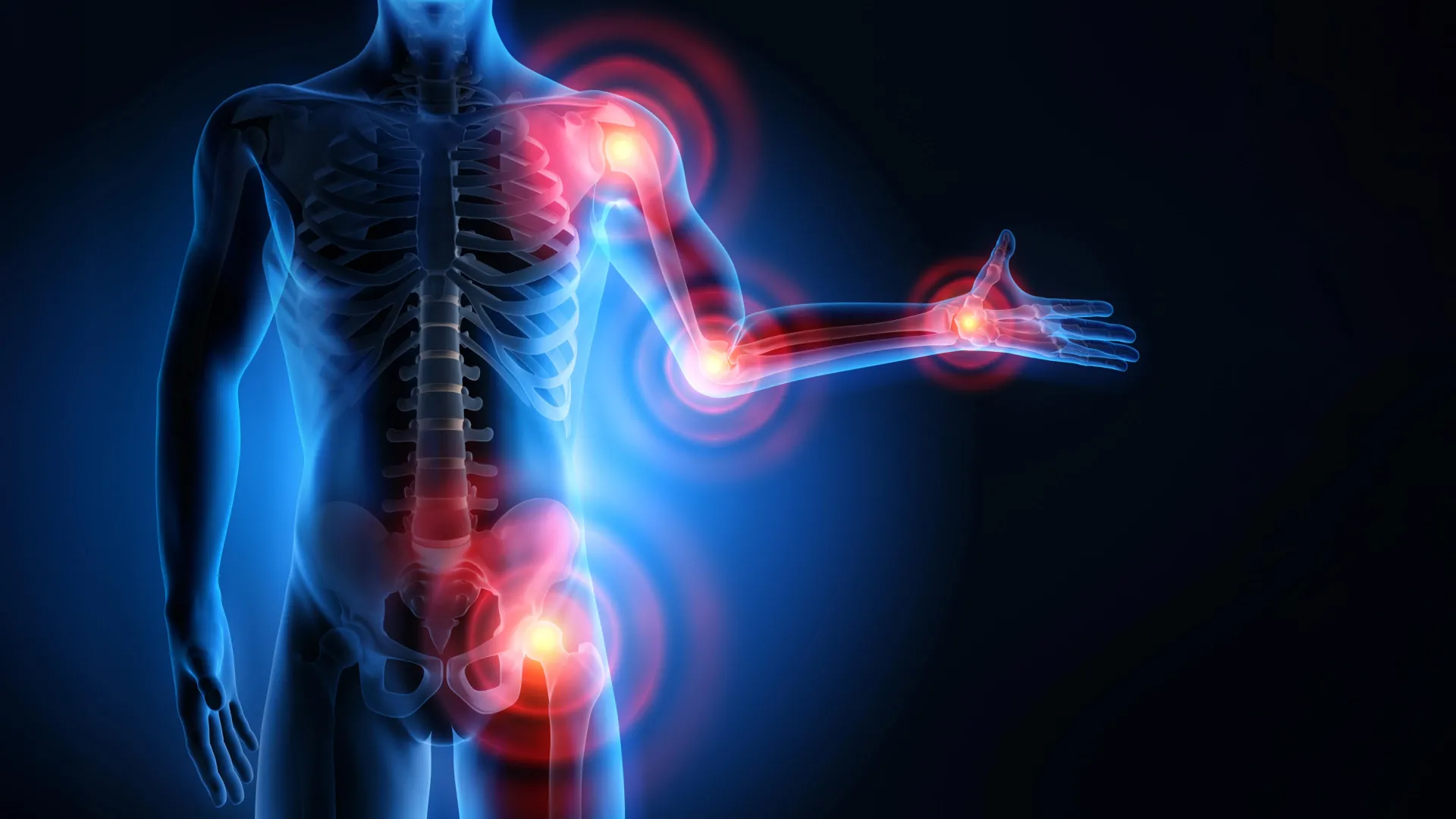
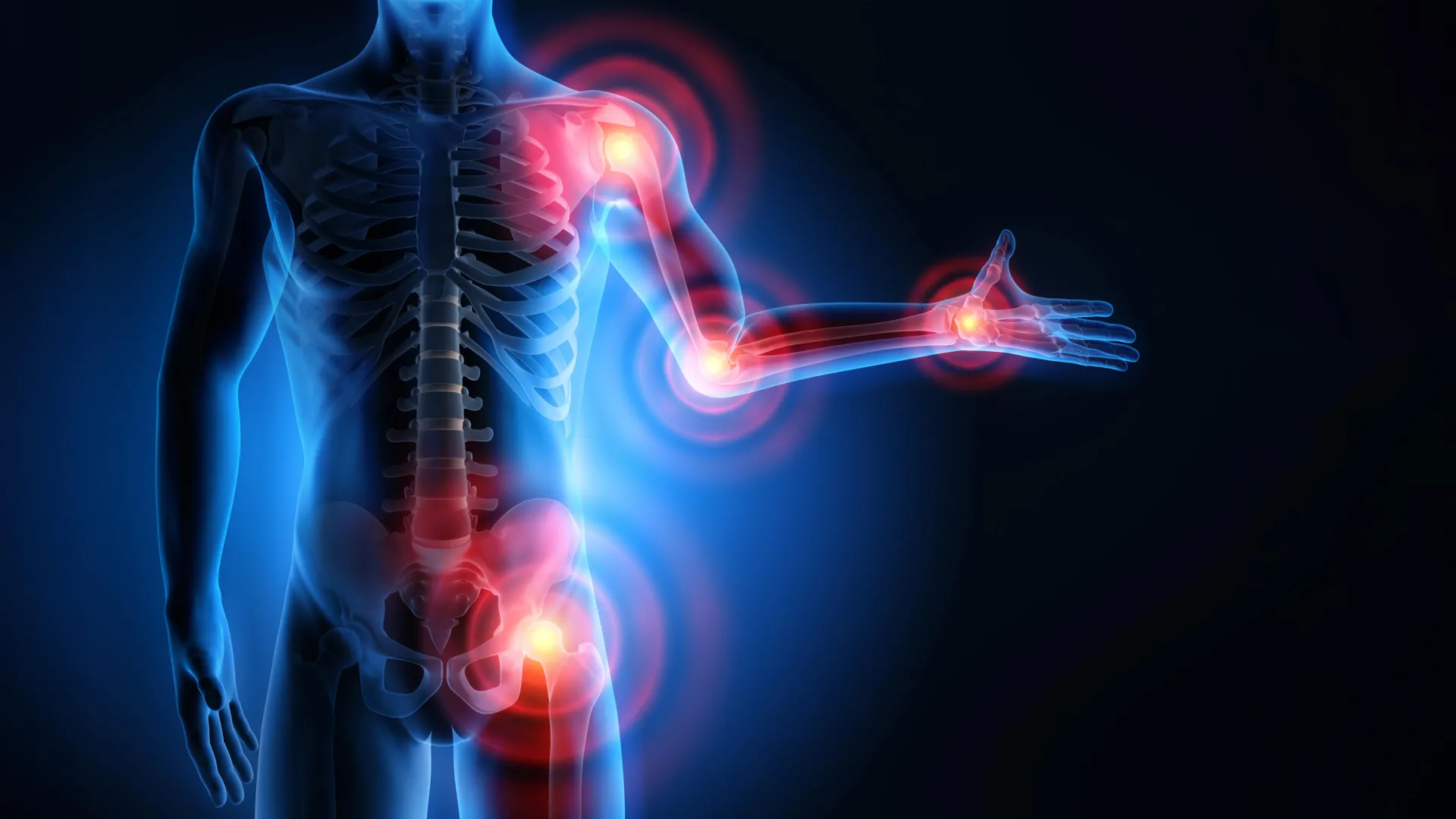
The move to upright walking was a radical shift that occurred in the blink of an evolutionary eye. While this allowed us to free our hands for tool use and long-distance travel, it placed immense, unintended pressure on our skeletal framework. The spine was "repurposed" to support our entire body weight against the constant downward pull of gravity. This created a profound conflict between the need for flexibility and the requirement for structural rigidity, laying the foundation for the back pain and disc herniations that plague modern humanity.
Supporting Data: When Anatomy Fails the Modern Era
The "design" of the human body is often at odds with the demands of modern life. Scientific data reveals that many of our most common medical complaints are not random malfunctions, but the inevitable consequences of evolutionary mismatch.
The Spinal Burden
The vertebral column’s characteristic curves are, in many ways, an ingenious attempt to distribute weight. Yet, this "S-curve" is the primary site of degenerative changes. Because the spine was never originally engineered to bear the full weight of a vertical torso, the intervertebral discs are subject to compression forces that they are poorly equipped to handle. Research consistently shows that chronic lower back pain is one of the most common medical issues globally—not because the spine is "broken," but because it is performing a task it was never meant to sustain.
The Recurrent Laryngeal Nerve: A Design Flaw
Perhaps the most damning evidence against "perfect design" is the recurrent laryngeal nerve. This nerve, which governs speech and swallowing, originates in the brain, travels down into the chest, loops around the aorta near the heart, and then travels all the way back up to the larynx. In a rationally designed system, this nerve would take a direct, short path from the brain to the voice box.
Instead, it follows the circuitous route inherited from our fish-like ancestors. In fish, this path made logical sense, passing near the gills. As mammals evolved and developed necks, the nerve was simply stretched, never rerouted. This anatomical detour is not only inefficient but creates unnecessary vulnerability during surgical procedures in the chest and neck.
The "Backwards" Eye
The human eye is another example of evolutionary baggage. The retina is wired "backwards," with nerve fibers positioned in front of the photoreceptors. Light must pass through these fibers before hitting the cells that detect it. To make matters worse, the optic nerve has to punch through the retina to reach the brain, creating a permanent blind spot. While our brains have developed the capacity to "fill in" this gap, the design remains structurally illogical compared to the eyes of cephalopods, which are wired in a more direct, efficient manner.
Clinical Implications: The Cost of Compromise
The implications of these evolutionary trade-offs are significant, affecting everything from our dental health to the complexities of childbirth.
The Dental Dilemma
Our teeth serve as a stark reminder that evolution prioritizes adequacy over durability. Unlike sharks, which cycle through teeth continuously, humans are limited to two sets. This system was sufficient for ancestors who consumed a rugged, fibrous diet that naturally wore down teeth, allowing for a balanced jaw growth.
In the modern era, our diets have softened, but our jaw structure has not kept pace. This leads to the "wisdom tooth" crisis—a lack of space in the jaw resulting in impaction, crowding, and the frequent need for surgical intervention. It is a classic case of evolutionary lag: our jaws have shrunk, but our dental blueprint has not updated to match the change.
The Obstetric Conflict
Perhaps no anatomical feature highlights the struggle of evolution as poignantly as the human pelvis. The evolution of bipedalism required a narrower pelvis for more efficient walking. Simultaneously, human evolution pushed for larger, more complex brains, requiring larger skulls.
This creates a "birth canal bottleneck." The human infant’s head is disproportionately large, making childbirth an inherently risky, painful, and often life-threatening process. This compromise has forced humanity to develop unique social behaviors—namely, the requirement for cooperative care and the "midwifery" of social support during labor, as few humans can successfully navigate childbirth entirely alone.
Evolutionary Persistence and "Useless" Organs
Some anatomical features persist not because they are perfect, but because evolution rarely discards anything that isn’t actively killing the organism.
- The Appendix: Long dismissed as a vestigial organ, we now know it harbors beneficial bacteria, yet its design—a narrow, blind-ended tube—makes it a perfect trap for pathogens, leading to appendicitis.
- The Sinuses: These cavities may aid in resonance and skull weight, but their drainage pathways are prone to chronic blockage and infection, a clear byproduct of a developmental process that didn’t account for modern environmental pollutants or indoor living.
- Vestigial Muscles: We still possess the muscles that allow other mammals to swivel their ears to track sound, yet these are largely useless in humans, serving only as a quiet reminder of our biological heritage.
Conclusion: Reframing the Human Condition
When we view the human body through the lens of evolution, the "perfect design" myth dissolves. In its place, we find a remarkable, resilient, and messy architecture. We are not a finished product but a series of historical compromises—an organism built on the foundations of the past, struggling to navigate the requirements of the present.
Understanding this history is not merely an academic exercise; it is a vital component of modern medicine. By recognizing that our ailments—from back pain and dental crowding to the risks of childbirth—are rooted in our evolutionary lineage, we can better appreciate the fragility of our systems. We are not "broken" machines; we are highly adapted, albeit imperfect, survivors. Recognizing these limitations allows us to move away from the frustration of why the body "fails" and toward a better understanding of how we can support the complex, compromised, and truly marvelous biological entity that is the human form.