By: Chip Patterson
September 6, 2026
The 2026 college football season has officially arrived, and with it comes the annual, frantic exercise of re-evaluating the nation’s hierarchy. Because of the expanded, five-day kickoff slate, the AP Top 25 poll has adopted a staggered release schedule. This nuance allows voters to digest the full scope of a week that has already provided dramatic finishes, statement wins, and head-scratching near-misses. While the full, definitive projection will not be formalized until Monday night, the dust is already beginning to settle on a weekend that will undoubtedly alter the trajectory of the 2026 campaign.
The State of the Polls: A Week 1 Snapshot
For the casual observer, the scoreboard might suggest a week of status quo. Ohio State, the undisputed king of the preseason, dismantled Ball State in a 53-point rout, effectively cementing their position at No. 1. However, beneath the surface of the top tier, the ripple effects of Week 1 are significant.
Voters, who were forced to rely on preseason assumptions for months, are now armed with 60 minutes of live, high-stakes data. While a blowout win rarely moves the needle for a blue-blood, a lackluster performance from a contender or a gritty, unexpected showing from an underdog can cause a tectonic shift in the bottom half of the rankings. As we look ahead to Tuesday’s official release, we can already identify which teams are trending toward a rise in the polls and which are staring down a precarious slide.
Chronology of a Shifting Landscape
The weekend began with a flurry of activity, but the narrative arc was defined by the intersection of high expectations and harsh realities.
- Friday Night: USC made a definitive statement in their 39-0 shutout of Fresno State. Under the guidance of new defensive coordinator Gary Patterson, the Trojans finally looked like the complete package that many analysts projected, effectively putting the rest of the conference on notice.
- Saturday Morning/Afternoon: The "upset scare" became the theme of the day. Michigan, a program with College Football Playoff aspirations, found themselves in a desperate, last-second struggle against Western Michigan. The 13-12 final score was a narrow escape, not a triumph.
- Saturday Evening: The prime-time window featured the most significant impact on the Top 5. Oregon, widely viewed as the primary challenger to Ohio State, survived a physical, grueling test against Boise State. While the 34-27 victory keeps the Ducks in the win column, the manner of the victory—struggling to put away a non-power conference opponent—has opened the door for volatility.
Supporting Data: The Math Behind the Movement
Ranking college football teams is as much an exercise in public perception as it is in statistical analysis. In the preseason, the voting gaps between No. 10 and No. 15 were razor-thin.
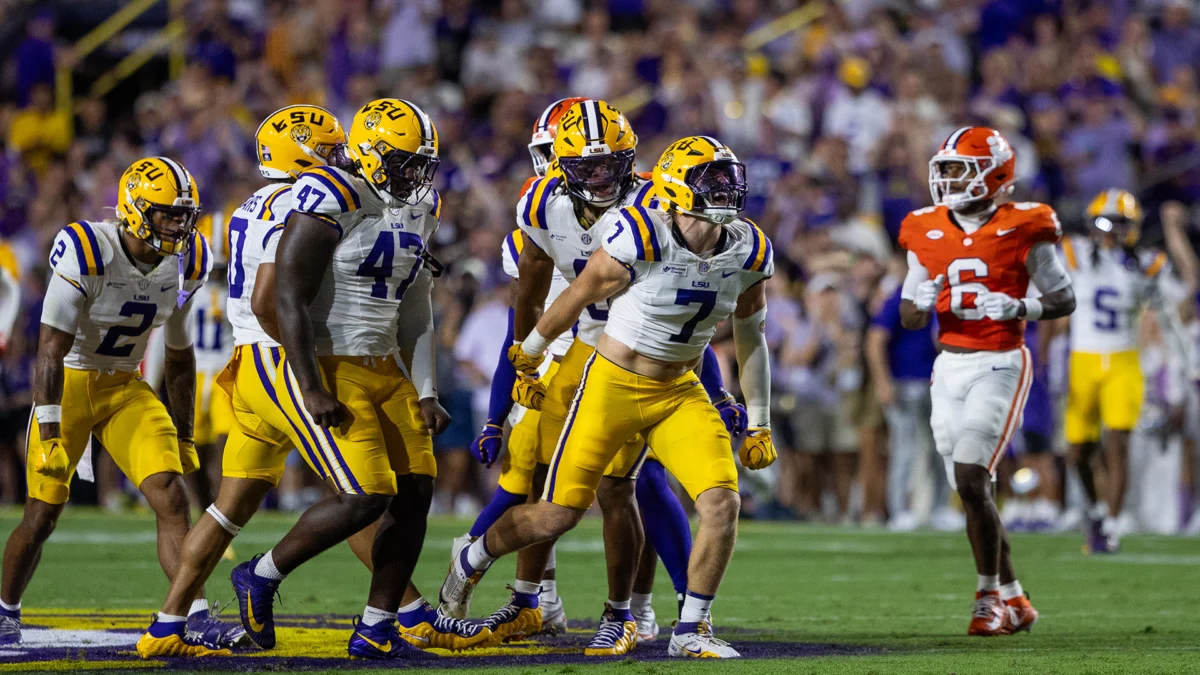
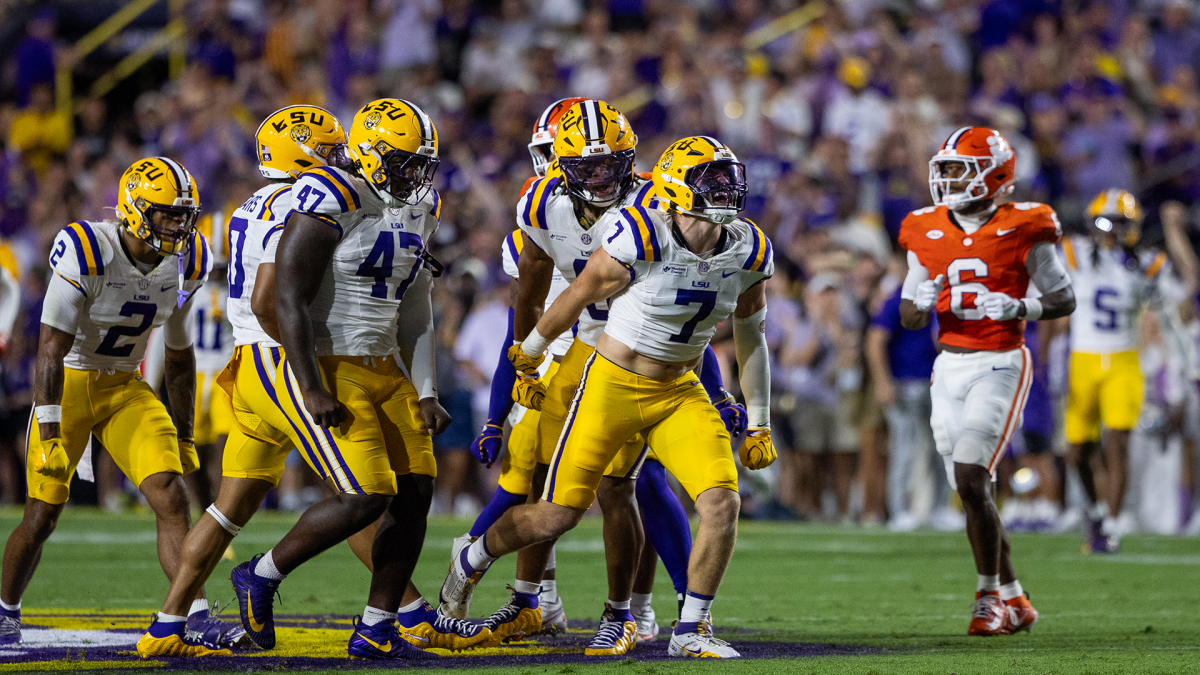
Take, for instance, the case of LSU. Prior to Week 1, they were ranked No. 11, hovering just outside the top tier. Their complete dismantling of a Clemson team that received preseason votes in the AP poll acts as a powerful catalyst for a surge. When you combine the "eye test"—speed, physicality, and coaching efficiency—with the cold hard fact of a blowout victory against a reputable opponent, the math for an ascent into the Top 10 becomes inevitable.
Conversely, the data for Michigan is concerning. Their preseason voting points left them in a cluster with USC and BYU. By barely scraping past Western Michigan, the Wolverines have effectively neutralized their own preseason momentum. Voters who were already skeptical of the team’s offensive rhythm are likely to shift their ballots to favor more impressive, albeit lower-ranked, programs.
Official Responses and Tactical Adjustments
The coaches and programs themselves are now in the business of damage control or reinforcement. Oregon head coach Dan Lanning, while pleased with the win, acknowledged the need for "significant growth" in the coming weeks. His public messaging reflects the reality of the situation: the Ducks are elite, but they are not currently playing to their ceiling.
At Alabama, Kalen DeBoer has been quick to praise the maturation of his young talent. The 48-10 victory over ECU provided a glimpse into a new, more dynamic offense led by Keelon Russell. While an opening-week win against a Group of Six opponent is rarely enough to jump ten spots, the way Alabama played—specifically their success in the run game—has likely addressed the specific concerns that kept them out of the preseason Top 10. They are, in the eyes of many voters, a team that has already "proven" their preseason rank was too low.
The Ripple Effect: Implications for the CFP
The most critical implication of this week’s results is the potential realignment of the College Football Playoff picture. The "top tier" of seven teams remains largely insulated, but the tier beneath them is becoming increasingly crowded.
The Rise of the Underdogs
Boise State’s performance in Eugene serves as a fascinating case study. They are not yet a Top 25 team, but they have forced themselves into the national conversation. In an era of expanded playoffs, the performance of a program like the Broncos—pushing a Top 2 team to the brink—will be a key metric for the committee later in November. They are currently the most "dangerous" team outside the bubble.
The "Must-Improve" List
Michigan and Houston occupy the most precarious positions heading into Week 2. For Michigan, the implication is simple: they are currently failing to meet the "Playoff Contender" threshold. Their next few games will be treated as prove-it moments, and any further offensive stagnation will see them plummet out of the rankings entirely. For Houston, a win is a win, but the struggle against Oregon State has exposed a lack of closing power that savvy voters will exploit when drafting their ballots this weekend.
Looking Toward Tuesday
As we await the official AP rankings on Tuesday, the takeaway is clear: the preseason rankings were a baseline, but Week 1 has acted as the first true filter. We are moving from a world of "what we think" to a world of "what we know." The teams that survived the Week 1 jitters will now have to navigate the growing expectations of a national audience. For those that stumbled, the clock is ticking; in a season defined by parity, the margin for error has never been thinner.
While the ballots remain in flux, one thing is certain: the 2026 season has begun with enough drama to ensure that the road to the College Football Playoff will be as unpredictable as ever. Voters have their work cut out for them, and the changes we see on Tuesday will be the first major indicator of who truly has the mettle to compete for the national title.