By Robby Kalland
September 2, 2026
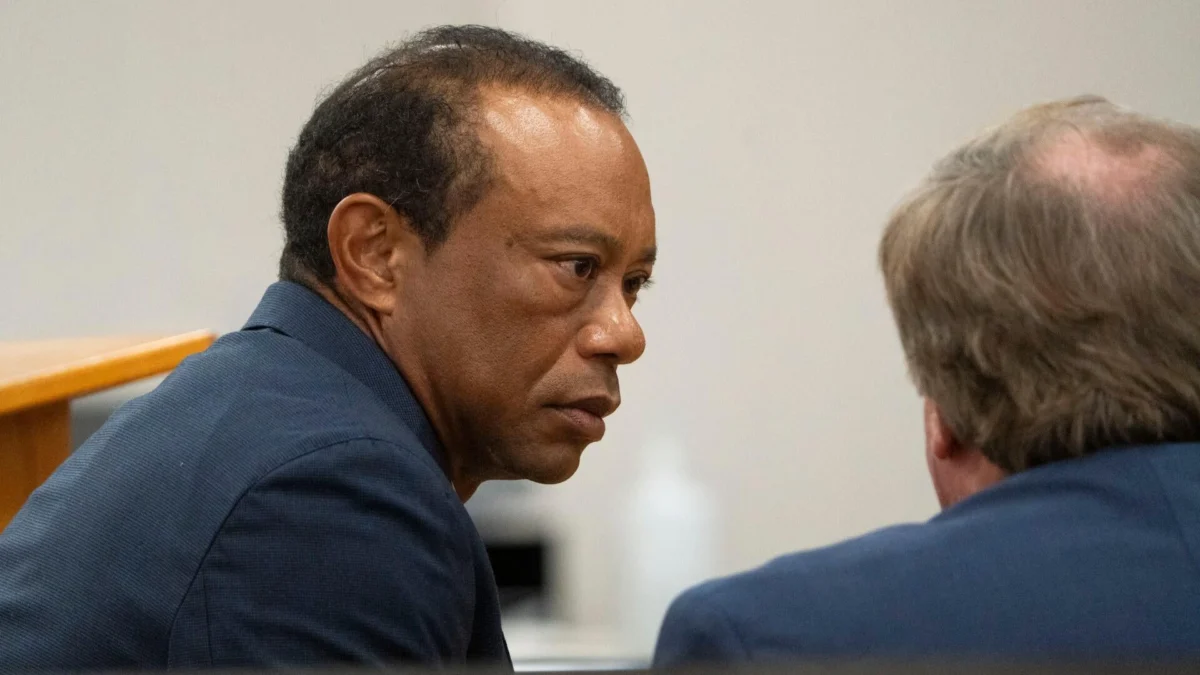
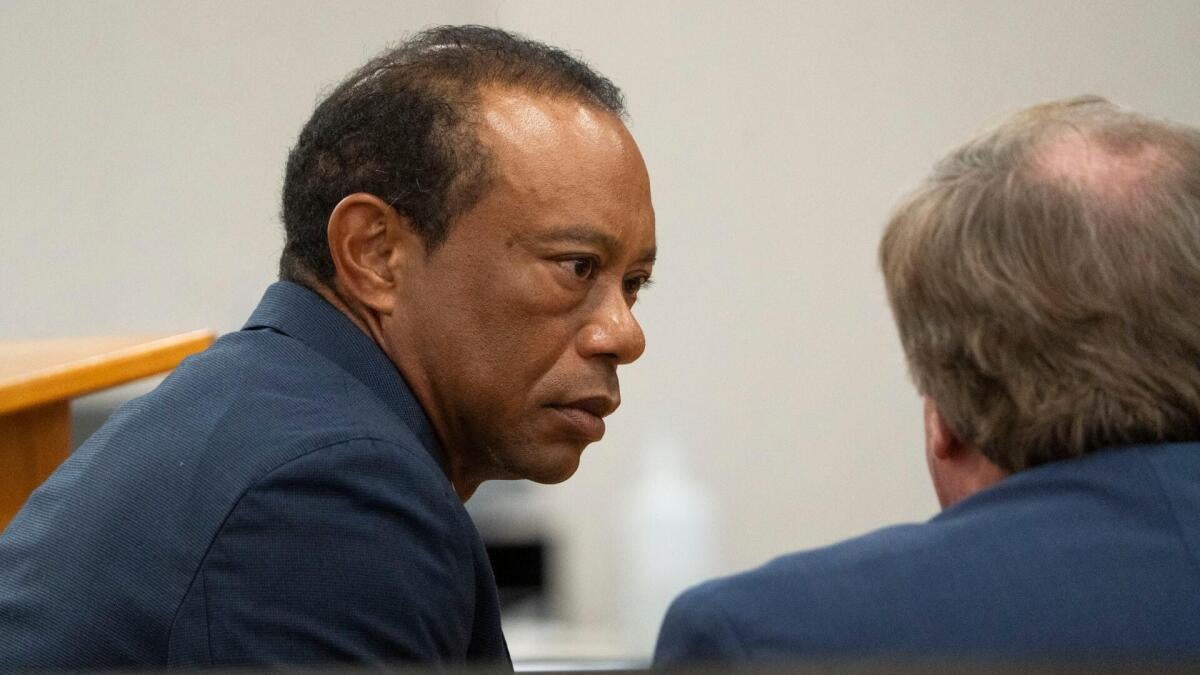
In a quiet courtroom in Martin County, Florida, the latest chapter of Tiger Woods’ tumultuous personal and professional life reached a definitive, if somber, resolution this Wednesday. The 15-time major champion, who has spent the better part of two decades navigating the intersection of sporting immortality and private turmoil, officially amended his plea to guilty regarding his arrest this past March.
The resolution marks the end of a high-profile legal saga that effectively derailed the 50-year-old’s 2026 golf season. By accepting a deal that downgrades his original charges to reckless driving and a refusal to submit to a lawful test, Woods has successfully avoided incarceration. However, the legal reprieve comes at a significant cost: he will pay a series of fines, serve a period of probation, and, perhaps most impactfully for a man whose life has been defined by mobility and independence, face a five-year suspension of his driver’s license.
The Legal Resolution: A Calculated Compromise
The plea agreement reached on Wednesday concludes a case that began in the early spring, following a rollover car accident near the golfer’s residence on Jupiter Island. Initially, Woods had entered a plea of not guilty to misdemeanor charges of DUI with property damage and refusal to submit to a chemical test.
As part of the court-sanctioned agreement, the prosecution dropped the more severe DUI charges, a move that legal experts suggest is common in cases where clinical impairment is difficult to prove via standard breathalyzer metrics. While Woods blew a 0.0 on a Breathalyzer at the scene, law enforcement officers observed clear signs of impairment, which they later attributed to a combination of prescribed medications.
The terms of the deal are strict: any violation of the court’s requirements will trigger immediate jail time. For Woods, who has spent the last five months largely out of the public eye while undergoing treatment outside the United States, the plea represents a final effort to compartmentalize his legal issues and look toward a future that remains, at best, opaque.
A Pattern of Peril: The Chronology of Accidents
The March incident is the latest in a long, troubling string of vehicular accidents that have punctuated Woods’ life since 2009. The frequency and nature of these crashes have become a recurring narrative in the golfer’s life, often serving as markers for his physical and mental state.
2009: The Windermere Incident
The narrative of Woods’ driving history began in November 2009, when he was cited for careless driving after crashing his SUV into a fire hydrant and a tree outside his then-home in Windermere, Florida. That accident served as the catalyst for the unraveling of his personal life, drawing intense media scrutiny that would last for years.
2017: The Jupiter Arrest
Eight years later, in May 2017, the public was confronted with a stark image of the golfer’s struggles when he was found asleep behind the wheel of a parked vehicle in Jupiter, Florida. He eventually pleaded guilty to reckless driving, a charge that included entry into a DUI diversion program and 50 hours of community service.
2021: The California Rollover
In February 2021, Woods survived a harrowing, single-vehicle rollover crash in Southern California that resulted in severe, career-threatening leg injuries. Unlike his other incidents, authorities found no evidence of impairment or intoxication at the time, attributing the crash to speed and road conditions. The recovery from that accident took ten months and involved multiple surgeries, marking a heroic, if temporary, return to competitive golf.
2026: The March Rollover
The most recent crash occurred this past March. While Woods emerged physically unscathed, the legal and professional fallout was immediate. The incident served as the definitive end to his competitive hopes for the 2026 season, forcing him to abandon his preparations for the Masters and pivot toward long-term treatment.
Supporting Data: The Cost of a Lost Season
The 2026 season was intended to be a year of resurgence. Prior to the March accident, Woods had been meticulously managing his return to the course, balancing his recovery from a previous back surgery with the rigorous demands of professional play. He had shown glimpses of his former self during the TGL Finals and was widely expected to make a run at the 2026 Masters.
Instead, the statistics of his season are defined by absence.
- Zero PGA Tour Starts: Woods did not participate in a single sanctioned PGA Tour event in 2026.
- Treatment Timeline: Following the accident, Woods checked into a specialized treatment facility outside the U.S. for five months.
- The Physical Toll: While not injured in the March crash, the mental and emotional exhaustion of the legal proceedings and the intensive nature of his treatment have kept him away from the practice range for the longest duration of his career.
Behind the Scenes: A New Role in the Sport
While his playing career has been sidelined, Woods has not been entirely absent from the world of golf. During his recovery and treatment, he shifted his focus to the administrative side of the game. He has served as a key architect on a PGA Tour committee tasked with restructuring the sport’s future.
The committee has finalized a radical "two-series" structure, slated to debut in 2028, and a new two-week Tour Championship format designed to revitalize the sport’s postseason. By lending his expertise to these structural changes, Woods has signaled a desire to remain an influential figure in golf even if his days of competing at the highest level are curtailed by physical or personal circumstances.
Implications: Can the Icon Return?
The implications of Wednesday’s guilty plea are profound. At 50 years old, Tiger Woods is at a crossroads. The five-year driver’s license suspension is more than a logistical hurdle; it is a symbol of a life that has been repeatedly interrupted by external crises.
Historically, Woods has treated every setback as a challenge to be overcome through sheer willpower and refined mechanics. However, this situation differs from a torn ACL or a fractured tibia. The legal and personal nature of his recent struggles suggests that the "comeback" narrative—one that has been the backbone of his brand for decades—may no longer be the primary focus.
Industry analysts remain divided. Some argue that Woods will use this time away to reset, much like he did following his 2017 legal troubles, eventually finding a way to return for a farewell tour. Others suggest that the mounting legal issues, combined with the toll of age and repeated physical trauma, make a full-time return to the PGA Tour an increasingly improbable endeavor.
For now, the focus is not on the leaderboard, but on the court. By avoiding jail, Woods maintains his personal freedom, but the loss of his driving privileges is a stark reminder of the constraints he now faces. Whether this latest resolution provides the closure necessary for a final chapter in his professional life remains to be seen. What is certain, however, is that the sport of golf will continue to move forward, and as he has demonstrated through his committee work, Woods intends to be the one holding the compass for where that future leads.