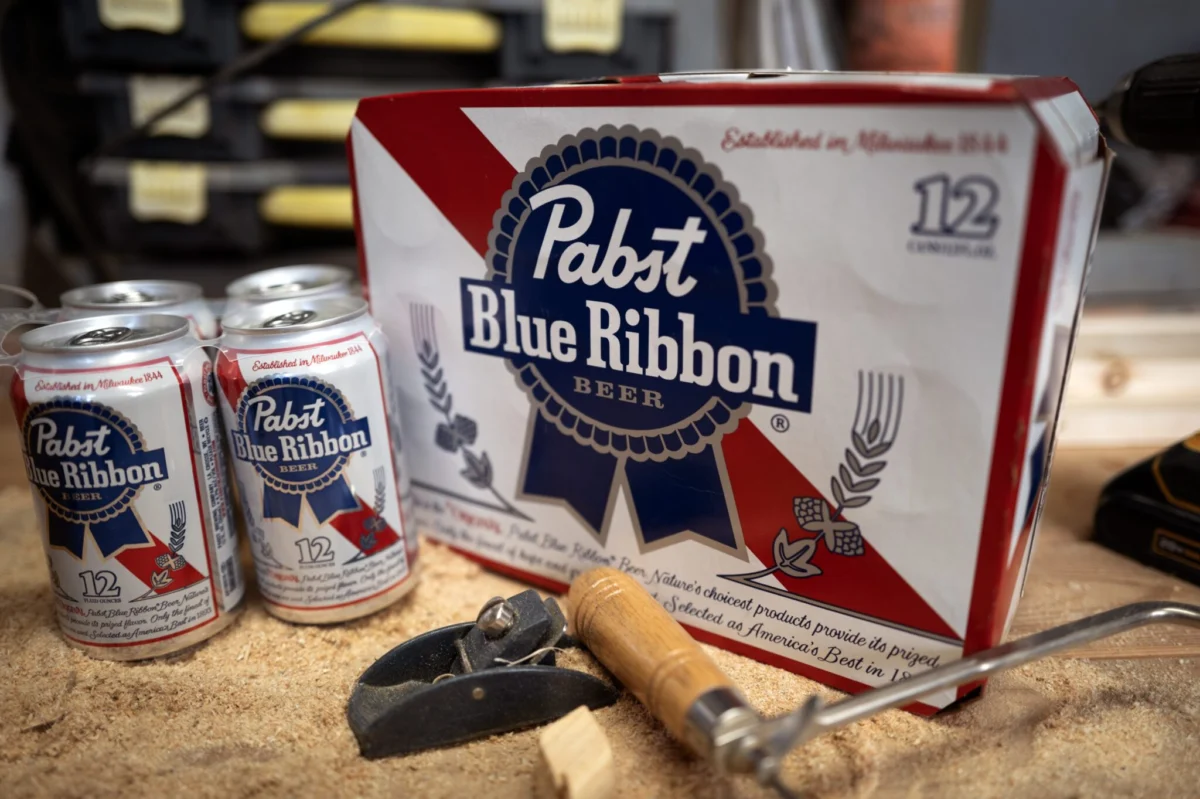
In what has become one of the most audacious and publicized logistics crimes of the year, the Pabst Brewing Company has found itself at the center of a massive cargo theft investigation. On August 17, a distribution center in Montclair, California, was targeted by sophisticated thieves who managed to vanish with over 40,000 pounds of beer—totaling nearly 4,500 gallons of product. The incident, which initially sparked rumors of a marketing stunt due to the brand’s cheeky social media response, has been confirmed by local law enforcement as a serious criminal investigation involving “strategic cargo theft.”
As the "trail gets colder" and the beer presumably gets warmer, the industry is looking closely at the vulnerabilities in the American supply chain that allowed two separate shipments to be diverted in a single morning.
Main Facts: The Scale of the Loss
The theft took place at an Anheuser-Busch distribution facility in Montclair, a city in the Inland Empire region of Southern California known as a major logistics hub. According to reports from the Montclair Police Department and Pabst Blue Ribbon (PBR), the total loss comprises 1,602 cases of beer, amounting to 33,984 individual cans.
The inventory of the stolen goods includes:
- 860 cases of 25-ounce PBR cans (15 per pack).
- 546 cases of 12-ounce PBR cans (30 per pack).
- 196 cases of non-alcoholic Old Milwaukee beer.
When accounting for the weight of the liquid, the aluminum cans, the cardboard packaging, and the heavy wooden pallets required for transport, the total weight of the stolen cargo reached approximately 40,014 pounds. The financial loss is estimated at roughly $70,000 across two separate but related incidents.
While the theft of 4,500 gallons of beer is significant, it serves as a reminder of the massive scale of the beverage industry’s logistics. For comparison, the largest beer heist in history occurred in Germany in 2010, where thieves made off with ten truckloads—approximately 300,000 liters—of beer during World Cup celebrations, valued at over $3 million. Nevertheless, the PBR heist has captured the public imagination due to the brand’s unique “no questions asked” ultimatum issued to the perpetrators.
Chronology: A Morning of Deception
The events of August 17 unfolded with surgical precision, suggesting that the perpetrators were well-versed in the protocols of freight distribution and subcontracting.
10:00 AM: The First Diversion
The first incident occurred around 10:00 AM at the Montclair facility. A shipment valued at approximately $45,000 was picked up by a carrier that appeared to be legitimate. The cargo was scheduled for delivery to a destination in Tucson, Arizona. However, the truck never arrived at its destination, and the tracking information for the load went dark shortly after it left the Inland Empire.
11:00 AM: The Fictitious Pickup
Roughly one hour later, a second theft occurred at the same facility. In this instance, a group posing as a subcontracting company used fraudulent documentation to arrange a pickup. This method, known in the industry as a “fictitious pickup” or “strategic cargo theft,” involves criminals stealing the identity of a legitimate trucking company to gain access to high-value freight. This second load contained roughly $25,000 worth of Anheuser-Busch and PBR products, including the non-alcoholic Old Milwaukee.
The Social Media Campaign
Following the realization that the beer was gone, Pabst Blue Ribbon took to Instagram to address the situation. On August 21, the company posted a “STOLEN” notice, stating: “We don’t fault you for wanting to brag to your friends how much PBR you have, we just wish you obtained it the honorable way.”
The company set a specific deadline for the return of the beer: “18 days and 44 minutes.” This specific timeframe is widely believed to be a nod to the brand’s founding year, 1844. PBR offered a reward for information leading to the recovery of the cargo and initially promised a “no questions asked” policy if the beer was returned within the window.
Supporting Data: The Rising Tide of Cargo Theft
The PBR heist is not an isolated incident but rather a symptom of a burgeoning crisis in the American logistics sector. Data from CargoNet, a leading theft-prevention and recovery network, indicates that cargo theft in the United States increased by 57% in 2023 compared to the previous year, with 2024 on track to break further records.
Strategic Theft vs. Traditional Theft
The Montclair incident highlights the shift from "traditional" theft (such as breaking into a parked trailer) to "strategic" theft. Strategic theft involves:
- Identity Theft: Posing as a legitimate motor carrier.
- Ghost Carriers: Creating fake companies in the Department of Transportation (DOT) database.
- Phishing: Using spoofed emails to intercept bid requests on digital load boards.
Food and beverage products are the top targets for these criminals. Unlike electronics or high-end apparel, beer and groceries do not have individual serial numbers that can be easily tracked. Once the product is offloaded at an unscrupulous independent wholesaler or "mom-and-pop" liquor store, it is virtually impossible to trace.
The Logistics of 40,000 Pounds
Moving 40,000 pounds of liquid is a significant physical undertaking. It requires a Class 8 heavy-duty truck and a 53-foot refrigerated or dry van trailer. The fact that the thieves managed to coordinate two such pickups within an hour suggests an organized criminal enterprise rather than a crime of opportunity.
Official Responses: Law Enforcement and Corporate Stance
The response to the heist has been a mix of traditional criminal investigation and modern brand management.
Montclair Police Department
The Montclair Police Department has been quick to clarify that despite PBR’s lighthearted social media tone, the incident is being treated as a felony. In a statement to Fortune, a police spokesperson clarified that while no physical trucks were stolen from the premises, the cargo itself was obtained through fraudulent means. "We are working this case," the department noted, emphasizing that the investigation is active and focused on the fraudulent documentation used during the 11:00 AM pickup.
Pabst Blue Ribbon’s Marketing Strategy
PBR’s decision to turn the theft into a social media event has been met with mixed reactions. Some industry analysts view it as a brilliant piece of "earned media," keeping the brand in the headlines for days. However, the company has had to balance the humor with the reality of the loss. Their most recent update—"Beer is getting warmer, trail is getting colder"—suggests a waning optimism that the product will be recovered in sellable condition.
Anheuser-Busch
As the owner of the distribution center, Anheuser-Busch has remained largely quiet, deferring inquiries to law enforcement. The facility serves as a hub for various brands, and the breach in security protocols is likely undergoing an internal audit to prevent future fictitious pickups.
Implications: The Legal and Security Reality
The PBR heist raises two critical issues for the future: the legal weight of "no questions asked" offers and the technological vulnerabilities of the global supply chain.
The Legal Fallacy of "No Questions Asked"
Pabst’s promise of "no questions asked" is a marketing sentiment, not a legal shield. As legal experts note, a private company has no authority to grant immunity from criminal prosecution. Only a District Attorney or a federal prosecutor can decide whether or not to file charges for grand theft or receiving stolen property.
A notable precedent for this is the 2021 theft of Lady Gaga’s French bulldogs. The singer offered a $500,000 reward "no questions asked." When a woman returned the dogs and attempted to claim the reward, she was subsequently charged and convicted of receiving stolen property. The court ruled that the reward offer did not supersede the state’s interest in prosecuting a crime. In the case of the PBR thieves, returning the beer might mitigate a sentence, but it would not prevent an arrest.
The Evolution of Cyber-Enabled Cargo Crime
The FBI recently issued a warning regarding the rise of "cyber-enabled cargo theft." Criminals are now using Artificial Intelligence to generate fake IDs and business licenses that are indistinguishable from the real thing. They use "spoofed" phone numbers to call dispatchers, making it appear as though the call is coming from a known, trusted carrier.
For the logistics industry, the PBR heist is a wake-up call. It demonstrates that even the most established distribution centers can be deceived by a well-crafted digital facade. As logistics move further into the digital realm, the industry must adopt more robust verification processes, such as biometric check-ins for drivers and blockchain-based tracking for documentation.
Conclusion
As the 18-day and 44-minute clock runs out, the 33,984 cans of Pabst Blue Ribbon remain missing. Whether they are currently being sold out of the back of a van or sitting in a hot warehouse in the California desert, the heist serves as a stark reminder of the complexities of modern crime. In the battle between a legacy beer brand and sophisticated cargo thieves, the thieves currently hold the upper hand, leaving PBR with a viral story but an empty warehouse.