For generations, the "starter home" served as the fundamental bedrock of the American Dream—a modest, affordable property that allowed young professionals and families to exit the rental market, build equity, and eventually graduate to a larger "forever home." In today’s complex economic landscape, however, the concept of the starter home has undergone a radical transformation. As home prices remain elevated and interest rates fluctuate, the path to homeownership requires more strategy, flexibility, and financial literacy than ever before.
While the climb toward homeownership has become steeper over the last decade, a shifting tide in the housing market is providing a glimmer of hope for prospective buyers. With housing inventory reaching levels not seen since the pre-pandemic era, the balance of power is beginning to tip back toward the buyer. In a market where sellers increasingly outnumber buyers in several regions, those ready to enter the fray may find the negotiation room they have been lacking for years.
Defining the Modern Starter Home
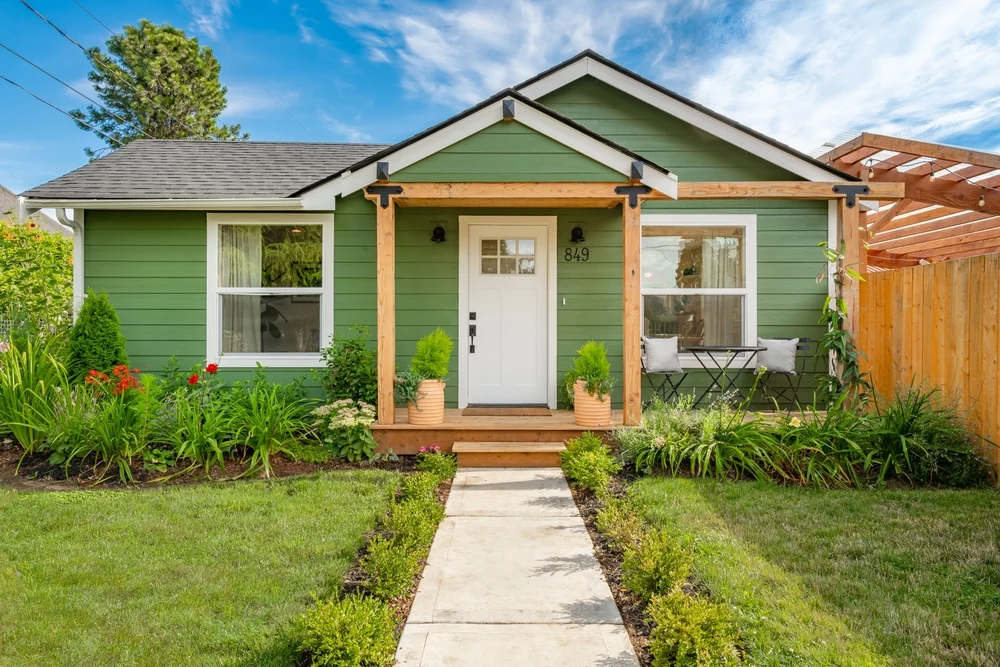
Historically, the starter home was easy to identify: a 1,200-square-foot, two-bedroom, one-bath suburban house. It was the "entry-level" option for those just starting their careers. Today, that definition has shifted from specific architectural features to a purely financial metric.
Redfin defines a starter home as any property priced within the bottom third of its local market. This distinction is vital because it highlights the geographical disparity of the current crisis. In the Midwest, a starter home might still be a single-family house with a manicured lawn. In contrast, in high-cost coastal hubs like Los Angeles or New York City, a starter home is often a small condominium, a townhouse, or a fixer-upper that requires significant "sweat equity."
Chronology: How We Reached This Threshold
The trajectory of starter-home affordability has been defined by three distinct phases over the last decade:
- 2015–2019: The Pre-Pandemic Baseline. During this period, inventory was tightening, but interest rates remained historically low. Starter homes were still viewed as a bridge to wealth, though the "lower third" of the market was already beginning to shrink as institutional investors began buying up entry-level inventory.
- 2020–2022: The Pandemic Surge. The sudden shift toward remote work caused a nationwide scramble for space. Starter homes saw unprecedented demand, driving prices to record highs and effectively locking many first-time buyers out of the market as inventory plummeted.
- 2023–2026: The Correction and Re-balancing. As of April 2026, the market has entered a phase of stabilization. While prices remain high, wage growth has begun to outpace home price appreciation. The current era is characterized by "buyer leverage," where the increased supply of homes gives buyers the ability to demand repairs, closing cost concessions, and more favorable terms.
Supporting Data: The Cost of Entry
The median price for a starter home in the United States currently sits at $262,317. To afford this, a household requires an annual income of approximately $80,000. When compared to the broader market, where the median home price hovers near $400,000, the starter home remains a critical entry point. However, the national average masks significant regional volatility.
Market Disparities in the 15 Largest Metros
The gulf between cities is immense. In markets like Anaheim, CA, or San Diego, CA, the income required to afford a starter home exceeds $180,000, and the percentage of available starter homes for the median income earner is effectively zero. Conversely, in cities like Chicago, IL, and Houston, TX, over 94% of starter homes are within reach for those earning the local median household income.
| Metro Area | Income Needed | Median Price |
|---|---|---|
| New York, NY | $165,507 | $468,810 |
| Los Angeles, CA | $182,887 | $639,365 |
| Chicago, IL | $68,488 | $235,647 |
| Atlanta, GA | $87,116 | $275,000 |
| Phoenix, AZ | $102,389 | $346,839 |
Expert Insights and Official Perspectives
Industry experts emphasize that the hurdle to homeownership is rarely just the sticker price; it is the "hidden" debt that inhibits progress. Blakely Minton, a former Redfin agent based in Philadelphia, notes that while many buyers make enough on paper to qualify for a mortgage, the burden of student loans and rising insurance premiums creates a "qualifying gap."
"The goal is not to find the perfect home, but to find a sustainable entry point," says Minton. Real estate analysts point to the rise of "house hacking"—renting out a basement, spare bedroom, or accessory dwelling unit (ADU)—as a primary strategy for modern buyers to offset mortgage costs. This shift in mindset, from viewing a home as a personal sanctuary to viewing it as a financial instrument, is becoming the new standard for the first-time buyer.
Strategies for the Modern Buyer
For those looking to enter the market, the traditional approach of "saving for 20% down" is often counterproductive in a rising-price environment. Instead, experts recommend the following strategies:
1. Leverage First-Time Buyer Programs
Many buyers are unaware of the scope of federal and state assistance. FHA loans, which allow for down payments as low as 3.5%, remain a gold standard for those with credit scores above 580. Additionally, Fannie Mae’s HomeReady and Freddie Mac’s Home Possible programs offer 3% down options for income-eligible buyers.
2. Prioritize "Resale Potential" over Perfection
It is easy to get caught up in aesthetics, but the most successful starter-home buyers purchase with their eventual exit in mind. Factors such as proximity to public transit, school district ratings, and local job market growth should take precedence over interior finishes or square footage.
3. The "Fixer-Upper" Mentality
As seen in the case of homeowners like Taylor Jayne in the Hamptons—who purchased a mobile home for $150,000 when traditional housing was priced at $1.7 million—flexibility is the greatest asset a buyer can possess. By looking at manufactured homes, condos, or properties requiring moderate cosmetic updates, buyers can bypass the intense competition for "move-in ready" single-family homes.
Implications for the Future
The long-term implications of this market are profound. We are moving away from an era where a home was a guaranteed "starter" for 5–6 years. Recent data shows that homeowners are now staying in their properties for an average of 12 years. This extended tenure suggests that the "starter home" is increasingly becoming a long-term residence.
For policymakers, the challenge is clear: if starter homes are to remain the engine of the American middle class, construction must shift toward higher-density, smaller-footprint housing. The current scarcity is not just a temporary byproduct of economic cycles, but a symptom of decades of under-building in the entry-level sector.
The Bottom Line
Is it still possible to buy a starter home? Yes, but the definition of success has changed. Today’s market rewards the informed, the flexible, and the patient. While the affordability gap remains a formidable obstacle, the combination of moderating home prices, wage growth, and creative financing programs provides a viable path forward.
For the prospective buyer, the message is clear: Stop waiting for the "perfect" home. Start by finding a "pathway" home. By securing a foothold in the market now, you aren’t just buying a house—you are hedging against future inflation and securing the foundation for your long-term financial independence. As the market continues to evolve toward a more balanced state, those who do their homework and remain flexible will be the ones holding the keys to the future of American homeownership.