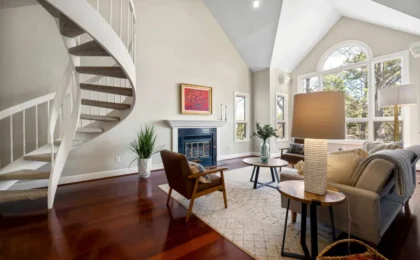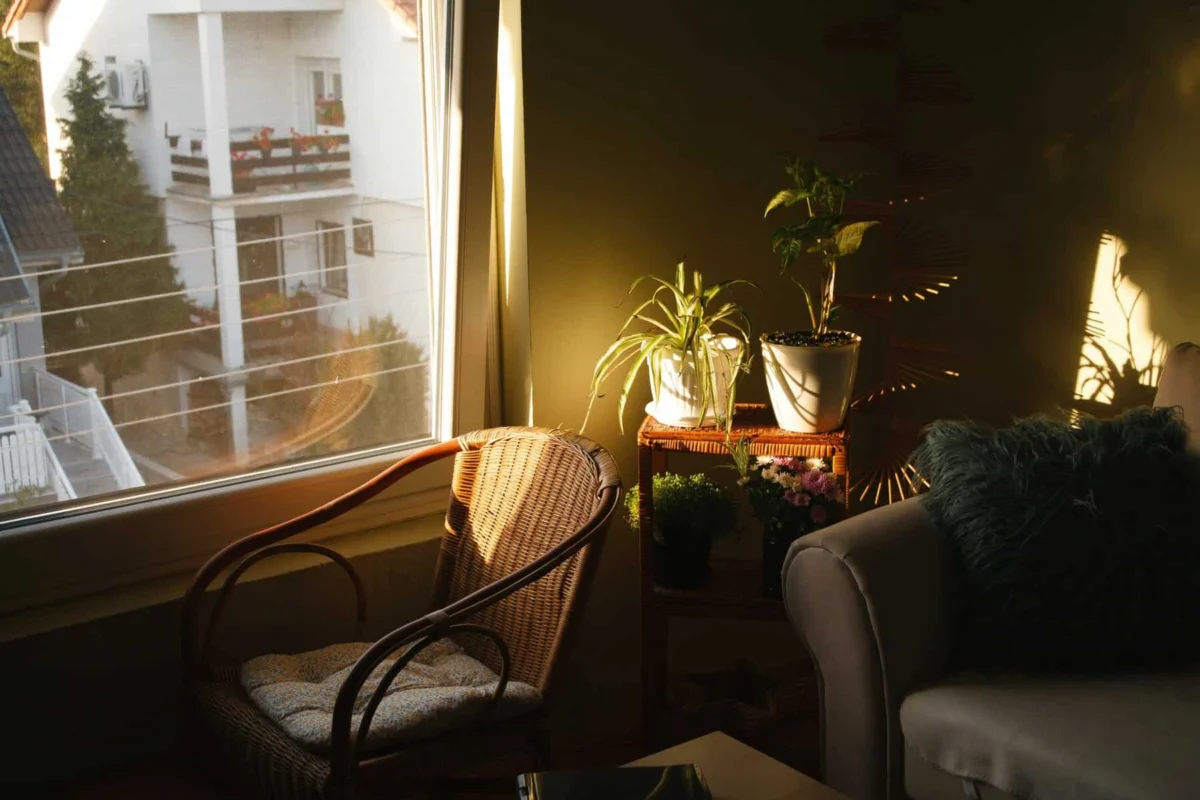
When potential homebuyers step across the threshold of a new property, they are often unaware of the silent, invisible force shaping their immediate impression. It is not the square footage, the granite countertops, or the proximity to local schools that dictates their initial emotional response; it is the quality and quantity of natural light. While buyers may describe a house as "warm," "inviting," or "spacious," they are often unconsciously reacting to how sunlight interacts with the architecture.
In today’s competitive real estate market, natural light has transitioned from a desirable perk to a non-negotiable priority. Whether you are hunting for a bungalow in Brea, California, or a sprawling estate in Kingsport, Tennessee, understanding how to evaluate a home’s solar exposure is essential. As experts suggest, you can renovate a kitchen and replace the flooring, but you cannot change the path of the sun.
The Science of First Impressions: Why Light Matters
A home’s lighting environment acts as a primary psychological trigger for prospective buyers. Well-lit interiors allow for a seamless transition from the outdoors in, highlighting architectural details and finishes that would otherwise languish in shadow. Conversely, poorly lit homes can feel claustrophobic, regardless of their actual size.
Kate Goeringer, a prominent agent with Brick Realty, notes that natural light is often the "X-factor" in a successful sale. "Natural light is one of the first things buyers respond to when they walk through a door, often before they even realize it," says Goeringer. "Sun-filled rooms feel larger, warmer, and more welcoming. In Middle Tennessee, we see a consistent trend where buyers gravitate toward homes with bright, open living spaces because they offer an immediate sense of comfort."
The Psychology of Brightness
The human brain is evolutionarily wired to respond positively to natural light. Exposure to sunlight regulates our circadian rhythms, boosts serotonin levels, and creates a sense of well-being. When a home provides this biological necessity, buyers feel more at home—literally. This emotional connection is what often drives a buyer to move from a casual browser to a serious bidder.
The Economic Implications: Beyond Aesthetics
The impact of natural light extends deep into the financial realm. It is not merely a matter of visual appeal; it is a matter of long-term asset management and operational efficiency.
1. Energy Efficiency and Sustainability
In an era of rising utility costs, a home’s orientation can significantly influence monthly overhead. A south-facing home in the Northern Hemisphere receives consistent, passive solar heating throughout the winter months, potentially lowering energy consumption. Conversely, high-quality, strategically placed windows allow for natural ventilation, reducing the reliance on air conditioning during warmer seasons.
2. The Resale Value Premium
The real estate market is unforgiving when it comes to "dark" homes. Properties that lack sufficient windows or are oriented poorly often stay on the market longer and command lower price points. As noted by industry analysts, the "sun-drenched" premium is real. When buyers are presented with two otherwise identical properties, the one with superior natural lighting almost invariably commands a higher offer price.
Expert Perspectives on Solar Orientation
Professional real estate brokers consistently emphasize the permanence of a home’s placement. Amy Stockberger, a veteran in the field, underscores the immutability of a home’s location. "One of the things I tell every buyer is this: you can change almost anything about a house, but you cannot change where it sits on the lot or which direction it faces," says Stockberger. "Listings with great natural light get more clicks, more showings, and more competitive offers. It affects resale value too. When I’m helping a client evaluate two comparable properties, the one with better natural light almost always wins."
This sentiment is echoed by Jason Tysdal of Spearfish Realty, who highlights how light interacts with local landscapes. "In the Black Hills, where sunshine highlights the surrounding views, pine-covered hillsides, and changing seasons, good natural light can really elevate the way a home lives and feels," he notes. "Buyers often notice bright living spaces because they create energy and a stronger emotional connection to the property."
Functional Benefits of a Sun-Filled Home
Beyond the metrics of real estate, there is the daily lived experience. A home that is properly lit is a more functional home. The Prairie and Pine Real Estate Group highlights how lighting influences daily routines: "Natural light can make a room feel cleaner, appear larger, and help your paint colors pop. If you are looking for a great boost in mood, natural light is your friend. East-facing windows also offer a more natural wakefulness for those wanting to wake up earlier in the morning."
Room-by-Room Functionality
- The Kitchen: Natural light is critical for food preparation, making tasks safer and more enjoyable.
- The Home Office: Proper daylighting has been proven to increase productivity and reduce eye strain for those working remotely.
- Living Areas: Bright, airy living rooms serve as better spaces for entertainment and social gathering, fostering a sense of community within the household.
The Buyer’s Checklist: What to Look for During a Tour
When touring a home, buyers should look beyond the staged furniture and freshly painted walls. To accurately gauge the quality of light, consider the following:
- Check the Compass: Which way do the windows face? South-facing windows offer the most consistent light, while east-facing windows capture the morning sun.
- Observe Window Placement: Are there windows on multiple sides of a room? Cross-lighting is generally more flattering and effective than light coming from a single source.
- Note Obstructions: Look for large trees, neighboring buildings, or overhangs that may block sunlight, especially during winter when the sun sits lower in the sky.
- Time of Day: If possible, visit the property at different times. A home that looks bright at 10:00 AM may feel entirely different by 4:00 PM.
- Utilize Tools: Modern technology, such as Redfin’s "Sunscore," can provide data-driven insights into the specific light exposure of a listing, removing the guesswork from the equation.
The Future of Sunlight in Real Estate
As we look toward the future of residential design, the importance of "biophilic" design—incorporating the natural environment into the built space—is growing. Buyers are increasingly prioritizing health, sustainability, and comfort. Consequently, developers and architects are focusing more on floor-to-ceiling windows, skylights, and open floor plans that maximize the penetration of natural light into the core of the home.
Conclusion: A Lasting Investment
In the final analysis, natural light is one of the few features of a property that is truly "baked in." While interior designers can work miracles with artificial lighting, they cannot replicate the depth, quality, and psychological benefits of true daylight.
When you are in the market for a home, treat natural light with the same scrutiny you would apply to the roof or the foundation. It is an investment in your mental health, your monthly budget, and the long-term desirability of your property. By prioritizing light, you are not just buying a structure; you are investing in a way of life that is brighter, more efficient, and undeniably more valuable.
As you navigate your next home search, remember that while you can renovate a space, you cannot change its relationship with the sun. Choose a home that welcomes the day, and you will find that the home itself welcomes you back in return.