In a move that signals a seismic shift in the consumer electronics landscape, Amazon has implemented sweeping price increases across its entire first-party hardware ecosystem. From the ubiquitous Echo smart speakers to the Fire TV streaming line and Kindle e-readers, the retail giant is recalibrating its long-standing strategy of offering low-cost entry points into its digital services.
The price adjustments, which were confirmed by Amazon following a comprehensive review of its storefront, mark a rare retreat from the company’s traditional "loss-leader" model. For years, Amazon has been willing to sell hardware at near-cost or even at a loss to secure a footprint in the consumer’s home. However, the escalating costs of memory components—driven by a global insatiable appetite for Artificial Intelligence (AI) infrastructure—have made that model increasingly unsustainable.
Main Facts: A Comprehensive Inventory of the Price Surge
The overnight price hikes affect almost every category of Amazon’s proprietary hardware. The base model Echo Dot, often the gateway for consumers into the Alexa ecosystem, has seen its price jump from $49.99 to $79.99—a staggering 60% increase. The larger Echo Show 11 followed suit, rising from $219.99 to $249.99.
The Kindle line, which has dominated the e-reader market for over a decade, was not spared. The standard 16-gigabyte Kindle rose from $109.99 to $149.99, while the premium Kindle Paperwhite (16GB) increased from $159.99 to $199.99. In the streaming sector, the Fire TV Stick HD saw a modest increase from $34.99 to $39.99, but the high-end Fire TV Stick 4K Max surged from $59.99 to $84.99.
Even the company’s networking infrastructure felt the pressure. The Amazon eero 7 wireless mesh system jumped from $349.99 to $399.99, while the professional-grade eero Pro 7 rose by $100, moving from $699.99 to $799.99. Interestingly, Amazon’s Ring security products have maintained their current pricing for now, though analysts suggest this may be temporary as inventory levels of older components are depleted.
Summary of Key Price Changes:
- Echo Dot: $49.99 → $79.99 (+60%)
- Kindle (16GB): $109.99 → $149.99 (+36%)
- Fire TV Stick 4K Max: $59.99 → $84.99 (+41%)
- eero Pro 7: $699.99 → $799.99 (+14%)
Chronology: From Pandemic Disruptions to the AI Gold Rush
To understand Amazon’s decision, one must look at the trajectory of the semiconductor industry over the last four years. The current crisis is not a mere echo of the COVID-19 supply chain disruptions, but rather a new, more structural challenge born from the evolution of computing.
2021–2022: The Post-Pandemic Hangover
Following the initial shock of the pandemic, the tech industry faced a general shortage of "legacy nodes"—the older, simpler chips used in cars and basic appliances. During this time, Amazon managed to keep prices stable by leveraging its massive scale and long-term supply contracts.
2023: The Generative AI Explosion
The launch of advanced LLMs (Large Language Models) triggered a global "Gold Rush" for AI compute. Companies like NVIDIA, Microsoft, and Amazon’s own AWS unit began purchasing every available scrap of High Bandwidth Memory (HBM) and DDR5 DRAM. This pivoted the manufacturing focus of giants like Samsung, SK Hynix, and Micron away from the consumer-grade NAND and DRAM used in Kindles and Echos, toward the high-margin memory required for AI data centers.
Early 2024: The Industry Tips
By early 2024, the "100-year flood" of memory pricing—as Apple CEO Tim Cook described it—began to impact the bottom line of hardware manufacturers. Throughout the second quarter of 2024, Apple, Microsoft, and Dell began quietly adjusting their MSRPs or reducing the base memory configurations of their flagship products.
August 2024: Amazon Breaks
After absorbing the rising costs for nearly three quarters, Amazon officially updated its pricing. The move comes just weeks before the company’s traditional fall hardware event, where it typically unveils its next generation of devices.
Supporting Data: The Cost of the AI Infrastructure
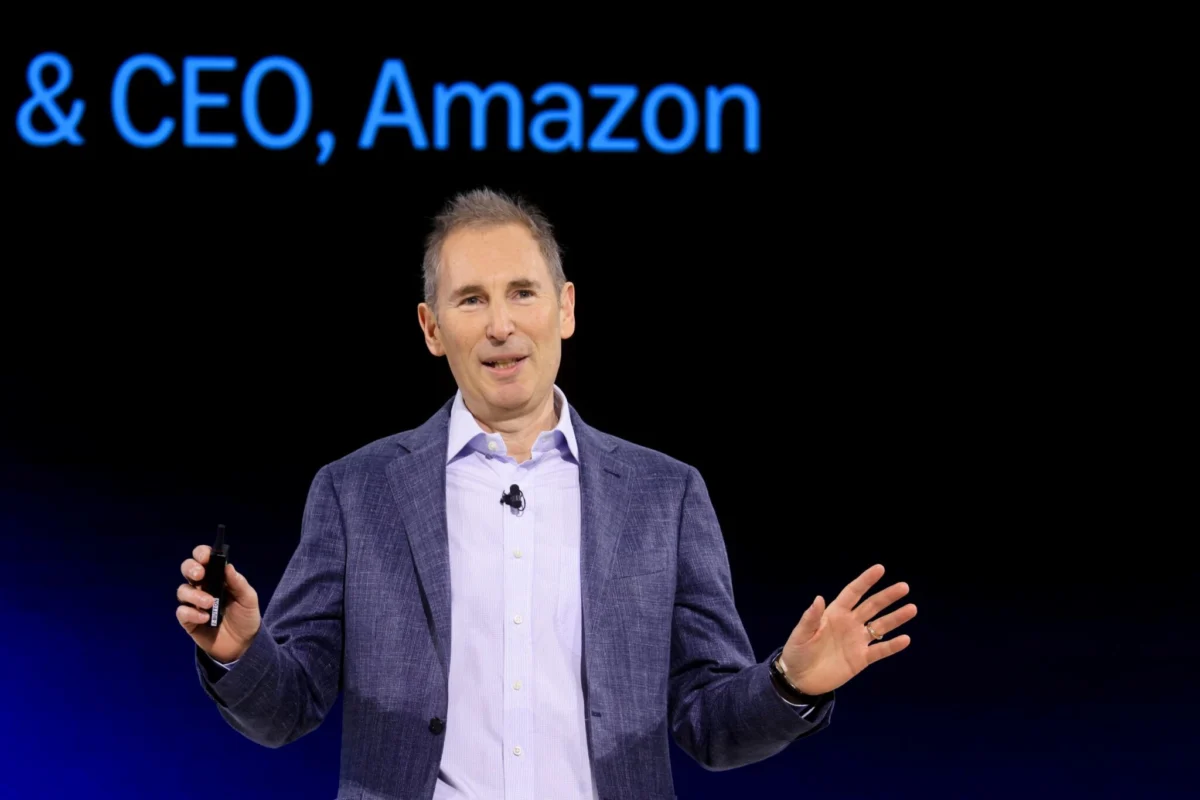
The financial pressures driving these price hikes are evident in Amazon’s recent earnings reports. In late July, Amazon CEO Andy Jassy revealed a significant revision to the company’s capital expenditure (Capex) forecast. Amazon now expects to spend a record $220 billion this year, up from an earlier estimate of $200 billion.
The majority of this $20 billion increase is attributed to the rising costs of equipping data centers with the memory and specialized chips required for AI. This internal competition for resources is a critical factor; Amazon is essentially competing with itself for memory components. The same silicon wafers that could be used to create memory for a Fire Tablet are now being prioritized for the massive servers powering Amazon Web Services (AWS).
The Sector-Wide Trend
Amazon is far from alone in this predicament. The following data points illustrate the breadth of the memory-driven price inflation:
- Apple: In June, the company raised prices for select Mac and iPad configurations in several global markets, citing component costs.
- Microsoft: Raised the price of Xbox Series X consoles by up to $150 in certain regions and discontinued the 2TB high-end configuration due to the prohibitive cost of storage.
- PC Manufacturers: Dell, HP, and Lenovo have all reported that the cost of RAM and SSDs has increased by 15% to 30% year-over-year, forcing them to either raise prices or "skimp" on base specs.
Official Responses: A Reluctant Adjustment
Amazon has been candid about the necessity of these changes. An Amazon spokeswoman confirmed the price increases, emphasizing that the company had attempted to shield consumers for as long as possible.
"The consumer electronics industry is facing significant increases in memory and storage component costs," the spokeswoman said in an official statement. "After absorbing these increases for as long as we could, we recently adjusted pricing across our product lines."
Despite the hikes, the company maintains that its goal is to keep devices "accessible." The spokeswoman added that Amazon will continue to utilize its aggressive promotion strategy, suggesting that "Prime Day" style discounts will remain a fixture, even if the "list price" is now significantly higher.
Andy Jassy’s comments to investors further underscore the gravity of the situation. Jassy noted that even with the massive $220 billion investment, Amazon still won’t have "enough capacity to meet all the demand we have in 2026." He predicted that this supply-demand imbalance would persist through 2027, suggesting that the era of cheap, memory-intensive hardware may be over for the foreseeable future.
Implications: A New Reality for Consumers and the Tech Ecosystem
The ramifications of Amazon’s price hike extend far beyond a $30 increase on a Kindle. This shift marks a turning point in how big tech interacts with the average consumer.
1. The Death of the "Cheap" Smart Home
For years, the "Smart Home" was built on the back of $25 Echo Dots sold during holiday sales. At $79.99, the Echo Dot is no longer an impulse purchase. This may slow the adoption of ambient computing in lower-income households and force competitors like Google to decide whether to follow suit or attempt to gain market share by maintaining lower prices at a loss.
2. The Prioritization of the "AI Sovereign"
We are entering an era where consumer hardware is secondary to the "AI Sovereign." When memory is scarce, it will always flow to the most profitable use case. Currently, that use case is the AI data center, where a single server rack can generate more revenue in a month than thousands of Fire TV sticks do in a year. Consumers are now effectively paying an "AI Tax" on their everyday electronics.
3. Resale and Longevity
As new devices become more expensive, the secondary market for used Kindles and Echos is likely to see increased activity. Furthermore, consumers may hold onto their devices longer, slowing the upgrade cycle. This puts pressure on Amazon to support older hardware with software updates for longer periods, potentially straining their engineering resources.
4. A Shift in Retail Strategy
With higher base prices, Amazon’s "Promotional" strategy becomes even more critical. We may see a wider gap between "MSRP" and "Sale Price." Amazon could use Prime Membership even more aggressively, offering the "old" prices exclusively to subscribers while charging the new, higher prices to non-members.
5. Future Hardware Design
To combat rising costs, we may see a "thin client" approach to hardware design. Future Fire TVs or Echos might come with even less onboard memory, relying instead on cloud processing to handle tasks. This would reduce the bill of materials (BOM) but increase the dependency on a constant, high-speed internet connection and Amazon’s cloud backend.
Conclusion
Amazon’s price hike is a "canary in the coal mine" for the broader tech industry. It confirms that the AI revolution is not just a software phenomenon but a physical one that consumes real-world resources. As memory remains the "new oil" of the digital economy, the days of subsidized, ultra-cheap hardware are fading. For the consumer, the message is clear: the convenience of a connected home is about to come with a much higher price tag.