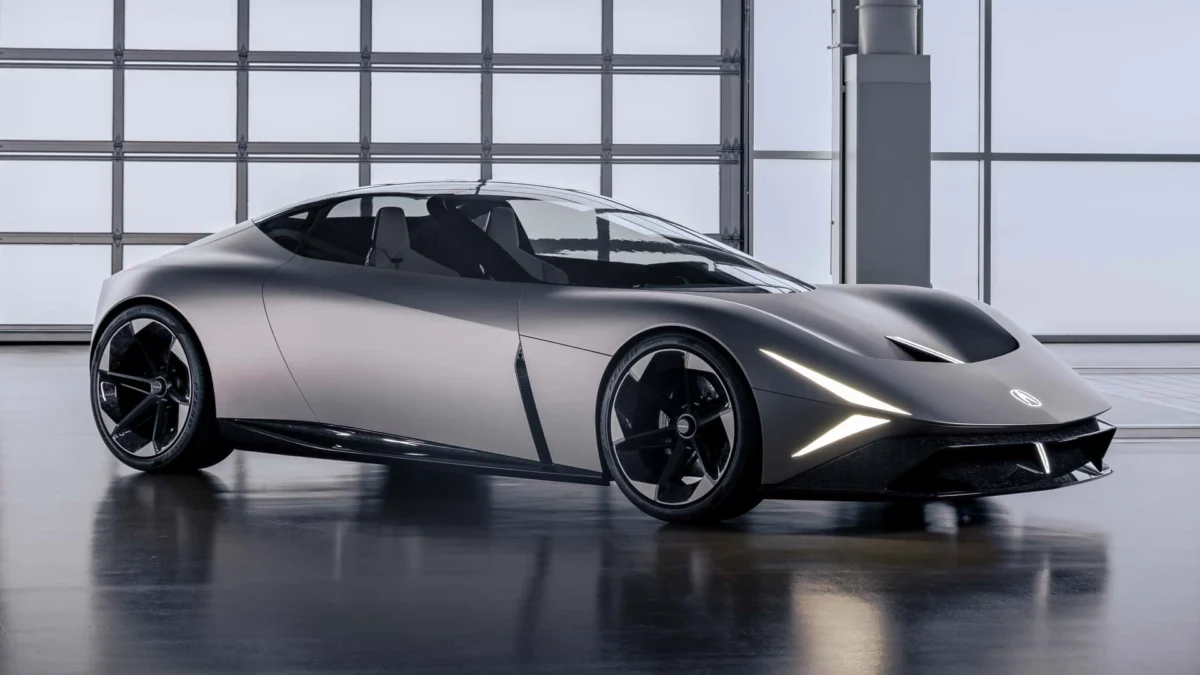
When Acura pulled the silk cover off the Nexera concept earlier this month, the automotive world collectively paused. In an era where many luxury brands are retreating into predictable, electrified crossover shapes, the Nexera arrived as a breath of high-octane fresh air. With its aggressive stance, butterfly doors, and striking carbon-fiber detailing, it looked like a production-ready halo car. However, Acura was quick to temper expectations: the Nexera is currently just a design study—a beacon pointing toward a future styling language rather than a vehicle slated for the assembly line.
Yet, as the dust settles and enthusiasts clamor for a modern successor to the legendary NSX, the reality of the Nexera is far more nuanced. While it may not be headed for showrooms tomorrow, the doors of possibility are firmly ajar.
The Design Philosophy: A Radical Departure
The Nexera represents a fundamental shift in Acura’s design DNA. For years, the brand has relied on its "Precision Crafted Performance" mantra, but the Nexera takes that concept into the realm of the avant-garde. The vehicle features hidden lighting elements that dissolve into the bodywork, creating a seamless, almost monolithic appearance when the car is dormant.
The inclusion of butterfly doors is a significant statement, signaling a return to the theatricality that defined the original NSX. Furthermore, the car sits on center-lock wheels—a first for the Acura brand—which immediately anchors it in the world of high-performance racing rather than mere luxury transport. The silhouette is defined by smooth, flowing lines that transition into a muscular, wide-body profile, suggesting a level of aerodynamic sophistication rarely seen in the manufacturer’s current portfolio. It is a car that screams for attention, a stark contrast to the conservative, iterative designs that have dominated the luxury segment over the last decade.
Chronology: From Concept to Reality
To understand where the Nexera fits into Acura’s future, one must look at the brand’s timeline for the remainder of the decade. The journey from the drawing board to the street is a long one, and the Nexera is merely the opening chapter.
- The Unveiling: The Nexera debuts as a design concept, serving as the blueprint for Acura’s aesthetic evolution.
- The Short Term: The design language introduced on the Nexera will not appear on a sports car, but rather on the upcoming RDX Hybrid. This vehicle, slated for release in "a couple of years," will be the first production model to integrate the Nexera’s stylistic cues.
- Mid-Term Refreshes: Between now and the arrival of the next-generation fleet, Acura plans to roll out design updates to existing models. These refreshes will serve as a bridge, incorporating elements of the Nexera’s lighting and body styling to keep the current lineup feeling modern.
- The Long-Term Roadmap: The next-generation Integra is not expected until 2029. The MDX, a staple of the brand’s sales volume, will continue in its current iteration until 2031, with an all-new ADX model expected to join the ranks in 2032.
Official Responses: The Leadership Perspective
Perhaps the most intriguing aspect of the Nexera is the reaction from Acura’s top brass. Often, when a company labels a vehicle a "concept," it is a polite way of saying "this will never happen." However, the leadership at American Honda has been unusually candid about the Nexera’s potential.
American Honda President and CEO Eiji Fujimara offered a revealing glimpse into the executive mindset regarding the car. "I would like to do this car," Fujimara stated. "I would like to do it with an engine, personally, but we will do what the customer wants, if that’s engine or hybrid or EV."
This statement is significant for two reasons. First, it confirms that there is internal desire at the highest levels of the company to build a halo performance vehicle. Second, it highlights the brand’s pragmatic approach to powertrain technology. By leaving the door open for internal combustion, hybrid, or pure electric platforms, Acura is signaling that if the market demand exists, the engineering flexibility is there to meet it.
Yasutake Tsuchida, Acura’s creative director and vice president of design, was even more direct. When asked if he held a personal vision to bring a car like the Nexera to production, his answer was a simple, confident, "Yes." These comments suggest that the Nexera is not merely a marketing exercise; it is a point of pride and a tangible goal for the design and executive teams.
Supporting Data: Honda’s Massive Investment
Acura’s ability to pivot toward this new design language is bolstered by a broader corporate strategy at Honda. The manufacturer has committed to launching 18 new or updated models by the end of the decade. This aggressive product cadence provides the perfect vehicle for the rollout of the Nexera’s styling.
By integrating the new design language into high-volume models like the RDX and the future ADX, Acura ensures that the "look" of the brand becomes ubiquitous. This strategy serves two purposes: it builds brand recognition for the new aesthetic, and it amortizes the cost of design innovation across a wider range of vehicles. If the public response to these refreshed, Nexera-inspired models is overwhelmingly positive, it provides the business case necessary to greenlight a low-volume, high-performance halo car.
The Implications: Is an NSX Successor on the Horizon?
The elephant in the room is the absence of a true spiritual successor to the NSX. When asked if the Nexera is the "next" NSX, the answer from the brand is a definitive no. However, the spirit of the NSX is clearly present.
The automotive market is currently in a state of flux. The transition toward electrification has forced many manufacturers to focus on battery efficiency and range, often at the expense of design character. Acura’s decision to lead with the Nexera’s design language suggests that the brand is attempting to reclaim its status as a performance-oriented luxury manufacturer.
If the Nexera were to enter production, it would represent a massive statement of intent. In a market crowded with generic SUVs, a dedicated, low-slung, high-performance machine would serve as a "halo" in the truest sense of the word—it would elevate the perception of every other vehicle in the showroom.
Furthermore, the emphasis on carbon fiber and center-lock wheels in the concept suggests that Acura is interested in shedding its reputation for "sensible luxury" in favor of something more visceral. Whether that comes in the form of a V6 hybrid supercar or a high-performance EV remains to be seen, but the intent is clearly there.
Conclusion: A New Direction for Acura
The Nexera is a masterclass in modern automotive marketing. By presenting it as a design concept, Acura has successfully generated buzz, engaged its core enthusiast base, and signaled a clear departure from its previous, more muted design language.
While we should not expect to see a production version of the Nexera in the next 24 months, we should expect to see its DNA everywhere else. From the upcoming RDX Hybrid to the next generation of the MDX, the Nexera’s influence will be the thread that ties Acura’s future portfolio together.
The most exciting takeaway is that the people in charge of the brand’s future—men like Fujimara and Tsuchida—actually want to build this car. In an industry defined by cold, analytical business cases, that human desire for a true sports car is the most important factor of all. For now, the Nexera is a vision of what could be, but it is a vision that seems more attainable with every passing day. Acura is not just designing a new look; they are positioning themselves to reclaim the thrill of the drive, and that is a direction that both the industry and the consumer should be watching closely.