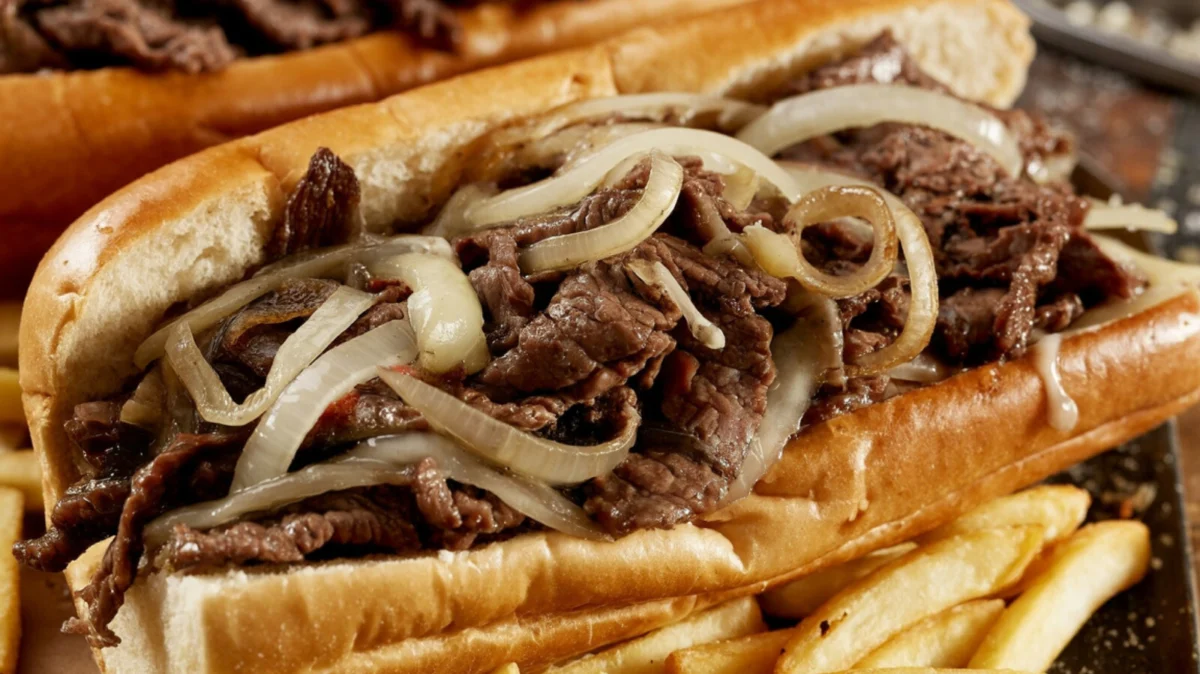
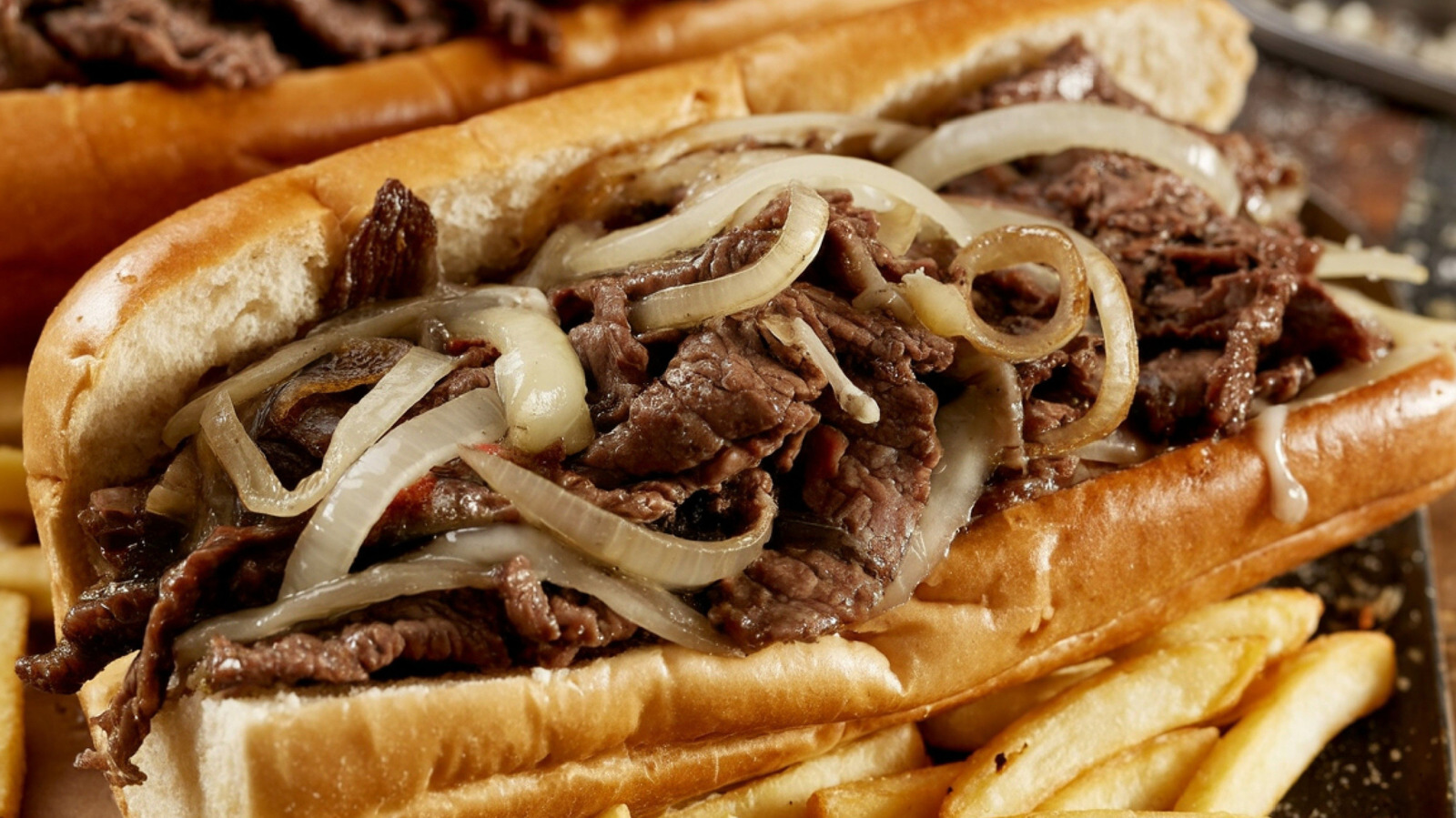
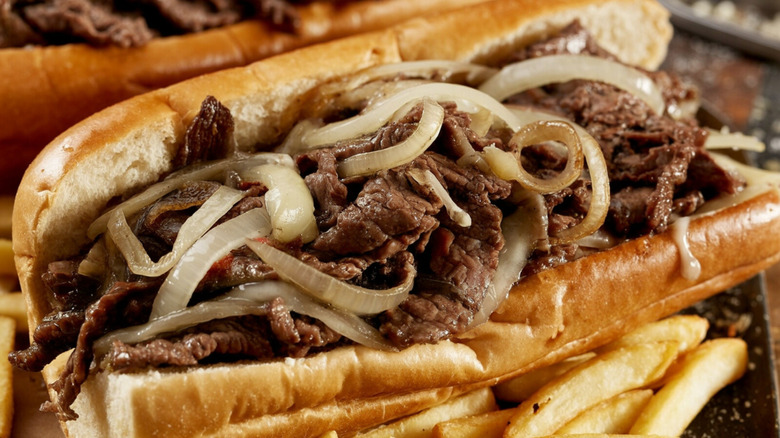
The Philly cheesesteak is more than just a sandwich; it is a cultural icon of Philadelphia, a culinary institution that has transcended its regional roots to become a staple of American comfort food. While its components—thinly sliced beef, melted cheese, and grilled onions on a crusty roll—appear deceptively simple, achieving the balance of texture and flavor found in a legendary Philadelphia shop is an art form.
To help home cooks elevate their game, we consulted with the industry’s most respected voices: Dave Fedoroff of Brooklyn’s Fedoroff’s Roast Pork, Bob Levey of Philly’s Best Cheesesteaks, Scott Linder of Matū, and Evan Stein, founder of Olde City in New York. By synthesizing their professional insights, we have compiled the definitive guide to mastering the cheesesteak at home.
The Foundation: Understanding the Anatomy of the Sandwich
The philosophy behind a world-class cheesesteak is one of "calculated simplicity." It is not a platform for culinary experimentation or "kitchen sink" toppings. Instead, the excellence of a cheesesteak is derived from the high quality of its basic components and the technical precision applied during assembly.
1. The Bread: Structural Integrity is Paramount
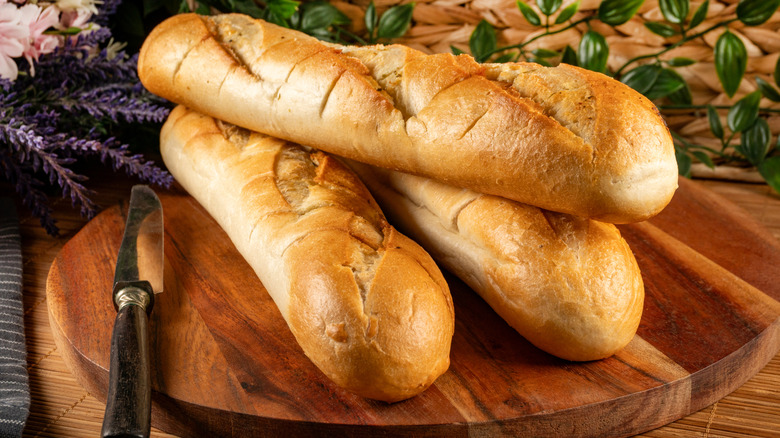
The role of the bread is frequently misunderstood by the home cook. It is the structural support system for a volatile, greasy, and heavy filling. As Bob Levey of Philly’s Best Cheesesteaks notes, "The roll matters. It should be soft enough to bite into, but strong enough to hold the steak, cheese, and onions without falling apart."
If the bread is too crusty, you end up fighting the sandwich; if it is too soft, it becomes a soggy, structural failure. The goal is to find a balance where the roll holds the weight of the meat without dominating the flavor profile. French baguettes or high-quality Italian loaves are the preferred choices for home cooks, provided they offer a sturdy crust and a pillowy interior.
2. The Golden Rule of the Seam
Building upon the importance of the roll, the preparation of the bread is vital. A common rookie mistake is to slice the bread entirely in half. According to Evan Stein of Olde City, "The seam needs to stay intact, for sure, to be a real cheesesteak. It’s not a sandwich where you have a top and a bottom." Maintaining that "hinge" ensures the grease and juices are contained within the sandwich rather than leaking onto your plate or lap.
The Core Components: Beef and Allium Mastery
Once the infrastructure is secured, the focus shifts to the ingredients that provide the flavor profile.
3. Sourcing and Preparing the Beef
Scott Linder of Matū emphasizes that because the ingredient list is so short, there is nowhere for low-quality meat to hide. "A cheesesteak is beef, bread, onions, cheese, and a pepper, so the quality of the meat matters more than anything," Linder explains.
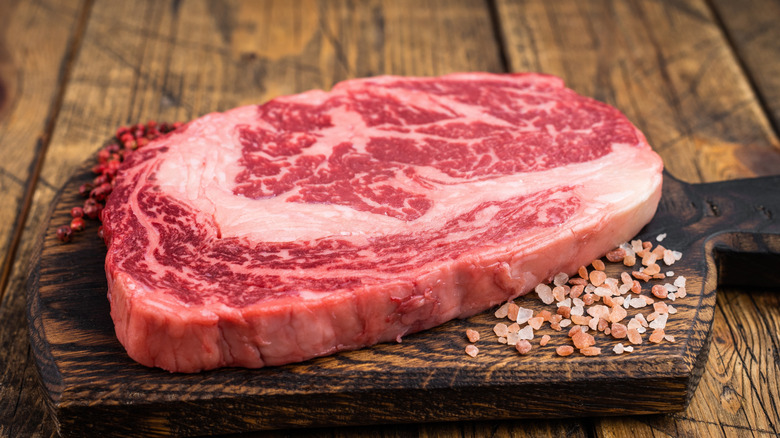
While Linder advocates for high-end options like Wagyu to achieve maximum decadence, the industry standard for a classic experience is well-marbled ribeye. The key is in the preparation: the beef must be sliced paper-thin. When it hits a hot flat-top or heavy skillet, it should sear instantly. Seasoning should be kept to the absolute minimum—salt and pepper only—to allow the natural flavor of the beef to shine.
4. The Onion Dilemma
Onions are a non-negotiable element of the classic cheesesteak, but they must be executed correctly. "Don’t slice them," advises Evan Stein. "They should be chopped, like little cubed onions." The goal is to saute these onions until they are translucent and sweet, then integrate them directly into the beef. This allows the juices from the meat to caramelize with the onions, creating a cohesive, savory base that defines the sandwich’s soul.
The "Authenticity" Protocols: What Stays and What Goes
One of the most contentious topics in the cheesesteak world is the inclusion of "extras." When attempting to replicate a genuine Philadelphia experience, restraint is your greatest asset.
5. The Bell Pepper Controversy
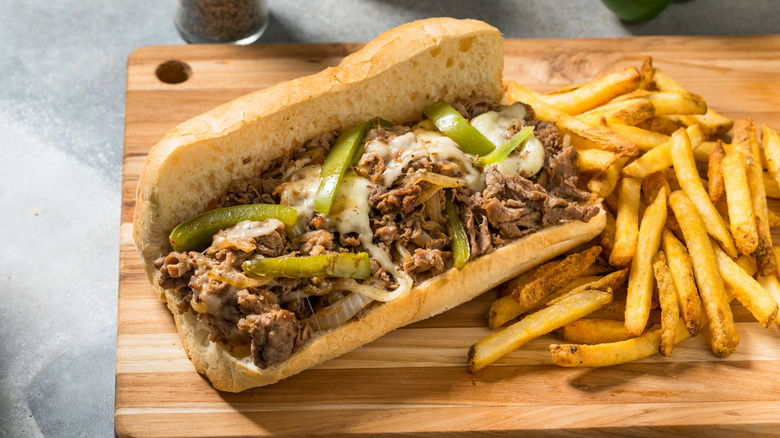
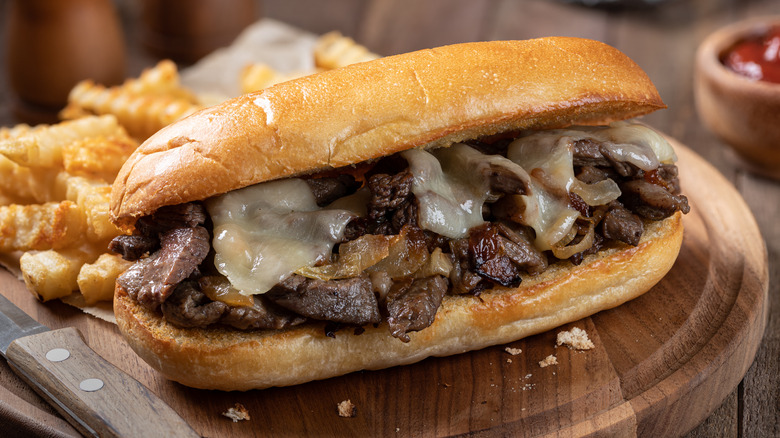
If you order a "Philly" in some parts of the country, you might be surprised by the inclusion of green bell peppers. However, purists view this as a cardinal sin. Dave Fedoroff is unequivocal: "Absolutely no bell peppers. That’s usually the giveaway that it’s not an authentic cheesesteak."
6. The Right Way to Spice
While bell peppers are out, heat is not. If you desire a spicy kick, the industry experts point toward long hots or cherry peppers. These provide a sharp, acidic counterpoint to the rich, fatty nature of the beef and cheese, cutting through the heaviness without introducing the watery, vegetal sweetness of a bell pepper.
7. Avoiding Ingredient Over-Complication
Bob Levey warns against the urge to innovate. "A great cheesesteak is not about piling on too many ingredients," he says. "It is about hot steak, melty cheese, grilled onions, and a roll." Adding mushrooms, excessive condiments, or non-traditional proteins distracts from the harmony of the dish. Stick to the classic formula, and save the creativity for other, more forgiving sandwiches.
The Chemistry of Cheese
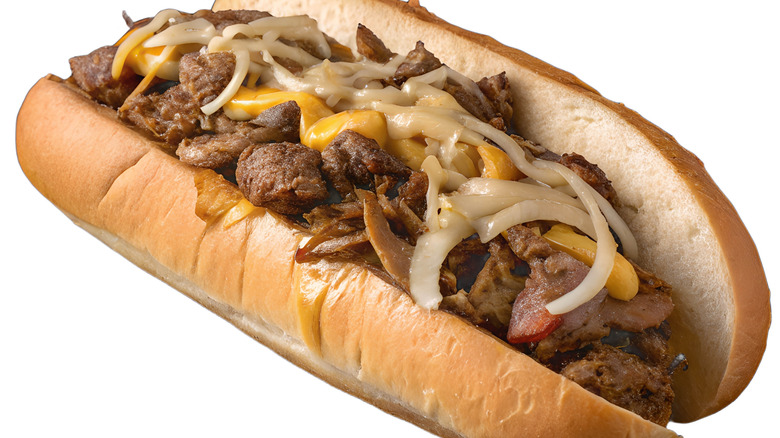
The "cheese" in cheesesteak is a technical component, not just a garnish. Its role is to act as an emulsifier that binds the steak and onions together.
8. Achieving the Perfect Melt
The cheese must be fully integrated. It shouldn’t be a cold slice sitting on top of the meat; it should be a molten, gooey layer that has partially fused with the beef. This is achieved by layering the cheese while the meat is still piping hot, closing the sandwich, and allowing it to rest for sixty seconds before service.
9. Selecting Your Cheese
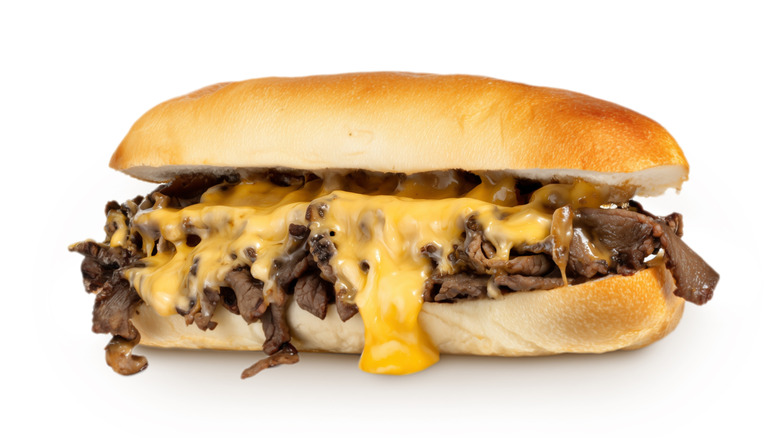
The debate between Cheez Whiz, Provolone, and American is endless. However, the rise of "Cooper Sharp" American cheese has significantly shifted the landscape. Evan Stein calls it the "best cheese for a cheesesteak, not even a contest." It provides the meltability of standard American cheese with a sophisticated, sharp cheddar flavor profile. If you cannot find Cooper Sharp, Cheez Whiz remains the quintessential "authentic" choice, while mild Provolone offers a more traditional Italian-American profile.
Service and Professional Mindset
10. The Temperature Threshold
A cheesesteak has a very narrow window of perfection. "A cheesesteak is at its best right off the grill," says Bob Levey. Because the bread will eventually succumb to the grease and heat, the sandwich must be consumed immediately. Serving it cold or allowing it to sit defeats the purpose of the careful preparation.
11. Respecting the Legacy
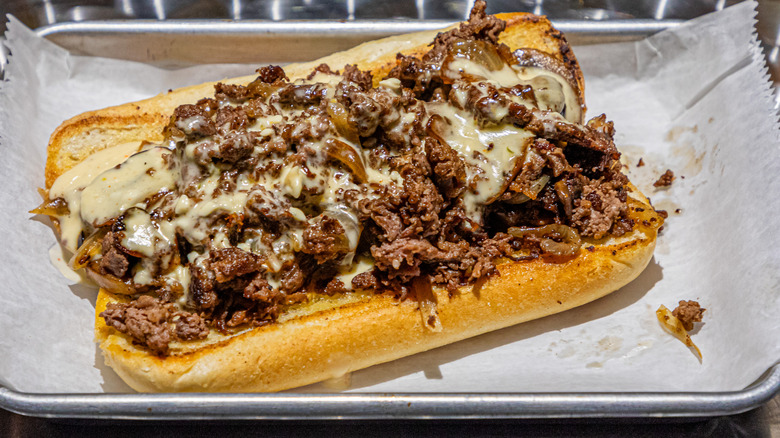
The final, and perhaps most important, rule is one of respect. The cheesesteak is a regional treasure with a specific history. To make a "great" one, you must honor the techniques developed by the generations of sandwich makers in Philadelphia. As Levey summarizes, "A cheesesteak is simple, but it is not easy. The flavor comes from using the right ingredients and making it the right way."
Summary of Best Practices for the Home Chef
- Prep: Keep the bread hinged; never cut it into two pieces.
- Beef: Use high-quality ribeye, sliced paper-thin.
- Onions: Dice them small and cook them with the meat.
- Cheese: Use Cooper Sharp for the best balance of melt and flavor.
- Timing: Serve immediately. The cheesesteak does not wait for anyone.
By adhering to these ten fundamental rules, you transition from simply "making a sandwich" to crafting an authentic culinary experience. The result is a dish that honors its Philadelphia roots while delivering the maximum possible satisfaction in your own kitchen.