For the modern digital nomad, the romanticized image of working from a laptop on a sunny beach has long been replaced by a more grounded reality: the frantic search for a stable Wi-Fi signal, the ergonomic nightmare of a hostel chair, and the creeping isolation that accompanies long-term travel. Balancing professional productivity with the desire for authentic cultural immersion is the central paradox of the remote work era.
As the post-pandemic workforce continues to embrace location independence, the infrastructure supporting these travelers is shifting. The era of "working from anywhere" is maturing into an era of "working from optimized spaces." Leading this charge is Outsite, a global network of coliving and coworking spaces designed to bridge the gap between a private residence, a high-performance office, and a community-driven social hub.
The Genesis of the Coliving Movement
Founded in 2015, Outsite began with a singular, modest ambition: to provide a home base for surfers and entrepreneurs in Santa Cruz, California. At the time, the concept of a "coliving space" was in its infancy. Founders recognized that remote workers were not merely tourists; they were professionals who required a reliable, consistent environment to sustain their careers while feeding their wanderlust.
Over the last decade, the company has scaled significantly. Today, Outsite operates a global network of over 50 properties, serving a community of more than 5,000 members. This growth trajectory mirrors the broader expansion of the remote work market, which has transitioned from a fringe lifestyle choice to a standard corporate policy for millions of employees worldwide.
A Chronology of the Modern Nomad
To understand the necessity of platforms like Outsite, one must look at the evolution of the "nomadic" workflow over the last decade.
- The Early Years (2010–2015): The "hunchback era." Digital nomads relied on unstable hostel Wi-Fi, often working from uncomfortable common areas, prone to social distractions and poor ergonomics.
- The Rise of the Gig Economy (2016–2019): Remote work began to gain traction. Nomads gravitated toward Airbnb listings, often battling deceptive host claims regarding internet speeds. The lack of dedicated workspace meant productivity suffered.
- The Pandemic Pivot (2020–2022): The global shift to remote work created a massive influx of new location-independent workers. The demand for "work-from-home" setups expanded globally, forcing the hospitality sector to adapt.
- The Consolidation Phase (2023–Present): The current era is defined by purpose-built spaces. Digital nomads are now prioritizing "productivity-first" accommodations, viewing coliving as a logistical necessity rather than a travel luxury.
Supporting Data: The Productivity Dividend
The value proposition of Outsite lies in the convergence of amenities. When a remote worker chooses a coliving space over a standard short-term rental, they are essentially outsourcing their logistical overhead.
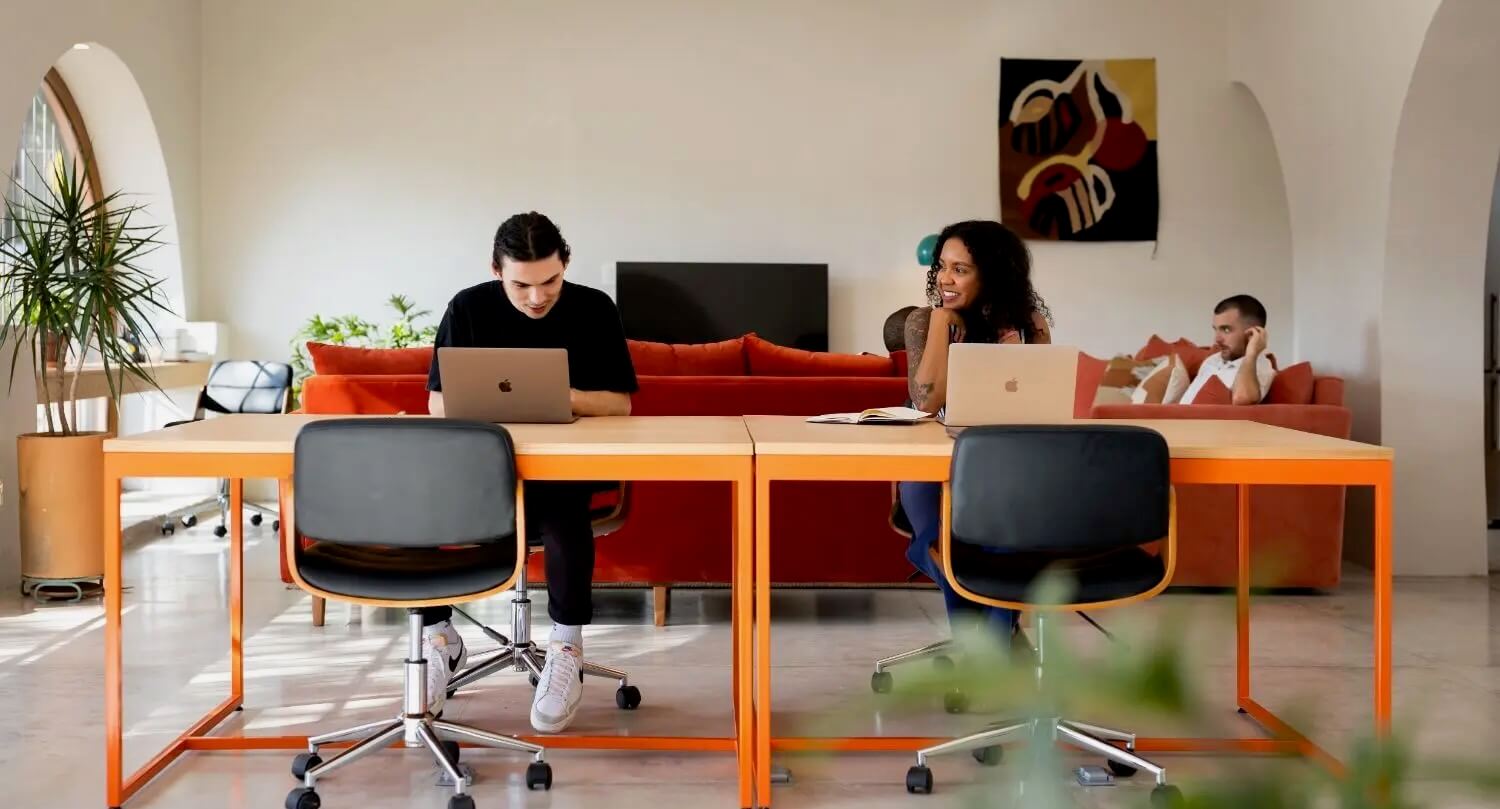
The typical Outsite property is architected to facilitate "deep work." Every location features dedicated coworking areas, ergonomic furniture, enterprise-grade, high-speed Wi-Fi, and multiple connectivity points. By reducing the time spent searching for a quiet cafe, nomads can recover hours of billable time each week.
Furthermore, the "social tax" of isolation is mitigated through active community management. Data suggests that remote workers who engage in community-based living report higher levels of mental well-being and job satisfaction compared to those living in solitary apartments. The inclusion of community managers—who curate events ranging from family-style dinners to professional networking mixers—transforms a group of strangers into a temporary support network.
Official Perspectives: The Philosophy of Space
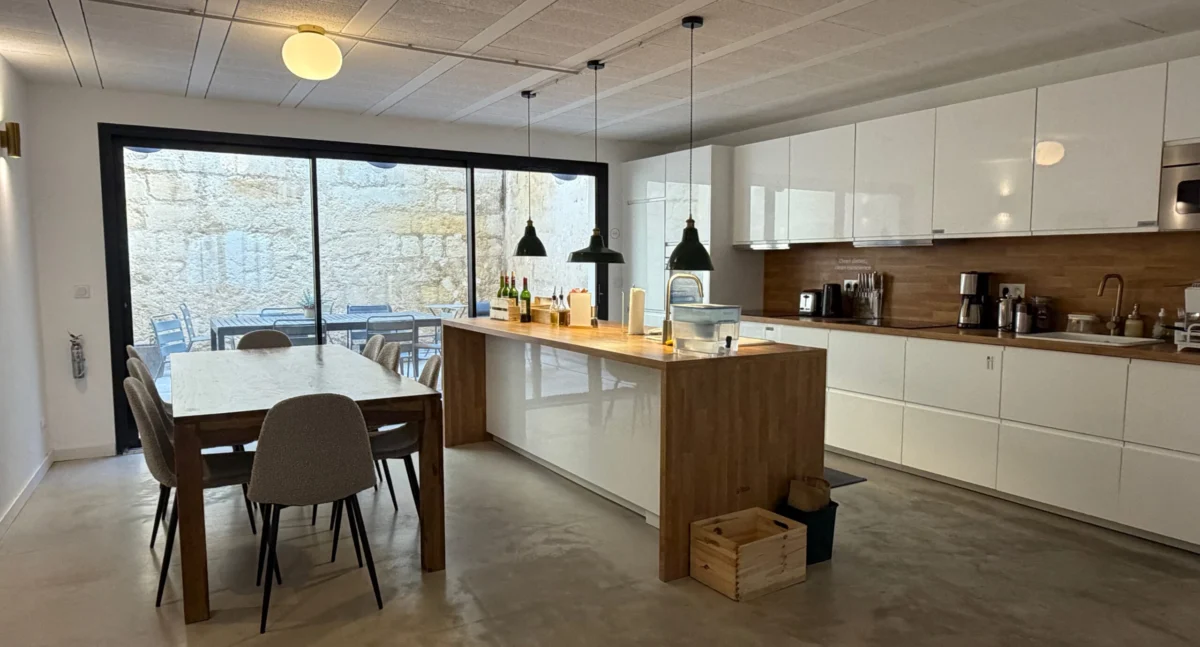
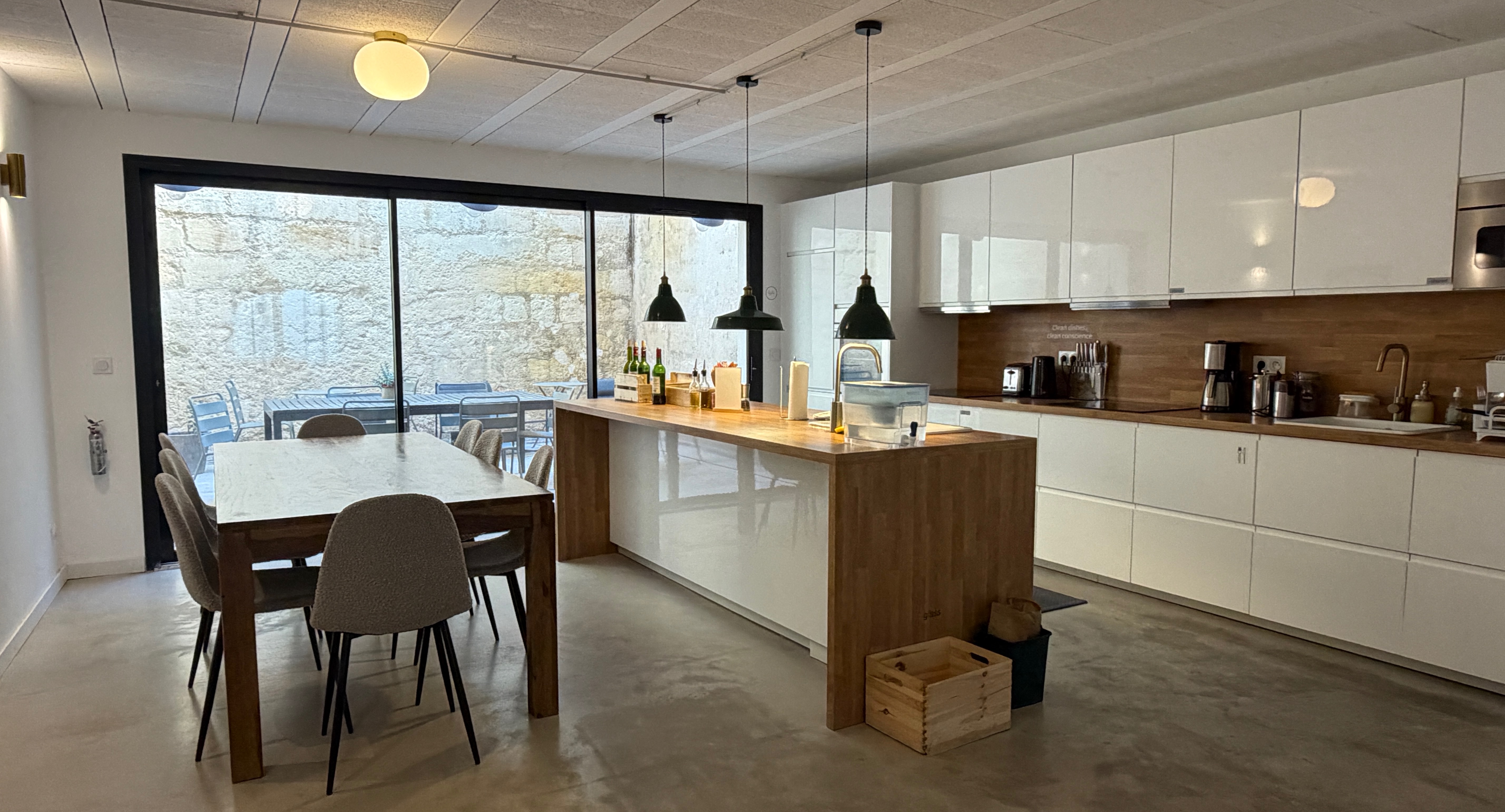
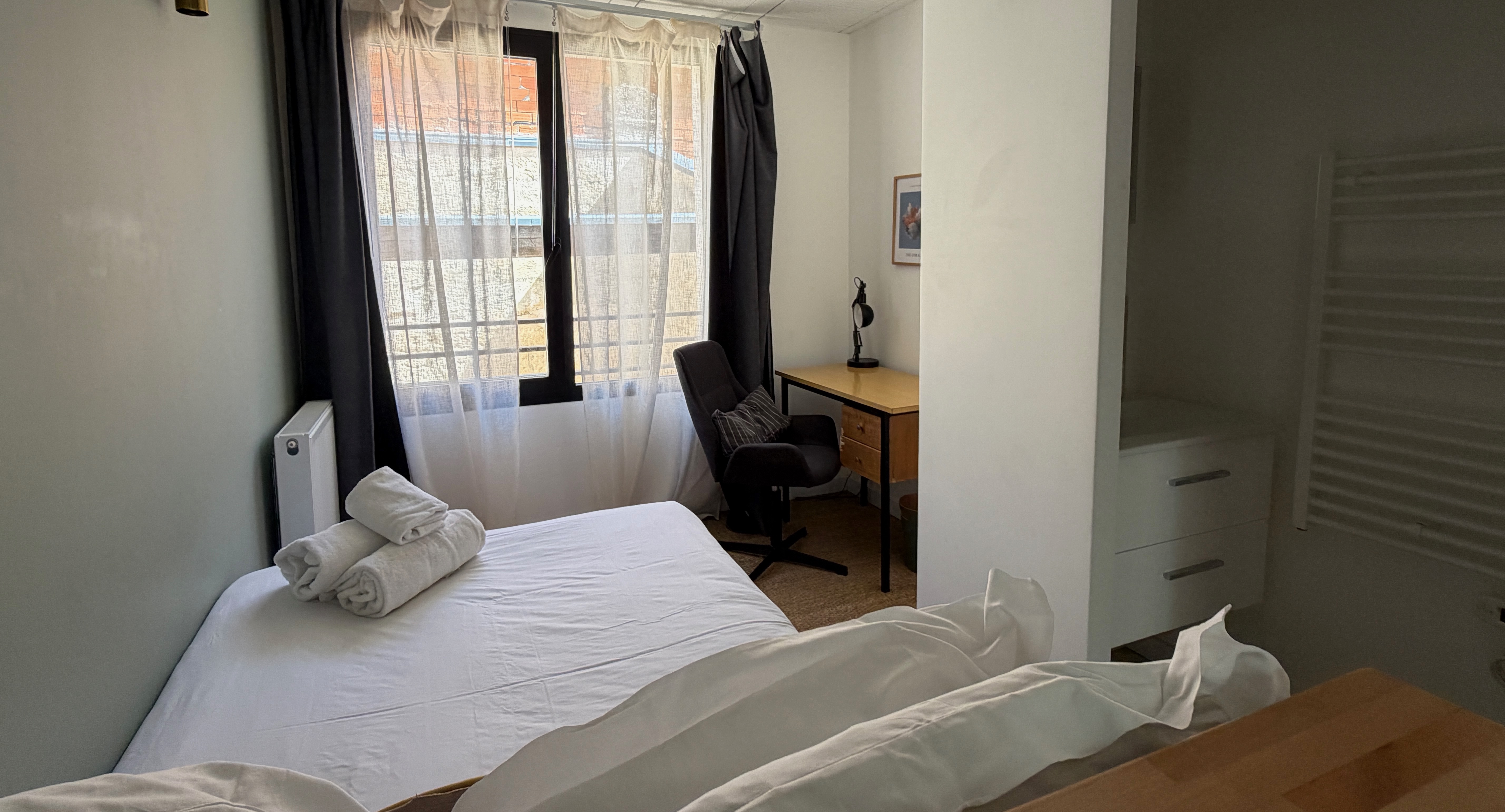
Outsite’s model operates on the principle that the environment dictates the quality of work. In an interview regarding the Bordeaux location, it becomes clear that the design philosophy is deliberate. These are not sterile hotel rooms; they are residential, design-forward spaces characterized by natural light, local art, and professional-grade kitchens.
"When you stay at an Outsite, you aren’t just booking a bed," notes a frequent member. "You are buying into a system that removes the friction of travel."
The company maintains a tiered structure to ensure the longevity of this community. While anyone can book a stay, the membership program ($199 annually or $499 for lifetime access) serves as a filter for serious professionals. Members receive priority booking, deep discounts (up to 40% on extended stays), and access to members-only locations. This barrier to entry ensures that the community remains comprised of like-minded individuals, fostering a professional, peer-to-peer environment that is distinct from the chaotic nature of a traditional hostel.
Implications for the Future of Work
The rise of platforms like Outsite has profound implications for how we define "the office." As companies continue to offer flexible or remote-first policies, the distinction between a "business trip" and a "vacation" is evaporating.
Economic and Logistical Considerations
Critics often point to the premium pricing of coliving spaces compared to budget hostels. However, when viewed through a total-cost-of-ownership lens, the gap narrows significantly. A nomadic worker in a traditional setup must pay for:
- A rental apartment (often at short-term rates).
- A monthly pass to a local coworking space.
- The "hidden" costs of lost productivity and time spent scouting work-friendly venues.
Outsite bundles these costs into a single invoice. For the professional who bills by the hour, the ability to walk from a bedroom to a fully equipped, silent office in under five minutes provides a quantifiable return on investment.
Social and Demographic Trends
The demographic of the digital nomad is also shifting. The "backpacker" archetype is being replaced by the "working professional." The average age of an Outsite guest ranges from late 20s to mid-40s, consisting of software engineers, creative consultants, and entrepreneurs. These individuals are not looking for a party scene; they are looking for a reliable, social, and functional base of operations.
Frequently Asked Questions (FAQ)
Is Outsite suitable for all age groups?
While there is no upper age limit, the environment is specifically curated for working professionals. Most guests are in their 30s and 40s, creating a mature, collaborative atmosphere.
What if I need a long-term stay?
Outsite is designed for medium-to-long-term stays. While some locations allow for shorter bookings, the infrastructure—including fully equipped kitchens and laundry facilities—is optimized for guests staying two weeks or longer.
How does the community aspect work?
Each property is assigned a Community Manager. They act as a concierge and social facilitator, managing WhatsApp groups, organizing local excursions, and ensuring that new arrivals are integrated into the existing cohort.
Can I bring my family or pets?
Due to the communal nature of the living spaces, most Outsite locations are unsuitable for pets. Families are generally discouraged unless a private unit is available, as the focus remains on a professional, work-centric environment.
Conclusion: Finding Your Tribe
The challenges of the digital nomad life—the loneliness, the logistical headaches, and the struggle to remain productive—are no longer inevitable. Platforms like Outsite represent the maturation of the remote work movement. By treating the workspace as a fundamental pillar of the travel experience, they allow nomads to build careers that are as mobile as they are sustainable.
Whether you are a freelancer looking for a consistent desk or an entrepreneur seeking a network of peers in a new city, the coliving model offers a compelling solution. The future of work is not just about having a laptop; it is about having a home, a team, and a desk, no matter where in the world you happen to be. As you plan your next journey, consider that the most important part of the trip might not be the sights you see, but the community you build along the way.