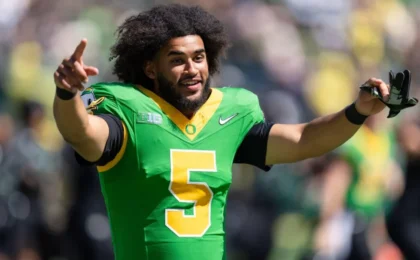
In the rapidly evolving landscape of modern sports entertainment, the intersection of data science, predictive analytics, and regulated wagering has birthed a new industry: professional sports handicapping. As sports betting continues to gain legal momentum across North America, the demand for high-quality, expert-driven insights has reached an all-time high. Today, bettors are no longer relying solely on intuition; they are turning to a sophisticated ecosystem of analysts who synthesize massive datasets to provide "top free picks."
This shift represents a fundamental change in how fans consume sports. What was once a niche hobby relegated to smoke-filled backrooms has transitioned into a transparent, digital-first profession where expert transparency and performance tracking are the gold standards.
The Main Facts: Defining the Role of the Expert Handicapper
At its core, an expert sports handicapper is a professional analyst who specializes in identifying inefficiencies in the betting lines set by major sportsbooks. These professionals utilize proprietary algorithms, situational analysis, and deep-dive statistical modeling to predict the outcomes of games.
The primary service provided by these experts—often aggregated on platforms like CBS Sports—is the dissemination of "free picks." These selections are not merely guesses; they are the distillation of hours of research. A typical expert pick will account for:
- Injury Reports and Personnel Changes: Tracking the impact of key player absences on point spreads.
- Advanced Metrics: Moving beyond simple win-loss records to look at "expected" performance metrics like EPA (Expected Points Added) or DVOA (Defense-adjusted Value Over Average).
- Line Movement Analysis: Monitoring how professional "sharp" money shifts the betting lines throughout the week, signaling where the true value lies.
The industry operates on the principle of transparency. Reputable experts track their historical records, providing a "win-loss-push" history that allows bettors to gauge the reliability of their analysis over the long term.

A Chronology of the Betting Boom
To understand why expert picks have become so central to the fan experience, one must look at the timeline of the North American betting revolution:
1. The Pre-2018 Era (The Shadows): For decades, professional handicapping existed primarily in the shadows of Las Vegas and the underground market. Information was siloed, and "touts" often relied on unverified claims of success.
2. The 2018 Supreme Court Ruling: The pivotal moment arrived in May 2018, when the U.S. Supreme Court struck down the Professional and Amateur Sports Protection Act (PASPA). This effectively paved the way for individual states to legalize and regulate sports betting.
3. The Digital Integration Phase (2019–2021): As states began to launch sportsbooks, media companies recognized the need for educational content. The "expert picks" section became a staple on sports news websites, bridging the gap between casual fans and professional bettors.
4. The Era of Data-Driven Specialization (2022–Present): Today, we are in an era where AI-assisted modeling and rapid-fire data updates have made the betting market hyper-efficient. The role of the expert has shifted from "making a prediction" to "identifying the optimal value within a data-rich environment."

Supporting Data: Why Methodology Matters
The necessity for expert picks is backed by the sheer complexity of modern betting markets. For the average fan, processing the vast amount of available information is impossible.
Consider the statistical variance in a single NFL Sunday. A bettor must consider:
- Weather Conditions: Studies have shown that wind speeds over 15 mph significantly impact total scoring in outdoor games.
- Travel Fatigue: Teams traveling across multiple time zones often see a performance dip in the fourth quarter.
- Situational Spots: "Look-ahead" games, where a team is focused on a rivalry match the following week, often lead to unexpected point-spread failures.
When experts provide picks, they are effectively filtering this noise. Data from major sports networks shows that users who consume expert analysis before placing a wager show a higher rate of "responsible engagement," as they are better informed about the risks associated with specific matchups. The "top free picks" provided by established experts consistently outperform random selections because they rely on the concept of Expected Value (+EV), which prioritizes long-term profitability over short-term "parlay" gambling.
Official Responses and Regulatory Oversight
The rise of sports handicapping content has not gone unnoticed by regulatory bodies. As affiliate marketing—where media companies earn commissions for referring users to sportsbooks—has become a standard business model, regulators have imposed stricter guidelines.
Major sports media organizations now mandate strict disclosures, such as: "This page may contain affiliate links. If you click and sign up, we may earn a commission at no additional cost to you."

Furthermore, responsible gaming organizations, such as the National Council on Problem Gambling, have worked alongside major media outlets to ensure that expert picks are always presented alongside resources for those who may be struggling with gambling addiction. The industry response has been one of "Education First"—arguing that by providing high-quality analysis, they are helping the public move away from "gambling as a game of luck" toward "betting as an exercise in probability."
Implications for the Future of Sports Media
The integration of expert picks into sports journalism has profound implications for the future of the industry:
1. The Death of the "Pure" Sports Narrative
Traditional sports journalism focused on the narrative of the game—the human spirit, the comeback, the individual excellence. Today, that narrative is inextricably linked to the betting line. When a commentator mentions a "must-win" game, they are often implicitly referring to the team’s ability to cover the spread.
2. The Rise of the Algorithmic Analyst
We are moving toward a future where "picks" will be generated by AI models trained on decades of historical betting data. The human expert’s role will shift toward interpreting these models and providing the "human element"—the nuanced understanding of locker room culture or coaching philosophies that an algorithm might miss.
3. Increased Transparency and Accountability
The public is becoming more sophisticated. The days of anonymous "locks of the century" are ending. Future bettors will demand verified, audited records of expert performance. Platforms that fail to provide this level of transparency will likely see their audiences migrate to those that do.

4. A More Efficient Market
As expert picks become more accessible, the betting market becomes more efficient. When information is shared, lines move faster. This creates a more competitive environment, forcing sportsbooks to refine their own models, ultimately benefiting the consumer by creating a more accurate reflection of the true probability of outcomes.
Conclusion
The transformation of expert sports picks from a fringe activity to a core component of sports journalism is a testament to the maturation of the sports betting industry. By prioritizing data, transparency, and responsible engagement, the current landscape offers fans a more informed way to interact with the games they love.
As we look toward the future, the challenge for the industry will be to maintain this high standard of integrity. The goal is no longer just to win a bet; it is to understand the game at a deeper, more analytical level. Whether you are a casual fan looking for a fun prop bet or a serious bettor seeking an edge, the ecosystem of expert picks provides the essential toolkit for navigating the high-stakes world of modern sports wagering. As long as the analysis remains grounded in facts, disciplined strategy, and ethical responsibility, the role of the expert handicapper will remain a vital pillar of the modern sports ecosystem.