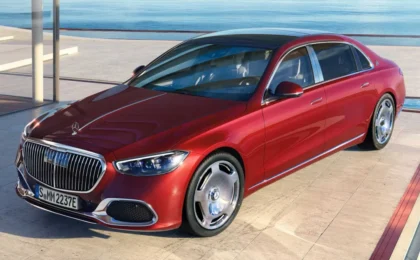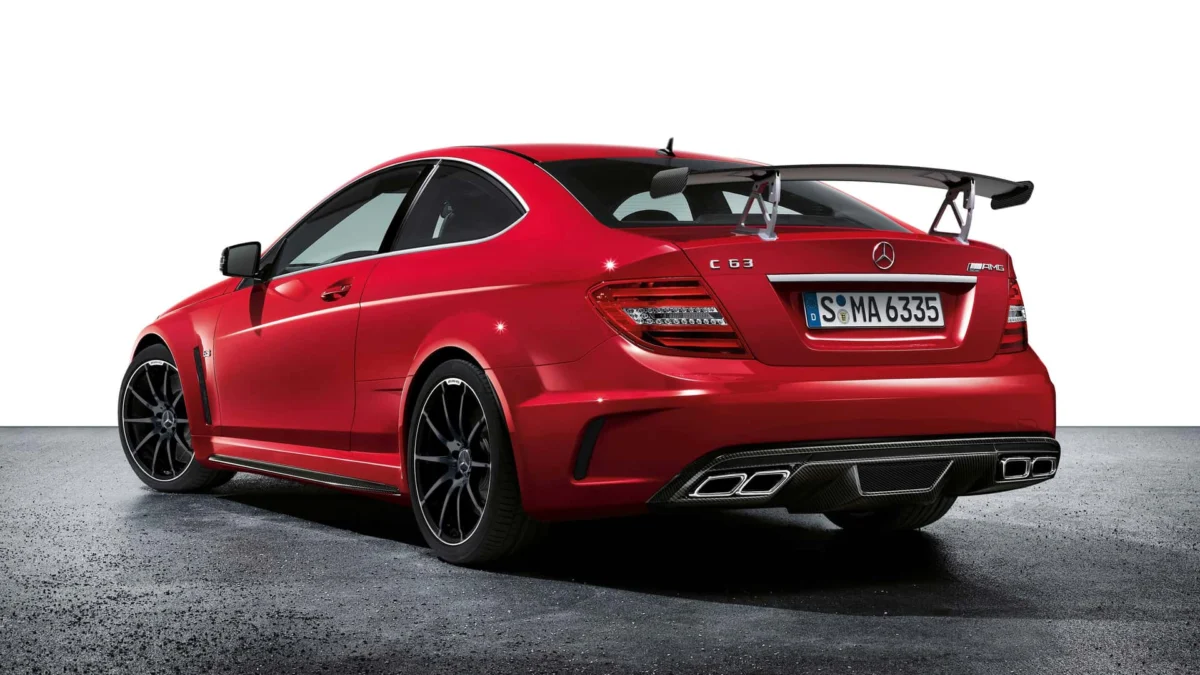
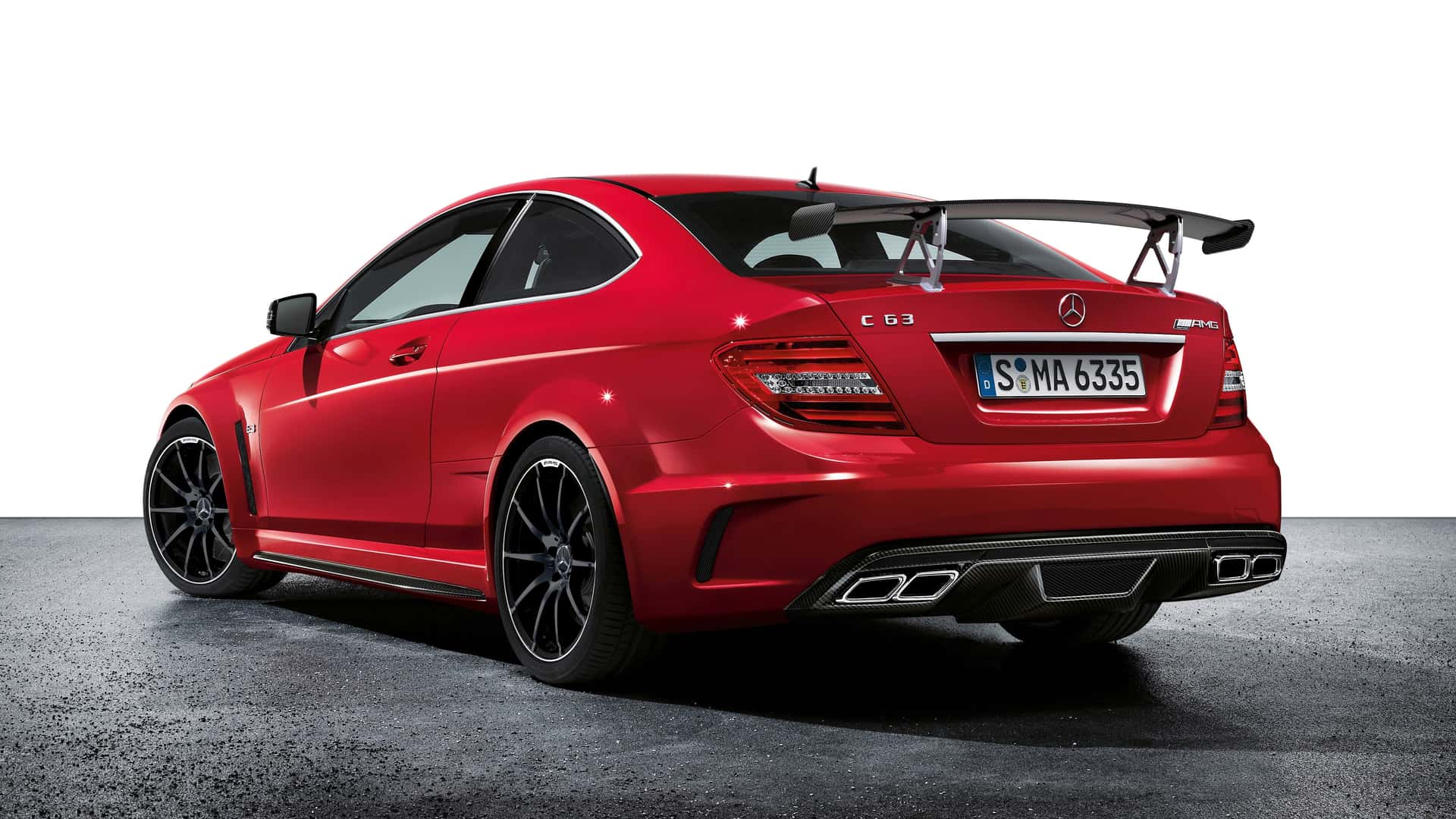
The automotive world is currently witnessing a fascinating tug-of-war between the relentless push for electrification and the enduring, visceral appeal of the internal combustion engine. Nowhere is this more apparent than within the halls of Affalterbach, the spiritual home of Mercedes-AMG. Following a period of aggressive downsizing that saw the brand’s most iconic performance vehicles move to four-cylinder hybrid powertrains, a shift is underway. Mercedes-Benz’s recent deployment of a sophisticated 4.0-liter V8, now gracing the latest flagship S-Class, signals more than just a minor mechanical update—it represents a calculated strategic pivot that may soon breathe new life into the beloved, yet recently absent, C63 and E63 performance icons.
The Core Innovation: A Flat-Plane Crank Revolution
At the heart of the latest S-Class, specifically the S580 variant, lies a redesigned 4.0-liter V8 engine that has enthusiasts and engineers alike taking notice. The standout feature of this power plant is its flat-plane crank configuration—a departure from the traditional cross-plane setup often found in luxury sedans.
In a standard cross-plane V8, the crankpins are spaced at 90-degree intervals, providing smooth operation at the expense of high-RPM responsiveness. The flat-plane crank, however, features a 180-degree configuration, which drastically reduces rotational mass. This engineering choice allows the engine to climb the rev range with a frenetic, supercar-like immediacy. Producing 530 horsepower and 553 pound-feet of torque, this engine is not merely about raw output; it is about the character of the delivery. By optimizing airflow and reducing internal inertia, Mercedes has crafted a machine that feels lighter, sharper, and significantly more aggressive than its predecessors.
Chronology: From Downsizing to Re-evaluation
To understand the significance of this development, one must look at the recent history of the AMG product portfolio.
- 2021-2022: The "Efficiency" Era: Mercedes-Benz, pressured by tightening global emissions regulations, began phasing out its legendary twin-turbo V8s in mid-sized models. The industry watched in disbelief as the high-performance C63 moved to a complex, heavy, four-cylinder plug-in hybrid architecture.
- 2023: Market Backlash: The public response to the four-cylinder C63 was lukewarm at best. Performance enthusiasts, who define the AMG brand by the soul of its engines, felt the loss of the V8’s aural signature and linear power delivery. Simultaneously, the E53 AMG, while technically capable, failed to capture the hearts of the traditional enthusiast demographic, with criticisms centering on lackluster braking systems and a disconnect between the car’s weight and its power source.
- 2024: The S-Class Catalyst: With the introduction of the latest S-Class, Mercedes-Benz engineers proved that they could still refine the internal combustion engine to meet modern standards. This served as a "proof of concept" for the upper management at AMG.
- 2025: The Path Forward: Official statements from Mercedes leadership now confirm that the focus has shifted from "forced electrification at all costs" to a more balanced "demand-driven" approach.
Supporting Data: Why the V8 Still Matters
The market data suggests that while EVs are growing in popularity, the "halo" segment—the high-performance luxury sedan and wagon—remains tethered to the prestige of the V8. When comparing the sales trajectories of competitors, it becomes clear why AMG is rethinking its stance.
Audi’s RS6 Avant has enjoyed unprecedented success in the North American market, proving that there is a massive appetite for high-horsepower, practical performance vehicles. Similarly, BMW has successfully marketed its V8-powered M5 and M3 models as the gold standard for driving dynamics, consistently outperforming Mercedes’ electrified attempts in comparative road tests.
The weight penalty of the current four-cylinder hybrid systems in the C63 is perhaps the most damning statistic. By attempting to match the power of a V8 with a battery pack and electric motor, the car became significantly heavier, compromising the handling characteristics that once defined the C-Class AMG experience. The new V8, by contrast, offers a more favorable power-to-weight ratio that aligns with the brand’s heritage of "One Man, One Engine."
Official Responses and Strategic Intent
Mathias Geisen, a prominent board member at Mercedes-Benz, has offered the most insight into this transition. In a recent dialogue regarding the future of the brand’s powertrain strategy, Geisen emphasized a phased approach.
"One step after the other," Geisen stated. "First, we have to make sure we have a very nice and sophisticated V-8, and of course, we now look into market demand and have some plans of where else to use it."
This statement is being interpreted by industry analysts as a tacit admission that the "four-cylinder-only" strategy was a miscalculation for the performance segment. By using the S-Class as the testbed for this advanced V8, AMG is effectively stress-testing the technology before committing it to the high-demand, high-stress environments of the C63 and E63. The strategy is clear: ensure the V8 meets the stringent Euro 7 and global emissions standards, then deploy it in the models where the customer base is most likely to pay a premium for the heritage and performance.
Implications: The Return of the Wagon King
The potential return of a V8-powered E63 wagon is perhaps the most anticipated development for the brand. For years, the E63 wagon has served as the ultimate "do-it-all" machine—a sleeper capable of supercar speeds with the utility of a family hauler.
If Mercedes-AMG moves forward with this, they will likely employ a hybrid-assist system, not as a replacement for the V8, but as a performance enhancer. By combining the 4.0-liter flat-plane V8 with an electric motor (PHEV), Mercedes could potentially push output figures toward the 700-horsepower mark, effectively neutralizing the performance gap between them and the BMW M5.
This strategy has two massive implications:
- Brand Restoration: It rehabilitates the AMG brand image among traditionalists who felt alienated by the shift to four-cylinder power.
- Market Competitiveness: It allows Mercedes to reclaim the "performance wagon" crown from Audi and ensures that the E-Class platform remains a viable competitor against the rapidly evolving M-division offerings.
The Verdict: A Necessary Course Correction
The automotive industry is rarely a straight line; it is a cycle of innovation, over-correction, and eventual refinement. Mercedes-Benz’s current trajectory suggests they have learned a vital lesson: technology should serve the brand’s identity, not stifle it.
While the future of the automotive landscape is undeniably electric, the immediate future for Mercedes-AMG looks remarkably familiar. The flat-plane V8 is not a relic of the past; it is the cornerstone of the brand’s near-term comeback. As we look toward the next 36 months of product launches, the return of the V8 to the C-Class and E-Class lineups will likely be viewed as the moment Mercedes-Benz finally reconciled its environmental obligations with its engineering soul.
For the enthusiast, the news is simple: the wait for a proper, thundering AMG sedan and wagon is likely coming to an end. The road ahead for Affalterbach is once again being paved with eight cylinders, and for the brand’s most loyal customers, that is a return to form that cannot come soon enough.