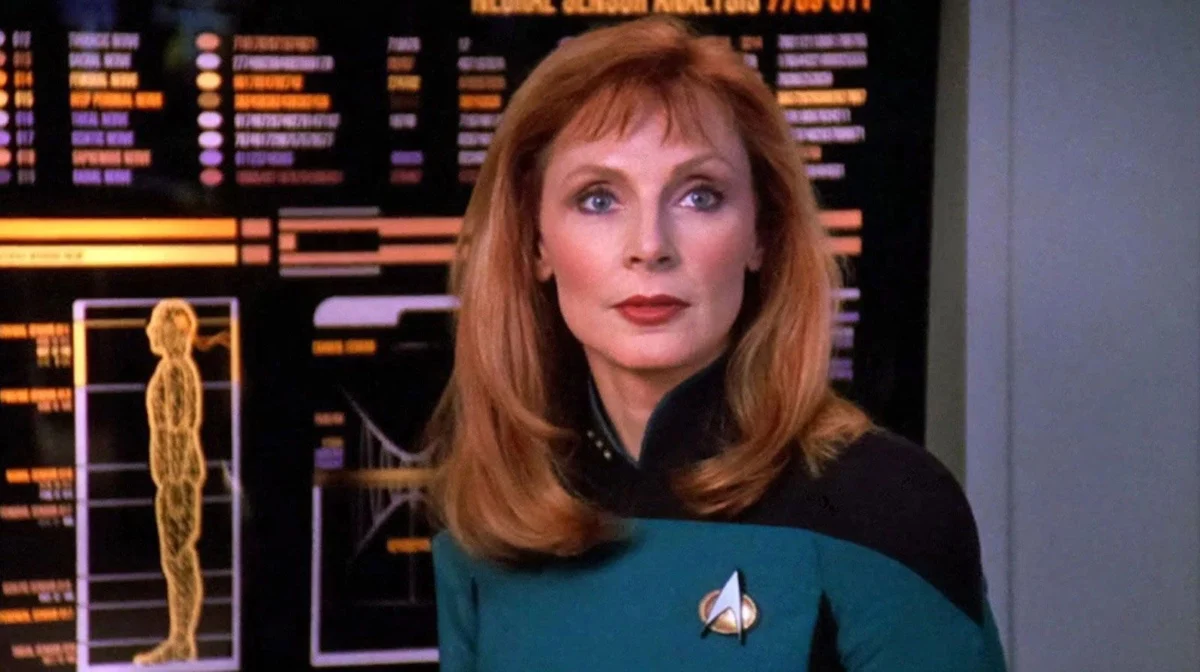
In the annals of television history, few gambles have been as precarious—or as rewarding—as the 1987 premiere of Star Trek: The Next Generation (TNG). For nearly two decades, the name "Star Trek" was synonymous with James T. Kirk, Spock, and Leonard "Bones" McCoy. When Gene Roddenberry announced a return to the final frontier, the skepticism from critics and the die-hard fan base was palpable. Today, as the complete series becomes available for free streaming on Pluto TV, it serves as a timely reminder of how a show once dismissed as a "grim" curiosity became the bedrock of modern science fiction.
The Skepticism of 1987: A Franchise at a Crossroads
When The Next Generation debuted, the landscape of science fiction television was barren. The original series had been off the air since 1969, and while the motion picture franchise was flourishing—Star Trek IV: The Voyage Home had dominated the box office only months prior—the idea of a television revival without the original iconic cast felt sacrilegious to many.
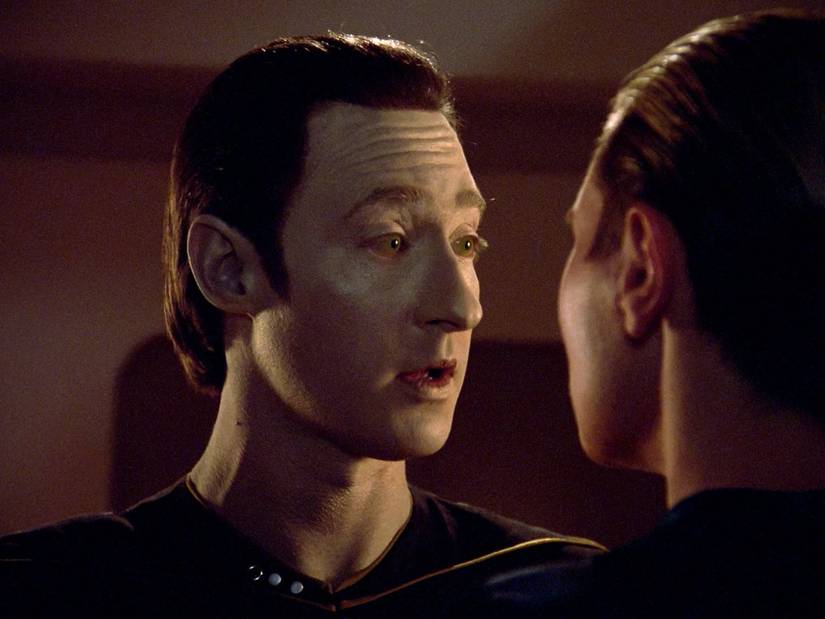
The critical reception was, by modern standards, brutal. Tom Shales of The Washington Post famously skewered the premiere, labeling Jean-Luc Picard "a grim bald crank" who lacked the swagger and charm of William Shatner’s Kirk. The android Data, portrayed by Brent Spiner, was dismissed as a "San Francisco street mime." These early critiques reflected a fundamental misunderstanding of what the new show intended to do: it wasn’t trying to replicate the swashbuckling adventures of the 1960s; it was attempting to evolve the concept of humanism in space.
Chronology of a Transformation: From Uneven Start to Cultural Icon
The journey of TNG was not an overnight success; it was a slow-burn evolution that spanned seven seasons.

- The Rocky Departure (1987-1988): The first season is now widely regarded by fans and critics alike as an exercise in growing pains. The writers were caught in a tug-of-war between the past and the future. Episodes like "The Naked Now" felt like pale imitations of the original series, while the notoriously ill-conceived "Code of Honor" remains a low point in the franchise’s history.
- Finding the Voice (1989-1990): By the third season, a shift occurred. The departure of series creator Gene Roddenberry from day-to-day operations and the arrival of visionary producers like Michael Piller allowed the show to move away from rigid moralizing toward character-driven drama.
- The Golden Age (1991-1994): During the latter half of its run, TNG produced some of the most profound hours of television in the 20th century. Episodes such as "The Measure of a Man," which interrogated the legal rights of artificial life, and "The Inner Light," which explored the tragedy of memory and identity, cemented the show’s reputation as a cerebral powerhouse.
Supporting Data: Why The Next Generation Still Matters
What makes TNG the most "important" show in the franchise isn’t just its ratings, which grew steadily throughout its run, but its endurance in the cultural zeitgeist. According to industry analytics, TNG consistently ranks as the most re-watched series in the Star Trek catalog.
The show’s success proved that the Star Trek brand was larger than its actors. It transitioned from a character-centric adventure serial to a "universe-based" franchise. This shift allowed for the creation of Deep Space Nine, Voyager, and Enterprise. By establishing a set of "Starfleet values"—diplomacy over conflict, curiosity over conquest—TNG created a structural blueprint that allowed subsequent series to deviate in tone while remaining tethered to the same moral universe.
Official Perspectives: The Evolution of Picard
The growth of Jean-Luc Picard is perhaps the best lens through which to view the show’s success. Patrick Stewart, a classically trained Shakespearean actor, initially struggled to find his footing in a medium he viewed as temporary. However, he eventually infused the character with a stoic, intellectual depth that stood in stark contrast to the action-hero tropes of the 1980s.
In later reflections, the cast and crew have noted that the show’s "family dynamic" was the secret sauce. While the original series was a triumvirate of three friends, TNG was an ensemble piece. It allowed for the development of Worf (the first Klingon in Starfleet), whose presence challenged the audience to reconsider their biases against the franchise’s former antagonists. This level of nuanced storytelling was unprecedented for a syndicated science fiction show in the late 80s.

The Implications of the Pluto TV Streaming Availability
The arrival of The Next Generation on a free, ad-supported platform like Pluto TV has significant implications for how we view the "streaming wars" of 2026. As subscription costs for premium services continue to rise, the availability of high-quality, long-form content for free signals a shift in strategy for legacy media owners like Paramount.
By making TNG free, the studio is betting on "nostalgia-seeding." They aren’t just providing content; they are maintaining the relevance of the Star Trek IP for a new generation of viewers who may have grown up on Discovery or Strange New Worlds. If a new fan watches a marathon of TNG on Pluto, they are more likely to subscribe to a premium service to catch up on the newer, modern iterations of the franchise.
A Blueprint for the Future
The legacy of The Next Generation is best summarized by its ability to survive its own failures. It proved that a series could be uneven, that it could face harsh criticism, and that it could still emerge as a pillar of pop culture. It taught the industry that the "Star Trek" brand could survive without the original faces, provided the core philosophy remained intact.
When we watch the bridge of the Enterprise-D today, we aren’t just watching a show about a spaceship. We are watching the moment the franchise grew up. It traded the pistol-whipping, alien-punching antics of the past for a more mature, thoughtful approach to exploration.
Whether you are a longtime Trekkie who remembers the 1987 premiere or a younger viewer discovering the series for the first time, the availability of these seven seasons is a gift. It is a chance to revisit the show that, against all odds, taught us that the most interesting final frontier wasn’t just space—it was the human potential to grow, learn, and change.
As we look toward the future of the franchise, with new horror-tinged projects and complex serialized narratives on the horizon, we owe a debt of gratitude to the crew of the Enterprise-D. They were the ones who proved that, in the vast, cold vacuum of space, humanity’s best asset was its willingness to keep moving forward, even when the critics said it couldn’t be done.