As the 2026 college football season approaches, the landscape of the Football Bowl Subdivision (FBS) resembles a high-stakes game of musical chairs. With the expansion of the College Football Playoff and the evolving dynamics of Name, Image, and Likeness (NIL) collectives, the margin for error has evaporated. According to the latest CBS Sports "Hot Seat" rankings, while the majority of programs enjoy a sense of stability, a select group of coaches finds themselves standing on the precipice of professional oblivion.
In an annual tradition that serves as a pulse check for the sport’s most volatile profession, a panel of ten CBS Sports experts has evaluated the job security of all 138 FBS head coaches. The results reveal a clear divide: the "untouchables," who have earned long-term goodwill, and the "imperiled," who must deliver immediate results or face the inevitability of a mid-season or post-season pink slip.
The Triple Threat: The 5.0 "Win-or-Be-Fired" Tier
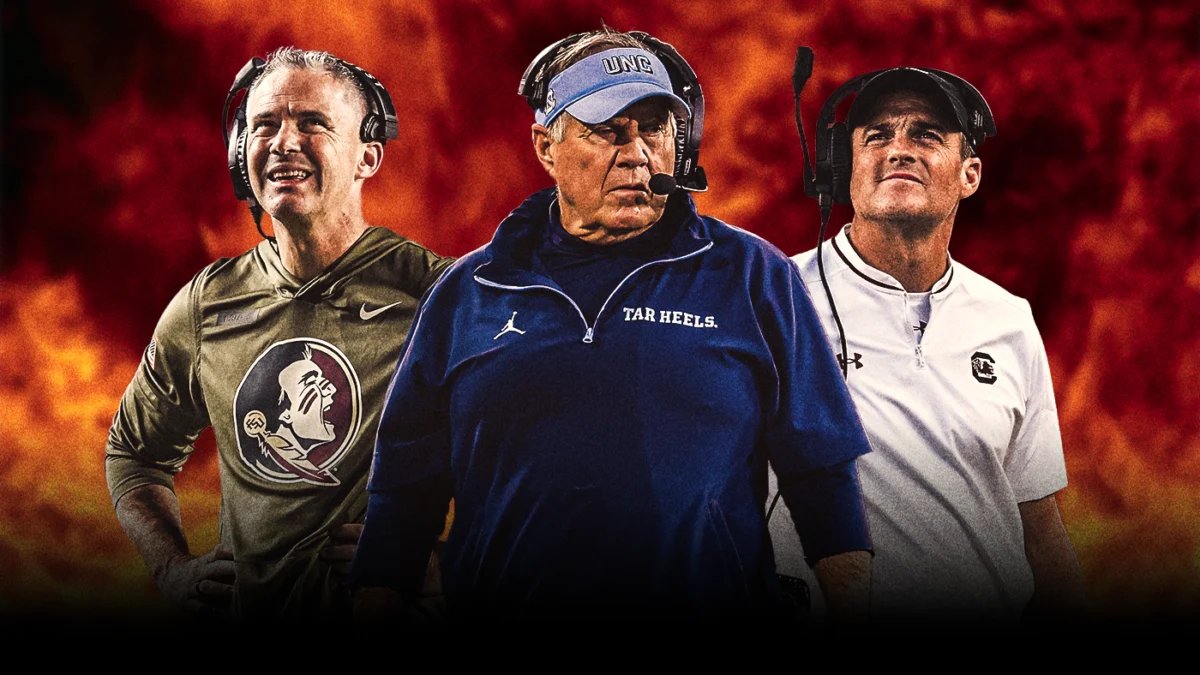
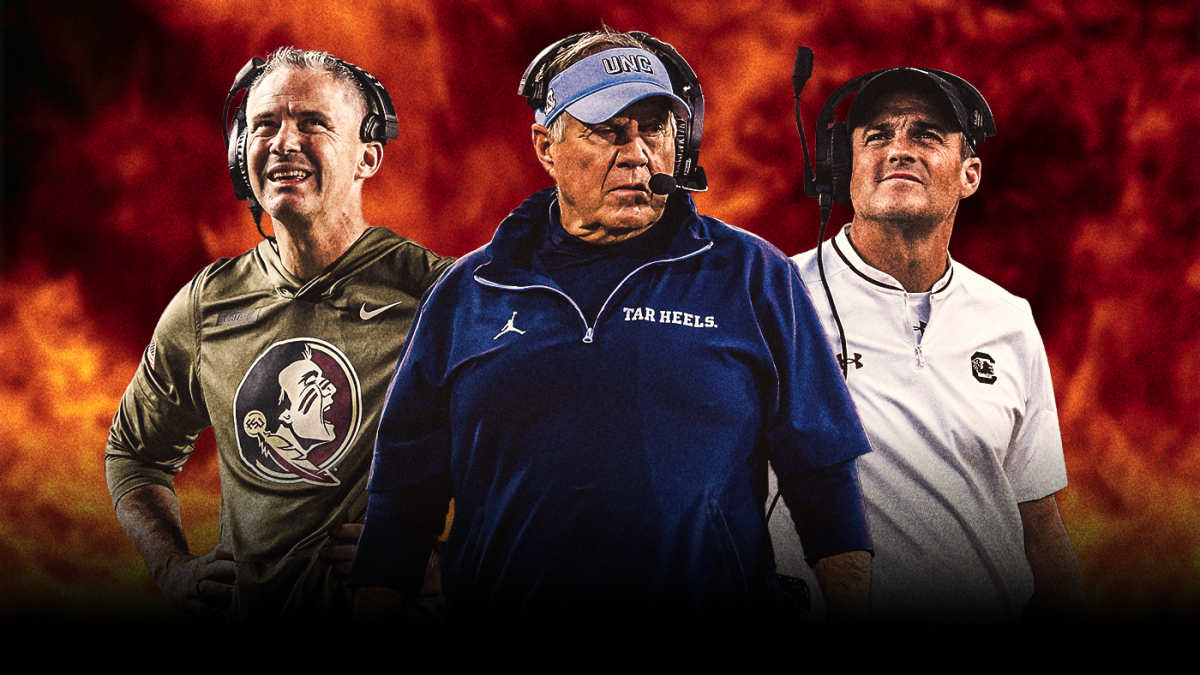
The most alarming designation in the 2026 rankings is the 5.0 rating—a unanimous consensus among the panel that a coach’s tenure is effectively hanging by a thread. This year, three prominent power-conference leaders occupy this precarious position: Florida State’s Mike Norvell, Wisconsin’s Luke Fickell, and Baylor’s Dave Aranda.
For these three, the 2026 season is not merely a collection of games; it is a referendum on their viability as program leaders.
- Mike Norvell (Florida State): Having navigated the turbulent waters of the ACC, Norvell’s ability to stabilize the Seminoles’ roster in the face of portal raids and recruitment challenges will be tested. The expectations at FSU remain championship-caliber, and anything less than a significant turnaround from recent struggles will likely lead to a leadership transition.
- Luke Fickell (Wisconsin): Hailed as a miracle worker at Cincinnati, Fickell’s tenure in Madison has been met with skepticism as the Badgers have struggled to find a consistent offensive identity. The pressure is mounting to prove that his "Air Raid-lite" evolution fits the traditional Wisconsin blueprint.
- Dave Aranda (Baylor): Known for his defensive acumen, Aranda has seen his seat warm as the Bears have struggled to sustain the success of their 2021 Big 12 championship run. With recruiting momentum shifting, the administration is reportedly looking for a tangible reason to keep the faith.
Chronology of the Carousel: Why History Suggests Impending Doom
The correlation between a high hot-seat rating and actual coaching casualties is statistically significant. Recent history serves as a grim warning for those currently sitting at the top of the list.
During the 2025 cycle, the data was stark: five of the eight coaches who entered the season with a hot-seat rating of 4.1 or higher were dismissed before the end of the calendar year. Names like Hugh Freeze, Sam Pittman, and Mike Gundy were once considered cornerstones of their respective programs, only to be swept away by the tide of underperformance.
However, the "Hot Seat" is not a death sentence; it is a wake-up call. The panel’s report highlights the duality of the situation by pointing to success stories like Oklahoma’s Brent Venables and Arizona’s Brent Brennan. Both entered their respective seasons under immense scrutiny but managed to "reverse the narrative" through strategic roster management and on-field execution, effectively cooling their seats for the 2026 season.
The Myth of Security
Conversely, the rankings caution fans and administrators alike that low ratings are no guarantee of job safety. The 2025 season provided a sobering lesson in the volatility of the sport. Brian Kelly entered the season with a relatively modest 3.33 rating but was relieved of his duties midway through the campaign. Even more shocking was the case of Penn State’s James Franklin, who was fired despite holding a low 1.33 preseason rating. These outliers serve as a reminder that off-field factors, internal administrative shifts, and locker room dynamics can accelerate a firing timeline regardless of a coach’s perceived standing.
Supporting Data: Understanding the Scale
The CBS Sports methodology relies on a 0-to-5 scale, calculated by averaging the evaluations of ten veteran college football writers: Matt Zenitz, Shehan Jeyarajah, Brandon Marcello, John Talty, Tom Fornelli, Chris Hummer, Chip Patterson, Austin Nivison, Cody Nagel, and Brad Crawford.
| Rating | Classification | Number of Coaches |
|---|---|---|
| 5.0 | Win or be fired | 3 |
| 4.0 – 4.99 | Start improving now | 3 |
| 3.0 – 3.99 | Pressure is mounting | 14 |
| 2.0 – 2.99 | All good… for now | 23 |
| 1.0 – 1.99 | Safe and secure | 48 |
| 0.0 – 0.99 | Untouchable | 47 |
The concentration of coaches in the "Safe and Secure" and "Untouchable" categories (95 in total) suggests that the vast majority of the FBS landscape is experiencing a period of relative calm. However, the 20 coaches occupying the top three tiers represent a significant portion of the league where the "coaching carousel" is primed to spin.
Implications: The Financial and Strategic Cost of Change
When a coach is fired, the ripple effects are felt throughout the entire athletic department. Beyond the obvious buyout clauses—which can reach tens of millions of dollars—there is the human element of staff displacement, recruiting class attrition, and the loss of institutional knowledge.
For schools like Maryland (with Mike Locksley hovering at a 4.9 rating), South Carolina (Shane Beamer at 4.3), and North Carolina (where Bill Belichick has entered the fray at 4.1), the 2026 season represents a critical junction. The implication of a firing is rarely just about the head coach; it is about the long-term viability of the program’s financial standing and the stability of its NIL infrastructure.
The Cumbie Case Study
The experts point to Sonny Cumbie at Louisiana Tech as the blueprint for survival. Entering 2025 with a "5.0" rating, Cumbie didn’t just fold under the pressure. He led the Bulldogs to a fourth-place finish in Conference USA and secured an Independence Bowl victory. While he still faces moderate pressure heading into this year with a 3.2 rating, he remains employed—a testament to the fact that high-pressure situations can sometimes force the necessary adjustments to salvage a career.
Looking Forward: The 2026 Season Outlook
As kickoff approaches, the coaching community is braced for the inevitable. The influence of the transfer portal means that a coach’s roster can look entirely different from one year to the next, making the "rebuild" timeline shorter than ever.
For the coaches at the top of the CBS list, the message from the expert panel is clear: silence the critics with wins, or become a case study for the next cycle. The 2026 season will not just determine bowl game berths and conference champions; it will determine which of these men will remain in the profession, and which will be left looking for a new path.
The data provided by the CBS Sports panel remains the gold standard for tracking this instability. As we move into the season, the focus will shift from the boardrooms and pollsters to the gridiron, where the only metric that truly matters—the final score—will dictate who remains in the "hot seat" and who moves on to the next chapter of their career.