In the world of outdoor cooking, few debates stir as much passion as the rivalry between the grill and the griddle. For the home chef, the decision between these two powerhouses is more than just a matter of shopping; it is a fundamental choice about how heat interacts with protein, how fat renders, and what flavor profile will define the final dish. While both appliances can transform raw ingredients into mouthwatering meals, they utilize entirely different thermodynamic principles. Understanding these differences is the key to elevating your cooking from merely functional to truly transformative.
Main Facts: The Structural Divide
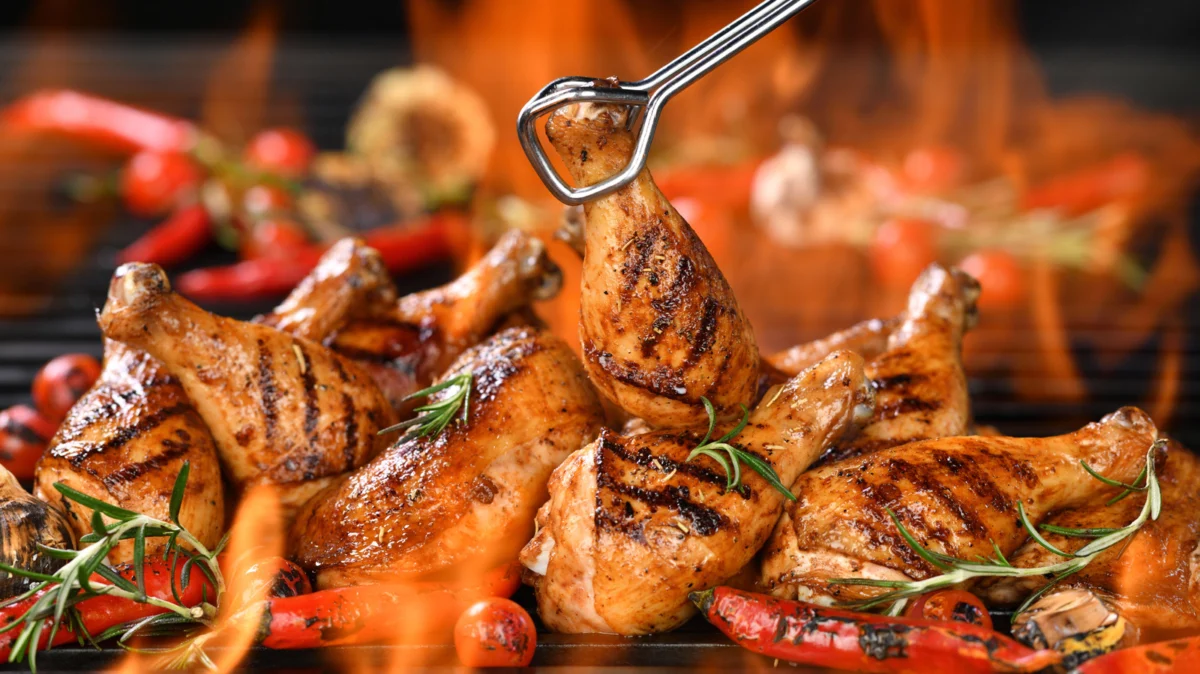
At its core, the difference between a grill and a griddle lies in the cooking surface and the method of heat transfer. A grill utilizes open grates suspended over a heat source—whether that be charcoal briquettes, natural wood, or gas burners. This configuration allows for "flame-kissed" cooking, where drippings fall onto the heat source, vaporize, and rise back up to infuse the food with a characteristic smoky essence.
Conversely, a griddle—often referred to as a flattop—is a continuous, solid metal surface. Whether made from seasoned cast iron, heavy-duty carbon steel, or cold-rolled steel, the griddle provides a uniform, conductive platform. Because there are no grates, the food sits in direct, constant contact with the hot metal, facilitating a process known as the Maillard reaction across the entire surface area of the food, rather than just the areas touching the grill bars.
Materiality and Maintenance
The longevity and performance of these units depend heavily on their construction. Griddles, particularly popular outdoor models like the Blackstone, require a process called "seasoning." By heating oil to its smoke point repeatedly, the chef builds a polymerized layer of fat that acts as a natural non-stick coating. This surface is remarkably easy to scrape clean after use, as debris remains on the flat plane rather than falling into the crevices of a firebox.
Grills, however, present a more complex maintenance challenge. The grates—whether stainless steel or cast iron—are prone to carbon buildup. Because grease and food particles can fall into the burner housings or the base of the grill, cleaning is a labor-intensive process. Many home cooks fail to address the "hidden" areas, such as the flavorizer bars or the underside of the lid, which can lead to flare-ups or uneven heat distribution over time.
Chronology: The Evolution of Heat
To understand why we use these tools today, one must look at the historical context of heat application in human civilization.
The Era of the Open Flame
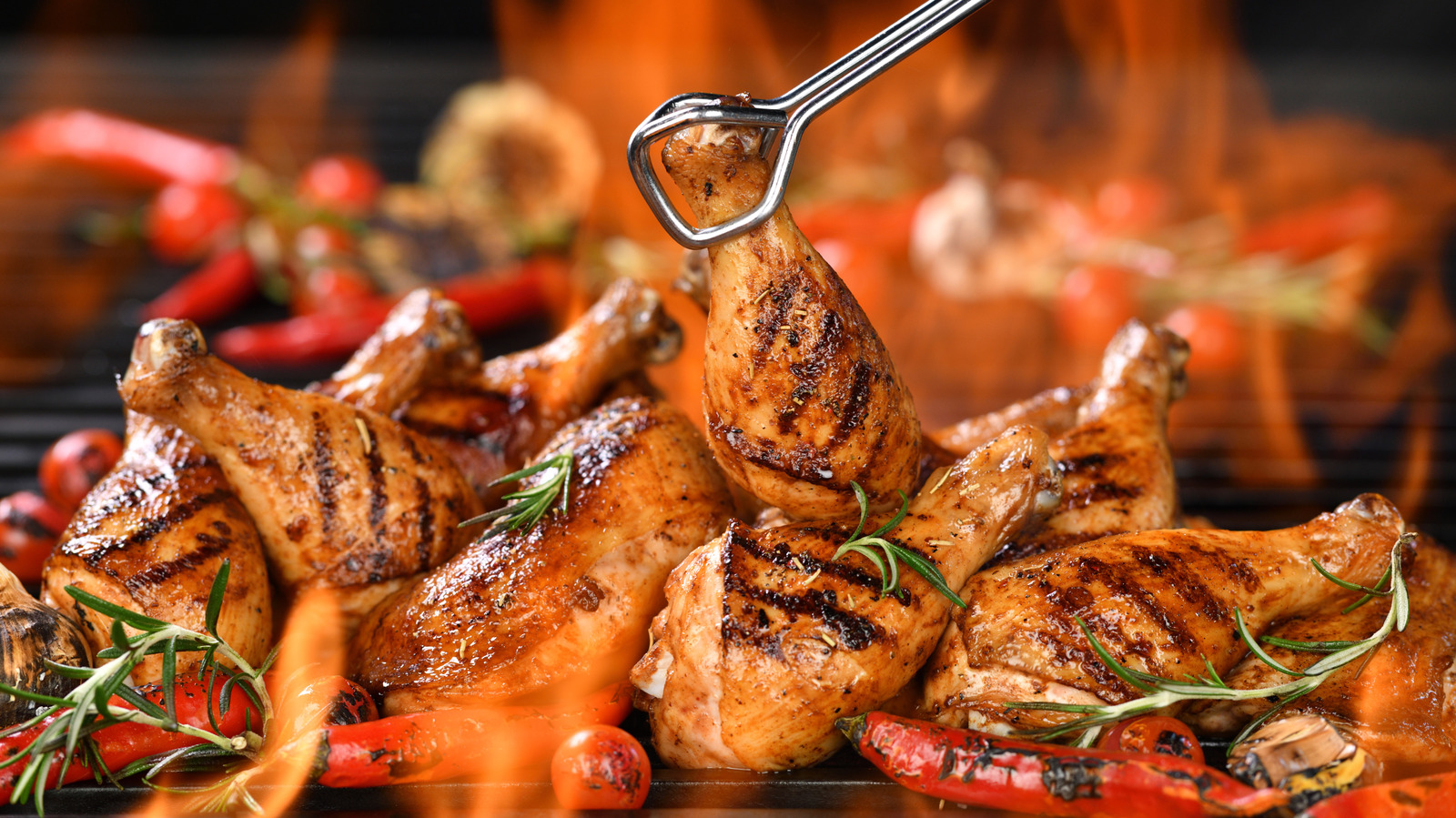
Grilling is arguably the oldest form of cooking. The concept of suspending meat over an open flame was a necessity of survival. Throughout the 20th century, the American backyard grill became a symbol of social status and leisure, transitioning from simple masonry fire pits to sophisticated, multi-burner gas units. The grill evolved to favor speed and that distinct, charred texture that home cooks associate with high-heat searing.
The Rise of the Flattop
The griddle, meanwhile, found its cultural home in the American diner. Throughout the mid-20th century, the "short-order cook" mastered the art of the flattop, using its consistent surface area to manage a high volume of orders simultaneously—pancakes, eggs, and patty melts all sharing the same hot metal stage. It wasn’t until the late 20th and early 21st centuries that high-performance, residential-sized flattop griddles made the leap from professional kitchens to backyard patios, fueled by a growing consumer interest in "smashburger" culture and versatile outdoor cooking.
Supporting Data: Thermodynamic Performance and Utility
When evaluating which tool is "better," one must look at the data regarding heat distribution and moisture management.
Heat Distribution
- The Griddle: Offers superior thermal mass. Once a heavy-duty steel griddle is brought to temperature, it retains that heat exceptionally well. The surface temperature is consistent from corner to corner, allowing the chef to cook delicate items like scallops or thinly sliced vegetables without fear of them falling through grates.
- The Grill: Creates "heat zones." Because the heat is concentrated around the burners or coals, a grill allows for "two-zone" cooking—a direct high-heat area for searing and an indirect low-heat area for finishing thicker cuts of meat. This makes the grill more effective for large roasts that require long, slow cooking times.
Flavor and Texture
The grill reigns supreme when the goal is a smoky, carbonized exterior. The interaction between the drippings and the fire creates volatile organic compounds that give grilled food its signature "BBQ" flavor. The griddle, however, excels at creating a uniform, caramelized crust. Because the food cooks in its own juices and rendered fat, the griddle produces a richer, more "basted" flavor, which is why it has become the gold standard for smashburgers.
Official Perspectives and Expert Consensus
Culinary professionals often argue that the choice between a grill and a griddle should be dictated by the specific "mission" of the meal.
"If you are looking for that campfire essence, you simply cannot replace the grill," says culinary consultant and chef-instructor Marcus Thorne. "But if you are looking for the kind of texture you find on a high-end restaurant burger, or if you want to cook a full breakfast for a crowd, the griddle is mathematically superior because of its surface contact. It is not a matter of one being better than the other; it is a matter of the desired result."
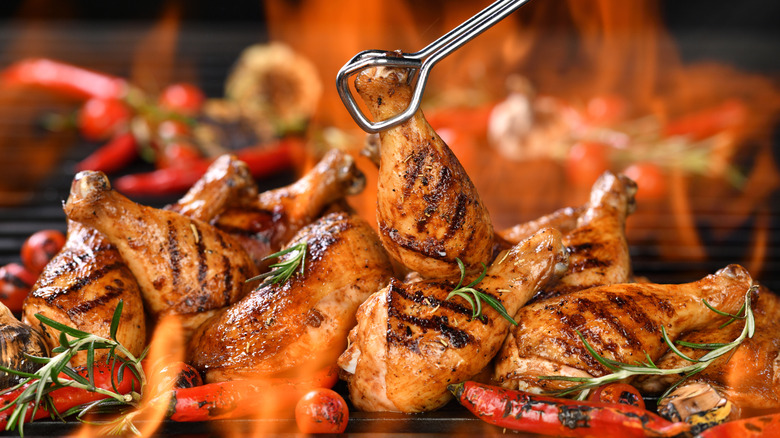
Industry experts also point to the "confidence factor." Grilling is an active, high-alert process. The chef must constantly manage flame flare-ups and monitor for overcooking due to the intensity of direct heat. Griddling is more forgiving and methodical, allowing for a more controlled pace of cooking.
Implications for the Modern Home Chef
Choosing the right appliance has significant implications for your kitchen workflow and your menu planning.
The Versatility Factor
If your household enjoys a diverse menu—ranging from stir-fries and fried rice to delicate fish and smashburgers—a griddle is arguably the more versatile investment. Its flat surface is essentially an outdoor extension of your indoor stovetop, but with the added benefit of a much larger surface area and the ability to handle high-fat, high-mess cooking that you might avoid in your indoor kitchen.
If, however, your outdoor cooking is primarily focused on proteins—steaks, chicken breasts, and ribs—the grill remains the essential tool. Its ability to provide distinct grill marks (which provide textural contrast) and that unmistakable smoky flavor profile makes it the cornerstone of the traditional backyard experience.
The Decision Matrix
To summarize the implications for your next purchase:
- Choose a Grill if: You value the smoky, charcoal-infused flavor profile, you frequently cook large roasts or whole chickens that require indirect heat, and you enjoy the ritual of working with an open flame.
- Choose a Griddle if: You prioritize consistency, you want to cook foods that would otherwise fall through grates (like diced vegetables or thin-cut meats), you love the "diner-style" smashburger, and you appreciate the ease of a uniform, easy-to-scrape cleaning surface.
Ultimately, the rivalry between the grill and the griddle is one of the most exciting developments in modern home cooking. We are no longer limited to the charcoal-versus-gas debate of the 1990s; we now live in an era of culinary hybridization. Many enthusiasts have begun to adopt a "dual-wielding" approach, keeping a small charcoal grill for the occasional sear and a dedicated griddle for everyday meal preparation. Regardless of which path you choose, the key to mastery lies in understanding the science of the surface—because once you know how the heat works, you can finally make the ingredients work for you.