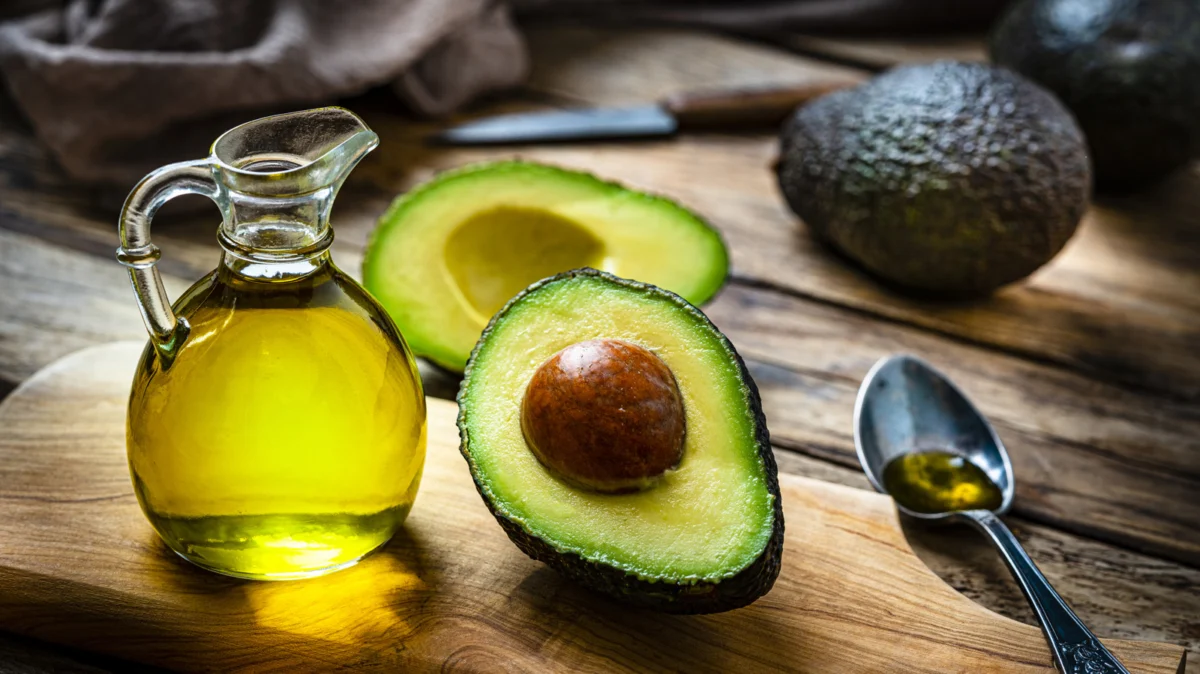
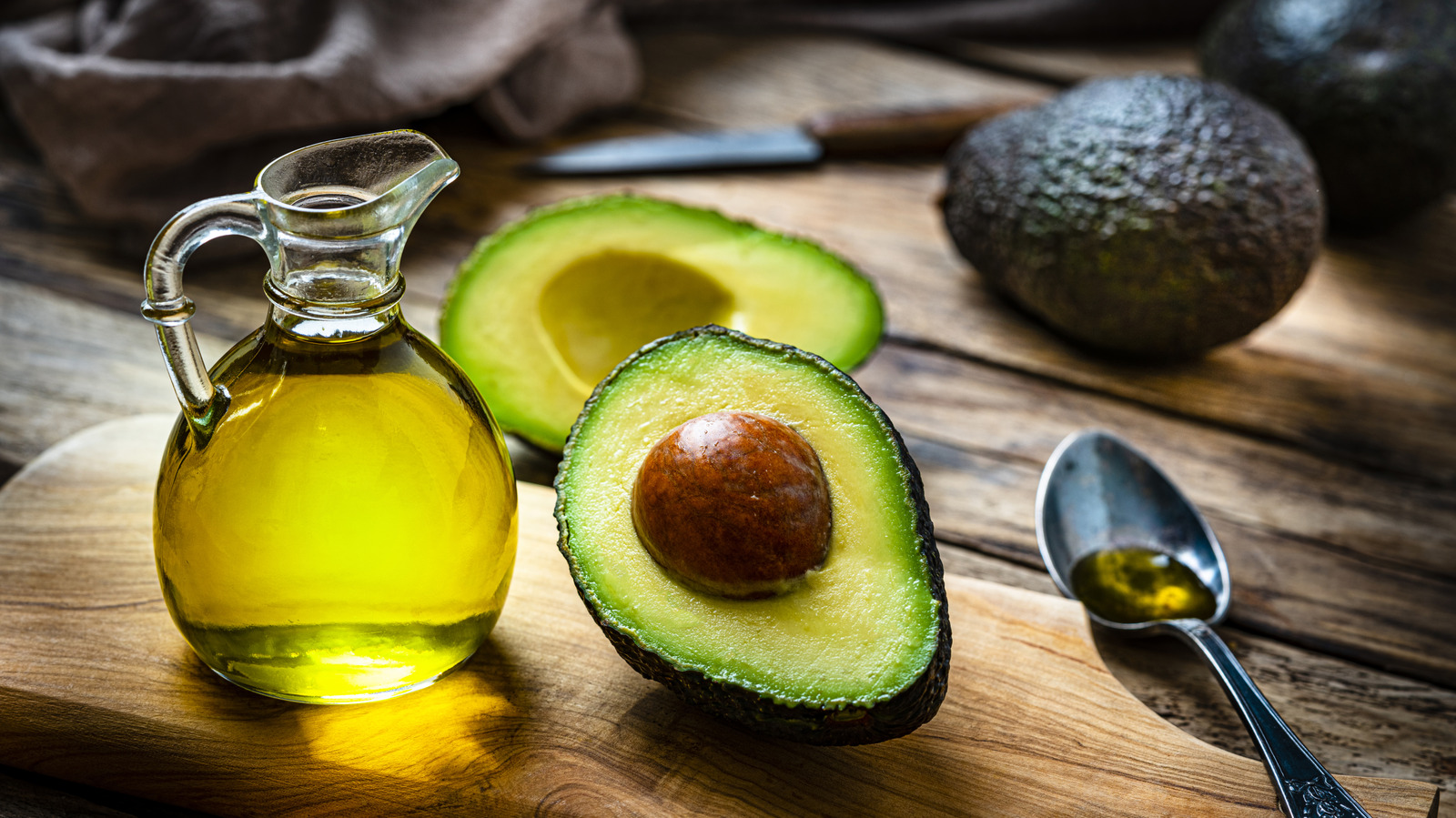
For years, health-conscious consumers have been steered away from industrial seed oils and toward the perceived purity of avocado oil. Prized for its high smoke point and heart-healthy monounsaturated fats, avocado oil has become a staple in the pantries of those following Paleo, Whole30, and Mediterranean-style diets. However, a startling new investigation suggests that the "avocado gold" you are buying—and paying a premium for—may be little more than a diluted imposter.
A landmark 2026 study published in the journal Applied Food Research has sent shockwaves through the food industry, revealing that a staggering 88% of products labeled as being made with avocado oil fail to meet basic chemical markers for authenticity. For consumers who have traded cheaper canola or soybean oils for avocado oil to support their health, these findings represent a significant breach of trust.
The Findings: A Chemical Mismatch
The study, led by Selina Wang, a professor of food science at the University of California, Davis, analyzed 54 commercial products, ranging from bottled oils to snacks like potato chips. The criteria for the testing were rigorous: researchers looked for specific fatty acid profiles and plant sterol compositions that are unique to the Persea americana fruit.
The results were damning. Of the 54 products tested, 48 showed chemical profiles that were inconsistent with pure avocado oil. In many cases, the samples contained high levels of compounds typically found in soybean or sunflower oils—cheaper alternatives that are frequently used as "fillers" to lower production costs.
"If you’re buying avocado oil products, it’s very likely that you’re not getting what you’re paying for," Dr. Wang stated in an interview with NPR. The study suggests that many manufacturers are either blending these expensive oils with low-cost alternatives or substituting them entirely, while maintaining the premium branding and pricing associated with avocado oil.
A Chronology of Deception
The suspicion surrounding the avocado oil industry did not emerge overnight. The path to this discovery has been marked by years of anecdotal evidence and consumer skepticism:
- 2020-2023: Early reports from independent food testers and consumer watchdogs began noting that some avocado oils on supermarket shelves lacked the characteristic aroma and flavor profile of the raw fruit, often appearing unnaturally clear and scentless.
- 2024: Online communities, particularly on platforms like Reddit, began to host growing threads of users questioning the "Avocado Oil" labels on popular snack brands, citing inconsistencies in how the products reacted to heat and their overall nutritional impact.
- 2025: Researchers at UC Davis initiated a comprehensive, double-blind study to establish a baseline for "authentic" avocado oil, creating a standardized testing protocol to compare against off-the-shelf products.
- July 2026: The Applied Food Research study is published, providing the first peer-reviewed, scientific evidence of widespread label fraud in the avocado oil market.
Supporting Data: Why "Refined" Isn’t an Excuse
One of the primary defenses often offered by manufacturers is the "RBD" process—Refined, Bleached, and Deodorized. Companies claim that this intensive processing is necessary to make the oil shelf-stable and neutral in flavor for snack manufacturing.
However, the UC Davis study specifically accounted for these processing methods. Dr. Wang’s team found that while refining can strip away certain volatile flavor compounds, it does not alter the fundamental fatty acid and sterol markers that define the oil’s origin.
In one notable example, the study examined Boulder Canyon kettle chips, a product previously popular among clean-eating advocates. When challenged regarding their ingredients, company representatives cited the use of RBD avocado oil. Yet, the chemical analysis indicated that the oils used in these products did not align with the molecular structure of avocado oil. The study’s findings suggest that even accounting for the "whitewashing" effect of the refining process, the oils in question contained additives or substitutions that go far beyond standard industrial refinement.
The Winners and Losers of the Audit
The study did not paint every brand with the same brush. Transparency in the supply chain remains a key differentiator.
- The Standouts: One notable success story from the report was the brand "Grove." Researchers tested two different sauces sold under the "AvoYeah!" label, and both products returned results that were perfectly consistent with authentic, pure avocado oil. This indicates that it is entirely possible to manufacture and distribute authentic products; it is simply a matter of corporate integrity and supply chain management.
- The Inconsistent Performers: The study noted that consistency was a major issue even within brands. Researchers tested two samples of the same product from certain brands and received conflicting results. One sample might show pure avocado oil, while the second showed signs of heavy dilution. This suggests that some manufacturers may be sourcing their oil from multiple suppliers, leading to a "lottery" effect where the consumer never knows if they are getting the real thing or a blend.
Implications for the Health-Conscious Consumer
The implications of this study are far-reaching, affecting both the wallet and the health of the consumer.
Financial Deception
Avocado oil commands a significant price premium over soybean, corn, and canola oils. When a manufacturer labels a product as "Made with Avocado Oil," they are marketing a premium health benefit. If the product is actually composed of 70% soybean oil, the consumer is effectively being overcharged for a cheap commodity masked by a "health halo."
The "Hidden" Seed Oil Problem
Many consumers purchase avocado oil products specifically to avoid inflammatory seed oils like soybean or sunflower oil. For individuals with specific dietary sensitivities or those adhering to strict elimination diets, the presence of these hidden oils is not just a financial issue—it is a health issue. If a consumer with an allergy or a strict autoimmune protocol unknowingly consumes a product containing hidden soybean oil, the consequences could be significant.
Regulatory Vacuum
The core of the problem lies in the current lack of strict regulatory standards for "avocado oil" labeling. Unlike extra virgin olive oil, which has a long history of international standard-setting and certification, the avocado oil market is still the "Wild West." Without standardized testing requirements at the point of import or manufacture, there is little incentive for companies to verify the purity of their oil shipments.
Looking Ahead: How to Protect Your Pantry
While the findings are discouraging, they serve as a necessary wake-up call for the food industry and the public. To navigate this murky landscape, experts suggest the following:
- Prioritize Transparency: Look for brands that provide third-party lab reports or batch-specific transparency on their websites.
- Be Skeptical of "Snack" Labels: Be aware that processed snacks are the most likely candidates for oil dilution. It is often safer to buy pure, bottled avocado oil from reputable, specialty producers than to trust the oil used in mass-produced fried foods.
- Check for Certification: As the industry reacts to this news, we expect to see more third-party "Authenticity Seals" appearing on packaging. Support brands that take the initiative to certify their products.
The UC Davis study is a milestone in food science, highlighting that the "healthy" labels on our grocery store shelves are not always what they seem. As consumers, our purchasing power is the strongest tool we have to demand accountability. By choosing brands that are backed by transparent data—like the consistent results seen with the AvoYeah! line—we can push the industry toward a standard of honesty that puts quality back into our kitchens.