As the automotive industry undergoes its most significant transformation since the invention of the assembly line, a quiet but urgent conversation is emerging from the shadows of the workshop. While automakers race to pack vehicles with cutting-edge software, high-voltage architectures, and complex sensors, a fundamental question is being overlooked: How long will these cars actually stay on the road?
Bosch Mobility Aftermarket chief Rupert Hoellbacher has issued a stark warning that the shift toward electric vehicles (EVs) risks creating a "disposable" car culture. If the industry fails to prioritize repairability over complexity, the economic reality of maintaining aging electric vehicles could lead to premature retirement for millions of cars, transforming engineering marvels into expensive scrap metal.
The Economic Cliff: Why Repair Costs Dictate Survival
To understand the crisis, one must distinguish between a car’s "mechanical lifespan" and its "economic lifespan." A vehicle might be capable of operating for decades, provided it receives regular maintenance. However, the decision to keep a car is almost always governed by an economic calculation. When the cost of a necessary repair—such as replacing a failed battery pack or a proprietary central computer—approaches or exceeds the residual value of the vehicle, the owner faces an inevitable choice: pay for the repair and effectively lose money, or send the car to the scrapyard.
Historically, the automotive aftermarket has been remarkably efficient at preventing this outcome. For combustion-engine vehicles, a vast ecosystem of independent mechanics, remanufacturers, and aftermarket parts suppliers ensures that a ten-year-old car can be kept running for a fraction of the cost of a new purchase. You can rebuild a transmission, swap an alternator, or replace a catalytic converter without needing a direct line to the manufacturer’s corporate headquarters.
Electric vehicles, however, present a significantly different challenge. The primary culprit is the battery pack, which represents the single most expensive component of an EV. If an out-of-warranty battery fails and the only solution provided by the manufacturer is a full-pack replacement costing tens of thousands of dollars, the car’s economic life is effectively over.
Chronology of the Crisis: From Simplicity to Complexity
The evolution of the automobile has been a slow climb toward greater complexity, but the pace has accelerated exponentially in the last decade.
- The Mechanical Era (Pre-1990s): Cars were primarily mechanical. Repairs were intuitive, and parts were standardized across brands.
- The Electronic Integration (1990s–2010s): Manufacturers began introducing Engine Control Units (ECUs) and proprietary sensors. While this improved efficiency, it necessitated the rise of diagnostic software.
- The High-Voltage Transition (2015–Present): With the mass-market adoption of EVs, vehicles have moved toward integrated high-voltage platforms. These systems are often "black-boxed" by manufacturers, making it difficult for independent repair shops to access the internal architecture.
- The Current Outlook (2025 and Beyond): We are now at a crossroads. As the first wave of mass-market EVs reaches the 10-year mark, the aftermarket is discovering that many of these vehicles were designed for assembly, not for disassembly.
Supporting Data: The Battery Repair Potential
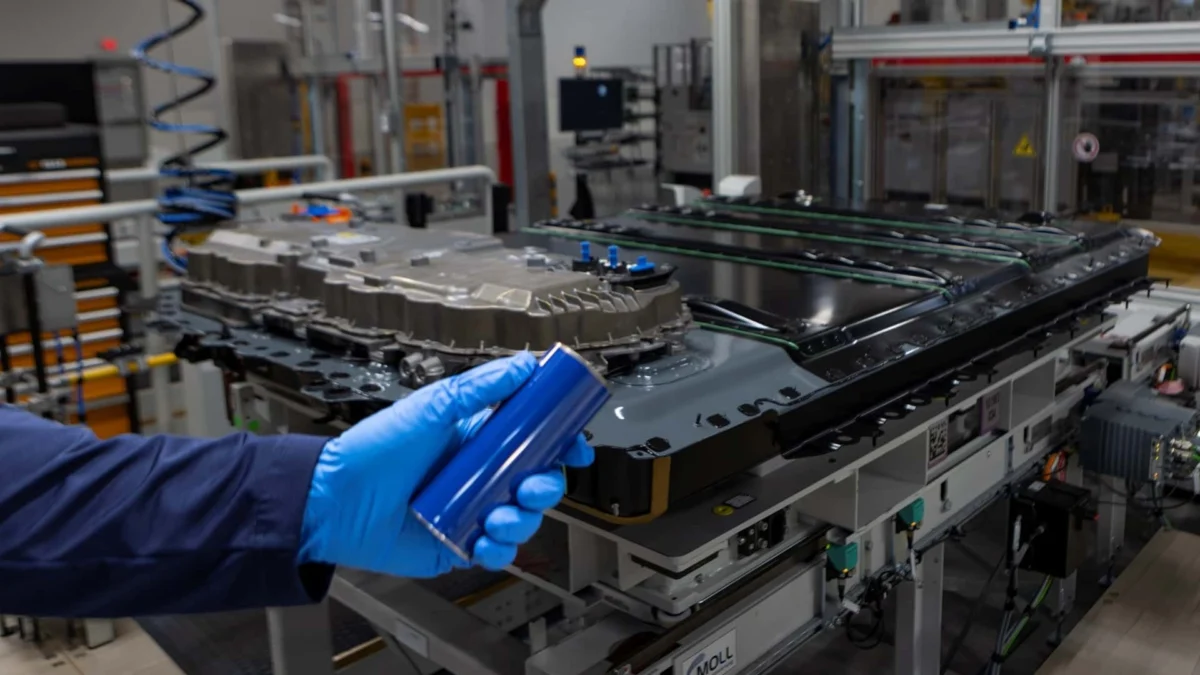
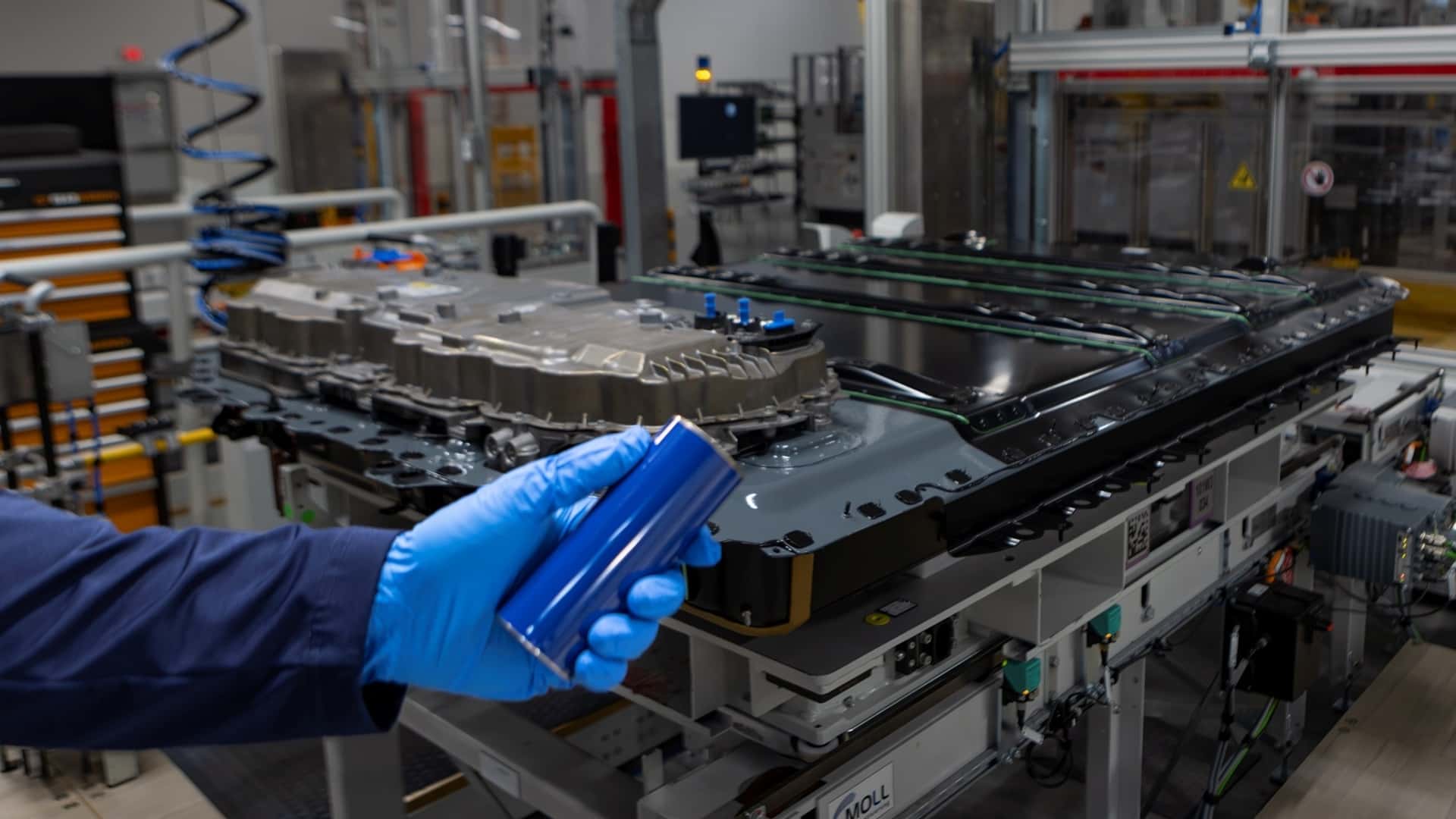
Bosch, a global leader in automotive components, argues that the "total replacement" model is a fallacy that the industry must abandon. Their research suggests that many battery failures are not total; rather, they are localized failures of individual modules or cell groups within a larger pack.
If independent workshops are equipped with the training, tools, and technical access to perform module-level repairs, the cost of keeping an EV on the road drops significantly. Replacing a single faulty module might cost a few hundred to a few thousand dollars, compared to the $15,000 to $25,000 price tag for a full battery replacement.
However, current industry trends are moving in the opposite direction. Some manufacturers have adopted "structural" battery designs—where the battery is integrated into the chassis of the car—making it physically impossible to remove the pack without specialized, factory-level equipment. This design choice, while excellent for vehicle stiffness and manufacturing efficiency, is a death knell for long-term sustainability.
Official Responses and Industry Stance
In his interview with Automobilwoche, Rupert Hoellbacher was explicit about the consequences of inaction. "If we fail to make battery repair or replacement more financially attractive, the answer is quite clearly: Yes. The life expectancy of cars will decline," he stated.
Hoellbacher emphasized that this isn’t just an economic issue; it is a sustainability failure. "This would not only represent a loss of aftermarket potential but also a significant step backward for sustainable business practices, because many vehicle components are designed for a significantly longer service life. Recycling and repair are therefore central tasks for the entire industry."
The industry is currently split. Some legacy automakers are beginning to see the value in "circular economy" initiatives, creating pilot programs for battery refurbishing and "second-life" applications. Conversely, newer, tech-focused entrants often prioritize a "software-defined vehicle" model, where the car is treated more like a smartphone: a device meant to be upgraded or discarded after a few years of software support.
Implications for the Future: A Paradigm Shift
If we do not change course, we risk a future where cars are no longer durable goods, but consumable assets. The implications of this are far-reaching:
1. Environmental Impact
The environmental argument for EVs is predicated on the idea that they will offset their high manufacturing emissions over a long service life. If an EV is scrapped at eight or ten years because of a battery issue that could have been repaired, the "carbon debt" of that vehicle’s production is never truly paid off. Sustainable transport requires that we keep the vehicles we have on the road for as long as possible.
2. Market Value and Depreciation
Used car markets rely on the assumption that a vehicle has a predictable, long-term utility. If used EVs become "ticking time bombs" due to the uncertainty of battery health and repair costs, their resale values will plummet. This will make new EVs even less accessible to the average consumer, as the "ownership ladder" of buying a used car and moving up to a new one is broken.
3. The Rights to Repair
The battle for "Right to Repair" is no longer just about access to service manuals; it is about the right to keep a vehicle functional. Legislators in the EU and North America are beginning to look at modular design requirements. If manufacturers are not mandated to provide documentation and access for battery repairs, the aftermarket will be effectively shut out of the EV era.
The Path Forward: Designing for Longevity
To avoid a future of massive automotive waste, the industry must pivot toward three pillars of longevity:
- Standardized Diagnostics: Manufacturers must allow independent shops to access the battery management system (BMS) data. Knowing which module has failed is the first step toward fixing it.
- Modular Architecture: Engineers must prioritize designs where high-voltage components are removable and serviceable. The "structural battery" trend must be balanced with serviceability requirements.
- The Aftermarket Ecosystem: We need a robust training program for technicians to handle high-voltage systems safely. The transition from "grease monkeys" to "high-voltage electricians" is the most critical human-capital challenge of the next decade.
Conclusion: Avoiding the Paradox
The paradox of the modern EV era is simple: we are building cars that are technically capable of lasting hundreds of thousands of miles, yet we are designing them in a way that makes them economically unviable to keep alive.
As we move deeper into the electrification of transport, the industry’s success shouldn’t just be measured by the range, speed, or charging time of the latest model. It should be measured by the ability of a ten-year-old car to receive a professional, affordable repair that gives it a second lease on life.
The combustion engine era gave us a century of experience in repairing, rebuilding, and maintaining complex machinery. We must carry that philosophy forward into the electric age. If we allow the EV to become a disposable gadget, we won’t just be losing our cars—we will be losing the opportunity to build a truly sustainable future. The goal of the automotive industry should remain what it has always been: to provide reliable, long-lasting mobility that serves the owner, not just the manufacturer’s quarterly bottom line.