Nineteen years ago, Ko Lipe was a whisper in the ears of the intrepid. It was a place defined by the rhythm of the tides, a fragile archipelago outpost where the electricity hummed only for a few hours each evening and the local currency was as modest as the $2-a-night bamboo bungalows that lined its pristine, untouched shores. It was a destination of serendipity, where travelers came for a week and stayed for a season, finding sanctuary in the simple act of existing.
Returning to the island today, however, reveals a stark, sobering reality. The "last frontier" of the Andaman Sea has been thoroughly conquered by the machinery of mass tourism. What was once a secluded haven has been transformed into a bustling, concrete-laden hub of overdevelopment, echoing the cautionary tales of Ko Phi Phi and Phuket.
A Chronology of Transformation: From Seclusion to Sprawl
The evolution of Ko Lipe is not a mystery; it is a clinical study in the rapid, often unmanaged expansion of Southeast Asian travel hubs. In 2006, the island was accessible only by infrequent boat services. The infrastructure was nonexistent, the footprint of humanity was negligible, and the local community lived in a symbiotic, if modest, relationship with the surrounding marine environment.
By the early 2010s, the "secret" was out. The rise of social media and the digitization of travel guides fueled a surge in popularity that local infrastructure was never equipped to handle. By 2015, the dirt paths had begun their transition to concrete, necessitated by the arrival of construction vehicles and an increasing number of taxis.
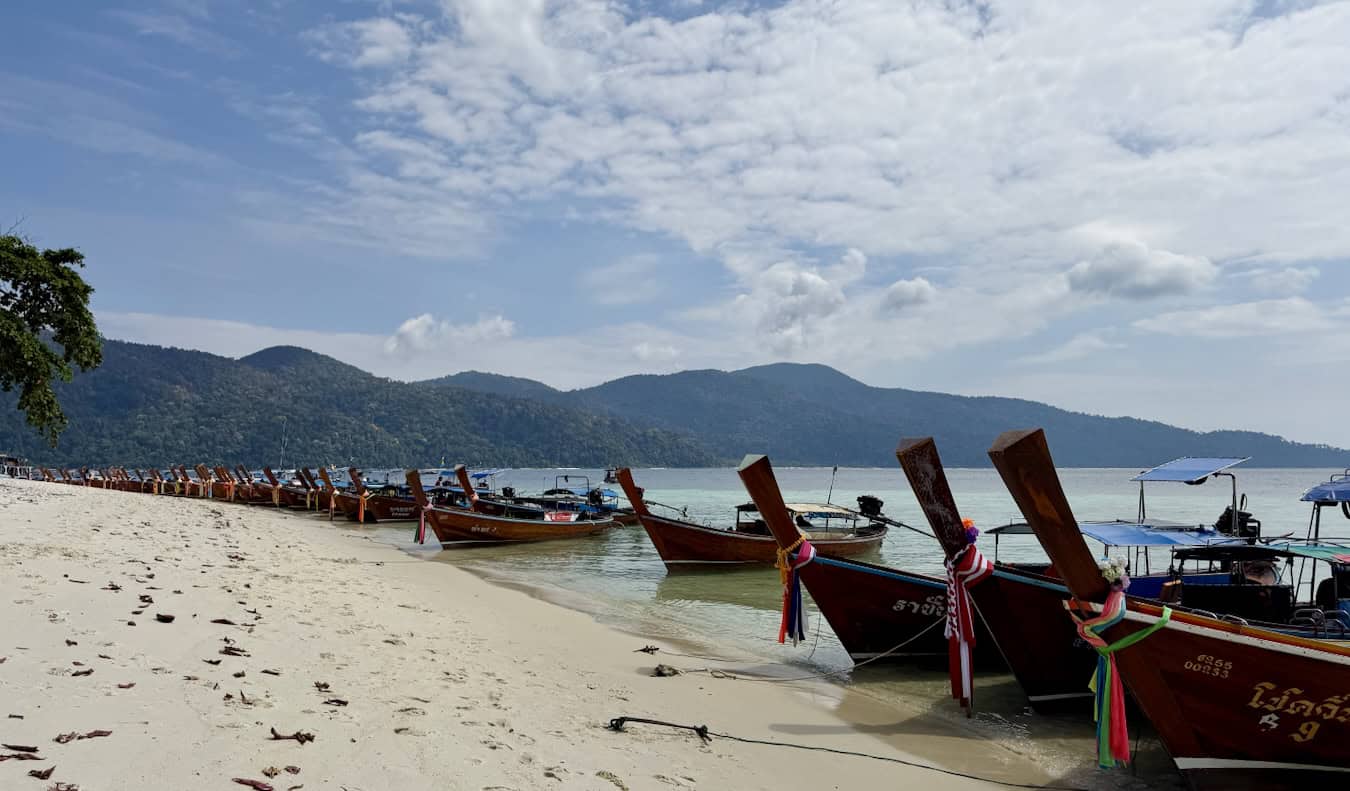
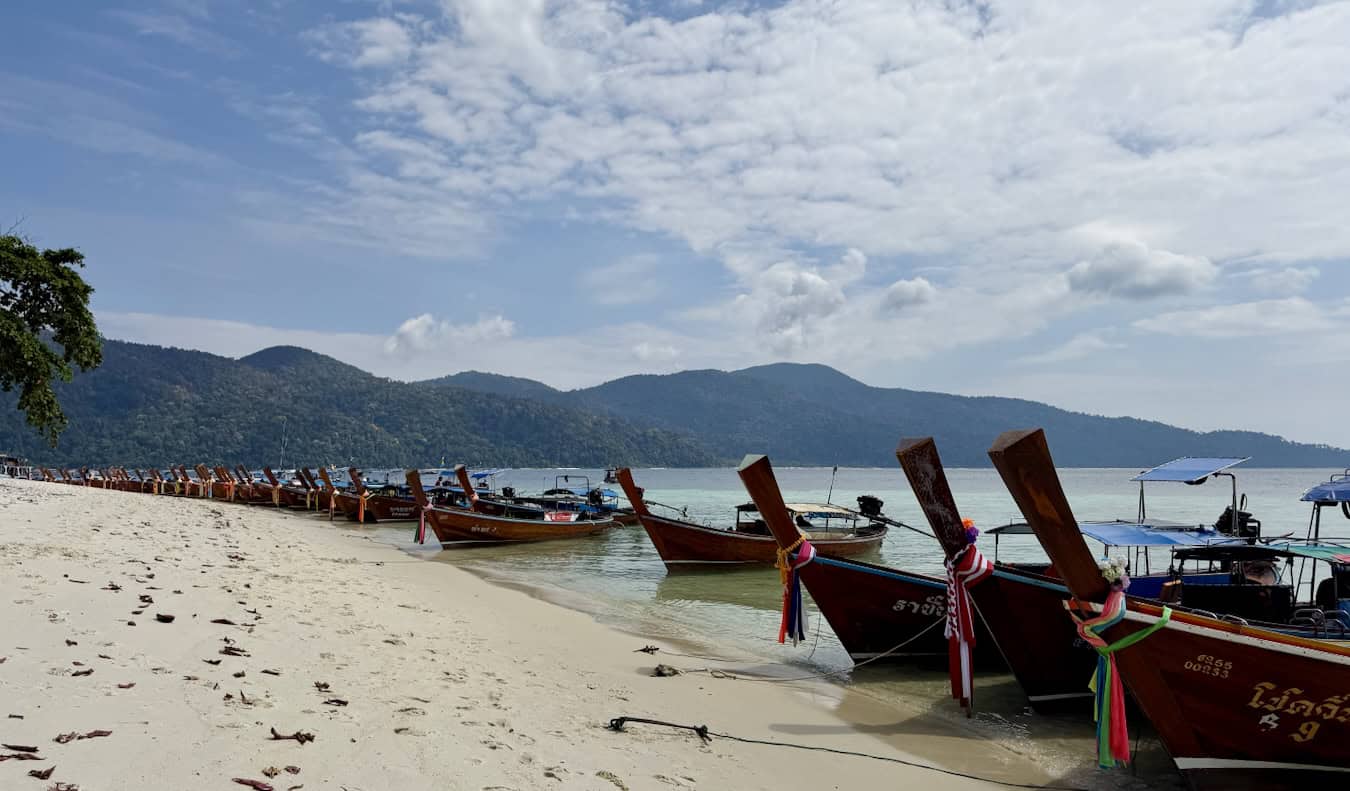
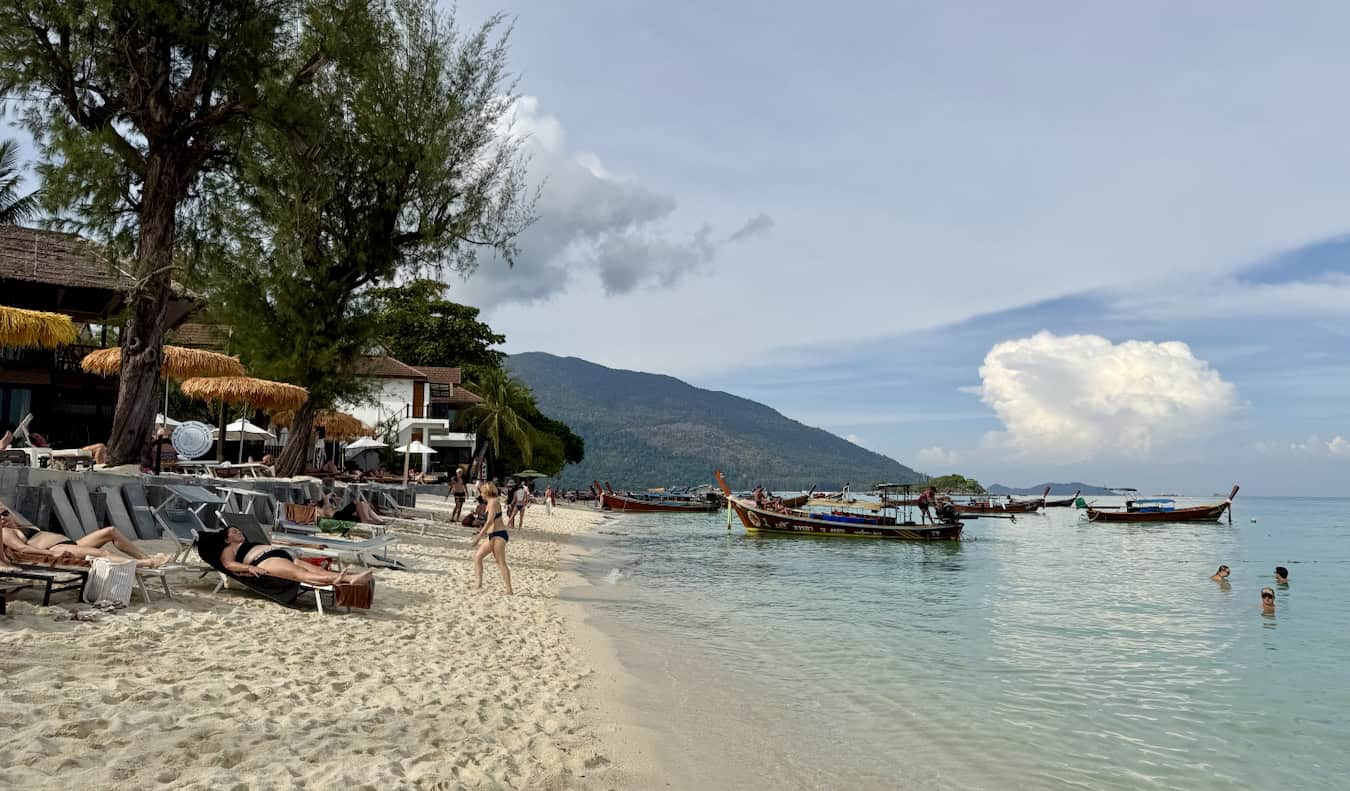
Today, the transformation is nearly absolute. The island is no longer a retreat from the modern world; it is a satellite of it. The dense jungles have been cleared to make room for high-end resorts, and the once-quiet beaches are now crowded with a permanent flotilla of longtail boats, their engines leaving iridescent slicks of fuel upon the azure surface of the Andaman Sea.
Supporting Data: The Cost of Unchecked Growth
The environmental and social impact of this development is not merely anecdotal; it is documented in the shifting state of the island’s ecology.
The Water Crisis
Perhaps the most egregious example of poor planning is the prevalence of swimming pools in luxury resorts on an island that possesses no natural fresh water source. This necessitates the energy-intensive transport of water from the mainland or the over-extraction of groundwater, which threatens the island’s delicate hydrological balance.
Marine Degradation
The coral reefs surrounding Ko Lipe, once a vibrant snorkeling destination, are under severe duress. The constant anchoring of tourism boats, combined with the chemical runoff from the island’s waste systems and the physical pollution of plastic and boat exhaust, has resulted in widespread coral bleaching and death. The biodiversity that once defined the area is being systematically eroded.
The Displaced Economy
The economic narrative of the island has shifted as well. The local population, who historically relied on fishing and subsistence, have largely been priced out of their ancestral land. Much of the island’s current workforce is composed of transient labor from the mainland, meaning the profits of the tourism boom are being siphoned away from the local community, leaving them to deal with the infrastructure burden while the corporate developers reap the rewards.
Official Responses and the "Genie in the Bottle"
While environmental groups and local activists have long voiced concerns regarding the carrying capacity of the Satun province’s islands, the governmental response has been inconsistent. Thailand’s national park authorities have implemented seasonal closures and entry fees in various regions to protect marine life, but these measures often function as a "band-aid" on a much larger, structural wound.
The core issue remains the tension between economic growth and environmental stewardship. Officials argue that tourism is the lifeblood of the local economy, yet the current trajectory is inherently self-defeating. When a destination becomes "overdeveloped," it loses the very aesthetic and environmental value that attracted tourists in the first place. The "genie is out of the bottle"—once an island is paved over and the ecosystem is fractured, the path to restoration is decades long, if not impossible.
The Implications: Why We Must Rethink Our Choices
The decline of Ko Lipe serves as a profound, painful lesson for the modern traveler. It forces us to confront the reality that our presence, even when well-intentioned, carries a cost.
The Myth of the "Next Secret Spot"
Many travelers justify their presence in overdeveloped areas by seeking out "pockets" of the island that remain untouched. However, this is a fallacy. By visiting these areas, we contribute to the demand for infrastructure, the demand for more flights, and the pressure on the local government to prioritize profit over preservation. We are, in effect, accelerating the death of the very places we love.
A Call for Conscious Stewardship
If the goal of travel is to experience the world, we must ensure that the world remains intact for those who follow. This requires a shift in how we choose our destinations. We must move away from the "bucket list" mentality—which prioritizes famous, Instagram-ready locations—and toward a model of selective, low-impact travel.
There are still islands in the Andaman that are managed with greater foresight and less intensity. Places like Ko Lanta, Ko Jum, and Ko Mook offer a glimpse of what Thai island life can be when sustainable practices are prioritized. Choosing these locations over hotspots like Ko Lipe is not just a personal preference; it is a political act. It sends a market signal that travelers care about sustainability, which is the only language that developers and local governments currently speak.
Conclusion: Knowing When to Say Enough
It is difficult to discourage travel to a place that once held such personal significance. There is a melancholy in admitting that a paradise lost can never be reclaimed. Yet, as travelers, we have a responsibility that transcends our desire for a vacation.
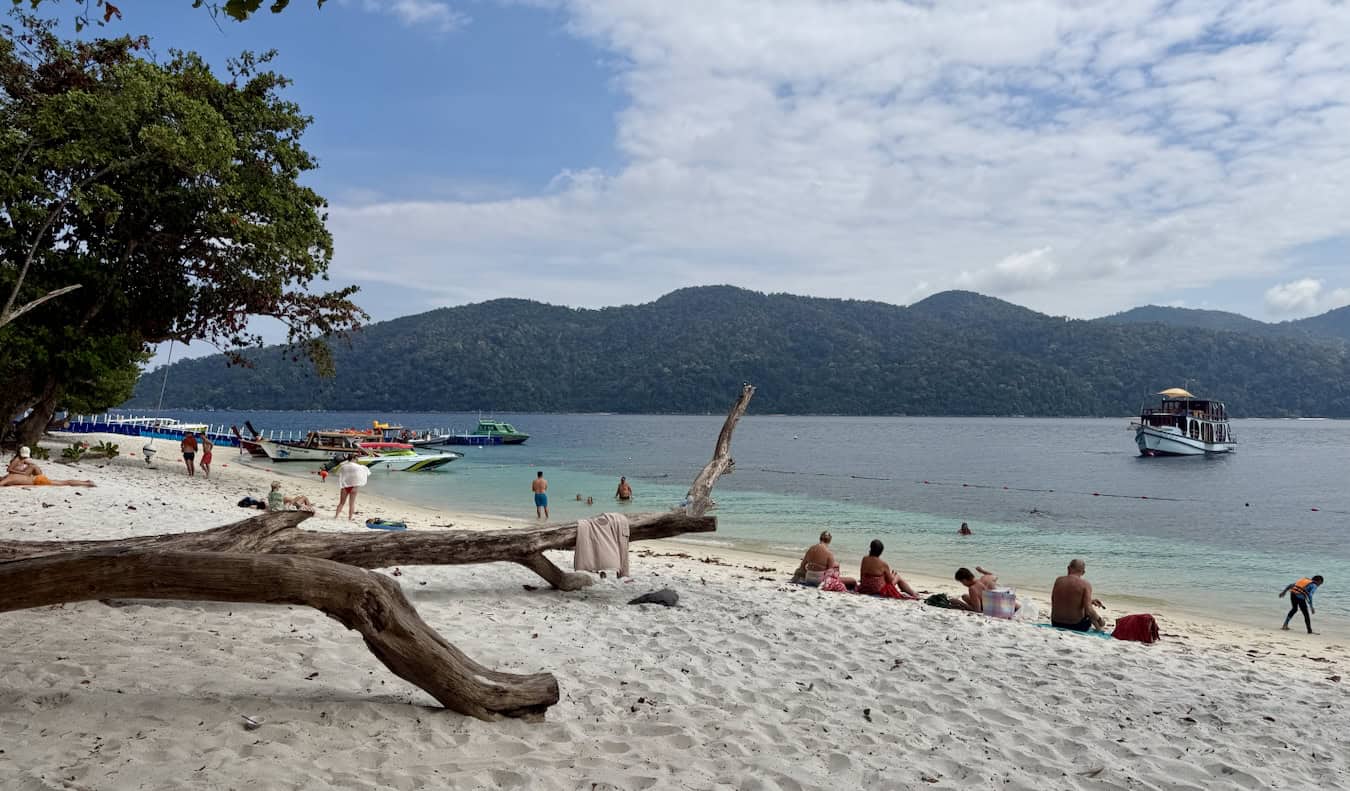
We cannot expect local populations to remain impoverished to satisfy our desire for a "pristine" aesthetic. However, we can demand that the growth which does occur is sustainable, managed, and respectful of the local environment. When that standard is not met, the most powerful tool we possess is our absence.
Ko Lipe has become a victim of its own success, a cautionary tale of how quickly beauty can be commodified and discarded. While it may still appear postcard-perfect to the uninitiated, the cracks in the foundation are too deep to ignore. To be a good steward of our planet, sometimes the most profound thing you can do is decide not to go—and to choose a path that respects the limits of our natural world.
If we continue to chase the ghosts of the past, we will only create more of them. It is time to move on, to explore with intention, and to leave behind the destinations that have been pushed past their point of return. The future of travel depends on our willingness to say, "enough is enough."