In the rapidly evolving landscape of consumer drone technology, the paradigm has long been dominated by the traditional gimbal-stabilized camera. For years, the gold standard for travelers and content creators has been a forward-facing lens that requires precise piloting to capture the "perfect" shot. However, the release of the Antigravity A1 in late 2025 has signaled a seismic shift in how we approach aerial storytelling. By replacing the mechanical gimbal with a sophisticated 360-degree capture system, Antigravity has effectively turned the drone into a flying virtual reality rig, allowing creators to "fly now and frame later."
The Core Innovation: Redefining the Drone Camera
At the heart of the Antigravity A1 lies a radical departure from industry norms. Most drones, including industry titans from DJI or Autel, rely on a single sensor mounted to a mechanical, motorized gimbal. While effective, this creates a rigid workflow: if you miss the shot during flight, you miss it forever.
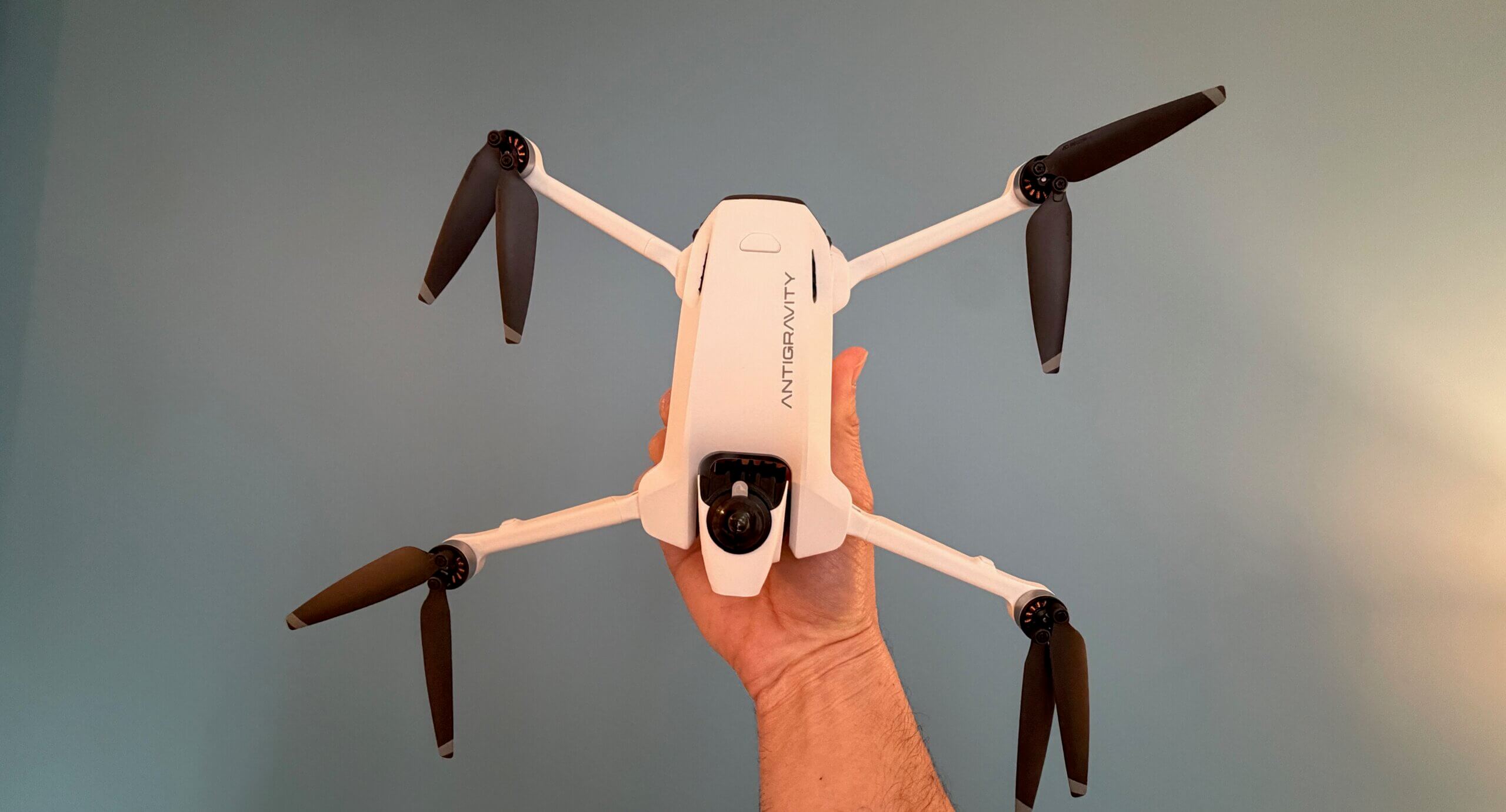
The A1 bypasses this entirely with its dual-lens, 360-degree system. Positioned on the top and bottom of the fuselage, two ultra-wide-angle lenses each provide a 200-degree field of view. When these images are stitched together in real-time, the result is a seamless, spherical recording of the entire environment. Because the software digitally removes the drone’s body from the frame, the output creates the uncanny illusion of a camera floating independently in mid-air—a "ghost" perspective that was previously only achievable with expensive professional rigs.
Technical Specifications and Hardware Integrity
The A1 features dual 1/1.28-inch CMOS sensors. While these are technically smaller than the 1-inch sensors found on some specialized "Pro" photography drones, they are significantly larger than those found in standard 360-degree action cameras. This disparity is critical for travel photography, as it provides a superior dynamic range, allowing for cleaner detail in the highlights and shadows—essential for capturing footage during the harsh, high-contrast conditions of midday sun.
Beyond optics, the build quality reflects a shift toward durability. The aircraft is constructed from a high-grade, carbon-fiber-reinforced polymer. This choice of material offers a superior strength-to-weight ratio compared to the ABS plastics common in entry-level drones. During testing, the folding mechanism proved highly resilient, with a tactile, precise lock that suggests the drone is built to survive the rigors of frequent travel and erratic storage in backpacks.
Regulatory Compliance: The 249-Gram Advantage
One of the most strategic decisions by the engineering team at Antigravity was the drone’s weight. Many aviation authorities globally, including the FAA in the United States and EASA in Europe, enforce stricter registration and flight regulations for drones weighing 250 grams or more.
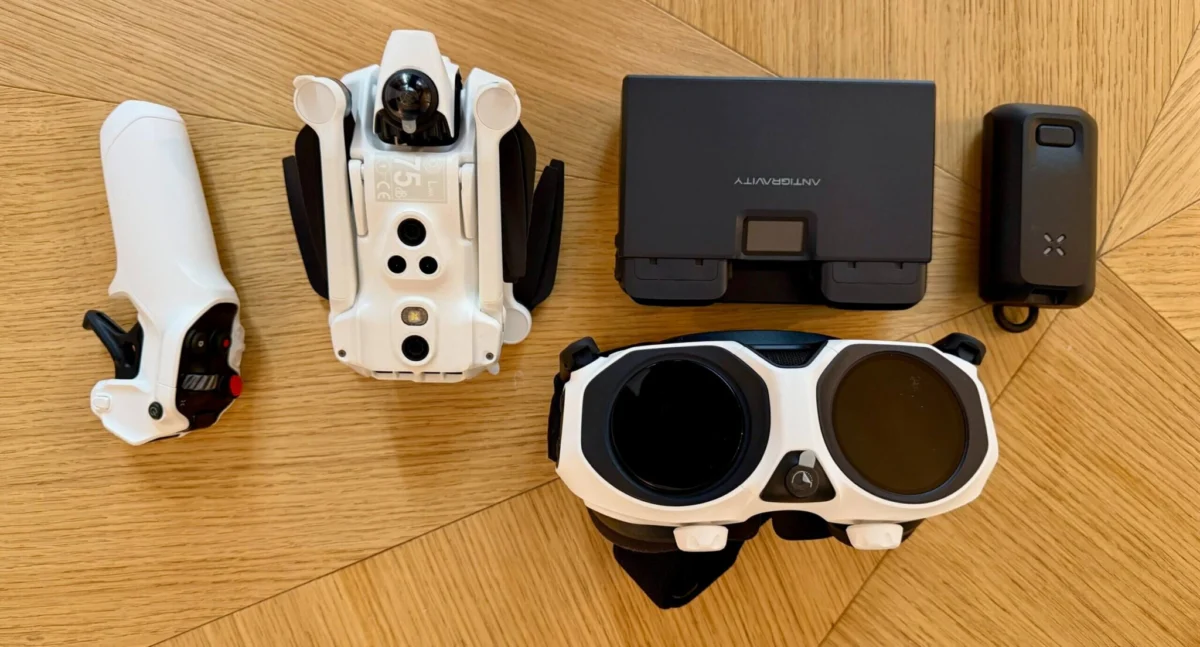
By calibrating the A1 to weigh exactly 249 grams with its standard battery, Antigravity has successfully navigated the "commercial threshold." For the frequent traveler, this is a massive benefit. It allows for a less burdensome flying experience, removing the need for formal registration in many jurisdictions and granting the user greater flexibility in where and how they can deploy the device.
The Flight Experience: Intuition Over Complexity
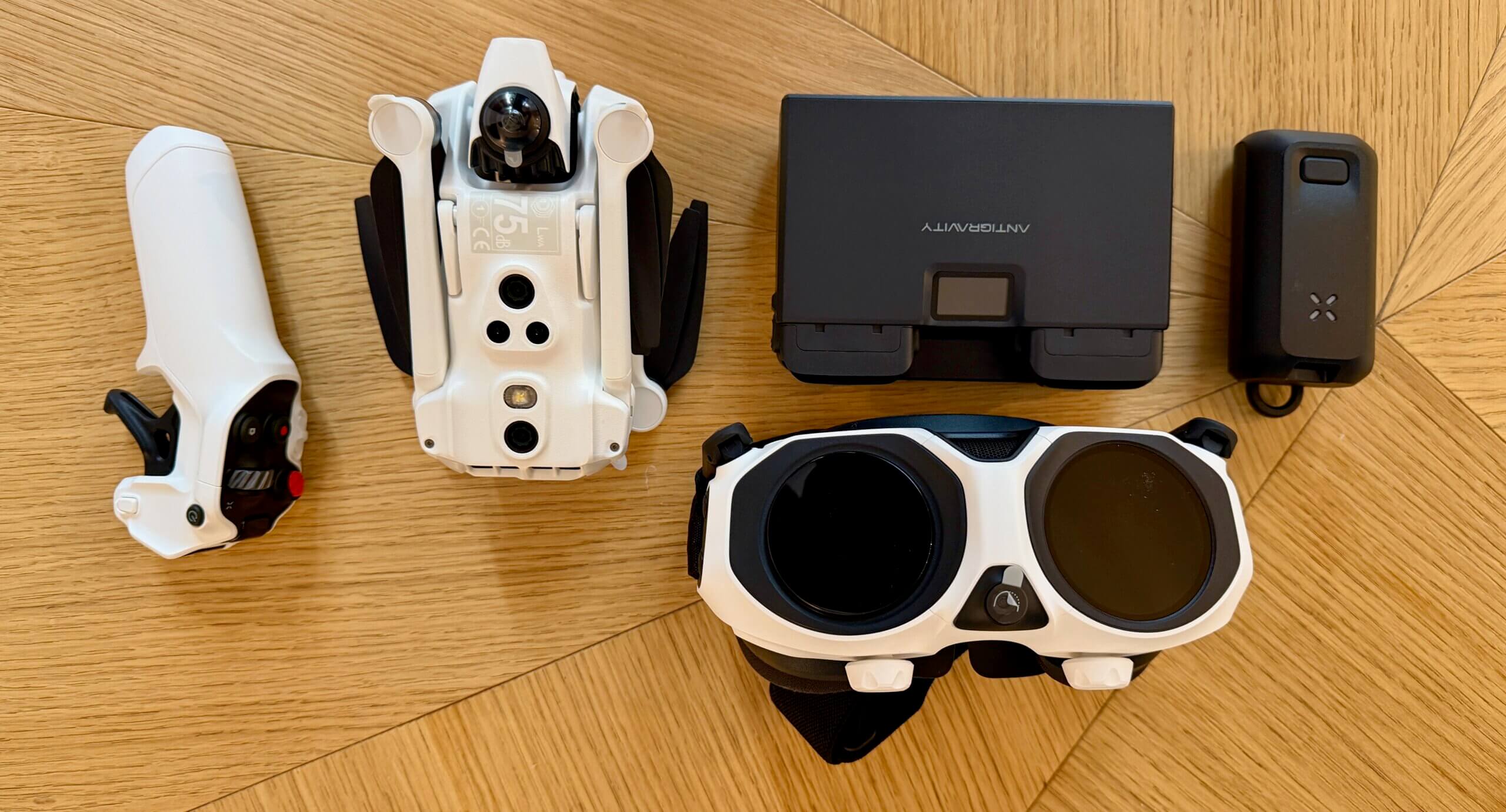
Flying the A1 is a distinct departure from the standard "stick-and-throttle" method. The drone utilizes a single-handed motion controller, which mimics the natural movement of the human hand. By tilting the controller, the pilot dictates the direction, while a trigger handles acceleration. This intuitive interface lowers the barrier to entry significantly; a novice can learn to navigate complex environments within minutes.
The Vision Goggles
For those seeking total immersion, the A1’s Vision Goggles are the definitive accessory. Featuring dual 4K micro-OLED displays with a 120Hz refresh rate, the latency is almost imperceptible. Because the drone records in 360 degrees, the goggles are not limited to a "front-facing" view. The integrated head tracking allows the pilot to look around the environment in real-time—looking down reveals the ground passing beneath, while turning the head pans the view. This creates a level of spatial awareness and "presence" that traditional fixed-camera drones cannot replicate.
For purists, the A1 remains versatile. While the motion controller is the highlight, the system fully supports a traditional "Mode 2" stick controller, providing the manual precision required by professional FPV (First-Person View) pilots who need to perform acrobatic maneuvers.
Camera Performance and Software Ecosystem
The marketing of the A1 as an "8K" device often leads to confusion among consumers. In traditional video, 8K refers to a high-density 16:9 rectangle. In the context of the A1, the 8K resolution covers a full 360-degree sphere. When a user "reframes" this footage into a standard flat video, they are essentially cropping a portion of that sphere.
The Antigravity Studio app acts as the bridge for this workflow. With wireless download speeds reaching 80MB/s, users can quickly move footage to their mobile devices. The app utilizes the phone’s internal gyroscope to reframe the video: you simply move your phone around to "film" the scene in real-time as if you were looking through a camera viewfinder. Furthermore, the "Auto-Frame" AI feature is a boon for solo travelers, automatically identifying subjects and maintaining focus on them without human intervention.
Implications for the Industry
The introduction of the Antigravity A1 suggests a future where the mechanical limitations of drones no longer dictate the quality of the footage. By shifting the complexity from the flight to the edit, the A1 allows creators to focus on narrative and composition rather than the stress of navigating a gimbal.
Battery Life: The Final Frontier
As with all modern sub-250g drones, battery life remains a point of contention. The standard battery provides a real-world flight time of roughly 19 to 20 minutes. While this may seem brief, the "work per minute" ratio is significantly higher than that of a standard drone. Because the A1 records everything simultaneously, a single flight can yield enough footage to cover angles that would require three separate flights with a traditional gimbal-mounted camera. For power users, the "Pro Battery" extends this to 39 minutes, though the resulting increase in weight removes the drone from the sub-250g regulatory "sweet spot."
Conclusion: A New Tool for the Modern Explorer
The Antigravity A1 is not merely a gadget; it is a creative liberation tool. It successfully bridges the gap between the immersive world of VR and the aesthetic demands of cinematic storytelling. While it may not possess the sheer pixel density of a $10,000 cinema rig, its portability and ease of use make it an essential addition to the travel kit of any modern content creator.
As we look toward the future of aerial cinematography, it is clear that the industry is moving away from the "pilot-as-operator" model toward a "pilot-as-director" approach. The Antigravity A1 is the first major step in that direction, proving that the best way to capture the world is by not limiting your perspective to what is in front of you, but by capturing everything at once.
Essential Travel Resources for Your Next Journey
For those inspired to take their new gear to the skies, ensuring your logistics are in order is paramount.
- Flight Booking: Use Skyscanner to aggregate global flight data, ensuring you find the most efficient and budget-friendly routes.
- Accommodation: Hostelworld remains the premier choice for social, budget-conscious travelers, while Booking.com provides the most robust inventory of guesthouses and hotels worldwide.
- Protection: Never overlook travel insurance. Companies like World Nomads or SafetyWing offer comprehensive coverage against theft, cancellations, and medical emergencies, which are vital when traveling with expensive technical equipment.
- Logistics: For car rentals, Discover Cars offers competitive rates across international markets, while Get Your Guide remains the gold standard for booking excursions and local experiences once you arrive at your destination.
For more in-depth travel planning, consult the comprehensive guides at NomadicMatt.com, your primary resource for mastering the art of budget-conscious, high-impact travel.