For millions of people worldwide, the day does not truly begin until the first cup of coffee or tea is poured. It is a ritual steeped in culture, comfort, and the promise of a caffeine-fueled jumpstart. However, for older women, these daily habits may carry more weight than just a temporary energy boost. A landmark decade-long study conducted by researchers at Flinders University has uncovered compelling evidence suggesting that the choice between coffee and tea could have distinct, measurable implications for long-term skeletal integrity.
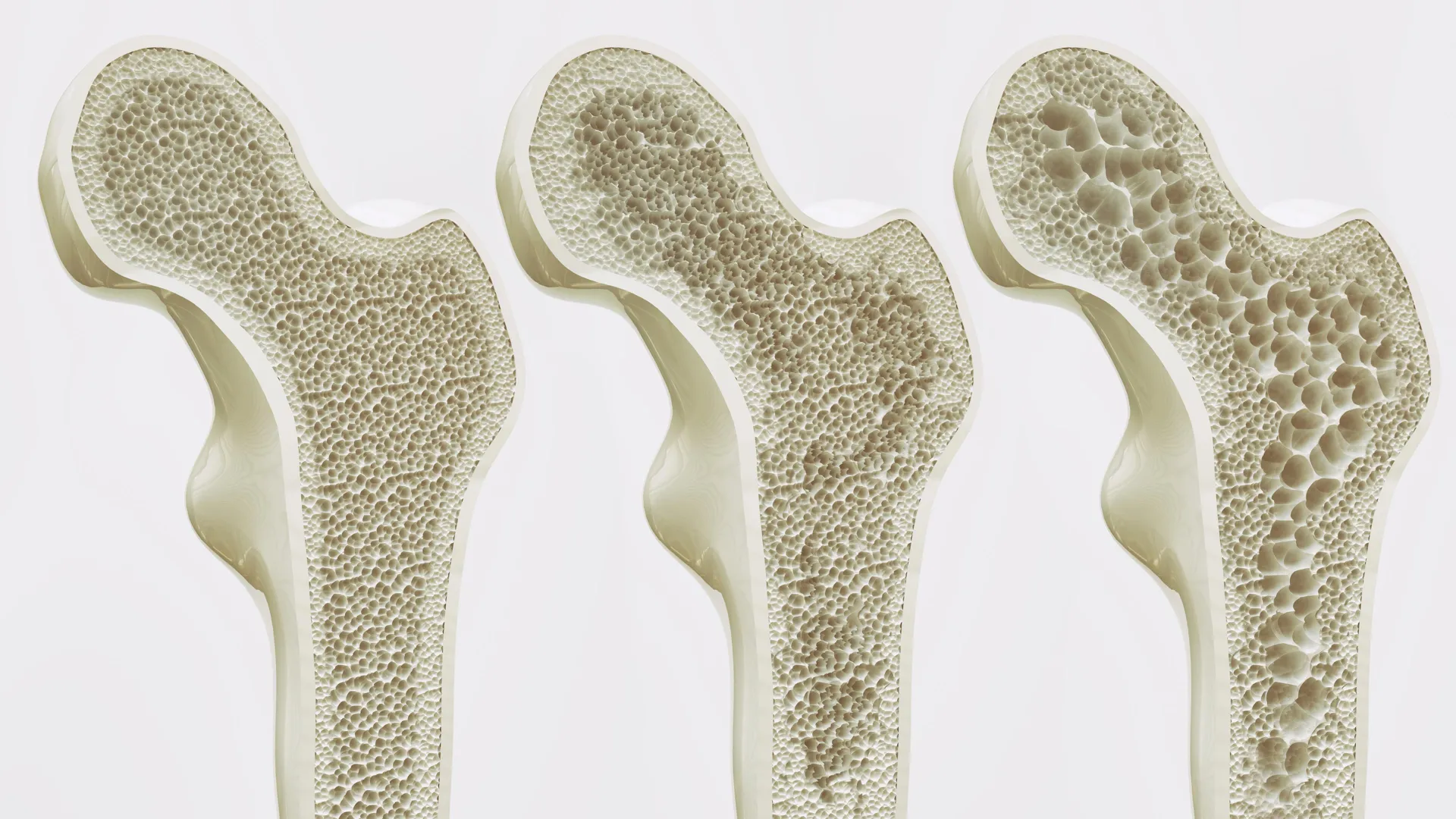
As the global population ages, the prevalence of osteoporosis—a condition characterized by weakened bones and an increased risk of fractures—has reached crisis proportions. With one in three women over the age of 50 currently affected, understanding the dietary nuances that influence bone mineral density (BMD) is no longer just a matter of academic interest; it is a vital public health imperative.
The Study: A Decade of Skeletal Surveillance
Published in the peer-reviewed journal Nutrients, the research represents one of the most comprehensive longitudinal analyses to date. By tracking nearly 10,000 women aged 65 and older over a span of 10 years, the Flinders University team sought to move beyond the conflicting, often short-term data that has historically muddied the waters of nutritional science.
The researchers utilized data from the prestigious Study of Osteoporotic Fractures (SOF). This dataset provided a robust foundation, allowing the team to conduct repeated assessments of the participants’ beverage habits alongside high-precision imaging of their bone density. Specifically, the study focused on the hip and femoral neck—critical anatomical sites where a fracture can lead to life-altering consequences for an aging individual.
By repeatedly measuring BMD and correlating it with self-reported consumption patterns over a full decade, the study provides a rare, high-resolution view of how chronic, long-term intake of these popular beverages influences the structural architecture of the human skeleton.
The Biological Tug-of-War: Why Tea and Coffee Differ
To understand why tea and coffee might yield different results, one must look at the chemical composition of the beverages themselves. Ryan Liu, a co-author of the paper, explains that the divergence in findings likely stems from the unique bioactive compounds found in each drink.
The Case for Tea: Catechins and Bone Preservation
The study found that women who regularly consumed tea demonstrated slightly higher total hip BMD compared to non-drinkers. This is not merely a statistical quirk; researchers point to the abundance of catechins—a type of polyphenol found in high concentrations in tea leaves. These compounds are believed to possess anti-inflammatory and antioxidant properties that may promote bone formation while simultaneously slowing the rate of bone resorption (the process by which the body breaks down bone tissue). For older women, particularly those navigating the hormonal shifts of post-menopause, this protective effect, even if modest, represents a significant biological advantage.
The Coffee Paradox: Caffeine and Calcium
Conversely, coffee presents a more complex narrative. While moderate consumption—defined as two to three cups per day—showed no deleterious effects on bone health, the data took a turn for the worse at higher volumes. Women who consumed more than five cups of coffee daily exhibited lower BMD, suggesting a threshold where the beverage shifts from a benign stimulant to a potential skeletal stressor.
The culprit, according to the research team, is caffeine. Laboratory studies have historically indicated that high levels of caffeine can interfere with calcium absorption and disrupt the delicate balance of bone metabolism. "While these effects are generally small and can be mitigated by ensuring adequate calcium intake or adding a splash of milk to your coffee," Ryan Liu notes, "the sheer volume of high-intake coffee consumption appears to overwhelm these compensatory mechanisms over time."
Lifestyle Factors: The Hidden Variables
One of the most intriguing aspects of the Flinders study is the revelation that the impact of these beverages is not uniform across all demographics. The researchers discovered that lifestyle factors act as modifiers, amplifying or dampening the effects of coffee and tea.
For instance, the negative correlation between high coffee intake and bone density was found to be more pronounced in women with a history of higher lifetime alcohol consumption. This suggests that the liver-taxing nature of alcohol, combined with the metabolic stress of high caffeine intake, may create a "double-hit" scenario for bone health.
In contrast, the protective association of tea was particularly evident among women with obesity. While obesity is often associated with a myriad of health risks, it also places unique mechanical loads on the skeletal system. The potential anti-inflammatory benefits of tea catechins may offer a specific, targeted support mechanism for women in this category, helping to mitigate the chronic systemic inflammation that often accompanies higher body mass indices.
Official Perspectives: Translating Science into Daily Life
The lead authors of the study, Adjunct Associate Professor Enwu Liu and Ryan Liu, are careful to frame their findings with nuance and caution. They emphasize that while the results are statistically significant, they do not constitute a "call to arms" for a total overhaul of the average person’s diet.
"Our results don’t mean you need to give up your morning coffee or start drinking tea by the gallon," says Associate Professor Enwu Liu. "What they do suggest is that moderate tea consumption could be a very simple, low-cost way to support bone health in the later years of life. Conversely, very high coffee intake—anything beyond five cups a day—might not be the most ideal habit, especially if there are other risk factors like alcohol consumption involved."
The team stresses that dietary beverages should be viewed as one small piece of a much larger puzzle. Calcium, vitamin D, weight-bearing exercise, and hormonal health remain the cornerstones of preventing osteoporosis. However, the study provides a compelling argument for "nutritional mindfulness." In a world where millions consume coffee or tea daily, even a marginal improvement in bone density—if applied across an entire population—could translate into thousands fewer fractures annually.
Implications for Global Public Health
The broader implications of this research are significant. As the global demographic profile continues to shift toward an older population, healthcare systems are bracing for the costs associated with fractures and the loss of mobility in the elderly.
If a simple, culturally accepted habit like switching from a fifth cup of coffee to a cup of green or black tea can provide a measurable buffer against bone loss, the public health impact is immense. It represents a low-barrier intervention that requires no medical prescription, carries no significant side effects, and is already deeply integrated into the daily routines of the target demographic.
Furthermore, the study highlights the importance of long-term, repeated-measure analyses. By looking at the trajectory of bone health over a decade rather than a single point in time, the Flinders University researchers have provided a more realistic picture of how dietary habits interact with the aging process. It reinforces the idea that bone health is not determined by a single event, but by the cumulative impact of thousands of small, daily choices.
Conclusion: A New Way to Look at Your Morning Cup
For many, the morning coffee or the afternoon tea is a quiet, meditative moment—a small ritual in a busy world. The findings from Flinders University suggest that this ritual is more than just a sensory experience; it is an active contribution to the structural integrity of one’s body.
As we continue to navigate the complexities of aging, the message from the scientific community is becoming increasingly clear: health is found in the margins. While no single cup of tea will replace the need for professional medical care or a balanced diet, the evidence suggests that for older women, tea may be a small, comforting step toward stronger, more resilient bones.
The researchers conclude that while further studies will undoubtedly refine our understanding of the specific catechins and biological pathways involved, the current evidence is sufficient to suggest that for those concerned about their bone health, the choice between the coffee pot and the teapot may be one of the simplest, yet most effective, decisions made throughout the day.
The research paper, ‘Longitudinal Association of Coffee and Tea Consumption with Bone Mineral Density in Older Women: A 10-Year Repeated-Measures Analysis in the Study of Osteoporotic Fractures,’ stands as a testament to the power of long-term observational data in guiding public health recommendations. The study was supported by grants from the National Institute on Aging (NIA) and the National Institute of Arthritis and Musculoskeletal and Skin Diseases (NIAMS).