The Toronto International Film Festival (TIFF) has long been the launchpad for cinematic prestige, but this year, the festival’s corridors hummed with a different kind of energy. The runaway success of the indie horror flick Obsession—which sold out its festival screenings and propelled creator Curry Barker into the spotlight—has served as a definitive signal: the wall between digital content creators and traditional "auteur" filmmakers has effectively crumbled.
This shift, dubbed the "Obsession Effect," has not only validated Barker’s transition from YouTube to the big screen but has also cemented star Inde Navarrette’s status as a formidable talent in the awards circuit. As legacy studios scramble to identify the next generation of storytellers, YouTube has emerged as the primary incubator for high-level creative development, moving far beyond the "influencer" label that once limited the platform’s perceived value in the eyes of Hollywood executives.
The Chronology of a Paradigm Shift
The journey to this moment was not overnight, but rather a slow-burning evolution of digital media.
- The Early Years: YouTube was initially viewed by the legacy entertainment industry as a secondary platform, relegated to short-form clips, vloggers, and viral stunts.
- The Maturation Phase: As creators began to command massive, loyal audiences, the platform introduced sophisticated monetization and long-form capabilities, allowing for higher production values.
- The "Obsession" Breakthrough: The critical and commercial success of Obsession at TIFF marked the first time a creator-led project was treated with the same reverence as studio-backed features. It proved that audiences are not just tuning in for personalities, but for high-caliber storytelling.
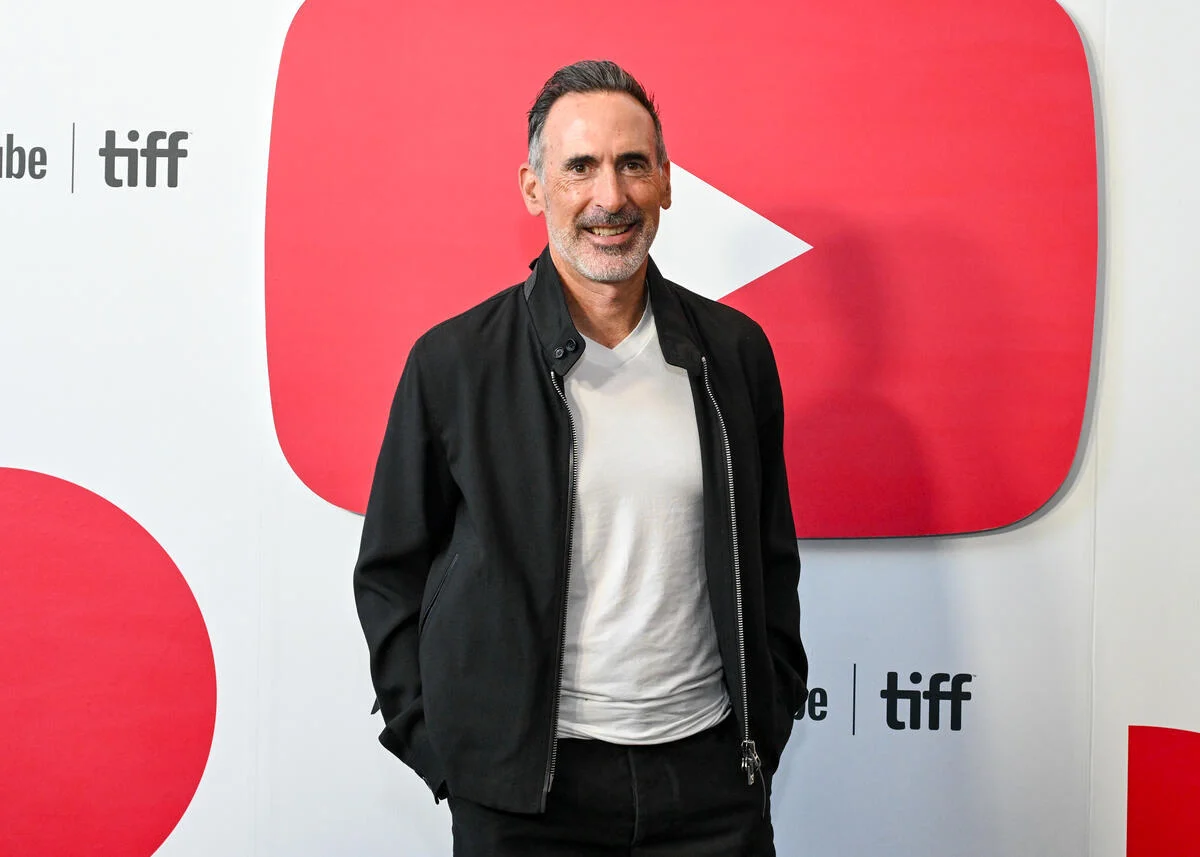
- The Institutional Pivot: TIFF, recognizing the changing tides, partnered with YouTube to host a formal Creators Summit. This event featured industry heavyweights like Ziwe and adventurer Mark Vins, signaling a new era of integration between festival circuits and digital platforms.
Data-Driven Authority: Why YouTube Wins
The shifting interest from Madison Avenue and Hollywood studios is grounded in hard metrics. According to industry analysis, YouTube’s unique value proposition lies in the "attentiveness" of its audience. Unlike passive media consumption, YouTube viewers engage with content based on specific, deep-seated interests.
Sean Downey, Google’s president of Americas ad sales and partnerships, notes that the platform is now viewed as a "surround sound investment." The data supports this: when YouTube covers massive cultural touchpoints—such as the World Cup, which garnered over a billion hours of watch time, or the ongoing collaboration with the NFL—the platform demonstrates its ability to facilitate 24/7 engagement. This level of sustained interaction is a goldmine for advertisers who are no longer interested in the fleeting reach of a 30-second television spot.
Official Perspectives: The View from Google
During the TIFF Creators Summit, Variety sat down with Sean Downey to unpack how Google is navigating this transition. For Downey, the conversation has shifted away from proving the platform’s legitimacy.
"I haven’t spent a single minute convincing [advertisers] that YouTube is premium and the place where entertainment lives," Downey remarked. Instead, the current challenge for agencies is tactical: how to effectively weave a brand into the fabric of a creator’s storytelling.
On the Distinction Between Influencers and Creators
Downey is quick to delineate between the two terms. While influencers may rely on short-lived transactional posts, creators build long-term relationships through community engagement. "Talk to any great creator, and they’ll tell you they get their programming through commentary with the audience," he explained. This feedback loop creates a level of trust that traditional advertising simply cannot replicate. For brands, this means moving away from using creators as mere "spokespeople" and instead fostering deeper, narrative-driven partnerships.
The Implications: The 2029 Academy Awards Broadcast
Perhaps the most ambitious indicator of this shift is the upcoming broadcast of the Academy Awards on YouTube. This is not merely a distribution deal; it is an attempt to redefine how cultural "events" are experienced in the digital age.
A New Model for Live Events
Downey emphasizes that live events on YouTube are "not just a game." By leveraging the surrounding ecosystem of micro-cultures, prognosticators, and behind-the-scenes creators, YouTube intends to turn the Oscars into a persistent, living experience rather than a one-off broadcast.
The implications for advertisers are profound:
- Integrated Sponsorships: Brands are no longer restricted to traditional commercial breaks. They are being invited to sponsor the ecosystem of content surrounding the event.
- Perpetuity: Unlike a linear broadcast that disappears once the credits roll, content created around these events lives on the platform, accumulating views and engagement long after the gala concludes.
- Cultural Relevance: By aligning with the "Obsession" model—where creators like Barker are integrated into the festival culture—advertisers can place their products next to content that is already culturally resonant.
The Future of the Hollywood Pipeline
The "Obsession Effect" has created a blueprint for future talent development. For legacy studios, the lesson is clear: the most efficient way to capture the attention of the next generation is to invest in the ecosystems where they already live.
We are moving toward a hybrid entertainment landscape. The distinction between a "YouTuber" and a "Filmmaker" is becoming increasingly irrelevant, replaced by the broader category of "Content Architect." These individuals, who have spent years honing their craft in direct dialogue with their audiences, represent a lower-risk, higher-reward investment for studios. They bring an existing, passionate fan base and a proven ability to tell stories that resonate in a crowded digital space.
Conclusion: A New Golden Age?
As TIFF looks toward the future, the partnership with YouTube stands as a beacon for how traditional gatekeepers can evolve. The days of treating digital platforms as a "wild west" are over. In its place is a structured, highly sophisticated industry where storytelling is community-driven and brand integration is organic.
The success of Curry Barker and the broader movement of creators into the awards conversation is just the beginning. As we look toward 2029 and the Oscars’ leap into the digital-native arena, it is evident that the power has shifted. The future of entertainment will not be defined by the size of a production budget, but by the strength of the connection between the creator and the community. Madison Avenue is paying attention, Hollywood is adapting, and for the first time in a long time, the barrier to entry for the next great auteur is as wide as an internet connection.