Home to 3.5 million residents, Madrid is more than just the political and geographical center of Spain; it is a sprawling, sophisticated metropolis that serves as the nation’s cultural heartbeat. While coastal cities like Barcelona often capture the international spotlight, Madrid offers an intensity and authenticity that only a true capital can provide. With over 10 million annual visitors, the city is a masterclass in contrasts—where 17th-century wine caves exist beneath modern fusion restaurants, and where the nightlife pulses with an energy that defies the conventional sunrise.
The Essence of Madrid: A City of Night Owls
To visit Madrid is to abandon the rigid schedules of Northern Europe. It is a city that moves at its own deliberate, rhythmic pace. Dinner typically commences after 9:00 PM, and the social calendar truly awakens in the early hours of the morning. This "night owl" culture is not merely a preference but a foundational element of the Madrileño identity. For the traveler, embracing this slow-burn approach—long, multi-course lunches and late-night strolls through neon-lit plazas—is the only way to unlock the city’s true character.
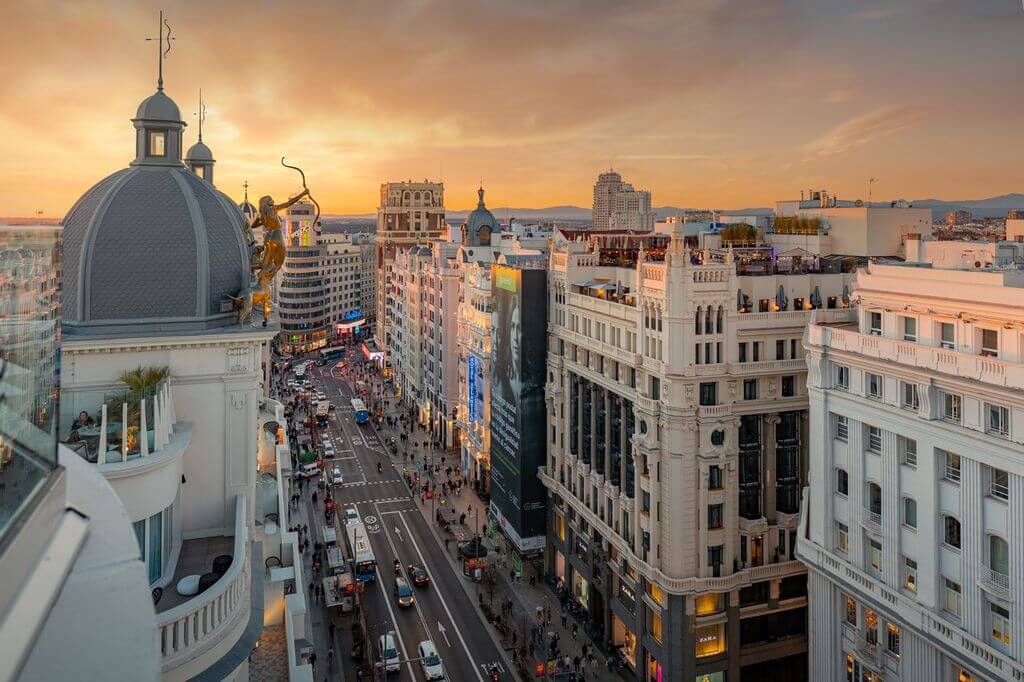
Madrid is, at its core, "cool." It is a city defined by an obsession with art, a reverence for culinary tradition, and an architecture that whispers tales of the Habsburg Empire. However, for the uninitiated, the sheer scale of the city can be overwhelming. Planning an itinerary that balances world-class institutions with hidden local gems is essential for a rewarding experience.
Chronology: A Five-Day Immersion
Day 1: The UNESCO Art Walk
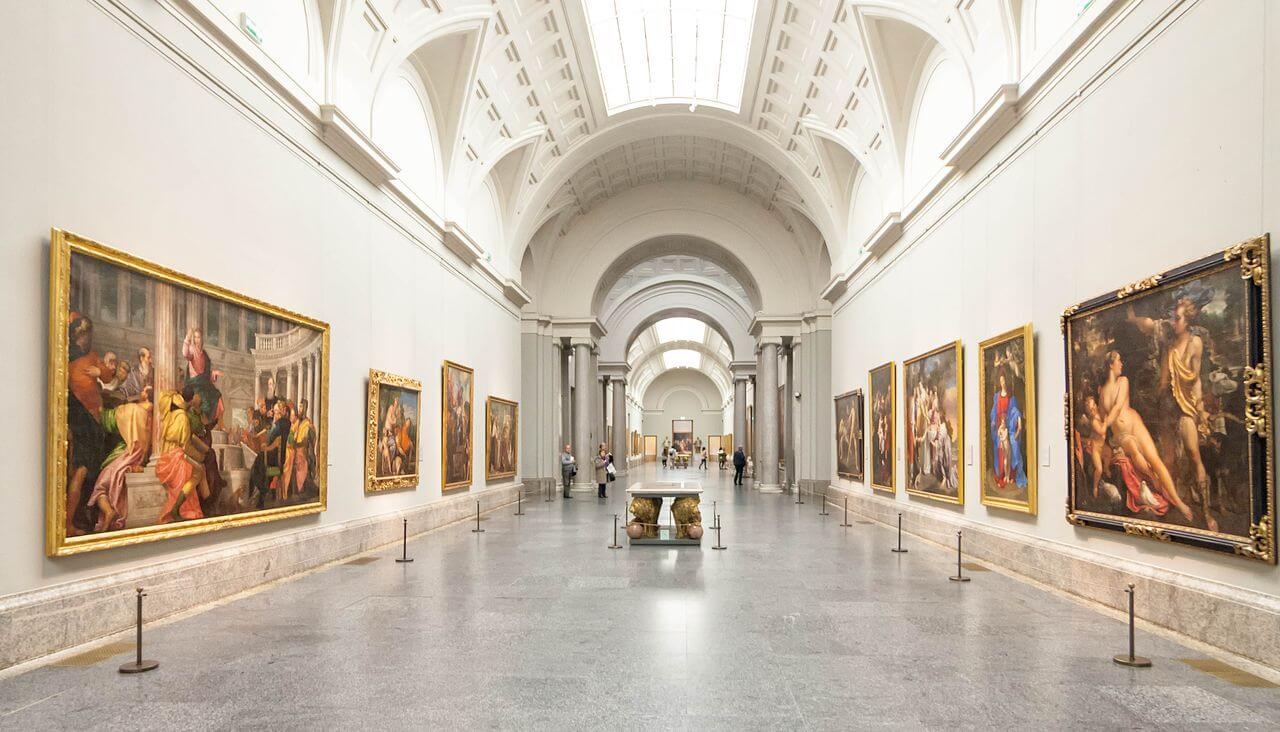
Madrid’s "Landscape of Light," a UNESCO World Heritage site since 2021, is the perfect starting point. The area houses over 40 monuments and historic buildings, anchored by the legendary Prado Museum. As one of the world’s most significant repositories of art, the Prado is home to the masterpieces of El Greco, Velázquez, and Goya. A minimum of three hours is required to properly appreciate the scale of this collection.
A short walk along the Paseo del Prado leads to the Thyssen-Bornemisza, a sprawling private collection bridging the gap between Renaissance and Pop Art, and finally, the Reina Sofía. The latter is the definitive home of modern art, housing Picasso’s Guernica, arguably the most poignant anti-war statement in the history of painting. Following this, explore the "House Museums," specifically the Sorolla Museum. Reopening in 2026 after extensive renovations, this former residence of "the painter of light" provides an intimate look at how Madrid’s elite once lived.
Day 2: Habsburg Grandeur and Historic Heart
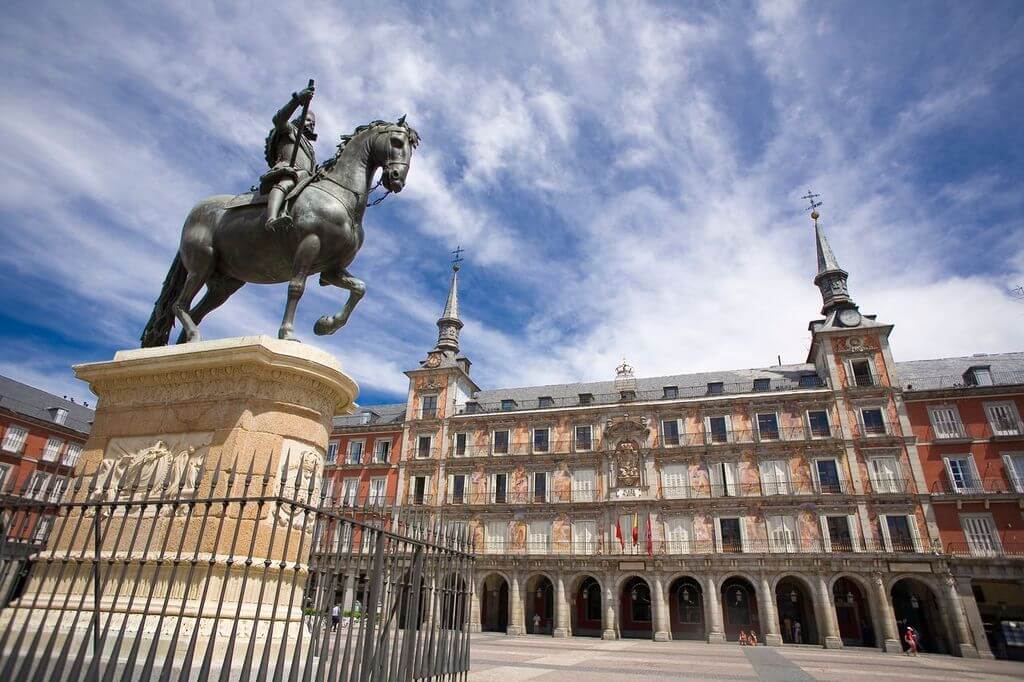
Day two focuses on the medieval and Renaissance legacy known as Madrid de los Austrias. The journey begins at Puerta del Sol, the physical center of Spain. Here, travelers find "Kilometer Zero," the point from which all national highways originate, and the iconic El Oso y el Madroño (The Bear and the Strawberry Tree) statue, a symbol of the city’s coat of arms.
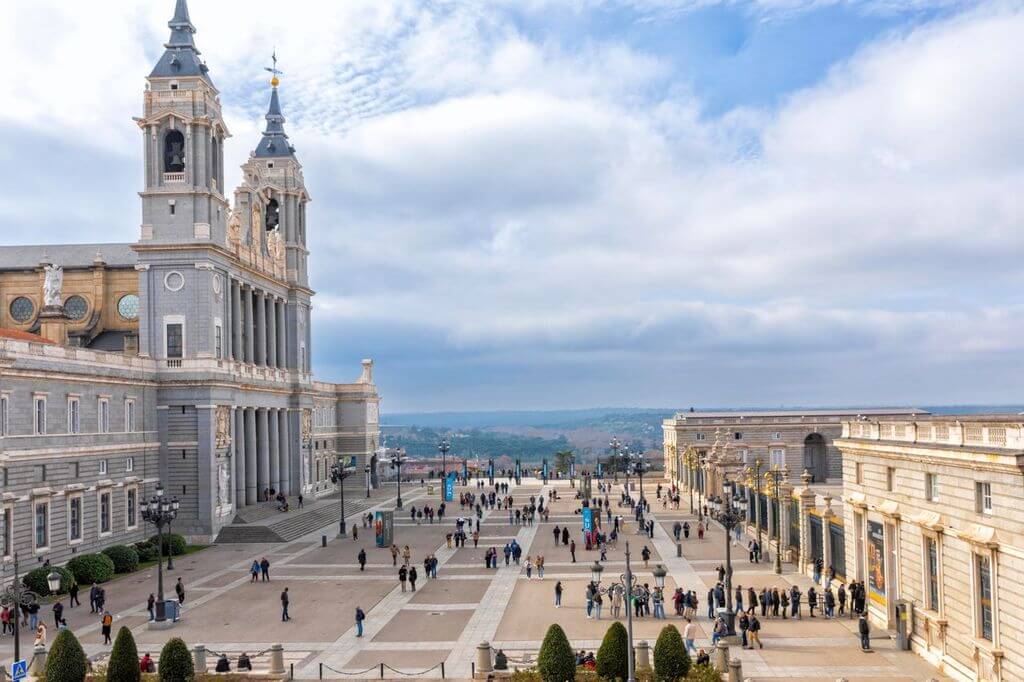
A short walk leads to the Plaza Mayor, a grand, porticoed square that has witnessed everything from royal coronations to public executions. Today, it serves as an atmospheric hub for people-watching. Following a traditional calamari sandwich in the nearby alleys, the afternoon is dedicated to the Royal Palace. Boasting over 3,400 rooms, it is the largest palace in Western Europe. While it no longer serves as a residence, its Baroque interiors and the Royal Armory offer a glimpse into the opulent history of the Spanish monarchy. Conclude the day at the Almudena Cathedral, where the Neo-Romanesque crypt provides a somber, beautiful contrast to the nearby palace.
Day 3: A Culinary Odyssey
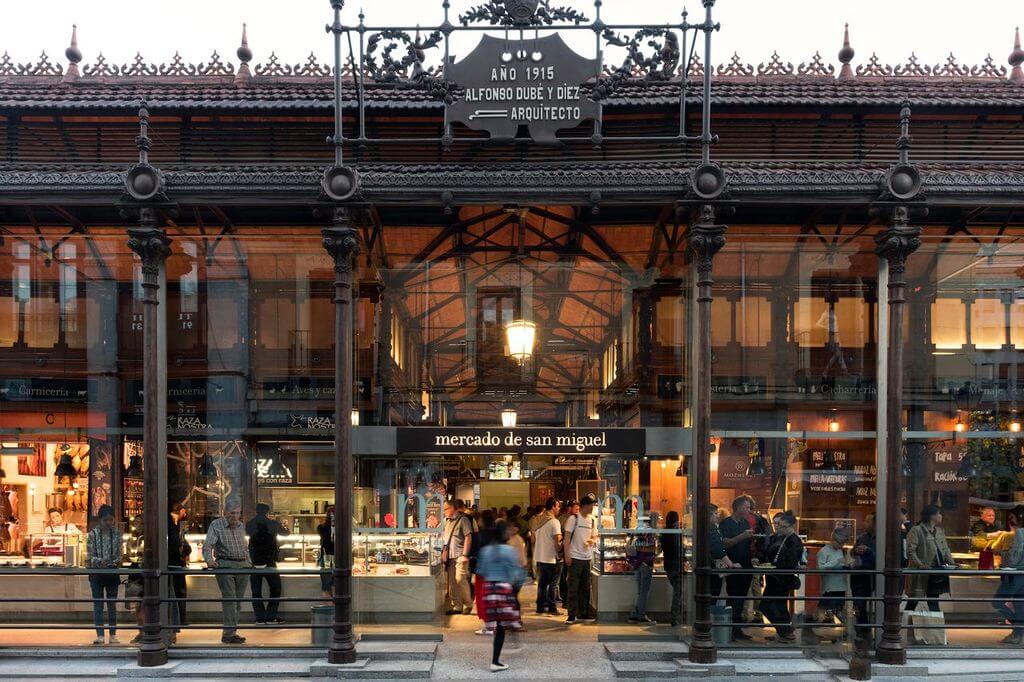
Madrid is a destination that demands an appetite. Eschewing the typical tourist traps, the culinary tour begins at the Mercado de San Miguel, a glass-walled structure that serves as a temple to gourmet tapas. For those seeking deeper immersion, the Mercado de San Antón in Chueca and the Mercado de Vallehermoso offer regional delicacies favored by locals.
For dinner, history meets gastronomy at Sobrino de Botín, the world’s oldest restaurant according to the Guinness World Records, famously frequented by Ernest Hemingway. As the sun sets, the "rooftop culture" of Madrid comes alive. Venues like The Roof at Picalagartos or the RIU 360º sky bar provide panoramic views of the skyline, perfect for a signature cocktail. It is worth noting that Madrid has recently emerged as a leader in European vegan and vegetarian dining, with Malasaña serving as the epicenter for plant-based innovation.
Day 4: UNESCO Wonders and Royal Day Trips
Beyond the city limits, Spain’s imperial history is on full display. A one-hour trip leads to the Monastery of San Lorenzo de El Escorial, a sprawling complex commissioned by Philip II. Its austere granite walls and symmetrical design reflect the seriousness of the Spanish Golden Age. Alternatively, the Royal Palace of Aranjuez offers a lush, green counterpoint to the city, rivaling Versailles in its garden design. For literature enthusiasts, Alcalá de Henares—the birthplace of Miguel de Cervantes—is an essential pilgrimage, offering a perfectly preserved glimpse into the 16th and 17th centuries.
Day 5: Hidden Treasures and Local Life
On the final day, explore the "hidden palaces" that define the city’s monastic history. The Monastery of Las Descalzas Reales and the Royal Monastery of La Encarnación are architectural jewels that house incredible art collections. Las Descalzas Reales, in particular, is a treasure trove, as aristocratic women who sought refuge there often brought their private art collections with them.
Conclude the trip in Casa de Campo, the city’s largest public park. Spanning 17 square kilometers, it offers tranquil lakeside dining with an unparalleled view of the Royal Palace, providing a moment of reflection before departing.
Supporting Data: Why Madrid Leads
Statistics from the Madrid Tourism Board indicate that tourism growth is consistently tied to the city’s cultural infrastructure. Since the 2021 UNESCO designation, the "Landscape of Light" has seen a 15% increase in foot traffic. Furthermore, the average length of stay for international visitors has increased to 4.2 days, suggesting that tourists are moving beyond short-term city breaks to engage in deeper, multi-day exploration of the region.
Official Perspectives and Implications
The city’s municipal government has made a concerted effort to preserve the "authentic" nature of the historic center, balancing the influx of tourism with the preservation of local traditions like the casas de comidas (traditional eateries). According to local tourism officials, the strategy is clear: position Madrid not as a gateway to other Spanish destinations, but as a primary, multi-faceted destination in its own right.
The implication for the modern traveler is significant. Madrid is evolving from a transit hub into a primary cultural anchor. By moving away from the "must-see" checklist and adopting the local pace of life, visitors contribute to the sustainable growth of the city’s artisanal and historic districts.
Final Verdict
Madrid is a city of layers. Whether one is navigating the silent, cloistered halls of a 17th-century monastery or joining the raucous, late-night crowds in a neighborhood tapas bar, the city offers a profound sense of place. It is a capital that respects its history while aggressively pursuing the future, making it an essential destination for any serious traveler. By planning with intent and allowing time for the unexpected, a five-day stay in Madrid will likely be the first of many.