In the vast, often overlooked archives of American regional cuisine, there exists a category of dishes that occupy a unique space: the "forgotten comfort." These are the meals that once defined the landscape of the American lunch counter, serving as the backbone of diner menus from the industrial Midwest to the rural outposts of the Great Plains. Among these, few are as iconic, as hearty, or as ripe for a modern-day resurgence as chicken and noodles served over a bed of creamy mashed potatoes.
While the current culinary zeitgeist often leans toward the ephemeral—trendy fusion tacos, artisanal toasts, and hyper-specific health fads—there is a growing counter-movement of diners and chefs looking to reclaim the soul of the American plate. Chicken and noodles over mashed potatoes is the vanguard of this movement, a dish that unapologetically embraces the "double-starch" philosophy that defined mid-century home cooking.
The Architecture of a Midwest Staple
At its core, the dish is a study in simplicity. It consists of tender chunks of slow-cooked chicken simmered in a rich, roux-thickened gravy, tossed with thick, chewy egg noodles, and ladled generously over a mound of whipped potatoes. In Northern Indiana, where this dish is perhaps most deeply rooted, it was never a specialty reserved for fine dining; it was the quintessential "blue plate special."
The Chronology of the Lunch Counter Era
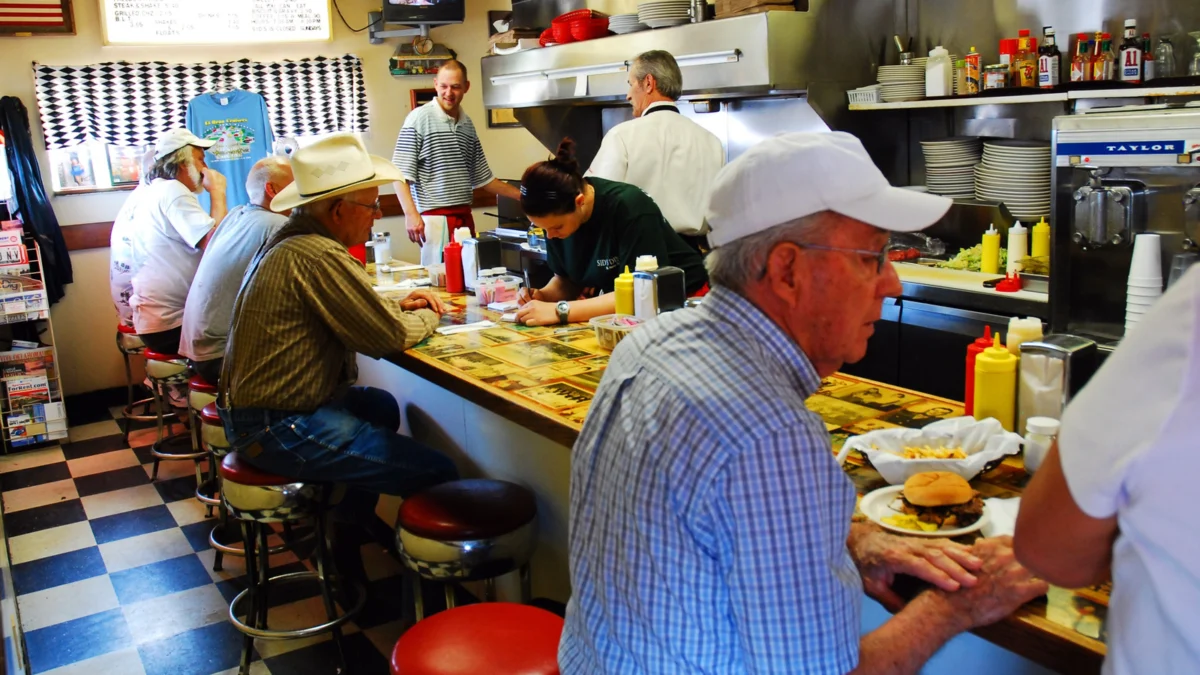
To understand the dish, one must look at the history of the American diner. In the mid-20th century, diners were the literal and figurative crossroads of American life. As families migrated and the workforce expanded, the need for high-calorie, affordable, and deeply satisfying food became paramount.
- 1940s–1950s: The "Golden Age" of the American lunch counter. During this period, chicken and noodles over mashed potatoes became a reliable, cost-effective staple for blue-collar workers. The dish utilized ingredients that were shelf-stable or readily available: potatoes, flour, butter, and chicken.
- 1970s–1990s: The rise of fast-food chains and the shift toward dietary trends began to push heavy, carb-dense comfort foods to the periphery. As the focus shifted toward portability and speed, the "sit-down and linger" nature of this specific dish began to decline.
- 2024–Present: A post-pandemic interest in "nostalgia dining" has sparked a renewed curiosity. Younger generations, seeking comfort in an increasingly digital world, are discovering the tactile satisfaction of the lunch counter, propelling long-forgotten dishes back into the public consciousness.
Supporting Data: The Economics of Comfort
Beyond the emotional appeal, there is a compelling economic argument for why this dish is perfectly positioned for a comeback. In an era of rampant food inflation, where beef prices have soared due to supply chain volatility and environmental factors, the poultry sector remains a bastion of price stability.
According to recent retail data, boneless, skinless chicken breast remains one of the most accessible proteins for both home cooks and commercial kitchens, often averaging around $2.60 per pound. When paired with Russet potatoes—which remain one of the most affordable pantry staples at approximately $0.70 per pound—the food cost for a restaurant to produce this meal is remarkably low.
Cost-Efficiency Breakdown
For a restaurateur, the margins are significant:
- Protein: Chicken breast (or even high-quality thighs for better flavor) provides a high satiety-to-cost ratio.
- Base: Potatoes and flour (for roux and noodles) are exceptionally cheap in bulk, allowing for a generous portion size that provides high "perceived value" to the customer.
- Labor: While homemade egg noodles are a mark of quality, the process is streamlined and repetitive, making it an excellent candidate for commercial kitchen efficiency.
Challenging the Dietary Dogma
Critics of the "double-starch" approach often point to the rise of keto, low-carb, and paleo diets as the primary reason for the decline of dishes like this. However, the success of other "carb-heavy" staples suggests that the death of the comfort meal has been greatly exaggerated.
Macaroni and cheese, biscuits and gravy, and funeral potatoes have maintained their place in the American canon precisely because they provide a psychological comfort that diet-focused foods cannot replicate. Chicken and noodles over mashed potatoes falls into this same "secondhand nostalgia" category. Even for those who did not grow up eating it, the sensory profile is inherently familiar: it evokes the warmth of chicken soup, the savory depth of Thanksgiving gravy, and the elemental comfort of whipped potatoes.
The Evolution of the Recipe
One of the most appealing aspects of this dish is its versatility. While traditional versions are relatively static, modern kitchens are finding ways to elevate the dish to suit contemporary palates.
Variations on a Theme
- The Vegetable Inclusion: Many modern iterations incorporate carrots, peas, or onions into the gravy. This not only adds color and texture but also fulfills the modern consumer’s desire for a "complete meal" on one plate.
- Texture Contrast: Some chefs are experimenting with fried chicken skins or crispy shallots as a topping, providing a necessary crunch against the softness of the noodles and potatoes.
- The "Scratch" Movement: There is a growing trend toward "house-made everything." Restaurants are distinguishing themselves by rolling their own egg noodles daily, a process that elevates the dish from a simple diner meal to a craft culinary experience.
Official Perspectives: The Chef’s Take
We spoke with several regional culinary directors who are experimenting with the return of "heritage lunch" menus.
"People are tired of small plates and deconstructed salads," says Chef Marcus Thorne, a proponent of Midwestern revivalist cooking. "When a customer sits down at a counter, they want to feel cared for. A bowl of chicken and noodles over mashed potatoes is the culinary equivalent of a weighted blanket. It’s not just about the calories; it’s about the signal that you are in a place where food is made with intention, not just assembly."
When asked about the potential for menu fatigue, industry experts suggest that the key is the "storytelling" behind the dish. By framing it as a regional classic—a "Northern Indiana specialty"—restaurants create a sense of discovery for the diner, transforming a simple lunch into an educational experience.
Implications for the Future of Dining
The potential resurgence of this dish has broader implications for the restaurant industry. It suggests a pivot away from the "fine dining at all costs" mentality and a return to "approachable excellence."
1. Supply Chain Resilience
By leaning into staples like chicken and potatoes, restaurants are less susceptible to the wild price swings associated with specialty ingredients. This creates a more stable, sustainable business model for small-to-medium-sized diners.
2. The Return of the Lunch Counter
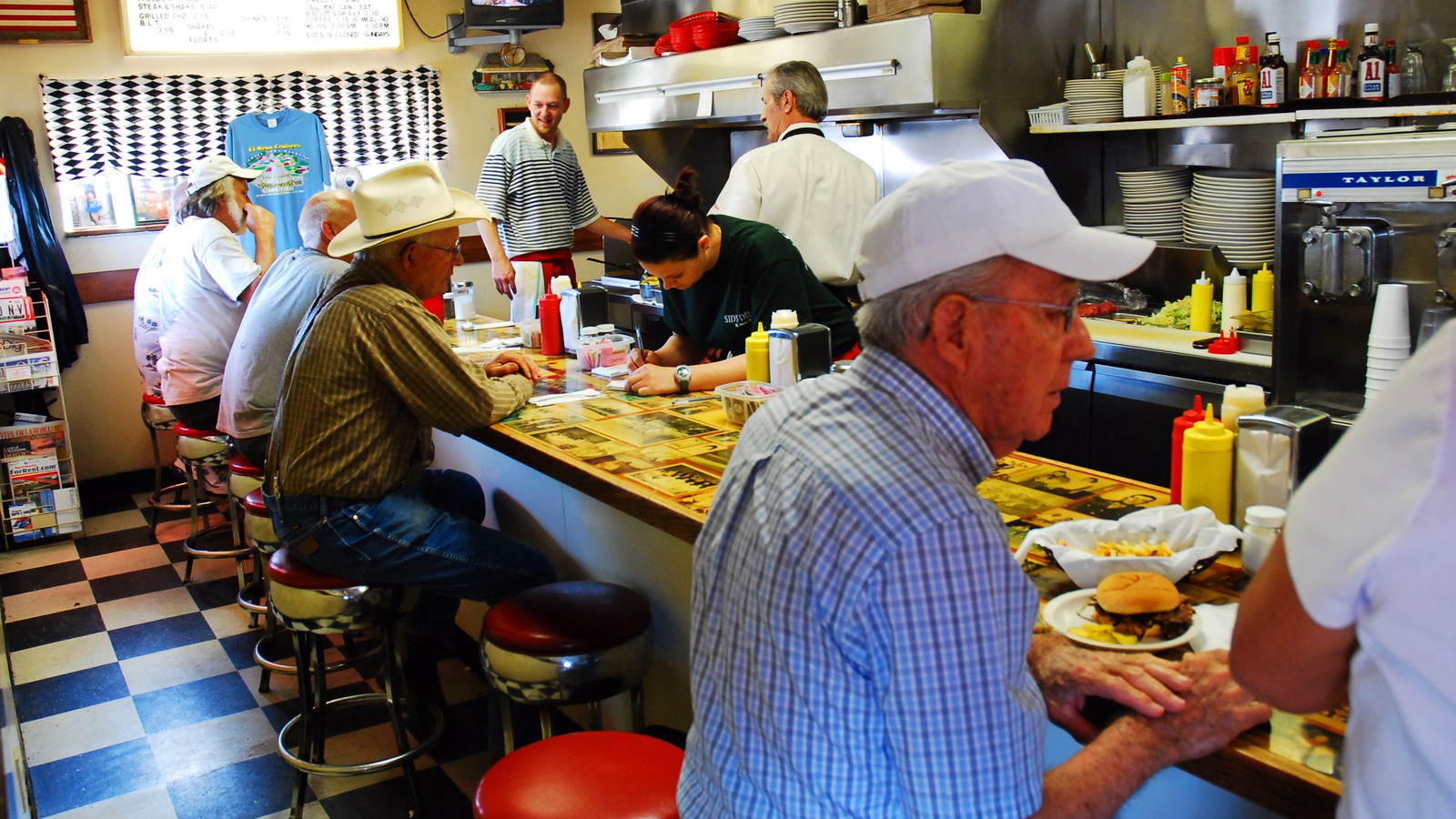
The lunch counter is a unique social space. Unlike booths or tables, the counter facilitates a different kind of interaction. Promoting dishes that are easy to serve and eat at a counter encourages a more communal dining atmosphere, helping to combat the isolation that has plagued urban social lives in recent years.
3. Cultural Preservation
Every time a restaurant brings back a dish like chicken and noodles over mashed potatoes, it saves a piece of American culinary history from total erasure. It keeps the techniques of our grandparents alive—the making of a proper roux, the rolling of dough, the patient simmering of broth.
Conclusion: A Comforting Future
Chicken and noodles over mashed potatoes is more than just a meal; it is a bridge between the past and the present. It represents a time when lunch was a restorative pause, and when the kitchen was the heart of the community.
As we look toward the future of the American restaurant landscape, it is clear that the most successful concepts will be those that balance innovation with the familiar. By reclaiming this regional classic, the industry has the opportunity to serve food that is not only affordable and sustainable but deeply, profoundly comforting. The comeback of the lunch counter is not just about nostalgia; it is about acknowledging that sometimes, the best way forward is to return to the simple, satisfying flavors that have always defined us.