The traditional marketing playbook—a rigid, top-down strategy where studios dictated the message and audiences passively consumed it—has been rendered obsolete. In its place, a new, volatile, and highly collaborative ecosystem has emerged, driven by artificial intelligence, social video, and a generation of consumers who refuse to be mere spectators.
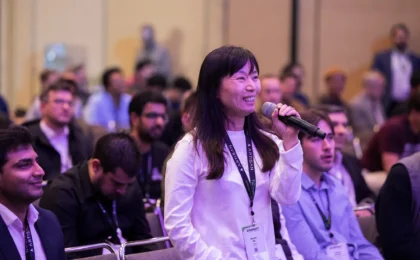
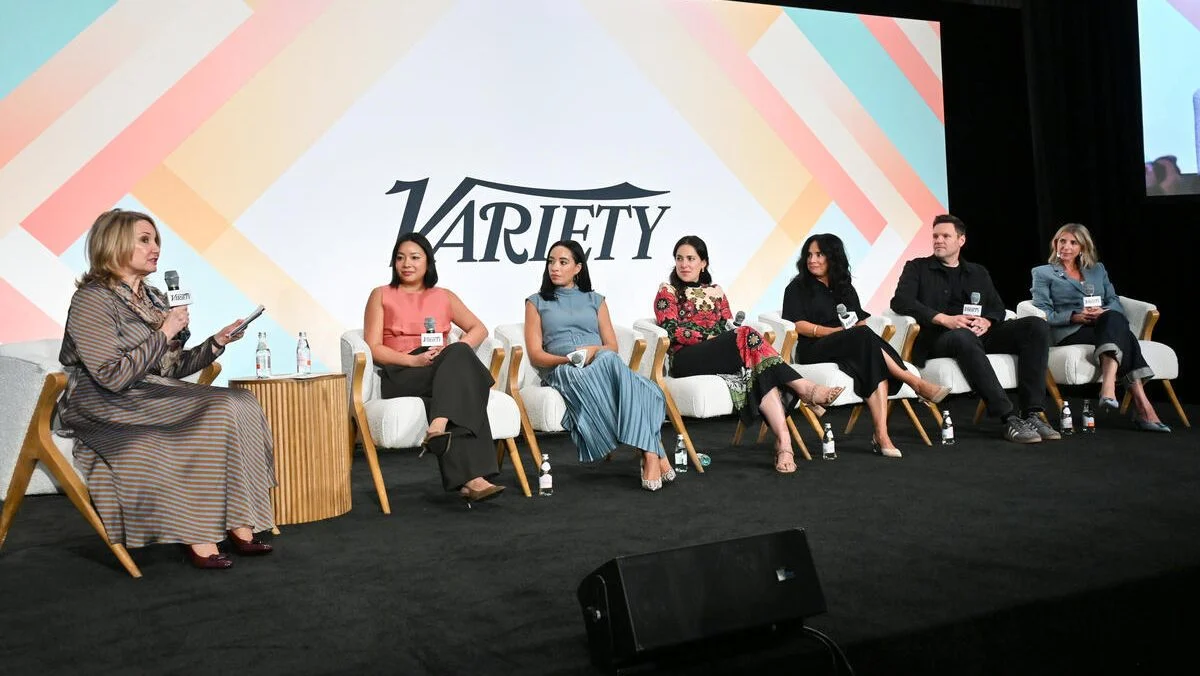
This paradigm shift was the central focus at Variety’s recent Entertainment and Technology Summit in Los Angeles. During a high-level panel moderated by Variety publisher and co-president Dea Lawrence, executives from industry titans—including Lionsgate, TikTok, Spotify, Pinterest, AMC Global Media, and youth culture agency Archrival—converged to dissect how the "creator economy" is forcing a total rethink of how brands build, maintain, and monetize entertainment experiences.
The Main Facts: A Shift Toward Co-Creation
For decades, entertainment marketers guarded their intellectual property (IP) like state secrets, releasing campaign assets with surgical precision. Today, that level of control is not only impossible but counterproductive.
The panel reached a consensus: the most successful campaigns are now those that relinquish control to the fans. In an era dominated by TikTok and short-form social video, marketing has evolved into a "participatory culture of co-creation." Studios are no longer the sole architects of their narrative; they are merely the providers of the raw material, leaving fans to edit, remix, and propagate the content in ways that feel authentic to their own online communities.
Chronology of a Marketing Evolution
The transition from "broadcasting" to "participating" has happened in three distinct phases over the last decade:
- The Era of Controlled Messaging: Prior to the social media boom, marketing was defined by the "tentpole" model. Advertisers bought traditional media spots, and the audience was a monolithic block.
- The Rise of the Influencer: As platforms like Instagram and early YouTube gained traction, marketers pivoted to paying influencers to talk at their audiences. While more effective than traditional ads, it remained a transactional relationship.
- The Current "Creator-Fan" Synthesis: We have now entered the third phase, where the line between the marketer and the fan has blurred entirely. Fans aren’t just sharing content; they are creating the primary promotional assets. As Lionsgate’s global head of digital marketing, Briana McElroy, noted, the most effective marketing content today is often produced by 15-to-18-year-old fans in their bedrooms.
Supporting Data: The Scale of Modern Fandom
The sheer volume of fan-generated content is staggering. Dawn Yang, Global Head of Entertainment at TikTok, shared data points that underscore why the platform has become the epicenter of modern entertainment marketing:
- 12 Million Daily Posts: TikTok now sees over 12 million TV and film-related posts uploaded by users every single day.
- The "Edit" Phenomenon: This massive output represents an unprecedented level of fan engagement. These users are creating "edits"—highly stylized, music-synced, visual tributes to characters, actors, or specific scenes.
- The Authenticity Gap: Briana McElroy revealed that Lionsgate now actively hires these fans to create their official brand content. The realization was simple: professional, high-gloss trailers often fail to capture the "vibe" that a fan-made edit achieves effortlessly. By outsourcing creativity to the people who actually love the content, studios are achieving a level of authenticity that internal marketing departments simply cannot replicate.
Official Responses and Strategic Perspectives
The "Ecosystem" Approach: Archrival
Ben Harms, Chief Growth Officer at Archrival, argued that the next decade of brand success will not be defined by "impressions" or "reach," but by the value a brand adds to a consumer’s life. "We’ve optimized and engineered everything, but we’ve lost the magic," Harms said. He argued that brands must stop treating marketing as an exercise in noise-making and start building ecosystems where human connection is the primary product.
The "Real-World" Bridge: Pinterest
Sara Pollack, Global Head of Consumer Marketing at Pinterest, highlighted the platform’s role in converting digital fandom into physical, tangible experiences. She cited a recent collaboration with Warner Bros. for Practical Magic 2. Instead of just running digital ads, Pinterest analyzed the specific aesthetic interests of their Gen Z users—such as herbalism, tarot, and apothecaries—and created pop-up experiences.
"For Gen Zers who maybe didn’t see the first film," Pollack noted, "we created a bridge to the second by meeting them where their interests already were." This move transformed a passive movie promotion into a "choose-your-own-adventure" experience, building a deeper connection than a standard trailer ever could.
The Myth of the "Gen Z" Monolith: Spotify
Jenny Haggard, Global Head of Thought Leadership at Spotify, issued a sharp critique of how the industry treats Gen Z. She noted that marketers often make the mistake of viewing the 14-29 demographic as a single, homogenous group.
"I was a very different person at 14 than I was at 29," Haggard observed. She argued that "life stage" is a far more accurate predictor of consumer behavior than birth year. Furthermore, she challenged the industry’s obsession with six-second ads. Citing internal Spotify data, she revealed that a significant portion of older Gen Z listeners consume 100% of two-hour-long podcast episodes. Her conclusion was direct: "Gen Z isn’t allergic to long-form content; they’re allergic to shitty content."
Implications: The New Marketing Mandate
The overarching theme of the summit was clear: the era of the "one-size-fits-all" campaign is dead. The new marketing mandate requires three critical shifts:
1. Embracing "Choose-Your-Own-Adventure" Journeys
Kim Granito, CMO for AMC Global Media, emphasized that marketers must provide "on-ramps" for different types of fans. A fan of The Walking Dead who watches every spinoff but never posts on social media is just as valuable as a superfan who dresses up for conventions. The goal is to build a layered, multi-dimensional brand experience that allows fans to engage at their own pace and in their own preferred style.
2. Prioritizing Value Over Volume
As the digital landscape becomes increasingly cluttered with AI-generated content and mass-produced social media posts, "meaningful connection" has become the scarcest commodity. Brands that win will be those that provide utility, inspiration, or genuine community, rather than those that simply attempt to dominate the algorithm with high-frequency, low-effort content.
3. Redefining Success Metrics
The panel suggested a departure from vanity metrics like "likes" or "shares." Instead, the focus is shifting toward "depth of engagement." Whether it is a user creating their own tea blend based on a film’s aesthetic or a fan listening to a two-hour deep-dive podcast, the new gold standard is the time and energy a consumer invests in the brand’s ecosystem.
Conclusion
The entertainment industry is currently undergoing a painful but necessary metamorphosis. The power dynamic has tilted away from the boardroom and into the hands of the audience. For marketers, the path forward is not to fight this transition, but to facilitate it. By creating the infrastructure for fans to express their love—and by respecting the intelligence and attention span of the modern consumer—brands can move beyond being simple products and become integral parts of their fans’ identities. The future of entertainment belongs to those who know when to speak, and, more importantly, when to listen.