For many Chicago homeowners, the dream of a renovation is often tied to aesthetic trends—the latest kitchen backsplash, the modern open-concept floor plan, or the trendiest paint colors. However, the unique and often punishing environment of the Windy City demands a more strategic approach to home improvement. In a market where extreme temperature fluctuations, heavy snowfall, and high humidity are the norm, the most valuable home improvements are rarely just visual; they are protective.
To maximize the return on investment (ROI) for a Chicago property, homeowners must balance the desire for modern living with the absolute necessity of structural fortification. Whether you are preparing to list your home or simply looking to enhance your long-term equity, understanding the hierarchy of home improvement is essential.
Key Takeaways
- Prioritize the Envelope: Protecting your home’s exterior from Chicago’s freeze-thaw cycles is the single most effective way to maintain property value.
- Structural First, Aesthetic Second: Cosmetic upgrades lose their appeal if the home suffers from foundational issues, water intrusion, or poor energy efficiency.
- Climate-Specific Upgrades: Investments in insulation, high-performance windows, and moisture management provide tangible financial returns through lower utility bills and averted disaster costs.
- The "Boring" ROI: While kitchen remodels capture the imagination, foundational elements like roofing, sewer lines, and attic insulation provide the most reliable long-term protection for your investment.
The Chicago Climate Challenge: A Chronology of Maintenance
To understand why specific renovations are prioritized in Chicago, one must look at the environmental chronology of the city. A home in Chicago is under constant assault by the elements.
In the late autumn, the city experiences rapid temperature drops that cause materials to contract. As winter sets in, the combination of heavy snow loads and sub-zero temperatures creates the perfect environment for ice dams—where melting snow refreezes at the eaves, forcing water under shingles and into walls. Spring brings the "thaw," which tests the integrity of your home’s drainage systems, foundation grading, and basement sump pumps. Finally, summer introduces high humidity levels that challenge exterior coatings and indoor air quality.
Because of this cycle, the "chronology" of a successful home improvement plan should always start from the outside in. A homeowner who invests in a high-end kitchen while ignoring a failing roof or deteriorating exterior siding is essentially building on a foundation of sand.
Supporting Data: Why Exterior Durability Dictates Market Value
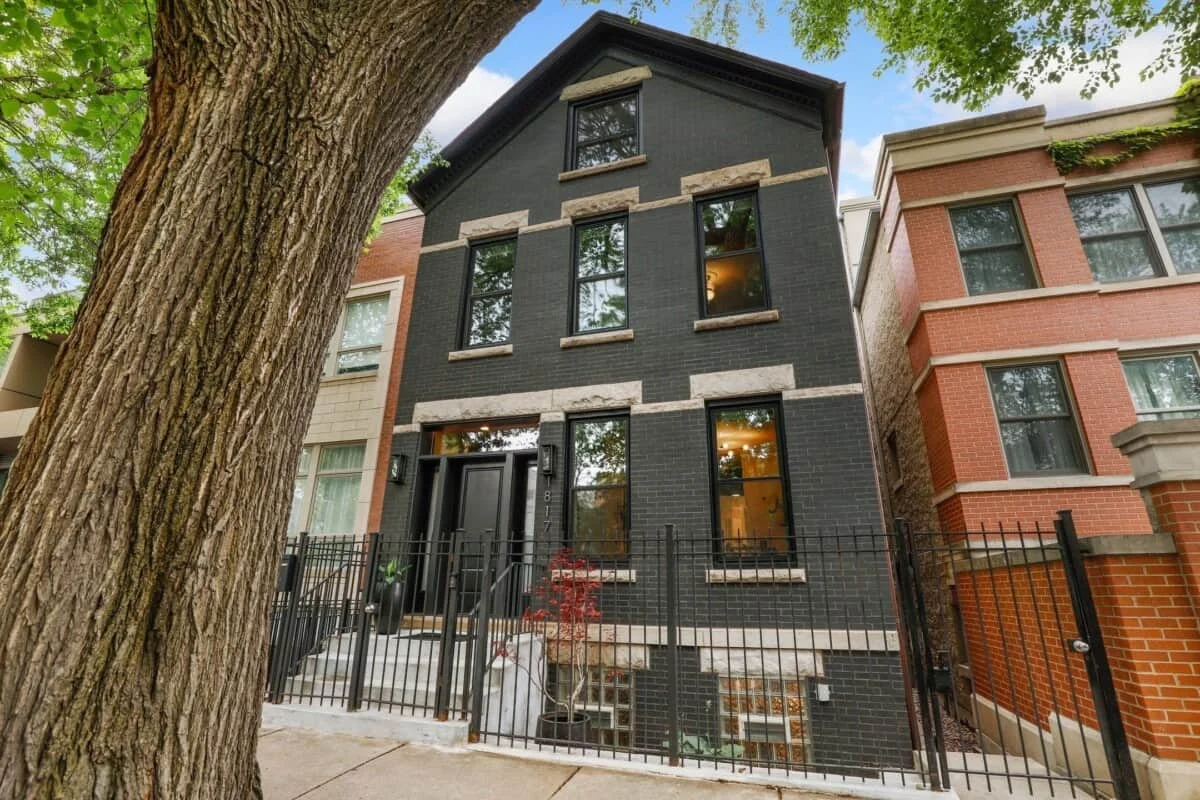
Kaspars Melderis, a specialist with Rhino Shield of Chicagoland, notes that in the competitive Chicago real estate market, first impressions are the primary driver of value. "High-quality exterior upgrades are one of the smartest investments a homeowner can make for a strong ROI," Melderis explains.
Data supports this assertion. Traditional paint jobs in Chicago frequently fail prematurely due to the intense expansion and contraction of building materials. Buyers are increasingly savvy; when they see peeling paint or weathered wood, they immediately subtract the cost of a full exterior overhaul from their potential offer.
Beyond aesthetics, the numbers for roof replacements remain consistently high in terms of value retention. According to the Remodeling Magazine Cost vs. Value Report, replacing an asphalt shingle roof adds an average of over $15,000 to a home’s resale value nationally. In a city like Chicago, where roofs are regularly subjected to ice damming and wind-driven rain, a new, professionally installed roof serves as a "peace of mind" feature that can be the deciding factor in a bidding war.
Official Perspectives: The "Boring" Essentials
Lyle Jover, a licensed home inspector at Chicago Home Inspect, argues that homeowners often misallocate their budgets. "I recommend focusing on the boring stuff first," Jover advises. "Chicago weather is harsh and hard on homes, and if you don’t manage the basics, you are going to pay for it later."
Moisture Management
Jover emphasizes that water is the "biggest destroyer of homes." His list of priority investments includes:
- Proper Landscape Grading: Ensuring water flows away from the foundation rather than toward it.
- Downspout Extensions: Diverting roof runoff far from the home’s perimeter.
- Sump Pump Reliability: A critical component for any basement-level living space in the city.
- Sewer Line Inspections: For homeowners in older neighborhoods, this is non-negotiable. The cost of a sewer line failure—often involving excavation of the front yard—is a financial catastrophe that can be avoided with early detection.
Energy Efficiency
The intersection of comfort and efficiency is where the best ROI is found. In a city with massive heating and cooling demands, insulation and window technology are paramount. Upgrading to double-pane, argon-filled windows does more than just look good; it creates a thermal barrier that prevents the "Chicago draft" that plagues older architecture. These improvements are frequently cited by potential buyers as high-value assets because they guarantee a lower cost of ownership over the life of the mortgage.
Lifestyle-Focused Renovations: The Final Polish
Once the "envelope" of the house is secure—meaning the roof is sound, the exterior is protected, the sewer line is clear, and the insulation is sufficient—only then should a homeowner turn to lifestyle-focused renovations.
The Kitchen as the Heart of Equity
A well-executed kitchen remodel remains the gold standard for interior value. However, the key here is quality and layout. A kitchen that is visually stunning but functionally awkward will not yield the same ROI as one that optimizes workflow and uses durable, timeless materials. Nationally, kitchen remodels can return anywhere from 50% to 113% of the investment, but this margin is widest when the renovation solves a previous problem (such as a lack of storage or poor lighting).
The Heated Garage
In the context of the Chicago lifestyle, the heated garage has transitioned from a luxury to a highly desired utility. A garage that stays warm throughout the winter not only protects the vehicle’s battery and mechanical systems but also creates a "buffer zone" for the home. It is increasingly viewed as an extension of the living space, perfect for mudrooms, workout areas, or workshop space during the months when outdoor activity is limited.
Implications for Future Sellers
If you are planning to sell your home within the next five years, the implications of these findings are clear: Do not gamble on trendy aesthetics if your structural integrity is in question.
- The Inspection-Proofing Strategy: Anticipate what a buyer’s home inspector will flag. If you fix your downspouts, upgrade your attic insulation, and ensure your exterior is weather-tight before the inspector arrives, you remove the leverage a buyer has to ask for price concessions or credits during the closing process.
- The "Efficiency" Marketing Point: When listing your home, highlight the "boring" upgrades. Use terms like "new energy-efficient windows," "professionally inspected sewer line," and "upgraded attic insulation." These phrases tell a buyer that you have maintained the home with discipline, which instills confidence in the quality of the property.
- Budget Allocation: If you have a set budget, spend 70% on systems and 30% on cosmetics. A home that is warm, dry, and structurally sound will always be easier to sell than a home with a marble countertop but a leaking roof.
Frequently Asked Questions (FAQ)
Q: Which room renovations offer the best return?
A: Kitchen and bathroom updates remain at the top of the list, but their ROI is strictly dependent on the overall health of the home. If your home has "bones" issues, the kitchen remodel will only be seen as a "band-aid" by savvy buyers.
Q: Is energy efficiency worth the upfront cost?
A: Absolutely. In a climate like Chicago’s, the energy savings are compounding. Furthermore, as energy standards become stricter, homes that already possess high-efficiency features will naturally command a premium in the resale market.
Q: Should I prioritize cosmetic or structural upgrades?
A: Always structural. A cosmetic upgrade (like new flooring) is easily replaced by a new owner, but a structural failure (like water in the basement or a failing sewer line) is a deal-breaker that often scares off buyers or requires significant price reductions.
Q: How often should I inspect my sewer line?
A: For older homes in Chicago, an inspection every few years is wise. If you have large trees near your property line, root intrusion is a constant threat. Proactive cleaning or lining of a sewer pipe is infinitely cheaper than an emergency repair following a backup.
Q: Are exterior coatings really worth it?
A: High-quality exterior coatings, when applied by professionals, offer a superior barrier against Chicago’s unique freeze-thaw cycle compared to standard exterior paint. They reduce the need for frequent touch-ups and provide a measurable increase in curb appeal, which is the first variable in any home valuation.