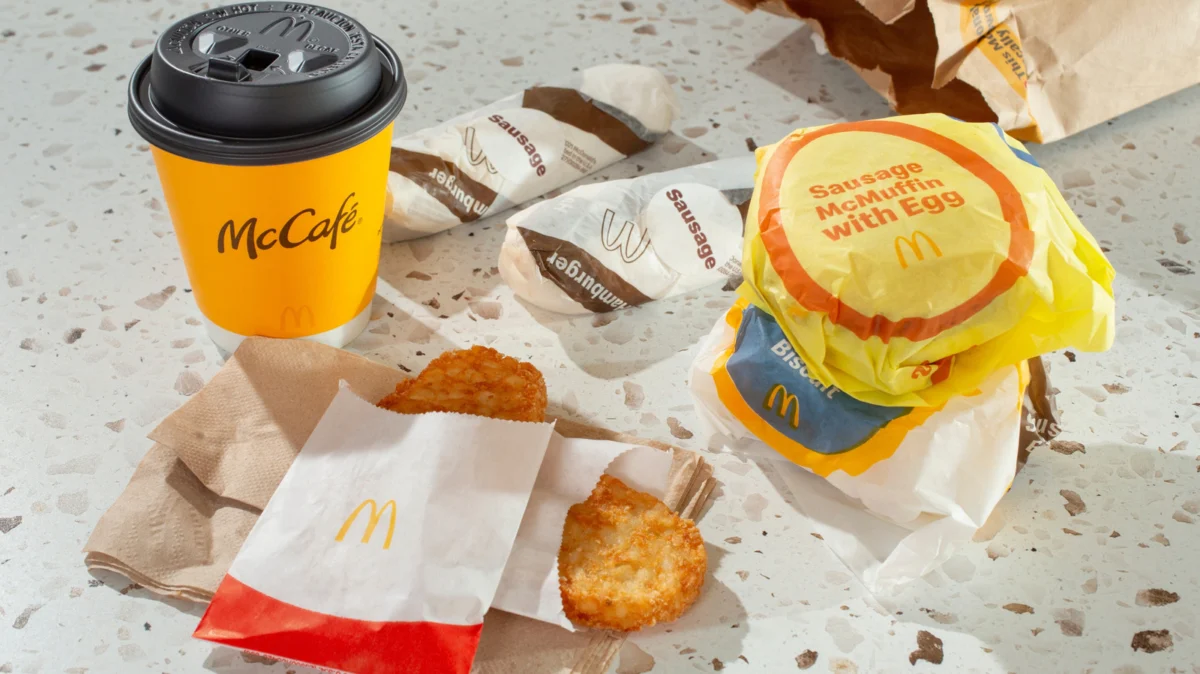
For millions of commuters and early risers, the Golden Arches represent a reliable, comforting ritual. Whether you are a devotee of the classic Egg McMuffin, a fan of the flaky, buttery biscuit, or someone who finds the sweet-and-savory synergy of a McGriddle to be the gold standard of fast-food engineering, McDonald’s breakfast menu remains a cultural titan. Yet, even the most iconic menu items can become routine.
For those looking to break the monotony without venturing into the realm of complex, unattainable "secret menus," the path to a superior breakfast lies in simple, tactical customization. By leveraging the McDonald’s app or communicating clearly at the counter, diners can transform standard items into bespoke meals. This report explores the methodology behind these culinary upgrades, analyzing how subtle changes in texture, flavor balance, and protein density can redefine your morning routine.
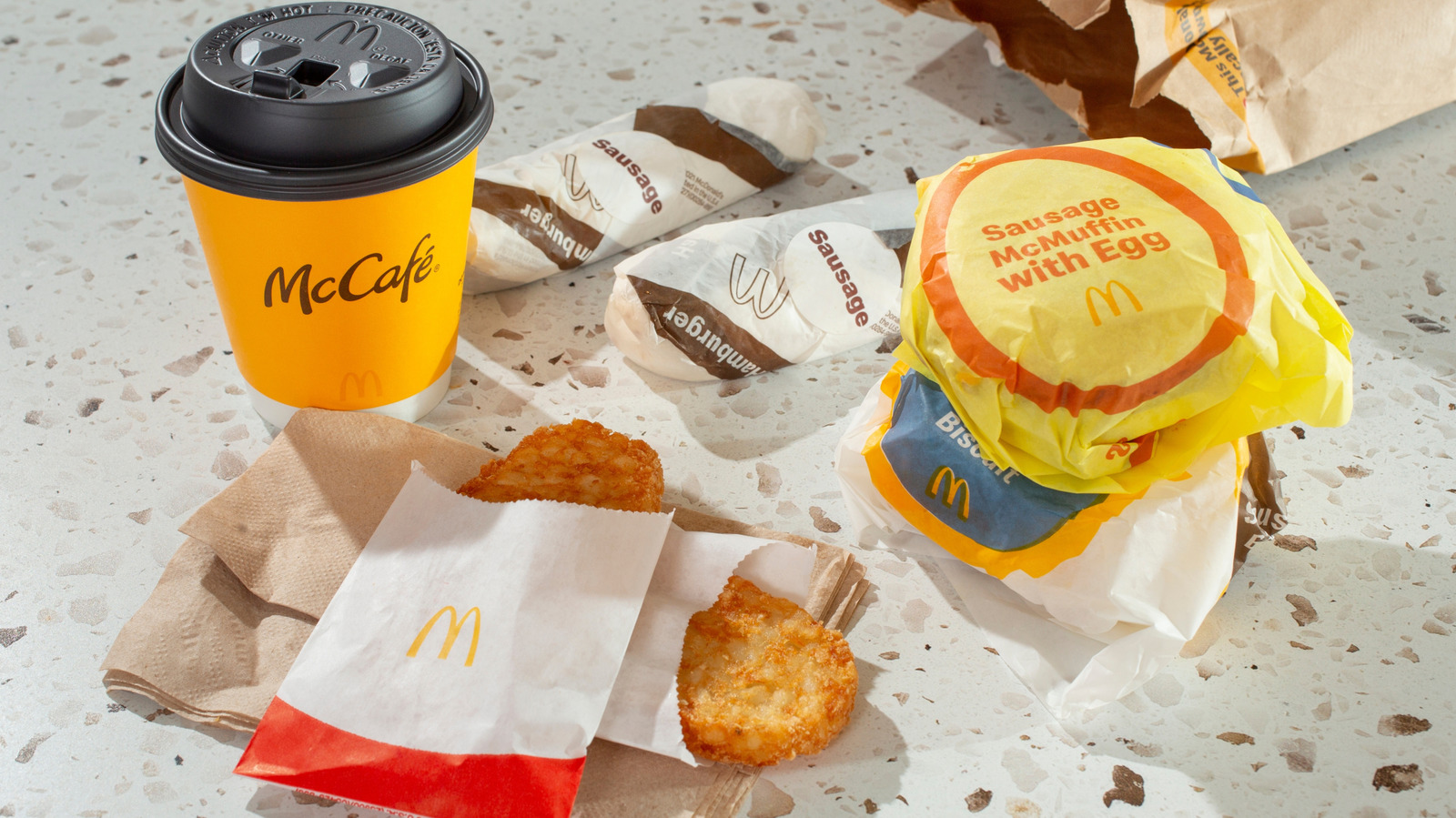
The Methodology of Customization
The core philosophy behind these upgrades is simplicity. By utilizing existing inventory—ingredients already present in the kitchen—diners can achieve a higher level of satisfaction without placing an undue burden on restaurant staff. These "hacks" generally fall into three categories: protein maximization, textural contrast, and flavor profile diversification.
1. The Power of Protein: Doubling Down
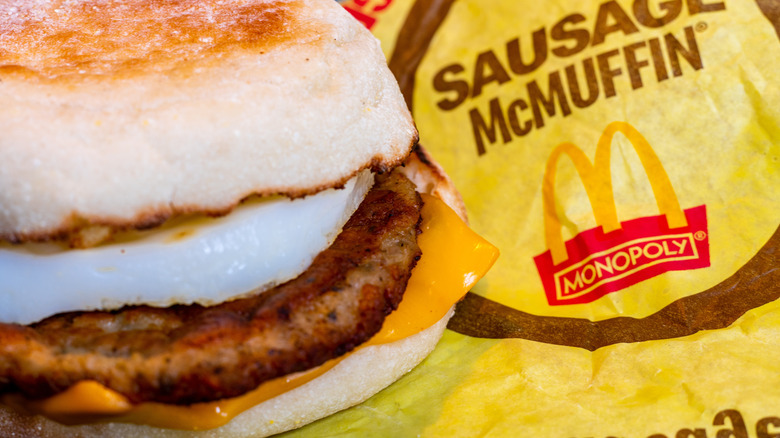
The most straightforward upgrade is the augmentation of existing proteins. If a standard sausage-and-egg biscuit feels insufficient, the digital ordering interface allows for the addition of extra patties, bacon, or eggs.
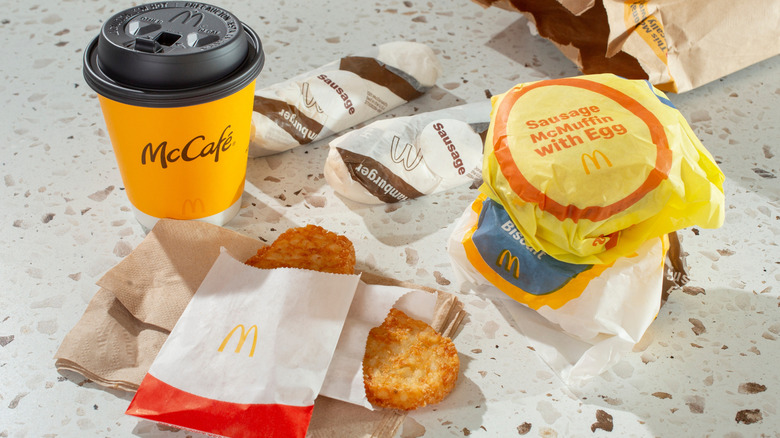
The Implications: This is not merely about satiety; it is about balance. For many, the ratio of meat to bread is the primary grievance with fast-food sandwiches. By doubling the sausage or bacon, the sandwich becomes a more protein-dense meal that provides longer-lasting energy. Furthermore, adding an extra egg can introduce a creamy, rich mouthfeel that rounds out the saltiness of the breakfast meats. It is an affordable investment that moves the meal from a "snack" category into a substantial, hearty breakfast.
2. The Great Egg Debate: Folded vs. Round vs. Scrambled
One of the most significant, yet overlooked, variables in the McDonald’s kitchen is the preparation of the egg.
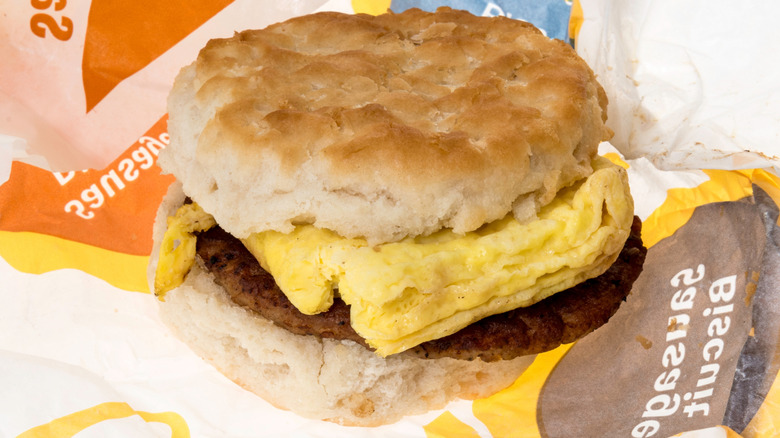
- The Folded Egg: The industry standard for convenience. It is uniform, easy to handle, and consistent.
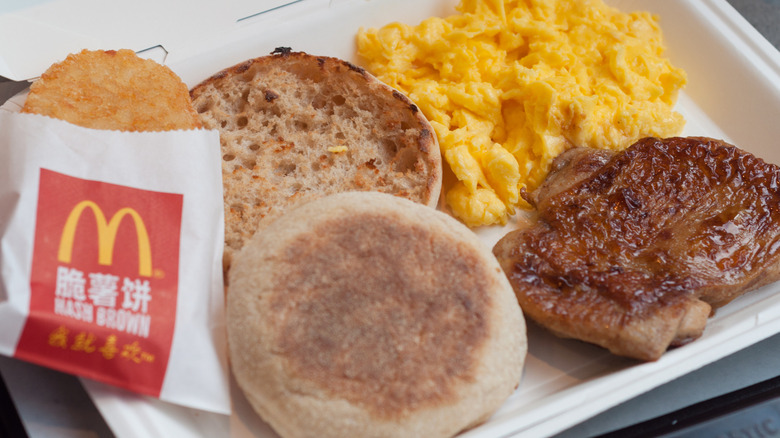
- The Round Egg: Traditionally reserved for the Egg McMuffin, this is a fresh-cracked egg cooked in a ring mold. It offers a firmer, more "authentic" texture that many enthusiasts argue provides a superior bite.
- The Scrambled Egg: Often found in the Hotcakes and Scrambled Eggs platter, this is a softer, looser preparation.
Strategic Substitution: Swapping a folded egg for a round egg—where available—can elevate the textural experience of a biscuit or McGriddle, providing that distinct, fresh-cracked mouthfeel. Conversely, substituting scrambled eggs into a sandwich creates a softer, more "homemade" feel. It is a subtle change that significantly alters the overall eating experience, transforming the sandwich into something reminiscent of a weekend kitchen creation.
Textural Engineering: The Hash Brown Factor
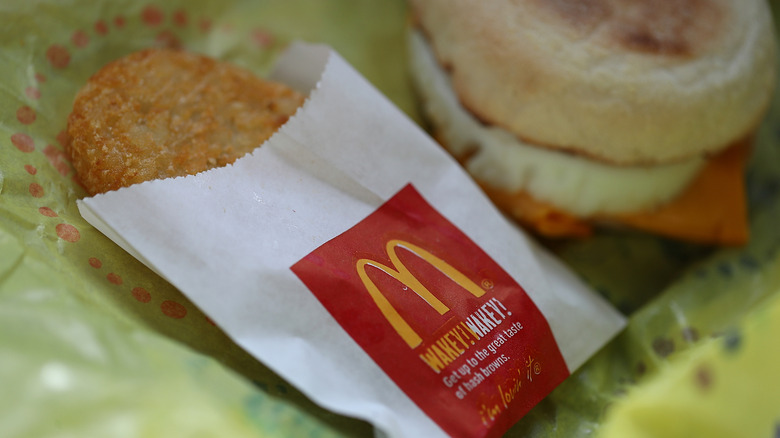
Perhaps the most "legendary" of all McDonald’s breakfast hacks is the integration of the hash brown directly into the sandwich.
The Case for Texture: A standard breakfast sandwich is often composed of soft, yielding components: bread, meat, egg, and cheese. By adding a hash brown—which possesses a crispy, deep-fried exterior and a soft, potato-heavy interior—you introduce a crucial element of crunch.
This is not just about flavor; it is about sensory engagement. The contrast between the soft biscuit and the crispy potato provides a more dynamic experience. To maximize this, it is recommended to insert the hash brown while it is at peak temperature. If the potato sits too long, it loses its structural integrity. When done correctly, the salt and starch of the hash brown act as a perfect bridge between the proteins and the bread.
Flavor Profile Diversification
Once the structural components of the sandwich have been optimized, the final frontier is the flavor profile. Most customers view the condiments provided—syrup, honey, or butter—as exclusive to specific items like hotcakes or biscuits. However, breaking these silos can yield surprising results.
The Sweet-and-Savory Nexus
- Syrup as a Dip: While syrup is intended for pancakes, using it as a dipping sauce for a sausage-based sandwich creates a "sausage-and-pancake" profile. The key here is moderation. By dipping rather than pouring, the consumer retains control over the sweetness level, preventing the bread from becoming soggy.
- Honey and Chicken: The rise of the chicken biscuit has introduced a new opportunity for culinary experimentation. Drizzling a small amount of honey onto a chicken biscuit replicates the flavor profile found in high-end "hot honey" chicken dishes. The honey’s floral sweetness cuts through the savory, salty, and often greasy profile of the fried chicken, creating a balanced, sophisticated bite.
- The Butter Upgrade: Often overlooked, adding extra butter to an English muffin—particularly on a McMuffin—can mitigate the dryness that sometimes occurs with toasted muffins. It adds a layer of richness that ties the egg and cheese together, resulting in a more decadent, velvety finish.
Official Perspectives and Operational Reality
While these customizations are widely available, it is important to note the operational reality of the fast-food environment. McDonald’s maintains a standardized, high-speed assembly line. While most locations are well-equipped to handle requests for "extra bacon" or "round egg instead of folded," some modifications—such as requests for items that are not technically part of the sandwich build—are entirely dependent on the specific franchisee’s policies and the current demand on the kitchen staff.
A Note on Etiquette: The most successful "hackers" are those who use the official mobile app to place their orders. This reduces human error, ensures the request is communicated exactly as intended to the kitchen display system (KDS), and allows for a seamless, contactless transaction. When ordering in person, patience is essential. These upgrades are meant to be fun, not to hinder the workflow of the restaurant team.
Summary of Recommendations
If you are looking to refresh your morning routine, consider these prioritized adjustments:
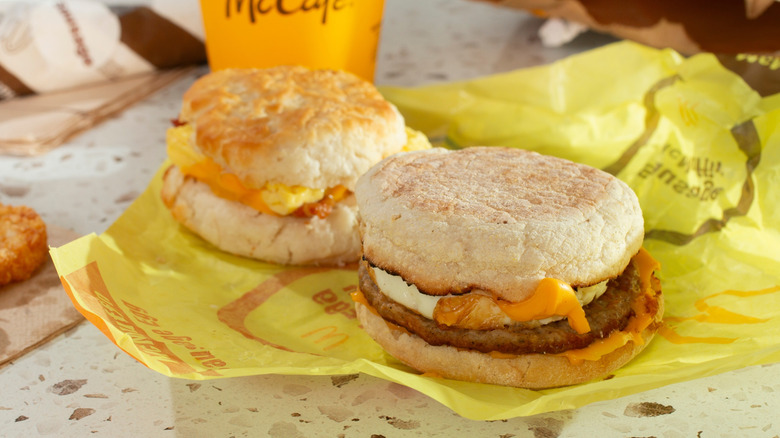
- For the Texture-Seeker: Always order a hash brown and place it inside your sandwich. It is the single most effective way to improve the mouthfeel of any breakfast item.
- For the Protein-Focused: Utilize the "add extra meat" option to balance the bun-to-protein ratio.
- For the Culinary Adventurer: Experiment with swapping the egg style. Moving from a folded egg to a round or scrambled egg changes the entire profile of the sandwich.
- For the Sweet-and-Savory Enthusiast: Request a side of syrup or honey to complement savory meats or chicken. Use it as a dipping sauce to maintain control.
Conclusion: The Future of Your Morning Meal
The beauty of the McDonald’s breakfast menu lies in its consistency. However, that consistency is merely a canvas. By viewing the menu not as a list of finished products, but as a collection of modular ingredients, diners can exert control over their meal. Whether you are adding a crunch factor with a hash brown or elevating the luxury with extra butter, these minor adjustments prove that even a global fast-food giant can offer a highly personalized dining experience.
The next time you pull up to the drive-thru, remember that you are not just ordering off a menu—you are designing a breakfast tailored to your specific preferences. Start small, experiment with one upgrade at a time, and discover which combination turns your standard commute into a culinary highlight.