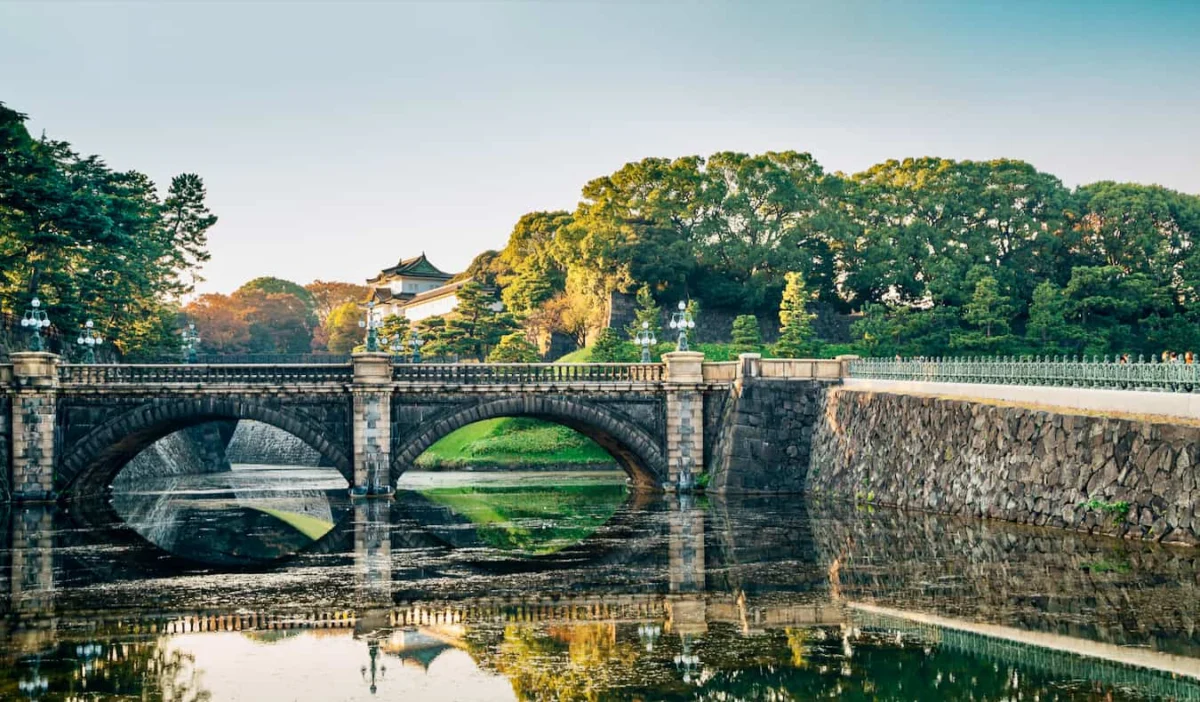
Tokyo is a city that defies easy categorization. It is a sprawling, neon-lit metropolis that simultaneously functions as a collection of quiet, centuries-old villages. For the uninitiated, the Japanese capital can feel overwhelming—a labyrinth of train lines, high-rise skyscrapers, and sensory overload. However, to those who have navigated its streets repeatedly, Tokyo reveals itself as a city of endless depth. Whether it is a forgotten shrine tucked between modern office blocks, an underground jazz bar operating since the 1970s, or the hyper-specific subcultures of Harajuku, Tokyo is a place where one can visit a dozen times and still feel like a novice.
The modern traveler is increasingly moving away from the "checklist" style of tourism—where the goal is merely to snap a photo of a landmark—and toward a model of cultural immersion. In this shift, Airbnb Experiences have emerged as a premier vehicle for discovery. By leveraging the expertise of local residents, these tours offer a perspective that traditional guidebooks simply cannot replicate.
The Evolution of Urban Exploration
Historically, city tours were defined by large groups following a guide with an umbrella, moving at a pace that allowed for little engagement with the destination. However, the post-pandemic travel landscape has seen a surge in demand for "intimate, localized discovery."
Airbnb Experiences have capitalized on this by vetting hosts who are not just tour guides, but enthusiasts, historians, and practitioners. Unlike mass-market alternatives often found on major aggregate platforms, these smaller, curated experiences focus on the "why" rather than just the "where." While companies like Arigato Travel remain the gold standard for traditional, high-end guided tours in Japan, the Airbnb model provides a more granular, personal connection to the city’s heartbeat.
Chronology of a Cultural Shift
The rise of the "immersive experience" in Tokyo is not accidental. It tracks with Japan’s broader tourism strategy to disperse visitors beyond the "Golden Route" (Tokyo-Kyoto-Osaka).
- 2015–2018: The early boom of peer-to-peer tourism services, where local hosts began offering niche classes in sushi-making and tea ceremonies.
- 2019: Peak interest in "authentic" travel, with a focus on neighborhood-specific tours in areas like Shinjuku and Shibuya.
- 2020–2022: A necessary pivot to virtual experiences during the pandemic, which paradoxically allowed local experts to refine their storytelling techniques.
- 2023–2024: A post-reopening explosion of interest, where travelers are specifically seeking out "non-touristy" experiences to mitigate the overcrowding of major landmarks.
Curated Experiences: A Deep Dive into Tokyo’s Culture
To navigate the vast ocean of available options, we have analyzed eight standout experiences that represent the pinnacle of hands-on learning and cultural immersion in Tokyo.
1. The Art of Omakase: Authentic Sushi-Making
Sushi-making is frequently marketed to tourists, but most classes are sterile, classroom-style environments. The standout approach here is the inclusion of an actual omakase restaurant setting. Led by a sushi master or a seasoned apprentice, this experience transcends the simple mechanics of rolling rice. Participants gain a professional-level understanding of fish sourcing, seasonal flavor profiles, and the precise chemistry of vinegared rice. This is less a cooking class and more an apprenticeship in aesthetic and sensory balance.
2. Shibuya Nightlife: The Izakaya Experience
The izakaya (Japanese pub) is the social epicenter of Tokyo, yet it is notoriously difficult for foreigners to navigate. Language barriers and unwritten rules regarding seating and ordering can be intimidating. The best nightlife tours, specifically those led by local experts in Shibuya, bypass these hurdles. By gaining access to 3-4 hidden izakaya spots—places that remain firmly off the radar of standard tourist routes—travelers learn the art of the "after-work" drink, the etiquette of sharing plates, and the significance of the communal drinking culture that defines Japanese nights.
3. Shinjuku: A Sommelier’s Guide to Sake
Shinjuku is a neighborhood of layers, where tiny bars are stacked vertically in narrow buildings. A guided tour here serves as a masterclass in regional Japanese alcohol. When led by a certified sake sommelier, the experience moves from mere consumption to academic appreciation. Participants learn to decode the nuances of junmai and ginjo styles, understand the regionality of rice production, and gain the confidence to order independently in the future.
4. Historic Walking Tours: The Edo Connection
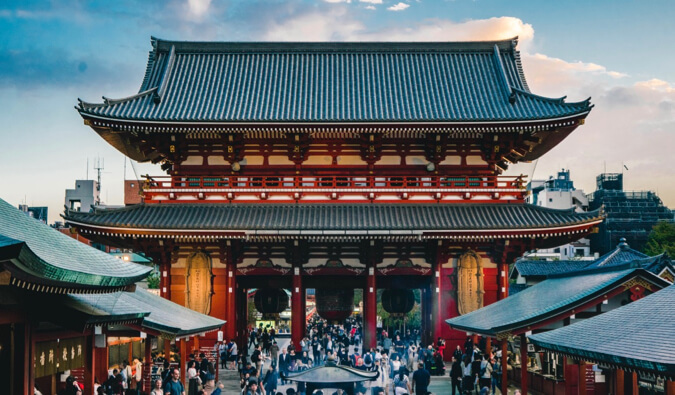
While most visitors flock to the Shibuya Crossing, a smaller cohort of travelers is turning toward the quiet streets of Yanaka and the historic grounds of Nezu Shrine. These tours, often led by university lecturers, provide the necessary historical context to understand the transition from the Edo period to the modernization of the Meiji Restoration. It is a vital counter-narrative to the "futuristic" image of Tokyo.
5. The Third Wave: Tokyo Coffee Culture
Japan’s coffee scene is a fascinating blend of old-school kissaten (traditional cafes) and the modern "third-wave" movement. A dedicated coffee tour in districts like Jimbocho and Kanda provides a map of this evolution. Participants explore how traditional brewing techniques—such as the meticulous pour-over—have been preserved while simultaneously being integrated with global specialty coffee trends.
6. The Zen of Matcha: Tea Ceremony
The traditional tea ceremony is a meditation on time and hospitality. In a one-hour session, the focus is on the history of the ceremony, the specific quality of the tea leaves, and the precise, rhythmic preparation required to serve the perfect bowl of matcha. It offers a necessary period of silence and reflection in an otherwise hyper-active urban environment.
7. The Ramen Spectrum
Ramen is not just a meal in Japan; it is a religion. A deep-dive ramen tour serves as an introduction to the vast regional variations, from the thick, creamy tonkotsu of the south to the soy-based shoyu styles of the Kanto region. Understanding the broth, the noodle texture, and the specific toppings provides a masterclass in Japanese culinary dedication.
8. Street Art in the Alleyways
In a city that prizes order and cleanliness, the presence of street art is an act of rebellion. An organized street art tour in Shibuya and Harajuku reveals a thriving, albeit hidden, underground scene. This provides a rare look at how Japanese artists navigate strict public art laws and how modern urban culture expresses itself within the constraints of a high-density environment.
Implications for the Modern Traveler
The shift toward these immersive experiences has broader implications for the tourism industry. First, it fosters a more sustainable model of travel. By dispersing visitors into neighborhood pockets, the pressure on major tourist hubs is alleviated. Second, it creates a direct economic benefit for the local hosts, rather than large-scale travel agencies.
However, the primary implication is personal. By choosing a tour that focuses on crafts, history, or specific cultural practices, the traveler gains a "mental map" of the city. They leave not with just photographs, but with a new vocabulary for understanding a complex, foreign culture.
Logistics: Preparing for the Tokyo Experience
For those planning their visit, the logistics remain as important as the itinerary.
- Air Travel: Utilize global search engines like Skyscanner to compare cross-border flight availability.
- Accommodation: The balance between high-end hotels and community-focused hostels is key. For those looking for social environments, platforms like Hostelworld remain the industry standard.
- Transport: The Japan Rail Pass remains the most efficient way to navigate the country, though for those staying exclusively within Tokyo, the local metro card (Suica/Pasmo) is indispensable.
Final Thoughts
Tokyo will always be a city of infinite discovery. As the travel industry continues to evolve, the most rewarding experiences will be those that require us to slow down, listen to a local expert, and participate in the quiet, everyday rituals that make this metropolis so enduring. Whether it is whisking matcha in a garden or sharing a beer in a hidden Shinjuku alleyway, these experiences are the keys to unlocking the true soul of Tokyo.