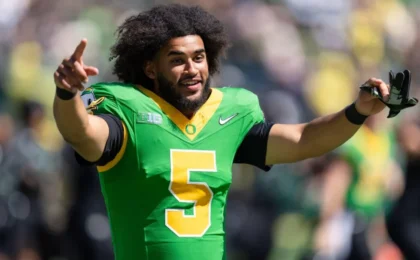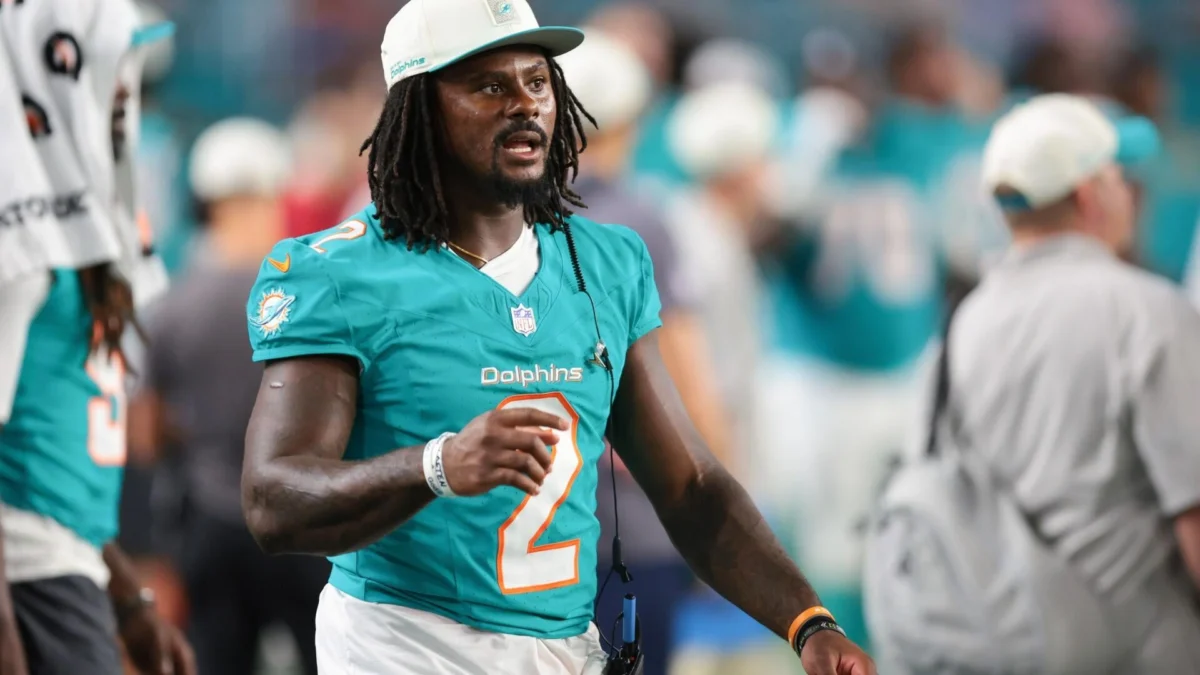
With the 2026 NFL season opener looming just ten days away, the frantic pace of draft season has reached a fever pitch. For fantasy managers, this is the final window to distinguish between hype and reality, to identify the diamonds in the rough, and to avoid the landmines that can derail a championship campaign before it truly begins.
As the landscape of professional football shifts, so too does the complexity of fantasy analysis. To provide an edge, SportsLine has leveraged its proprietary computer model, which has simulated the entire 2026 NFL season 10,000 times. By processing millions of data points—from offensive line health and coaching tendencies to individual player development—the model has identified the definitive breakouts, sleepers, and busts for the upcoming campaign.
The Evolution of the 2026 Draft Landscape
The 2026 draft class is particularly intriguing. Fresh talent is flooding the league, with rookies like Jeremiyah Love, Carnell Tate, Omar Cooper, and De’Zhaun Stribling capturing the imagination of dynasty and redraft managers alike. However, the model suggests that true fantasy dominance often comes from a blend of emerging youth and veterans poised for a late-career renaissance.
The current ADP (Average Draft Position) boards are dominated by heavy hitters like Jahmyr Gibbs, Bijan Robinson, and Ja’Marr Chase. Yet, championship teams are rarely built solely on early-round consensus picks. As the SportsLine model has demonstrated time and again, the key to success lies in the ability to project "value spikes"—players whose production will significantly outpace their draft slot.
A Proven Track Record: From McMillan to Taylor
Predictive modeling in sports is only as good as its historical accuracy. Over the past decade, the SportsLine model has established a reputation for identifying breakout candidates long before the general public catches on.
Last season, the model correctly identified Panthers receiver Tetairoa McMillan as an elite value play. With an ADP placing him at WR28, many viewed him as a mid-round flyer. Instead, he delivered a stellar campaign, hauling in 70 receptions for 1,014 yards and seven touchdowns, ultimately being crowned the NFL Offensive Rookie of the Year and finishing as the WR17 in PPR formats.
The model’s history of success is extensive:
- 2021: It accurately pegged Jonathan Taylor for his legendary, high-volume breakout season.
- 2020: It identified A.J. Brown as a high-upside sleeper.
- 2019: It correctly forecasted the resurgence of Derrick Henry.
- 2017-2018: It pinpointed future superstars like Davante Adams, Christian McCaffrey, and Alvin Kamara.
By learning from these historical data sets, the model has fine-tuned its ability to spot the "next big thing" for the 2026 season.
Spotlight on 2026 Breakouts: The Case for Omarion Hampton
One of the most compelling findings from the 10,000 simulations involves Los Angeles Chargers running back Omarion Hampton. Currently sitting at an ADP of No. 20, Hampton is being drafted as a fringe starter, but the simulation data suggests he is primed for a massive leap in production.
The Statistical Argument
Hampton finished the 2025 season as the RB35, a campaign hampered by injuries that limited him to just nine games. However, he still managed to record 737 scrimmage yards and five touchdowns in that truncated window. The SportsLine model suggests the "injury-prone" narrative is misplaced; in his final two seasons at UNC, Hampton was a durable workhorse, leading the ACC in carries both years without missing a single contest.
The Infrastructure Advantage
The Chargers have made significant investments to fortify their trenches. The returns of Pro Bowl tackles Joe Alt and Rashawn Slater—who missed significant time last season—combined with the acquisition of veteran center Tyler Biadasz, creates a vastly improved offensive line. According to the model, this revamped front five will provide the necessary lanes for Hampton to transition into a true RB1, ranking him ahead of established names like Kyren Williams and Javante Williams.
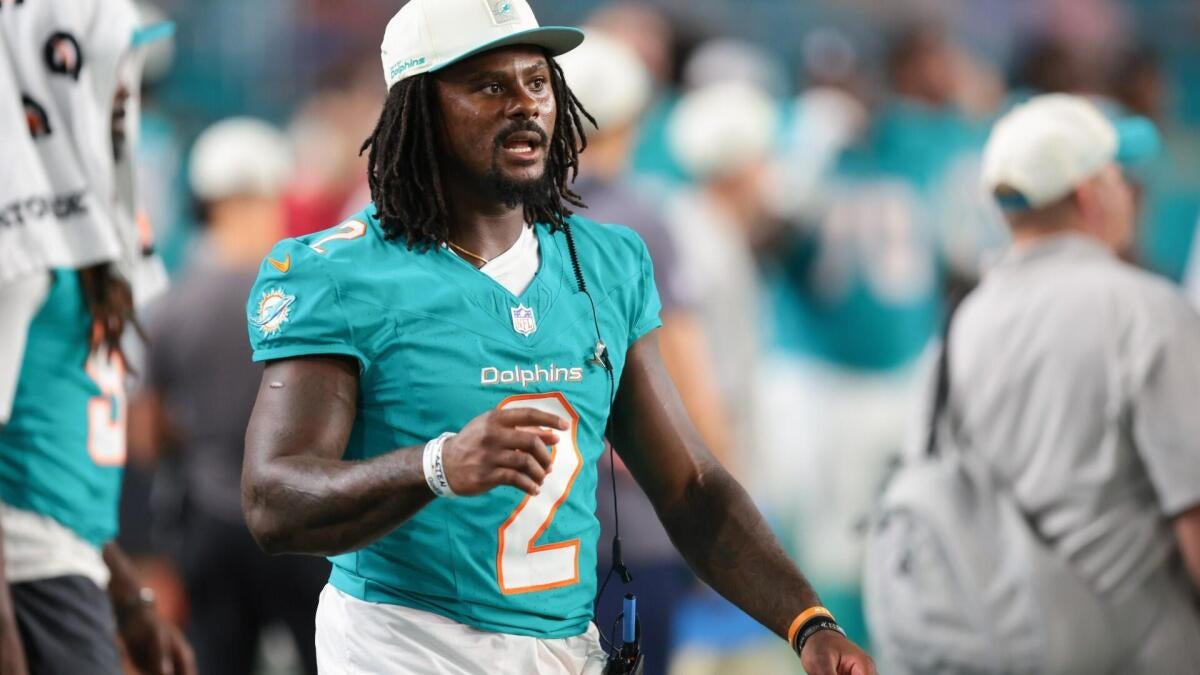
The Quarterback Enigma: Malik Willis and the Miami Opportunity
Perhaps the most controversial projection in the 2026 model concerns Miami Dolphins quarterback Malik Willis. After years of serving as a high-end backup in Tennessee and Green Bay, Willis secured a three-year, $67.5 million contract with Miami during the offseason.
Why the Market is Skeptical
With an ADP of 151, the fantasy community is largely ignoring Willis. Skeptics point to the uncertainty surrounding the Dolphins’ offensive weapons and the team’s overall outlook. However, the model views this as an opportunity for "garbage time" dominance and high-volume passing.
The Upside Case
The model highlights Willis’s mobility as his most dangerous fantasy asset. In an era where rushing floor is the greatest separator at the quarterback position, Willis offers significant value. When compared to the likes of Sam Darnold, Kyler Murray, and Bo Nix, the model ranks Willis higher, suggesting he is the ultimate "sneaky" pick for managers who wait on a quarterback in the later rounds.
Identifying the Tight End "Shock"
Tight end remains the most volatile position in fantasy football. While the top tier is dominated by household names like Travis Kelce and George Kittle, the SportsLine model has identified a young, under-the-radar tight end who is projected to shatter expectations.
The model ranks this specific player inside the top-8 for the position, effectively placing him ahead of multiple perennial Pro Bowlers. For managers who prefer to stream the position or draft late, this discovery could be the deciding factor in their league’s point totals. By focusing on target share and red-zone usage, the model has highlighted a player whose trajectory matches the breakout seasons of the league’s current elite.
Implications for Draft Strategy
As you finalize your rankings, it is essential to consider the implications of these simulations. A successful 2026 strategy requires a two-pronged approach:
- Risk Management: Don’t reach for ADP-consensus players if the model suggests they are overvalued. Use the simulations to identify which players have a higher "bust" probability based on SOS (Strength of Schedule) and team offensive efficiency metrics.
- Strategic Aggression: When a player like Omarion Hampton or Malik Willis presents a massive disparity between their ADP and their projected output, managers should be prepared to pull the trigger one or two rounds earlier than the average draft flow suggests.
The Final Countdown
The 2026 season is set to be one of the most unpredictable in recent memory. With the rise of new offensive schemes and the shifting of veteran talent, static draft lists from July will not suffice. The 10,000 simulations conducted by SportsLine offer a dynamic, data-driven alternative to standard subjective rankings.
By integrating these insights, fantasy managers can move away from relying on "gut feelings" and instead utilize a model that has historically navigated the complexities of the NFL landscape. Whether you are drafting in a high-stakes league or a casual office pool, the path to the championship is paved with the information provided by the latest projections.
To see the full list of 2026 breakouts, deep sleepers, and the top-8 tight end projection, visit SportsLine to access the complete cheat sheets and positional rankings. The difference between a playoff appearance and a league title often comes down to the quality of your research—ensure your draft day decisions are backed by the best data available.
2026 ADP Reference (PPR)
For reference, these are the current top 12 players based on CBS Sports ADP as of late August 2026:
| Rank | Player | ADP |
|---|---|---|
| 1 | Jahmyr Gibbs | 1.15 |
| 2 | Bijan Robinson | 2.04 |
| 3 | Ja’Marr Chase | 4.15 |
| 4 | Jonathan Taylor | 5.20 |
| 5 | Puka Nacua | 5.38 |
| 6 | Jaxon Smith-Njigba | 6.62 |
| 7 | Christian McCaffrey | 7.72 |
| 8 | Amon-Ra St. Brown | 8.68 |
| 9 | James Cook | 9.51 |
| 10 | De’Von Achane | 11.96 |
| 11 | Chase Brown | 12.24 |
| 12 | Derrick Henry | 13.50 |
Disclaimer: Fantasy football involves risk. Always consult the latest injury reports and depth charts before finalizing your starting lineup.