In a move that signals a profound transformation for one of Italy’s most storied automotive brands, Maserati is reportedly engaged in advanced, high-level discussions to co-develop a new generation of electric vehicles (EVs) alongside Chinese technology giant Huawei and manufacturer JAC Motors. This potential collaboration, while still under wraps, represents a radical departure from the brand’s traditional engineering path, highlighting both the desperation and the ambition of a manufacturer struggling to reclaim its former glory in an increasingly electrified global market.
The Context: A Brand at a Crossroads
The impetus for this partnership is clear when viewing the sobering financial realities facing the Modena-based automaker. In 2025, Maserati delivered approximately 7,900 vehicles globally. To understand the gravity of this figure, one must look at the company’s 2017 peak, when annual deliveries were nearly seven times higher. This 85 percent decline in volume is not merely a statistical dip; it is an existential challenge that has prompted Stellantis, Maserati’s parent company, to explore unconventional alliances.
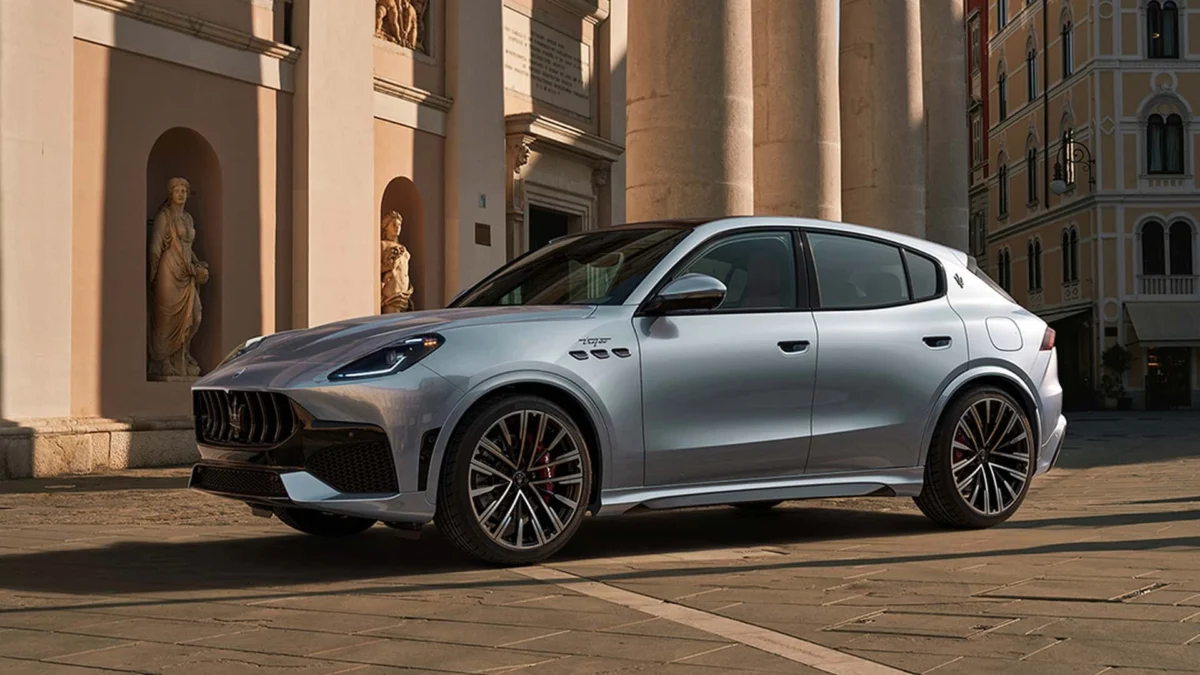
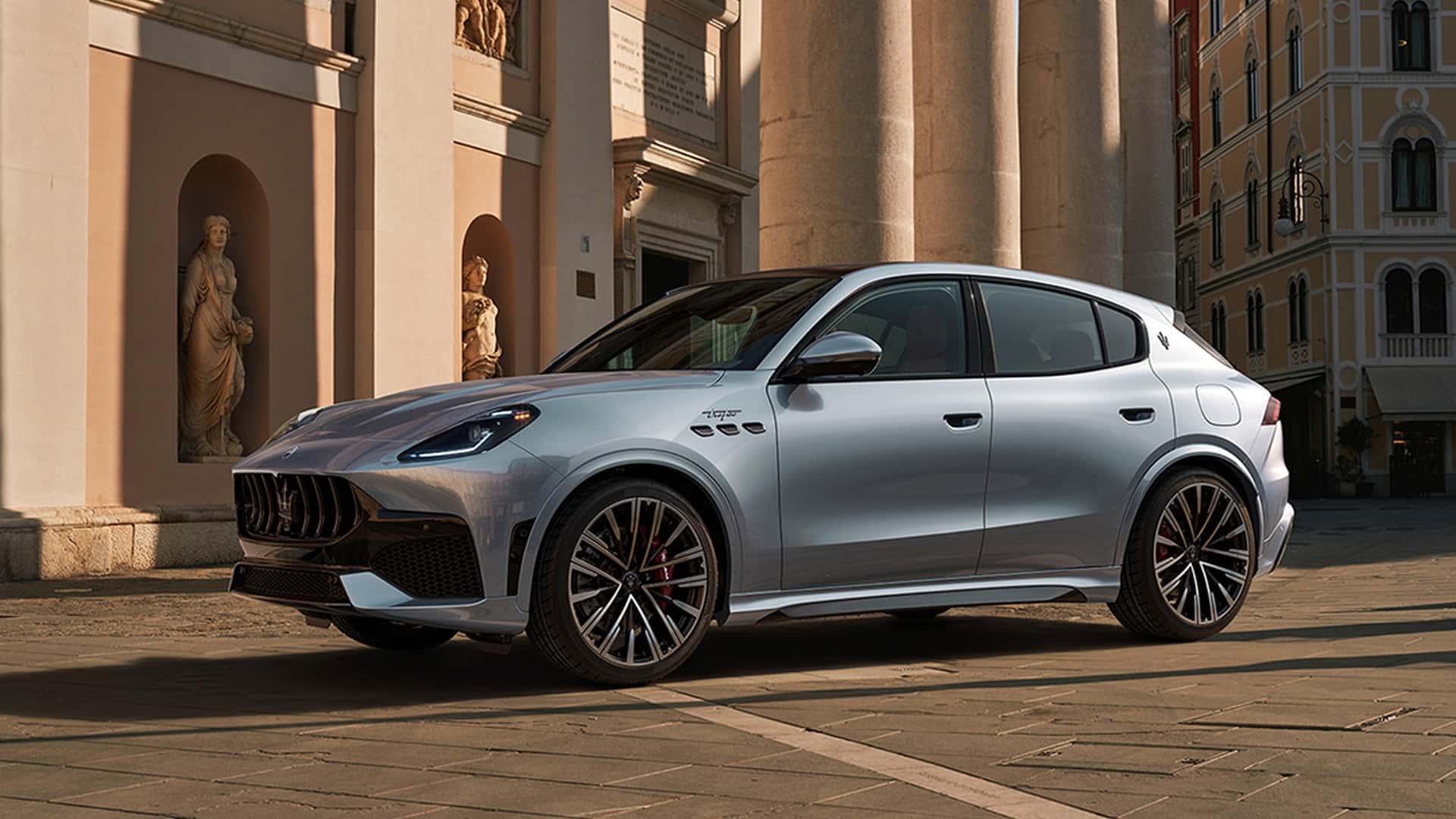
Maserati’s current lineup, including the Grecale Folgore and GranTurismo Folgore, represents a commendable effort to pivot toward battery-electric powertrains. However, the market has proven unforgiving, and the brand’s financial performance reflects this: in recent reports, Maserati posted an adjusted operating loss of €198 million ($227 million), equating to a staggering negative 27.3 percent profit margin. In this context, the partnership with Huawei is not merely a product development choice—it is a survival strategy aimed at securing a future in the premium EV segment.
The Proposed Synergy: Who Does What?
According to reports from Future Cars Daily, the architecture of the proposed deal is highly compartmentalized, leveraging the unique strengths of three distinct entities.
- Huawei’s Technological Backbone: Huawei would provide its "HarmonyOS Intelligent Mobility" platform. This system is a comprehensive digital ecosystem that covers the vehicle’s smart cockpit, connectivity, and the highly regarded "Qiankun ADS" driver-assistance software. Furthermore, Huawei is expected to supply critical electric drive components, effectively placing the tech giant at the nervous system of the new Maseratis.
- JAC Motors’ Engineering Might: JAC Motors, a prominent player in the Chinese manufacturing landscape, would handle the heavy lifting of vehicle engineering and production. The manufacturing would take place at JAC’s state-of-the-art "Zunjie Super Factory" in Hefei, a facility designed to handle the complex integration of premium electric architectures.
- Maserati’s Design and Brand Equity: Maserati’s role, while seemingly smaller in technical scope, remains critical. The brand would provide its signature Italian styling, design language, and access to its established global distribution network. By maintaining the "Designed in Italy" identity, Maserati hopes to preserve its premium pricing power while outsourcing the costly development of competitive EV platforms.
The "SKD" Strategy: The Illusion of Distance
Perhaps the most intriguing aspect of the reported plan is the manufacturing methodology. The proposal suggests a "Semi Knocked Down" (SKD) model. Under this arrangement, the primary body shells and structural components would be manufactured at the Zunjie facility in Hefei. These partially completed units would then be shipped to Italy for final assembly, testing, and finishing touches.
This strategy is a classic industrial "badge-swap" evolution. By conducting the final stages of production on Italian soil, Maserati can legally and symbolically market the vehicles as "Italian-assembled." For a luxury brand that relies heavily on the "Made in Italy" mystique, this distinction is paramount. It allows the company to capitalize on Chinese economies of scale and advanced EV technology while mitigating the risk of alienating a customer base that historically prioritizes European provenance.
Chronology and Future Outlook
While rumors of this partnership have circulated for months, no definitive commercial agreement has been formalized or publicly ratified by the leadership at Stellantis.
- Mid-2025: Initial reports suggest the beginning of deep-level technical discussions between the parties.
- Late 2025/Early 2026: Internal feasibility studies are conducted, focusing on the integration of HarmonyOS with Maserati’s design philosophy.
- Second Half of 2027 (Projected): Industry analysts point to this window as the earliest possible date for mass production of the first joint-venture model.
Neither Maserati nor Stellantis has provided an official timeline, and both companies remain cautious. The silence is likely tactical; any premature announcement could unsettle the brand’s loyalists or complicate ongoing negotiations regarding intellectual property and revenue sharing.
Official Stance: The Stellantis Doctrine
Stellantis CEO Antonio Filosa has been notably direct regarding the limits of these collaborations. In public remarks, he has emphasized that while Maserati requires industry partnerships to remain competitive, the brand is not for sale.
"Maserati needs industry partners but will not sell the brand," Filosa stated. This quote encapsulates the internal tension within the company: the desire to modernize via external expertise versus the need to guard the brand’s Italian identity. For Stellantis, the goal is to leverage Huawei’s expertise to fix the profit margin issues that have plagued the brand, rather than letting the brand be absorbed by a larger, non-European entity.
Implications for the Luxury Automotive Landscape
The potential Maserati-Huawei tie-up represents a watershed moment for the luxury automotive industry. For decades, the "prestige" of a vehicle was tied to its internal combustion engine and the heritage of its country of origin. Today, that hierarchy is being disrupted by software-defined vehicles.
1. The Software Gap
Legacy luxury brands are increasingly finding that they lack the agility to compete with the rapid iteration cycles of consumer electronics companies like Huawei. By outsourcing the cockpit and ADAS (Advanced Driver Assistance Systems) to Huawei, Maserati is effectively closing a decade-long software gap in a fraction of the time.
2. The Risk of Brand Dilution
The biggest risk for Maserati is the potential dilution of its brand equity. If the "Italian-ness" of the car becomes purely aesthetic, will the brand still command the premium prices that it historically has? If the driving experience, infotainment, and software feel like a rebranded product from a mass-market Chinese manufacturer, the brand risks alienating its core demographic.
3. Market Targeting
The strategy appears to be a dual-track approach. The vehicles will reportedly be sold domestically in China under the "Maextro" brand, while the same or similar models will wear the Maserati trident in international markets like Italy, France, Germany, and the Middle East. This allows Maserati to enter the competitive Chinese EV market without confusing its global luxury positioning.
Conclusion: A Gamble for Relevance
Maserati is currently in a race against time. The shift toward electrification has left the brand with a legacy that is difficult to translate into the EV era without massive capital expenditure. Partnering with Huawei and JAC is a calculated gamble—a bridge that aims to carry the brand through a difficult transition period.
The success of this endeavor will depend on two factors: the seamless integration of Huawei’s technology into a "Maserati-feeling" package, and the consumer’s willingness to accept a vehicle that is, in essence, a hybrid of Italian design and Chinese engineering. As the automotive world watches, the verdict remains out. Will this partnership restore the Trident’s legacy, or will it be seen as a final, desperate attempt to save a brand that lost its way? Only time, and the 2027 production cycle, will tell.
For now, the automotive industry continues to shift, and Maserati’s pivot serves as a reminder that in the new electric age, even the most legendary names must adapt or risk fading into the history books.