Introduction
The death of Imran Ali, a Baloch student whose life ended behind the iron curtains of state detention, has ignited a firestorm of international condemnation. United Nations human rights experts, in a formal statement issued this Friday, have characterized the case not as an isolated tragedy, but as a chilling manifestation of a systemic pattern of enforced disappearances and extrajudicial killings targeting the ethnic Baloch population. The case has thrust the volatile province of Balochistan into the global spotlight once more, raising urgent questions about the Pakistani state’s adherence to international human rights obligations and its treatment of political dissent.
The Tragedy of Imran Ali: A Chronology of Disappearance
The harrowing ordeal of Imran Ali began in late August 2025, when his life was abruptly interrupted. According to witness reports, approximately 20 agents from Pakistan’s Counter-Terrorism Department (CTD) forcibly abducted Ali from his residence. For the next twelve months, he vanished into the state’s clandestine network of detention facilities, leaving his family in a state of perpetual, agonizing uncertainty.
The Year of Mystery (August 2025 – May 2026)
During the year of his disappearance, Ali’s whereabouts remained a closely guarded state secret. However, the veneer of total silence was eventually pierced by the accounts of former detainees who had been held in the same facilities. These survivors provided harrowing testimonies, detailing how Ali was subjected to persistent and brutal torture by CTD personnel. Such actions represent a flagrant violation of the Convention against Torture and Other Cruel, Inhuman or Degrading Treatment or Punishment (Article 2) and the International Covenant on Civil and Political Rights (Article 7).
The Revelation of Death
The truth of Ali’s fate only emerged through the bureaucratic machinery of Pakistan’s Commission of Inquiry on Enforced Disappearances. During a hearing, a police officer testified that Ali had passed away in custody in May 2026. The officer claimed that administrative failures—specifically, the authorities’ inability to preserve his remains or properly identify his body—had led to his burial in an unmarked or unidentified state plot.
This revelation forced Ali’s family to undertake a grim search at the Civil Hospital in Quetta, a facility notorious in the region as the primary site where authorities deposit unidentified bodies following security operations. Upon reviewing photographs provided by the hospital, the family confirmed the identity of the deceased, effectively ending the search but launching a new, more dangerous phase of seeking accountability for what experts suspect was a deliberate cover-up of an extrajudicial execution.
The UN’s Call for Accountability
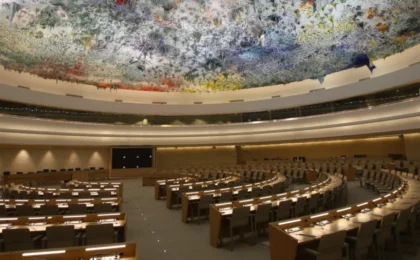
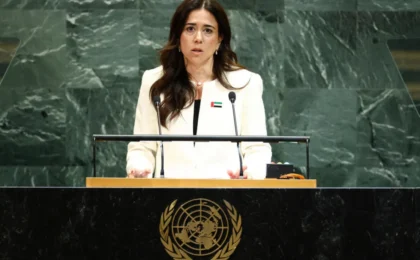
The UN experts have issued a stinging indictment of the handling of Ali’s case, emphasizing that the lack of transparency is characteristic of the broader environment of impunity in Balochistan. In their statement, the experts demanded a "prompt, thorough, independent, and impartial investigation."
This mandate for justice includes:
- Independent Forensic Examination: To determine the precise cause, manner, and circumstances of death, stripping away the state’s official narratives.
- Identification and Dignified Return: Proper forensic identification and the immediate release of the remains to the family for traditional burial.
- Prosecution of Perpetrators: The identification and trial of the specific CTD agents and officials responsible for his abduction, torture, and eventual death.
The experts specifically flagged the discovery of six other bodies at the same hospital, noting that the patterns of death strongly suggest widespread "foul play" and a potential mass-scale failure of the rule of law.
The Human Rights Landscape in Balochistan
The death of Imran Ali is not a vacuum-sealed event; it is the latest chapter in a long-standing narrative of violence and repression. Amnesty International and other global watchdogs have repeatedly denounced the mounting hostility shown by the Pakistani military toward Baloch leaders, activists, and intellectuals.
Ethnic and Economic Tensions
The friction in Balochistan is rooted in a toxic intersection of ethnic nationalism and economic exploitation. The province is rich in natural resources, including vast deposits of copper and gold, yet it remains the most impoverished region in Pakistan. Local leaders have long argued that the central government in Islamabad systematically extracts these resources without providing the local population with equitable development, education, or infrastructure. This has created a deep-seated grievance that fuels the nationalist movement.
The Insurgency and State Response
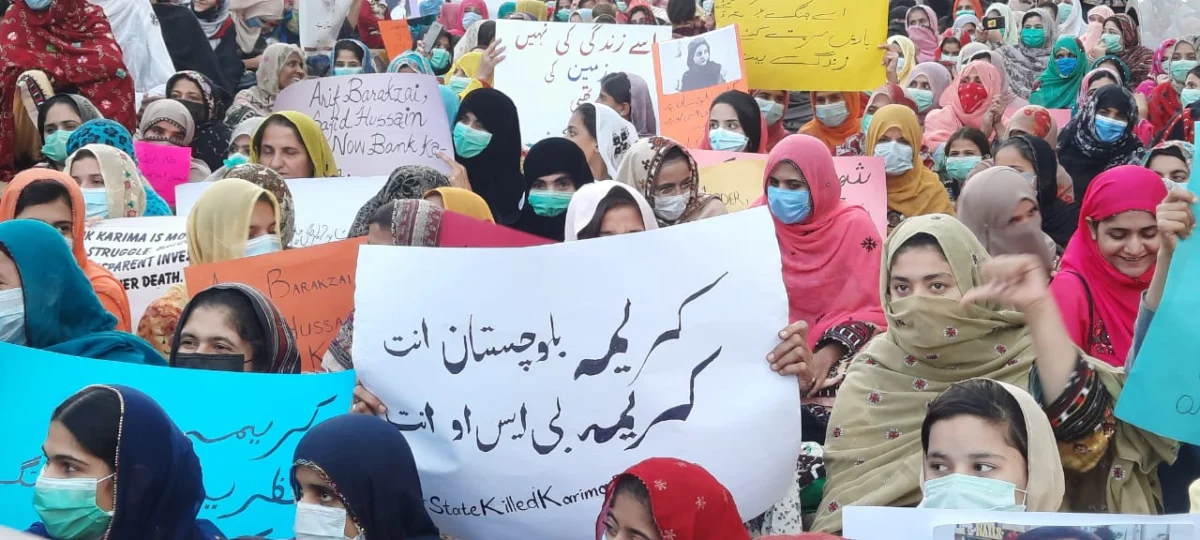
The emergence of groups such as the Baloch Liberation Army (BLA) has further militarized the conflict. The Pakistani state has responded to this insurgency with an "iron fist" policy, frequently blurring the lines between armed militants and peaceful political activists. Assertive political activism and nationalist mobilization are now met with intensive surveillance and, as evidenced by the case of Imran Ali, the threat of enforced disappearance.
The military often classifies peaceful protesters as "potential recruiters" for insurgent groups—a designation that essentially strips individuals of their legal protections and serves as a justification for arbitrary detention and state-sponsored violence.
Implications for the Future
The outcry over Imran Ali’s death suggests that the international community is beginning to lose patience with the status quo in Balochistan. The case highlights three critical implications for the future of the region:
- The Erosion of State Legitimacy: By failing to provide justice for victims of enforced disappearances, the Pakistani state is effectively driving a deeper wedge between the center and the periphery, further radicalizing a generation of Baloch youth who see no path for justice through democratic institutions.
- The Role of International Oversight: The UN’s vocal intervention signals that the "Balochistan file" is no longer considered an internal domestic affair. Global human rights bodies are increasingly viewing the region as a flashpoint for systematic violations that require persistent, external monitoring.
- The Need for Institutional Reform: The reliance on the Counter-Terrorism Department for internal security—often outside the purview of the traditional judiciary—has created a state-within-a-state. Without a radical restructuring of how these security agencies operate, the cycle of kidnapping, torture, and extrajudicial killing is likely to continue unabated.
Conclusion
The death of Imran Ali is a stark reminder that behind every statistic of "enforced disappearance" lies a human life, a grieving family, and a shattered sense of justice. As the UN experts have rightfully pointed out, the path forward requires more than mere acknowledgement; it requires a transparent and forensic accounting of the truth. Until the state of Pakistan addresses the underlying grievances of the Baloch people—and ceases the practice of treating political dissent as a capital crime—the region will remain caught in a cycle of violence that threatens not only the stability of Balochistan but the very foundations of human rights in the country.
The international community must now translate its alarm into actionable pressure, ensuring that the death of Imran Ali serves as a catalyst for reform rather than another forgotten footnote in the long and tragic history of the Baloch struggle.