Introduction: A Beacon of Advocacy Extinguished
The international human rights community is reeling following the brutal assassination of Sael Silva Cisneros, a distinguished Afro-Mexican lawyer, scholar, and tireless champion for LGBTQ+ and racial equity. On June 5, 2026, the progress of civil rights advocacy in Mexico suffered a devastating blow when Cisneros was ambushed and murdered on the outskirts of Cuajinicuilapa, a town in the state of Guerrero renowned for its deep-rooted Afro-Mexican heritage and systemic economic precarity.
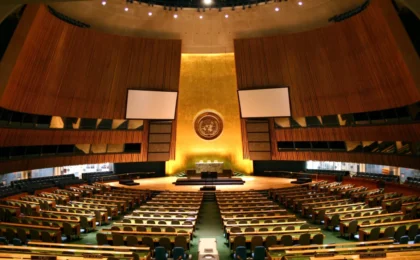
In a searing condemnation released this Wednesday, a panel of United Nations experts demanded that the Mexican state conduct a prompt, impartial, and transparent investigation. The killing, which occurred mere moments after Cisneros concluded an empowering seminar on Afro-Mexican dissidence, serves as a grim indictment of the precarious environment in which human rights defenders operate across Mexico.
The Chronology of a Targeted Attack
The timeline of Sael Silva Cisneros’s final day underscores the calculated nature of the violence. On June 5, 2026, Cisneros traveled to the municipality of Cuajinicuilapa—a region situated on the southwestern coast where he had deep familial and professional ties—to facilitate a seminar titled "Afro-Mexican dissidences in Guerrero: history, justice, and rights."
The seminar was designed to highlight the intersectional struggles of a community that has historically faced erasure within the Mexican national narrative. Participants and attendees described the event as intellectually rigorous and deeply inspiring. However, as Cisneros departed the venue, he was intercepted by unknown assailants. The attack was swift and fatal.
By the following morning, news of the murder had sent shockwaves through the human rights sector. Local authorities arrived at the scene to find evidence of a targeted hit, yet, as of this writing, no suspects have been apprehended, and the motive remains officially under investigation—though human rights monitors point to his high-profile activism as the primary catalyst.
Sael Silva Cisneros: A Legacy of Intersectional Advocacy
To understand the gravity of the loss, one must examine the depth of Cisneros’s contribution to Mexican jurisprudence and social justice. A researcher for the Supreme Court of Mexico, Cisneros did not merely advocate from the sidelines; he operated from within the halls of power, attempting to reshape the judicial understanding of equality.
His work was defined by "intersectionality"—a framework he used to articulate how Afro-Mexican identity, coupled with LGBTQ+ status, created a unique, compounded experience of discrimination. In his research and activism, Cisneros argued that Mexico’s legal frameworks were ill-equipped to address the specific vulnerabilities of Black communities in states like Guerrero and Oaxaca. He was a vocal critic of the state’s historical apathy toward the "third root" of Mexican identity—the African influence—which he argued was systematically ignored in favor of a binary Indigenismo-Hispanic historical narrative.
His colleagues describe him as a "bridge-builder" who could translate complex legal theory into actionable policy for local communities. His death is not only a tragedy for his family and loved ones but a catastrophic setback for the legal advancement of marginalized identities in Latin America.
Official Responses and Institutional Condemnation
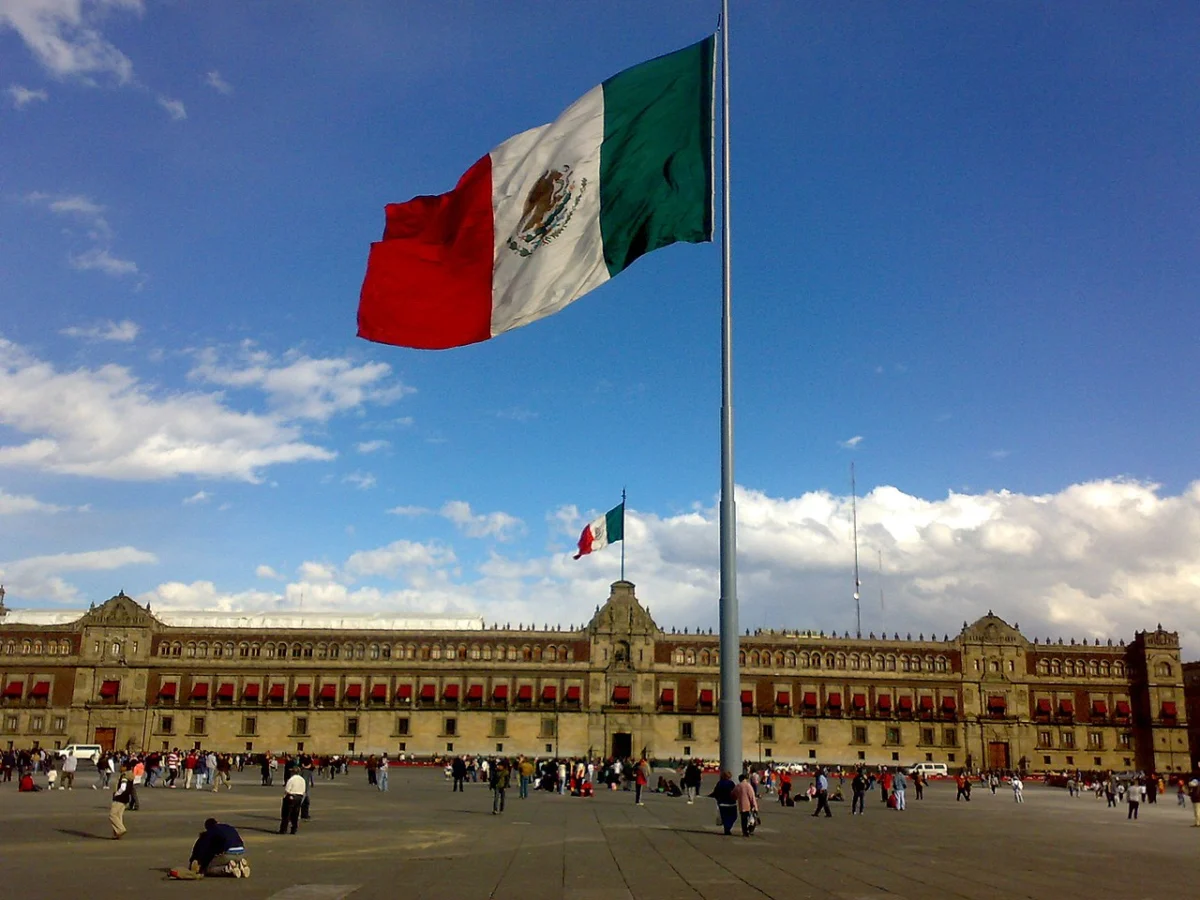
The response from the Supreme Court of Mexico was swift, signaling the internal impact of his death. In an official statement, the court lauded his intellectual contributions and underscored that his loss was a wound to the rule of law. "We condemn any form of violence that attempts against the dignity, equality, and human rights of individuals," the court stated, signaling a rare moment of institutional solidarity with one of their own researchers.
However, the UN expert panel took a more critical stance, shifting the focus from individual grief to state accountability. The UN experts emphasized that the killing is not an isolated incident but a symptom of a broader, systemic failure. Their statement explicitly called for "truth, justice, full reparation, and guarantees of non-repetition." The inclusion of "guarantees of non-repetition" is a potent diplomatic term, suggesting that the UN believes the Mexican state has failed to create a structural environment where activists can survive the pursuit of justice.
Supporting Data: A Landscape of Impunity
The murder of Cisneros occurs against a backdrop of alarming statistics. According to data provided by the UN Office of the High Commissioner for Human Rights (OHCHR), 2025 marked one of the deadliest years on record for human rights defenders in Mexico. The country consistently ranks among the most dangerous places in the world for journalists and activists, with the majority of these cases ending in total impunity.
The Failure of the 2012 Protection Law
In 2012, Mexico enacted the Law for the Protection of Human Rights Defenders and Journalists, an ambitious legislative project intended to provide physical security and legal support to those at risk. Yet, critics argue the law is a "paper tiger." Reports from 2026 highlight that the mechanism for protection is chronically underfunded, plagued by bureaucratic inertia, and often compromised by the very elements it seeks to protect activists from—local law enforcement and organized criminal elements.
The UN experts have pointed out that despite the legal framework, there is a lack of political will to prosecute the intellectual authors of these crimes. When activists are murdered, the focus remains on the "trigger pullers" rather than the powerful entities—whether state-aligned or criminal—that benefit from the silence of those activists.
Implications: The Chilling Effect on Civil Society
The assassination of a figure as prominent as Cisneros carries profound implications for the future of democratic discourse in Mexico.
1. The Erasure of Dissent
By targeting a legal expert and an educator, the perpetrators are sending a clear message: no one is safe, and no amount of institutional affiliation provides immunity. This creates a "chilling effect," where other activists, particularly those focusing on Afro-Mexican rights or LGBTQ+ advocacy, may self-censor or withdraw from public life to protect their lives and families.
2. The Crisis of Intersectionality
The attack highlights the dangerous position of Afro-Mexican activists. As the community continues to gain visibility and demand constitutional recognition, they are increasingly running into friction with established local power structures. Cisneros’s work in Cuajinicuilapa—a region defined by economic marginalization—threatened the status quo by empowering residents to demand rights, land, and dignity.
3. International Pressure and State Sovereignty
The UN’s intervention forces the Mexican government to balance its national sovereignty with its international treaty obligations. Mexico is a signatory to various conventions that mandate the protection of vulnerable groups. By failing to solve these murders, the state risks further international isolation and damage to its reputation on the global human rights stage.
Conclusion: The Path Forward
The death of Sael Silva Cisneros is a clarion call for reform. As the international community watches, the Mexican authorities face a critical juncture. Will this case be buried alongside thousands of others, or will it become the catalyst for a genuine, systemic overhaul of how the state protects its most courageous citizens?
The UN experts have made their requirements clear: justice must be transparent, it must reach the masterminds of the crime, and it must lead to the dismantling of the systemic forces that allow such violence to flourish. For now, the legal briefs and research papers left behind by Cisneros remain as a testament to a life spent fighting for a more equitable Mexico. Whether that dream is realized depends entirely on whether the state can prove it values the life of an activist more than the convenience of their silence.
As the investigation into his death proceeds, the global human rights community remains vigilant. The silence in Cuajinicuilapa is heavy, but the demand for accountability, echoing from the halls of the United Nations to the streets of Guerrero, is deafening. Sael Silva Cisneros may have been silenced, but the movement he championed is now more urgent than ever.