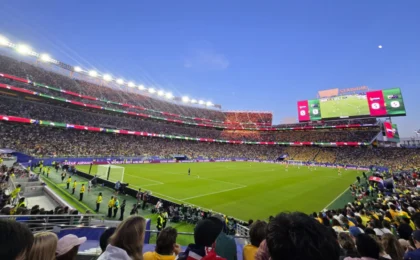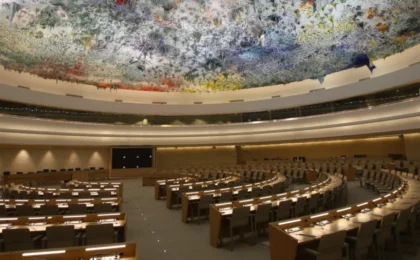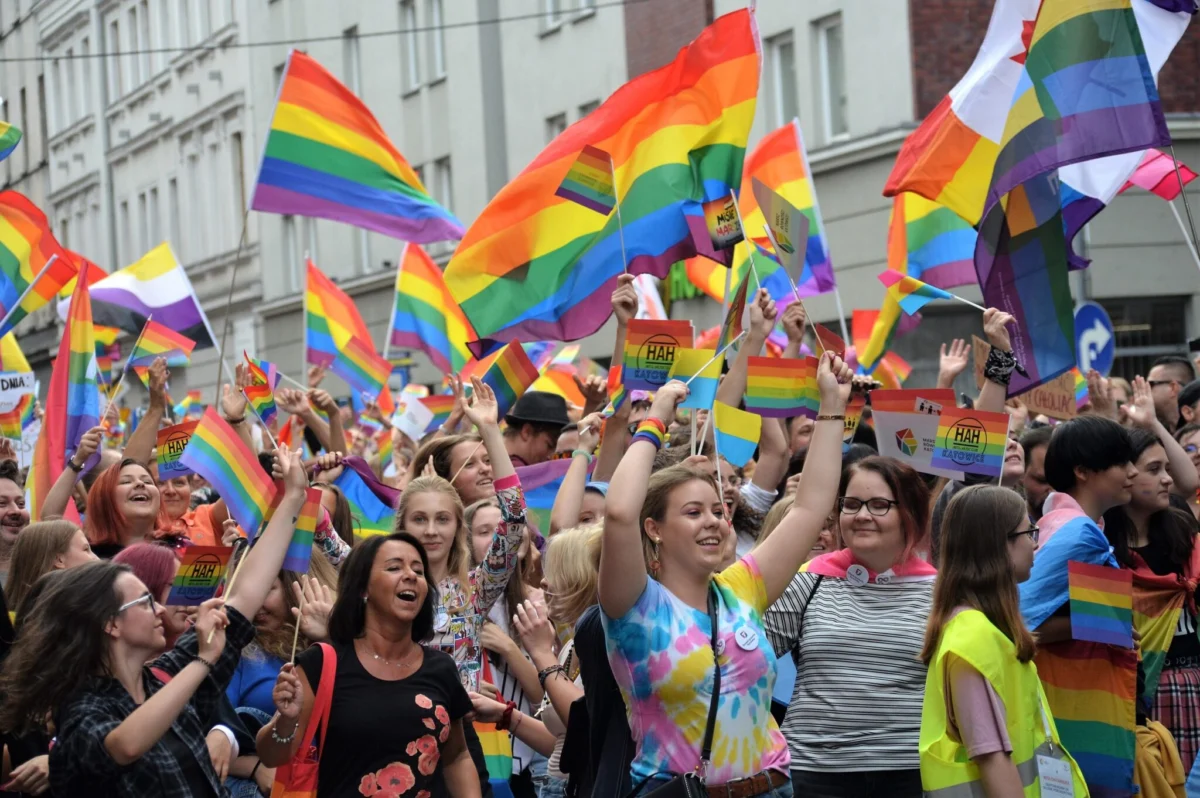
As Senegal prepares to welcome the world for the Youth Olympic Games—a milestone event marking the first time an Olympic competition will be held on African soil—a dark cloud of domestic policy has drawn sharp condemnation from the international human rights community. Human Rights Watch (HRW) issued a stinging report this Monday, characterizing the Senegalese government’s intensified crackdown on lesbian, gay, bisexual, and transgender (LGBT) individuals as a flagrant violation of international human rights standards.
The report details a systemic campaign of mass arrests, coerced medical procedures, and legislative hostility that has effectively pushed the country’s LGBT population into the shadows. As the October 31 opening ceremony approaches, activists are questioning whether a nation actively persecuting a vulnerable minority can uphold the fundamental values of the Olympic Charter.
The Legislative Shift: A Regression in Rights
The current climate of fear is anchored in a significant hardening of the legal code. In March 2026, the Senegalese Parliament enacted a sweeping amendment to Article 319 of the Penal Code. This move did not merely reiterate existing prohibitions; it dramatically escalated the punitive reach of the state.
Under the amended law, prison sentences for consensual same-sex conduct have been doubled, reaching a maximum of ten years. Beyond the criminalization of acts, the law now targets the advocacy of LGBT rights, criminalizing the "promotion or support" of LGBT organizations. This creates a "chilling effect" on civil society, where even those providing health resources or legal aid risk prosecution.
The legislation also introduced exorbitant financial penalties, with fines climbing to 10 million CFA francs (approximately $18,000 USD). International observers, including the International Federation for Human Rights (FIDH), have expressed alarm over the law’s deliberately vague terminology. Specifically, the inclusion of language comparing LGBT existence to "practices akin to bestiality or necrophilia" has been widely condemned as dehumanizing rhetoric, symptomatic of the growing influence of extremist, conspiracy-driven social movements within the legislative process.
Chronology of Institutionalized Stigma
The current crisis is not a sudden development but the culmination of nearly two decades of fluctuating, yet consistently hostile, state policy.
- December 2008: In a landmark case of state-sponsored violence, nine men participating in an HIV-prevention training workshop were arrested. Human Rights Watch reports that these individuals were subjected to physical torture while in police custody. Amnesty International later confirmed that the men’s "confessions," used as the primary evidence for their convictions, were extracted through this torture, leading to their categorization as prisoners of conscience.
- 2010: HRW published a comprehensive report documenting the systemic abuse of LGBT individuals by law enforcement, highlighting how police utilized arbitrary detention as a tool to silence activists and health workers.
- 2015-2020: While some African nations—notably Botswana, Kenya, and Zambia—saw judiciary interventions that recognized the fundamental human rights of the LGBT community, Senegal remained resistant to these progressive judicial trends.
- March 2026: The enactment of the amended Article 319 codified a new era of state hostility, formalizing the criminalization of advocacy and substantially increasing the duration of incarceration.
- October 2026: As the Youth Olympic Games draw near, the government has accelerated the pace of arrests, particularly under the guise of "public health" initiatives involving forced HIV testing.
Data and Documentation: The Cost of "Acts Against Nature"
The human toll of these policies is staggering. According to data tracked by the HIV Justice Network, authorities have carried out more than 355 arrests under the catch-all accusation of "acts against nature" in the last year alone.
Perhaps most disturbing is the weaponization of public health data. At least 97 of these arrests involved explicit charges of "voluntary HIV transmission." Human rights advocates argue that these charges are brought exclusively on the basis of an individual’s HIV-positive status, rather than any demonstrated intent or action. Furthermore, the state has institutionalized forced HIV testing for detainees. This practice is a grave violation of medical ethics and individual privacy, effectively turning the healthcare system into an extension of the police apparatus.
Larrissa Kojoué, a researcher at HRW, noted the devastating impact this has on local communities: "LGBT people are being forced to curb their normal activities and to keep from exercising their rights for fear of arrest and increasing stigma. Senegal’s government should call a halt to this crackdown, which threatens everyone’s rights."
Official Responses and International Condemnation
The international reaction has been swift. The FIDH has warned that the legal framework in Senegal risks criminalizing legitimate human rights defenders, effectively creating a "legal desert" where no one can speak out against state overreach without facing imprisonment.
The government of Senegal, however, has maintained a stance of defiance. Officials have framed the legislation as a defense of "traditional values," often invoking religious and cultural arguments to justify the harsh penalties. This aligns with a broader regional trend; currently, more than 30 of Africa’s 54 nations criminalize same-sex relations. Senegal now finds itself in the company of Kenya, Ghana, Sierra Leone, and Tanzania in its strict enforcement, while nations like Uganda and Mauritania continue to threaten even more extreme penalties, including the death penalty.
Critics argue that the Senegalese government is using the rhetoric of "protecting the youth" or "defending morality" to distract from domestic economic struggles, creating a common enemy to consolidate political power ahead of the international spotlight.
Implications for the Youth Olympic Games
The timing of this crackdown is particularly problematic for the International Olympic Committee (IOC). The Olympic Charter is explicit in its commitment to "human dignity and non-discrimination." Article 4 of the Charter states that "the enjoyment of the rights and freedoms set forth in this Olympic Charter shall be secured without discrimination of any kind, such as race, color, sex, sexual orientation, language, religion, political or other opinion, national or social origin, property, birth or other status."
As the world prepares to descend upon Dakar, the presence of these laws creates an inescapable contradiction. If athletes, coaches, or spectators who identify as LGBT travel to Senegal, they enter a jurisdiction that deems their very identity a criminal act.
The implications are two-fold:
- Security and Safety: The current environment of "mass arrests" and "forced testing" provides no assurance of safety for international visitors who may not conform to traditional gender norms or who may be perceived as LGBT by local authorities.
- Reputational Risk: The IOC faces immense pressure to clarify how it can guarantee the safety of its participants in a country that is actively violating the spirit of the Charter. Silence from the IOC could be interpreted as tacit approval of the Senegalese government’s human rights record.
Conclusion: A Turning Point
The situation in Senegal serves as a microcosm of the global struggle for LGBT rights in the 21st century. As the nation steps onto the global stage to host the Youth Olympic Games, it is forced into a confrontation between its domestic political agenda and its international obligations.
Human rights organizations are calling for an immediate moratorium on arrests and a repeal of the discriminatory amendments to the Penal Code. They argue that the Games should serve as a catalyst for reform—a moment for Senegal to demonstrate that it can host a global celebration of youth and potential without compromising the dignity of any of its citizens. Whether the government will prioritize its image on the international stage or continue its path of internal repression remains the defining question of the coming month. For the LGBT community in Senegal, the Games are not just an athletic event; they are a harrowing reminder of the high price of being oneself in a state that has chosen to legislate against their existence.