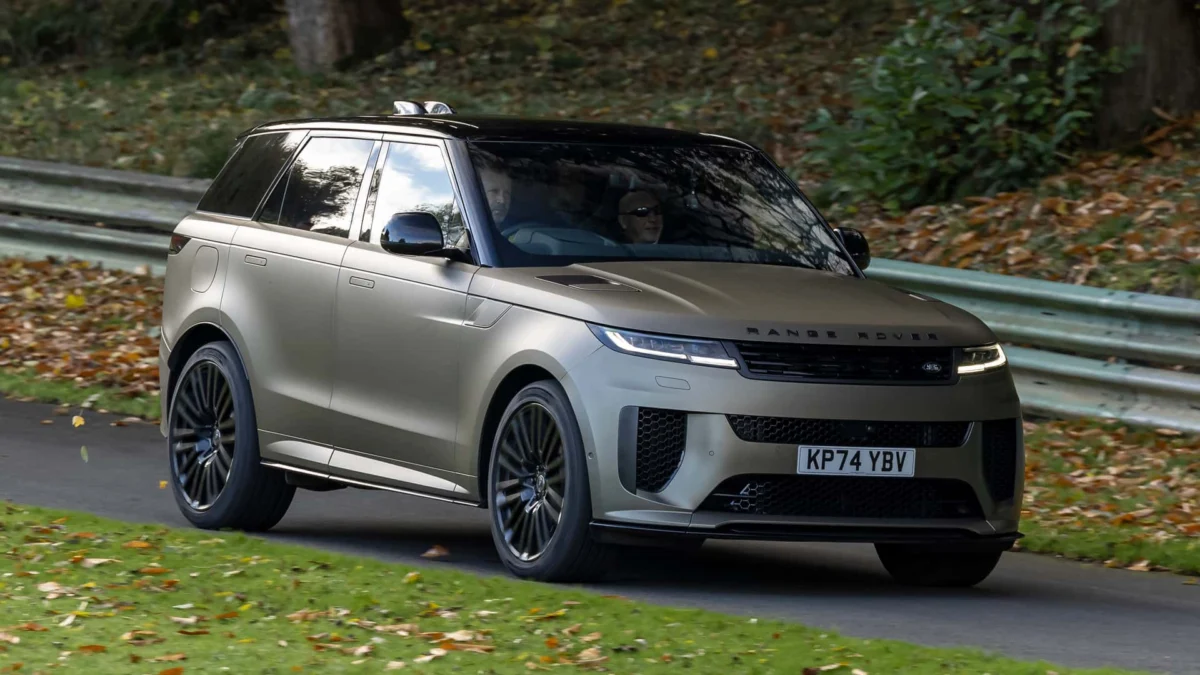
In a move highlighting the complexities of modern automotive supply chain quality control, Jaguar Land Rover (JLR) has issued a safety recall for 873 Range Rover Sport SUVs across the United States and its territories. The recall, officially filed under campaign number 26V613000 with the National Highway Traffic Safety Administration (NHTSA), centers on a critical structural flaw: the potential for the vehicle’s rear subframe to crack, compromising the integrity of the chassis and suspension mounting points.
While the number of affected vehicles is relatively small compared to industry-wide campaigns, the nature of the defect—a structural failure point—has prompted immediate action from the British automaker. The recall underscores the persistent challenge of detecting metallurgical flaws during the forging process, even within highly regulated manufacturing environments.
The Scope: Identifying Affected Models
The recall population is strictly limited to a specific production window at the Solihull manufacturing plant. The affected vehicles span the 2024 through 2026 model years, with construction dates ranging from October 3, 2023, to May 22, 2026.
It is critical for owners to understand that the model year alone is not the sole indicator of whether their vehicle is subject to this safety action. Because the defect is tied to specific batches of subframes produced by two external suppliers—Linamar Casting and Gestamp Assembly—the recall is highly targeted. Two identical Range Rover Sports manufactured in the same month could potentially have different outcomes: one may be perfectly sound, while the other requires immediate intervention.
Jaguar Land Rover and the NHTSA strongly urge all owners of 2024–2026 Range Rover Sport models to verify their status by inputting their unique 17-character Vehicle Identification Number (VIN) into the official NHTSA recall lookup tool.
Chronology: From Supplier Discovery to Regulatory Filing
The path to this recall began not with a rash of consumer complaints or field failures, but rather through the rigorous, albeit reactive, quality control processes embedded within the automotive manufacturing ecosystem.
On June 4, 2026, a forging defect was identified during a routine inspection at one of the subframe supplier facilities. The discovery of a cracked component led to the immediate quarantine of the batch. This finding triggered an internal investigation by JLR engineers, who sought to determine the extent to which potentially compromised parts had already been integrated into vehicles on the assembly line.
The investigation revealed that the forging process itself was the point of origin for these micro-cracks. The issue was compounded by the manufacturing process; the final machining of the subframes frequently masked these structural flaws, rendering them invisible during standard visual quality inspections. Because the defect was "hidden" by the final finish of the part, the components passed through the secondary quality gates undetected, eventually reaching the assembly plant in Solihull.
By the time the scope of the potential impact was realized, 873 units had already been produced and distributed. JLR promptly reported the findings to the NHTSA, leading to the formal recall campaign that seeks to rectify the oversight before these structural stresses can manifest in real-world driving conditions.
Technical Implications: Why the Rear Subframe Matters
The rear subframe is the backbone of the rear suspension architecture. It serves as the primary mounting point for the suspension arms, dampers, and, in many configurations, the rear differential. It is subjected to constant, high-magnitude cyclic loads—the forces generated by acceleration, braking, cornering, and the inevitable bumps and undulations of the road surface.
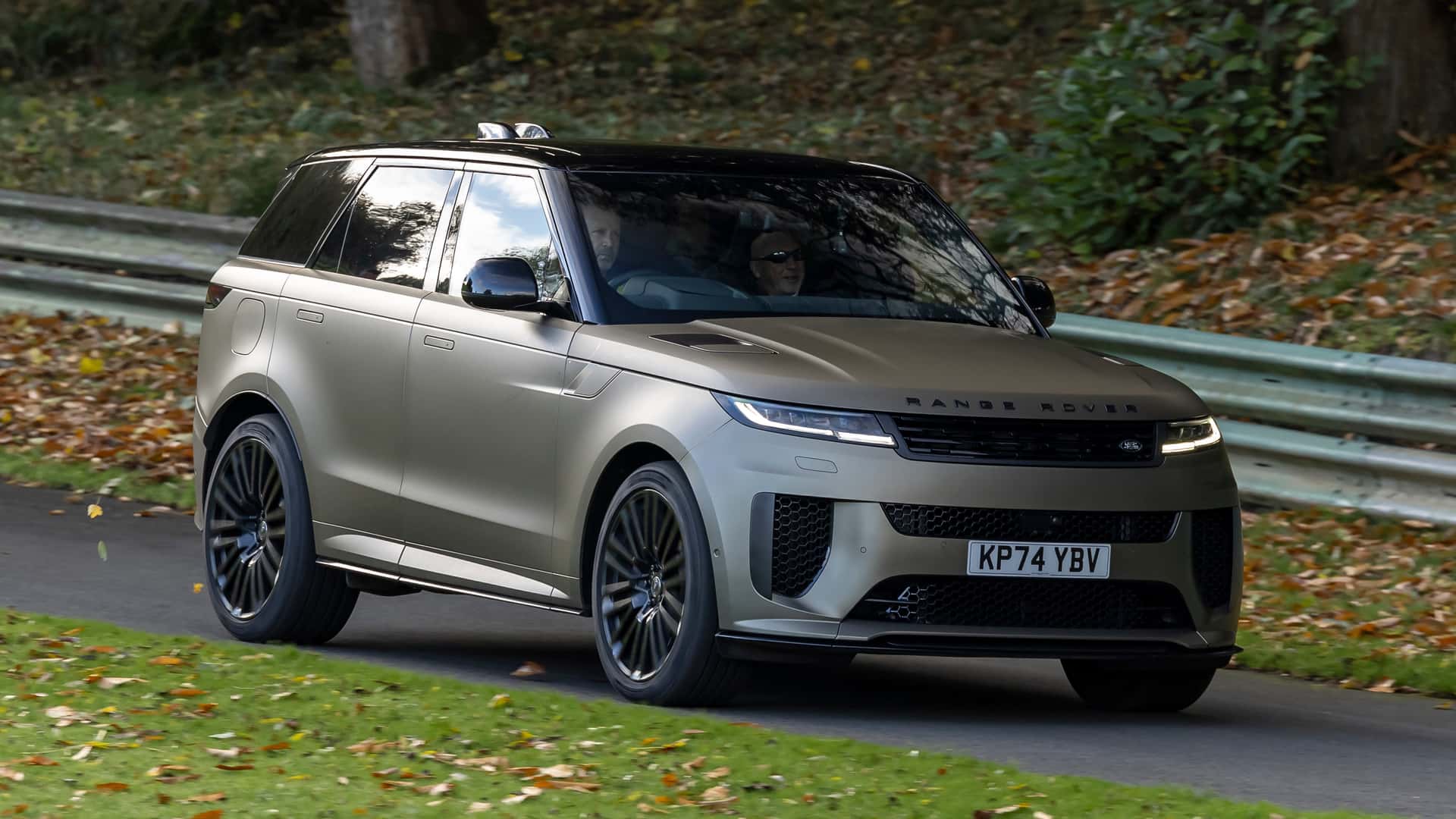
When a structural component like a subframe develops a crack, it loses its ability to distribute these loads effectively. As the vehicle is driven, these cracks can propagate, leading to a loss of structural rigidity. In a worst-case scenario, the failure of the subframe could lead to:
- Suspension Geometry Instability: A cracked subframe can shift the alignment of the rear wheels, leading to unpredictable handling and compromised vehicle control.
- Component Detachment: Under extreme stress—such as towing a heavy load, traversing uneven off-road terrain, or a high-impact collision—a weakened subframe could suffer a catastrophic fracture.
- Crash Risk: If the suspension geometry fails while the vehicle is in motion, the driver’s ability to steer and brake effectively is severely hampered, significantly increasing the risk of a crash.
To date, Jaguar Land Rover has reported no accidents, injuries, or fires related to this specific defect. The recall is entirely preventative, based on the statistical probability of failure over the service life of the vehicle.
Official Response and Remediation Strategy
Jaguar Land Rover has outlined a clear two-tier process for addressing the recall. The company’s primary objective is to ensure that no vehicle with a compromised subframe remains on the road.
- Inspection: Every vehicle flagged in the recall database must be brought to an authorized Land Rover retailer. The technicians will perform a detailed inspection of the rear subframe assembly.
- Remediation:
- If a crack is detected, the rear subframe will be replaced in its entirety at no cost to the vehicle owner.
- In instances where the production records are ambiguous but cannot definitively rule out a potentially defective part, the technician will perform a diagnostic assessment. If the part is deemed unsafe, it will be replaced.
"JLR advises all 2024 to 2026 Range Rover Sport owners to get their rear subframes inspected and replaced if needed," the company stated in its official communications. Owners are advised that until this inspection is completed, they should exercise caution, specifically by avoiding heavy towing or extreme off-road activities that would place high stress on the rear chassis.
Navigating the Recall: What Owners Should Do
The logistical process of a recall of this size involves several steps. In the coming weeks, JLR will begin mailing notification letters to the registered owners of all affected vehicles. However, waiting for the mail is not the recommended course of action for safety-critical components.
Steps for Owners:
- Verify Your Status: Use the NHTSA website or the JLR owner portal to check if your VIN is flagged.
- Contact a Dealer: Even if you have not received a letter, authorized retailers can confirm if your vehicle is part of the campaign based on the manufacturer’s internal database.
- Schedule the Inspection: Once confirmed, schedule an appointment as soon as possible. Because the inspection and potential replacement involve significant labor, it is advisable to call ahead to ensure the service department has the necessary parts and time allocated for your specific vehicle.
- Practice Caution: Until the vehicle is cleared by a professional technician, minimize the use of the vehicle for heavy-duty tasks that exert torque or vertical stress on the rear end of the chassis.
The Broader Context of Automotive Quality
This recall arrives during a period of heightened scrutiny for the automotive industry regarding manufacturing consistency. While JLR has faced larger recalls in the past—such as the massive airbag campaigns affecting hundreds of thousands of vehicles—this specific subframe issue highlights the vulnerability of premium manufacturers to tier-one and tier-two supplier quality lapses.
The fact that this issue was identified by the supplier rather than through customer failure is a testament to the tightening of quality control standards following the global supply chain disruptions of the early 2020s. Nonetheless, for the owners of the 873 Range Rover Sports affected, the situation serves as a reminder of the vital importance of the recall system in modern transportation.
Automakers are increasingly reliant on highly specialized, forged components to keep vehicles lightweight yet robust. When a defect enters the stream of production, it requires a precise, data-driven response to ensure that the luxury and performance that customers expect from the Range Rover brand are not undermined by a fundamental mechanical failure.
As of late 2026, the repair campaign is active. Owners are encouraged to prioritize this inspection to ensure their vehicle’s safety and, ultimately, the long-term reliability of their investment. Jaguar Land Rover’s commitment to addressing the issue proactively, despite the relatively small scope of the recall, reflects the company’s focus on maintaining the rigorous safety standards required for high-performance, all-terrain luxury vehicles.