WASHINGTON, D.C. — In a rapidly escalating series of events spanning geopolitical standoffs, domestic political battles, and a growing public health crisis, the United States faces a complex web of challenges both at home and abroad.
As of mid-July 2026, the intersection of international aggression, electoral integrity disputes, and domestic supply chain vulnerabilities has placed federal agencies, military planners, and political campaigns on high alert.
Main Facts: The Critical Developments
The current news cycle is dominated by several major converging stories that have direct implications for national security, public health, and the upcoming electoral landscape.
1. Iranian Claims of Attack on U.S. Airbase in Bahrain
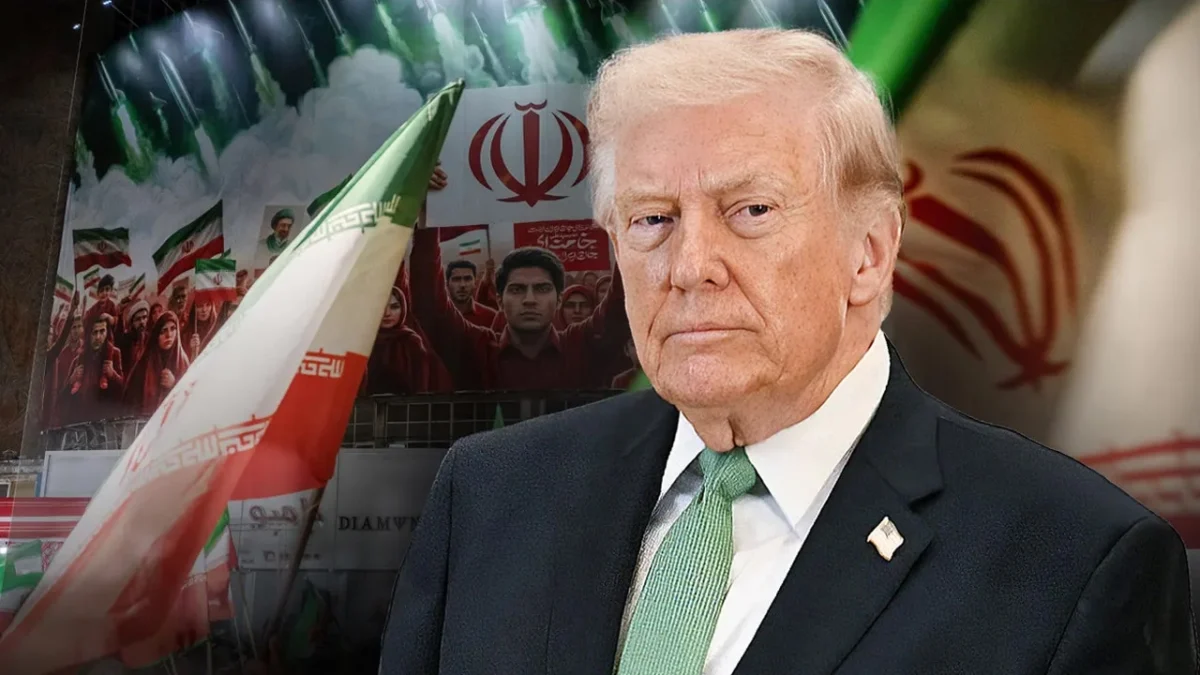
Tehran has claimed responsibility for an attack targeting a U.S. military installation in Bahrain. The announcement has immediately heightened tensions in the Persian Gulf, a region already fraught with conflict. The targeted facility, critical to U.S. naval and air operations in the Middle East, serves as a cornerstone of American power projection and maritime security in the region, particularly concerning the transit of global oil supplies through the Strait of Hormuz.
2. Trump Declassifies Election Intelligence Amid Voter Roll Controversy
Former President Donald Trump has released a cache of declassified intelligence documents that he asserts reveal significant vulnerabilities within the American electoral system. Concurrently, a Department of Homeland Security (DHS) assessment has alleged that more than 256,000 potentially ineligible noncitizens are registered on voter rolls across four key swing states, fueling an intense national debate over election security ahead of the upcoming cycles.
3. FDA and White House Address Multistate Parasite Outbreak
The Food and Drug Administration (FDA) and the White House have intervened in a rapidly expanding public health crisis linked to a parasitic outbreak. The outbreak, which has sickened more than 400 Americans across several states, has been traced back to a primary lettuce supplier utilized by major food service chains, including Taco Bell. Federal health officials are warning the public that the infection may easily be mistaken for a standard "stomach bug," complicating detection and treatment efforts.
On the domestic political front, the ideological divide within the Democratic Party has deepened. Senators Bernie Sanders and Representative Alexandria Ocasio-Cortez have thrown their significant political weight behind progressive Senate hopeful Abdul El-Sayed in a highly contested Michigan primary. This move has intensified the internal "civil war" between progressives and moderates in a state deemed vital for any future Democratic electoral coalition.
Chronology of Key Events
The rapid succession of these events over the current cycle highlights the volatile nature of the domestic and international landscape:
[Day 1: FDA Alert] ────> [Day 2: Trump Intel & DHS] ────> [Day 3: Iran Claims Base Strike] ────> [Day 4: WH & Pentagon Responses]
Parasite outbreak        Declassified documents           Tehran claims strike        Official statements on military,
traced to supplier.      released; voter rolls flagged.   on Bahrain facility.        electoral, and health crises.
Phase 1: The Public Health Alarm: Local health departments begin reporting an unusual spike in gastrointestinal illnesses characterized by prolonged symptoms. Within days, the FDA identifies a specific agricultural supplier of leafy greens as the source of a parasite outbreak. Major national food chains, including Taco Bell, are instructed to immediately halt sourcing from the implicated supplier.
Phase 2: Electoral Integrity Bombshells: Former President Trump declassifies sensitive intelligence dossiers, alleging that previous administrations covered up critical vulnerabilities in voting infrastructure. Almost simultaneously, internal DHS findings are made public, alleging that over a quarter-million noncitizens are active on voter registration lists in critical battleground states.
Phase 3: Geopolitical Escalation in the Gulf: Following weeks of heated rhetoric, Iran’s military apparatus claims a direct strike on a U.S. airbase in Bahrain. Global oil markets react instantly, with crude prices fluctuating amid fears of shipping disruptions in the Strait of Hormuz.
Phase 4: Domestic Political and Cultural Flashpoints: As federal agencies scramble to address these national crises, local and state-level controversies emerge. In Arizona, a former Democratic candidate is arrested following a highly publicized domestic dispute involving a knife and tape. In Memphis, public backlash erupts after a local pizza restaurant owner refuses to serve members of the National Guard, highlighting deep cultural divisions.
Supporting Data and Detailed Analysis
The Geopolitical Standoff in the Persian Gulf
The claim of an attack on the U.S. airbase in Bahrain represents a dangerous escalation in asymmetric warfare. Bahrain hosts the U.S. Navy’s Fifth Fleet, making it one of the most strategically sensitive locations in the Middle East.
Military analysts, including retired strategist Robert Maginnis, suggest that Iran may be employing traditional battlefield deception tactics designed to test the resolve of the current administration while avoiding a full-scale conventional retaliation.
The economic stakes are extraordinarily high: approximately 20% of the world’s petroleum passes through the Strait of Hormuz daily. Any perceived threat to regional stability immediately impacts global energy markets and supply chain logistics.
Electoral Integrity and DHS Data
The DHS allegations regarding voter registration rolls have intensified the debate over state-level election administration. The report claims that over 256,000 noncitizens are currently registered across four pivotal swing states.
While election officials in several of these states have disputed the methodology used to flag these individuals, proponents of stricter voter identification laws argue that these findings justify immediate and comprehensive audits of state voter databases.
Public Health Metrics: The Parasite Outbreak
Medical professionals warn that the parasite responsible for the current outbreak—often difficult to detect through standard diagnostic panels—presents a unique challenge. Unlike viral gastroenteritis, which typically resolves within 48 to 72 hours, parasitic infections can persist for weeks if untreated, causing severe dehydration and long-term digestive complications.
The FDA’s tracing of the outbreak to a centralized agricultural supplier highlights the vulnerability of highly consolidated food supply chains in the United States.
Official Responses and Public Statements
The White House and Federal Agencies
The White House has issued statements addressing both the national security threat in the Middle East and the domestic health crisis. Press Secretary offices have emphasized that the United States will take "all necessary measures" to defend its military personnel and assets in the Gulf, while downplaying the severity of Iran’s unilateral claims until battle damage assessments are fully verified.
Regarding the foodborne illness, the White House stated:
"We are coordinating closely with the FDA, CDC, and state health departments to isolate the contaminated supply chains. Public safety remains our highest priority, and we urge all Americans experiencing prolonged symptoms to seek targeted medical evaluation."
Corporate and Local Community Responses
Taco Bell and Food Suppliers: In a formal statement, Taco Bell’s corporate parent company confirmed it had ceased all procurement from the implicated lettuce supplier, stating they are fully cooperating with the FDA’s ongoing investigation to ensure restaurant safety standards are maintained.
The Navy on the Blue Angels Controversy: Following public concern over an extremely low-altitude flyover by the Blue Angels over a crowded beach, Navy leadership stepped in to shut down rumors of disciplinary action. Officials confirmed that no pilots would be reprimanded or fired, characterizing the maneuver as a executed demonstration within operational parameters, albeit one that captured significant social media attention.
Congressional Reactions: On Capitol Hill, Senate Majority Leader Chuck Schumer dodged questions from reporters regarding a bombshell report alleging that a sitting Democratic senator engaged in inappropriate relationships with House staff members. Meanwhile, in Texas, Democratic Representative James Talarico made a candid admission on air, stating that his party had "taken the border for granted" under the current administration—a confession reflecting broader party anxieties regarding immigration policy.
Implications and Future Outlook
The convergence of these international and domestic events points to a turbulent period ahead for United States policymakers.
Geopolitical Stability
The claims by Iran are likely to push the U.S. toward strengthening its defensive posture in the Persian Gulf. This could involve deploying additional naval assets, enhancing missile defense systems in partner nations like Bahrain and Saudi Arabia, and increasing patrols along critical maritime trade routes.
If Iran’s claims are verified to have caused damage or casualties, the administration will face immense pressure to launch retaliatory strikes, risking a broader regional conflict.
The Electoral Landscape
The combination of Trump’s declassified intelligence release and the DHS voter roll allegations will undoubtedly serve as central talking points in upcoming congressional and presidential campaigns.
Expect to see intensified legislative efforts in conservative-led states to pass stricter voting laws, implement more frequent voter roll purges, and mandate proof of citizenship for registration. Conversely, progressive factions will continue to challenge these measures in court, arguing they represent voter suppression.
The nationwide parasite outbreak is poised to reignite debates over food safety regulations and agricultural oversight. Congress may examine the consolidation of food distributors, as a single contaminated supplier can affect millions of consumers across dozens of states.
Increased funding for rapid diagnostic testing in hospitals and clinics may also be prioritized to prevent misdiagnosis of parasitic infections as common stomach viruses.
As the nation navigates these multifaceted crises, the resilience of its political institutions, military deterrence, and public health infrastructure will be tested to their limits.