For nearly a quarter of a century, the Texas Dream Act stood as a beacon of pragmatism and opportunity in American higher education. Enacted in 2001 as House Bill 1403, it allowed thousands of undocumented students—young people who grew up in Texas, attended its public schools, and contributed to its economy—to pay in-state tuition and access state-funded financial aid.
Then, in June 2025, that pathway vanished.
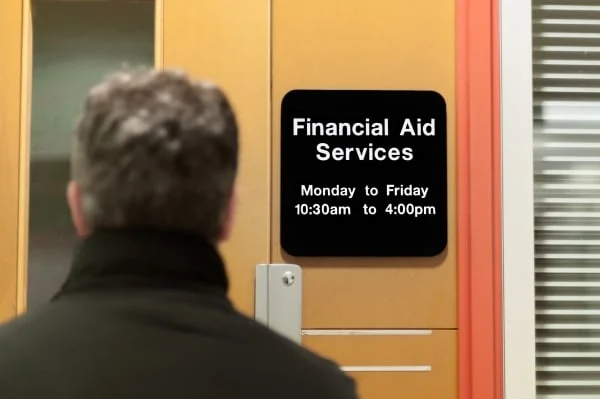
For financial aid administrators like Allie Soisouvanh Price, the legal shift was not merely a matter of administrative adjustment or a footnote in a policy journal. It was a series of heart-wrenching, face-to-face encounters with students whose academic futures were dismantled overnight.
"These are moments in financial aid that stay with you," Price reflects. "I thought I had learned how to deliver difficult news, but this was different. I wasn’t telling them they had lost aid due to poor grades or changing personal circumstances. I was telling them that a policy they had built their entire lives around had been stripped away."
A Foundation Eroded: The Chronology of Change
The unraveling of the Texas Dream Act was not an isolated event but the culmination of a long-standing legal and political challenge to state-level immigration policies.
- 2001: Texas passes House Bill 1403, becoming the first state in the nation to grant in-state tuition to undocumented students who met specific residency and graduation requirements.
- 2005: The policy is expanded to ensure these students are also eligible for state financial aid through the Texas Application for State Financial Aid (TASFA).
- Early 2025: Legal challenges intensify as critics of the policy push for a judicial review of the state’s authority to grant such benefits to individuals without legal immigration status.
- June 2025: The judicial hammer falls. A ruling effectively overturns the provisions of the Texas Dream Act, leaving thousands of students ineligible for the tuition rates and grants they were already receiving.
- July 9, 2025: The U.S. Court of Appeals for the Fifth Circuit denies an appeal to reinstate the policy.
- August 2025: The court denies a final request for a rehearing, cementing the status quo and leaving institutions across the state scrambling to adjust their billing and financial aid disbursement systems.
For students, the timeline was much more abrupt. For many, the news arrived during summer sessions or while they were preparing for their final semesters.
The Anatomy of a Crisis: When Policy Becomes Personal
In the quiet of a campus office, the macro-level implications of the Fifth Circuit’s decision became intensely micro. Price recalls a specific student—a young woman from South America who had moved to San Antonio as a child, excelled in high school, and was just months away from completing her associate degree.
"She sat down across from me, looked at me, and said quietly, ‘Ms. Allie, I’m supposed to graduate this upcoming fall semester. I’m so close. I don’t know how I am going to afford school without my Texas grant,’" Price says.
This scenario played out in colleges and universities across the state. Administrators, who are trained to be "miracle workers"—to find emergency funds, navigate complex regulations, and identify hidden scholarships—found themselves hitting a wall. The legal change was absolute. There were no loopholes to find and no alternative pathways to offer.
"There was one student who refused to accept the news," Price remembers. "She kept trying to shove her TASFA application into my hands. I told her, ‘Unfortunately, I cannot accept this.’ She kept trying anyway. After ten minutes of me saying no, she just burst into tears."
The Economic and Educational Implications
The ripple effects of the overturning of the Texas Dream Act extend far beyond the immediate shock of individual students. Higher education institutions in Texas are now grappling with a sudden decline in enrollment among a demographic that has historically been among their most dedicated students.
The Financial Barrier
Without in-state tuition, the cost of attendance for an undocumented student can triple or quadruple. For many, this represents an insurmountable barrier. When coupled with the loss of state grants, the financial burden shifts from a manageable expense to an impossibility.
Workforce Development
Texas has long positioned itself as a leader in workforce development. By educating the next generation of nurses, teachers, engineers, and technicians, the state was reaping the benefits of a highly trained, local workforce. Analysts warn that by effectively pricing these students out of the market, the state risks losing the return on its initial investment in their K-12 education.
The Institutional Burden
Financial aid administrators are now on the front lines of a crisis they did not create. They are tasked with the unenviable duty of enforcing a policy that contradicts the mission of open-access higher education. "We are the ones who sit across from students, explain what changed, and absorb the tears, frustration, and uncertainty that follow," Price notes. "I cannot package hope and false promises in an award letter."
Official Responses and the Judicial Stance
The legal battle has been defined by a rigid interpretation of federal versus state authority. Opponents of the Texas Dream Act argued that the state was essentially facilitating illegal immigration by providing subsidies to those without legal status. The Fifth Circuit’s refusal to rehear the case suggests that, for the current judiciary, the legal argument for the policy has been exhausted.
State legislators have remained largely fractured on the issue. While some lawmakers have expressed a desire to find a "Texas solution" that complies with the court’s ruling while still providing some form of relief, no concrete legislation has yet emerged to replace the protections lost in June.
Education advocates argue that the court’s decision fails to account for the "human capital" argument. By preventing these students from completing their degrees, the state is effectively limiting the tax-paying potential of its own residents.
Beyond the Headlines: The Human Element
The tragedy of this policy change is that it creates a "lost generation" of students who were invited into the system, encouraged to pursue excellence, and then abruptly pushed out when they were within reach of their goals.
Financial aid administrators like Price represent the silent witnesses to this transition. They are tasked with maintaining professional decorum while navigating the deep, systemic failure of a policy that once promised a meritocratic path to success.
"These conversations rarely make the headlines," Price writes. "They are where higher education policy becomes human and real. We are trained to solve problems, but my years in financial aid did not prepare me for this. I had no answer. I still do not."
As the dust settles, the reality for thousands of students remains grim. They are left in a state of suspended animation, waiting to see if there is any political will to restore a pathway that once defined the Texas promise. Until then, the doors of the university remain open to some, but firmly, and painfully, closed to many others.
The collapse of the Texas Dream Act serves as a stark reminder that in the halls of justice and the chambers of government, decisions are made with ink and gavels. But in the offices of financial aid administrators, those same decisions are processed in tears and the quiet, devastating sound of a student realizing their dream has been deferred indefinitely.