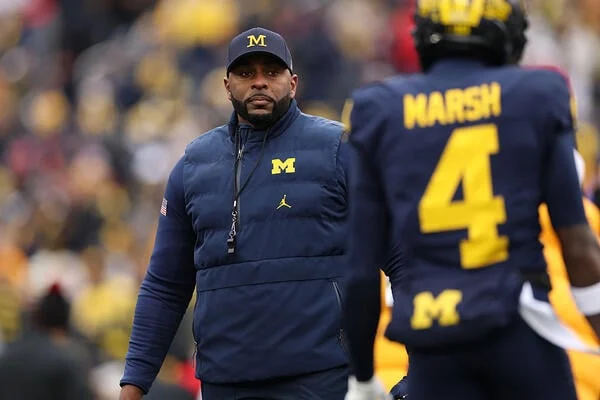
The University of Michigan, an institution long synonymous with academic prestige and athletic excellence, currently finds itself entangled in a fiscal and ethical firestorm. According to reporting by The Detroit Free Press, the university has now funneled more than $12 million into third-party legal investigations aimed at dissecting the systemic failures that culminated in the firing of former head football coach Sherrone Moore.
This staggering expenditure, fueled by taxpayer dollars and tuition revenue, represents one of the most expensive internal audits in collegiate athletic history. As the university balances the need for transparency against the instinct to protect its institutional reputation, the public is left asking: what price is too high to pay for the truth?
The Current Financial Landscape: Invoices and Accountability
The latest data, unearthed via a Michigan Freedom of Information Act (FOIA) request, reveals that the university paid the elite law firm Jenner & Block nearly $200,000 for professional services rendered through May 31, 2026. This specific payment is but a drop in the bucket of a much larger, multi-year investigative project.
The investigation was commissioned in late 2025 as the university sought to reconcile its internal culture with the burgeoning scandal surrounding Moore’s conduct. By retaining outside counsel, the university aimed to maintain the appearance of objectivity. However, as the billable hours have mounted—reaching a total exceeding $12 million—critics have begun to question whether the firm’s exhaustive analysis is delivering value or simply draining institutional resources to provide the university with legal cover.
Chronology of a Crisis: From Sidelines to Scandal
The timeline of the Michigan football program’s descent into scrutiny is a complex web of on-field success masked by off-field instability.
- Late 2025: Following a series of internal reports and growing public concern, the University of Michigan Board of Regents and the administration officially engage the law firm Jenner & Block to conduct an independent investigation into the football program’s leadership and the broader culture within the athletic department.
- Early 2026: As investigators began interviewing staff, players, and department heads, the focus shifted from general departmental oversight to the specific actions of head coach Sherrone Moore.
- Spring 2026: The investigation uncovered a pattern of behavior regarding Moore’s professional conduct. Specifically, findings indicated that Moore had engaged in an affair with his executive assistant, Paige Shiver.
- May 2026: The investigation culminated in the termination of Sherrone Moore. The legal fees associated with this period of the investigation saw a sharp spike as the firm prepared its final report.
- July 2026: Revelations emerge regarding the university’s failure to act on "warning signs" that preceded the scandal, as detailed in reports from The Wall Street Journal and other outlets.
The Investigative Findings: A Culture of Oversight
The core of the controversy lies not just in the affair itself, but in the university’s systemic failure to address the red flags that were, by all accounts, visible to those in positions of power. The Jenner & Block report, which has yet to be released in full to the public, suggests that the University of Michigan’s athletic department functioned under a culture of willful blindness.
According to internal leaks, investigators found that the university had multiple opportunities to intervene before the situation involving Moore and Shiver reached a breaking point. The report argues that the department’s preoccupation with maintaining the football team’s winning record—and the financial windfall that accompanies it—led administrators to overlook violations of conduct policies that would have resulted in immediate disciplinary action in any other department on campus.
Official Responses and the Transparency Gap
Perhaps the most contentious aspect of this $12 million investment is the university’s refusal to share the findings with the public. While the investigation was paid for by the university—a public institution—University of Michigan President Domenico Grasso has remained non-committal regarding the release of the final document.
In a recent statement to MLive, President Grasso indicated that university officials are "still thinking" about whether to release the report. This ambiguity has drawn sharp criticism from transparency advocates, faculty members, and alumni who argue that the public is entitled to know how its funds were spent and what, specifically, went wrong within the athletic department.
The university’s hesitation is widely interpreted as a tactical move. By keeping the report under wraps, the administration maintains control over the narrative, potentially shielding other high-ranking officials who may have been aware of the warning signs but chose not to act.
Implications for Collegiate Athletics
The Michigan case serves as a harbinger for the future of collegiate sports governance. As athletic departments grow into multi-billion-dollar entities, the traditional mechanisms of university oversight are proving increasingly inadequate.
1. The Financial Burden of "Independent" Oversight
The $12 million price tag raises a critical question about the efficacy of third-party investigations. If a law firm is hired by the very entity it is investigating, can it truly be independent? The astronomical cost suggests that these firms are often tasked with more than just fact-finding; they are effectively managing a crisis, drafting defensive legal strategies, and ensuring the university is protected from future litigation.
2. The Conflict Between Profit and Policy
Michigan’s situation highlights the inherent conflict of interest in major college football. When a coach becomes a "brand," their conduct is often viewed through the lens of their utility to the program. The "warning signs" mentioned in the report suggest that standard conduct policies were treated as suggestions rather than requirements, provided the team continued to perform at an elite level.
3. The Push for Legislative Intervention
The lack of transparency from the university administration has already spurred discussions in the Michigan state legislature. Lawmakers are now considering whether public universities should be legally required to release the findings of any investigation that exceeds a certain dollar threshold. If passed, such a law would represent a significant shift in the balance of power between public institutions and their governing bodies.
Moving Forward: The Path to Institutional Reform
For the University of Michigan to regain its footing, it must do more than simply pay a bill. The institution faces a long road to restoring its credibility. The $12 million spent on Jenner & Block has provided a roadmap of failures, but that map is currently being treated as a state secret.
Real reform requires the following:
- Public Accountability: The university must release the full, unredacted findings of the Jenner & Block report. The "thinking about it" phase must end in favor of transparency.
- Administrative Accountability: If the report confirms that senior administrators were aware of the misconduct and chose to ignore it to preserve the program’s success, those individuals must be held accountable, regardless of their tenure or rank.
- Cultural Overhaul: The athletic department must decouple its moral standards from its win-loss record. This will require new, independent oversight mechanisms that report directly to the Board of Regents—or even an external body—rather than the athletic director’s office.
Conclusion
The University of Michigan’s $12 million investigation is more than just a line item on a budget sheet; it is a monument to the dangers of unchecked institutional power. By prioritizing the silence of an investigation over the clarity of transparency, the university risks alienating its community and setting a dangerous precedent for higher education.
As the dust settles, the question remains: was this an investment in the future of the university, or simply a premium paid to bury the past? Until President Grasso and the administration decide to share the truth, the University of Michigan remains caught in the very culture of opacity that this investigation was supposed to dismantle. For a school that prides itself on being "the leaders and best," the path forward must be defined by courage, not by the costly suppression of facts.