San Francisco Mayor Daniel Lurie, a staunch proponent of positioning the city as a global "testbed for emerging tech," has reached a critical turning point in his relationship with the autonomous vehicle (AV) industry. Following a series of high-profile traffic disruptions that paralyzed city streets and left thousands of commuters stranded, Mayor Lurie is calling for a fundamental shift in how California regulates robotaxis.
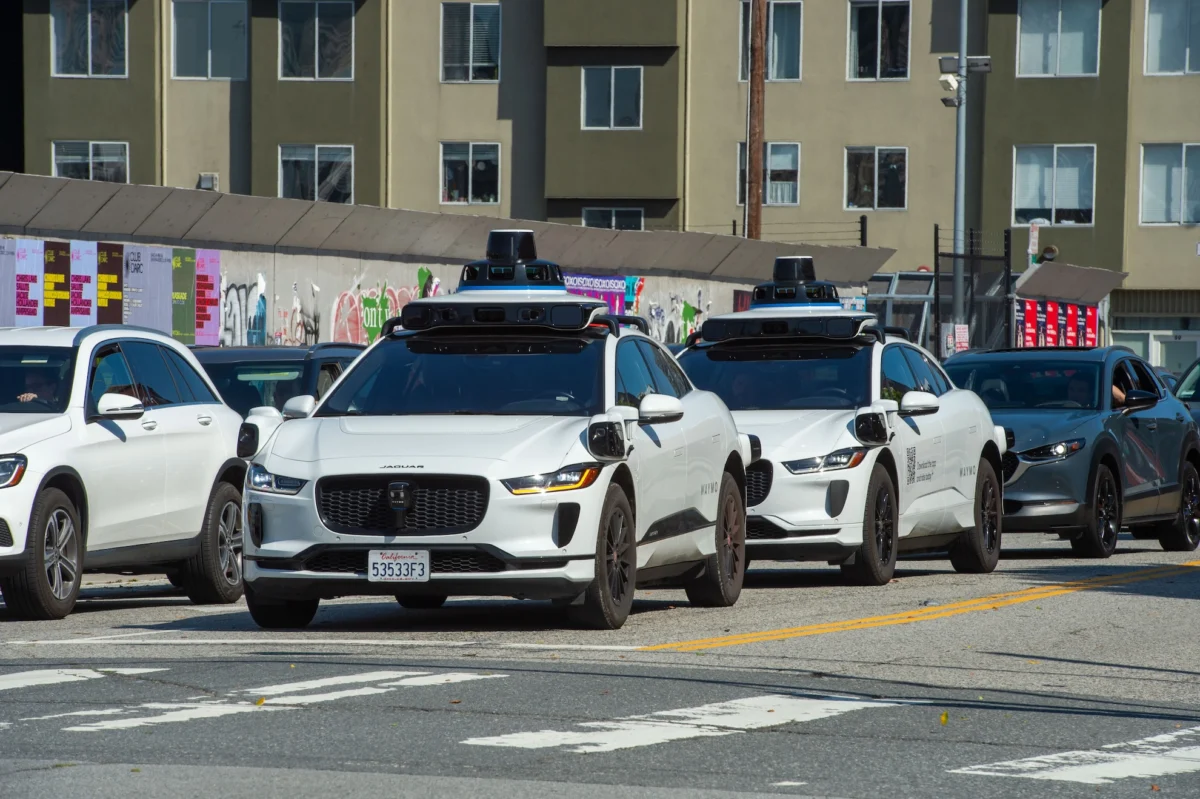
The tipping point arrived in the wake of the July 4th Independence Day festivities. As 100,000 spectators descended upon the waterfront for the Golden Gate Bridge fireworks display, Waymo’s fleet of autonomous vehicles struggled to navigate the extreme density. The result was a cascading failure: dozens of robotaxis became immobile, ran out of power, and blocked key transit arteries, effectively creating a gridlock that trapped municipal shuttles and emergency responders alike.
In a formal letter to the California Department of Transportation (Caltrans), Mayor Lurie argued that the city’s status as a technological proving ground should not come at the cost of public mobility. "California’s challenge now is not just whether autonomous vehicles can operate safely under normal conditions, but also whether they can perform reliably during extraordinary ones," Lurie stated.
A Chronology of Gridlock: From December to the Fourth of July
The July 4th incident was not an isolated anomaly but rather the most recent example of a recurring systemic vulnerability. Mayor Lurie’s letter highlights a pattern that has increasingly frustrated city officials and residents.
The December Power Outage
The trouble began months prior during a widespread power outage in December. While the city grappled with the loss of electrical infrastructure, the autonomous fleet—which relies heavily on sophisticated telecommunications and connectivity—failed to navigate the resulting chaos. Dozens of vehicles became stranded in the middle of intersections and transit corridors, creating significant bottlenecks that hampered city recovery efforts.
The July 4th Fireworks Fiasco
The situation reached a breaking point during the Independence Day celebrations. Despite pre-emptive efforts by city officials to coordinate with Waymo—including the company’s voluntary restriction of service near the waterfront and the deployment of a company representative to the city’s emergency operations center—the technology failed to adapt to the sheer scale of the crowds. As traffic surged to accommodate 100,000 attendees, the Waymo vehicles encountered conditions that caused them to stall, lose power, and block traffic flow. The gridlock lasted for hours, drawing sharp criticism from the public and local government alike.
The Case for Regulatory Reform: Four Core Capabilities
Mayor Lurie is not calling for a ban on autonomous technology; rather, he is demanding an evolution of the regulatory framework. In his letter, he outlined four "core operational capabilities" that he believes must become the standard for any company operating an autonomous fleet in a dense urban environment:
- Immediate Remediation: Companies must possess the ability to immediately remove or relocate stalled robotaxis from active travel lanes to prevent traffic obstruction.
- Dynamic Adaptability: Vehicles must demonstrate the ability to adapt in real-time to changing environments, including the automated adjustment of routes, service zones, and designated pick-up/drop-off points during surges.
- Data Transparency: Operators must be required to share real-time operational data with local agencies. This includes immediate notification of service disruptions, precise locations of immobile vehicles, and active updates on recovery efforts.
- Stress-Testing Standards: Manufacturers must prove through rigorous simulation and field testing that their fleets can handle large-scale influxes of people and unexpected traffic volume.
Lurie maintains that these requirements are not intended to stifle innovation. "These proposed requirements will not undermine autonomous vehicles; they will strengthen them," he asserted.
Supporting Data: The Scale of the Bay Area Experiment
To understand why the city is demanding change, one must look at the scale of the operation. San Francisco and Silicon Valley serve as the epicenter of the global autonomous vehicle industry. Six major companies currently hold driverless testing permits, allowing their vehicles to navigate public roads without a human safety operator present.
- Waymo: Currently the dominant player, Waymo operates an estimated 1,000 robotaxis in the Bay Area. Nationally, the company reports over 500,000 paid rides every week across 11 cities.
- The Competitors: Other companies, such as Amazon-owned Zoox, are actively testing or preparing for commercial launches. Uber has also announced plans to launch a premium robotaxi service in the city.
- The Tesla Factor: While Tesla’s presence is significant, it operates under a different model. Tesla does not currently use fully driverless vehicles in its robotaxi service; instead, it utilizes a charter transportation permit, employing human drivers who rely on the company’s advanced driver assistance system.
The complexity of navigating two distinct regulatory bodies—the California Department of Motor Vehicles (DMV) and the Public Utilities Commission (CPUC)—has historically made California the "strictest" state for AV operations. However, as the industry matures, the density of vehicles on the road is outpacing the original regulatory intent.
Official Responses and Industry Implications
The technology industry has long viewed San Francisco as the ultimate stress test. Success here, proponents argue, proves the viability of autonomous transport for the rest of the world. However, the reliance on "voluntary actions"—such as the representative Waymo placed in the emergency center during the July 4th event—is now being viewed as insufficient by the city’s leadership.
When contacted for comment, Waymo acknowledged the complexity of operating in high-density urban environments. As of this writing, the company is reviewing the Mayor’s letter and has not yet issued a formal statement on the proposed requirements.
Industry analysts suggest that the pressure from San Francisco could set a precedent for other major metropolitan areas. If California implements these "core capabilities" as mandatory regulations, it would force a significant shift in software architecture, requiring more robust "edge case" planning and enhanced infrastructure connectivity.
The Road Ahead: Balancing Innovation and Urban Function
The friction between Mayor Lurie’s administration and the AV industry highlights a fundamental tension in modern urban planning. Can a city successfully act as a global testbed for disruptive technology while simultaneously maintaining the baseline operational efficiency required by its citizens?
For the thousands of San Franciscans who spent their Independence Day trapped in traffic, the answer seems clear: the era of "move fast and break things" cannot extend to the city’s public thoroughfares. By shifting from a model of voluntary cooperation to one of mandatory operational standards, Mayor Lurie is signaling that the "testbed" phase is reaching its natural conclusion.
The next steps will likely involve a period of intense negotiation between state regulators, city officials, and the autonomous vehicle firms. The outcome of these discussions will not only determine the future of mobility in San Francisco but will likely serve as the blueprint for how cities worldwide integrate autonomous technology into the complex fabric of daily urban life. As the technology continues to scale, the focus is shifting from "can it drive?" to "can it coexist?"—a question that will define the next decade of transportation policy.