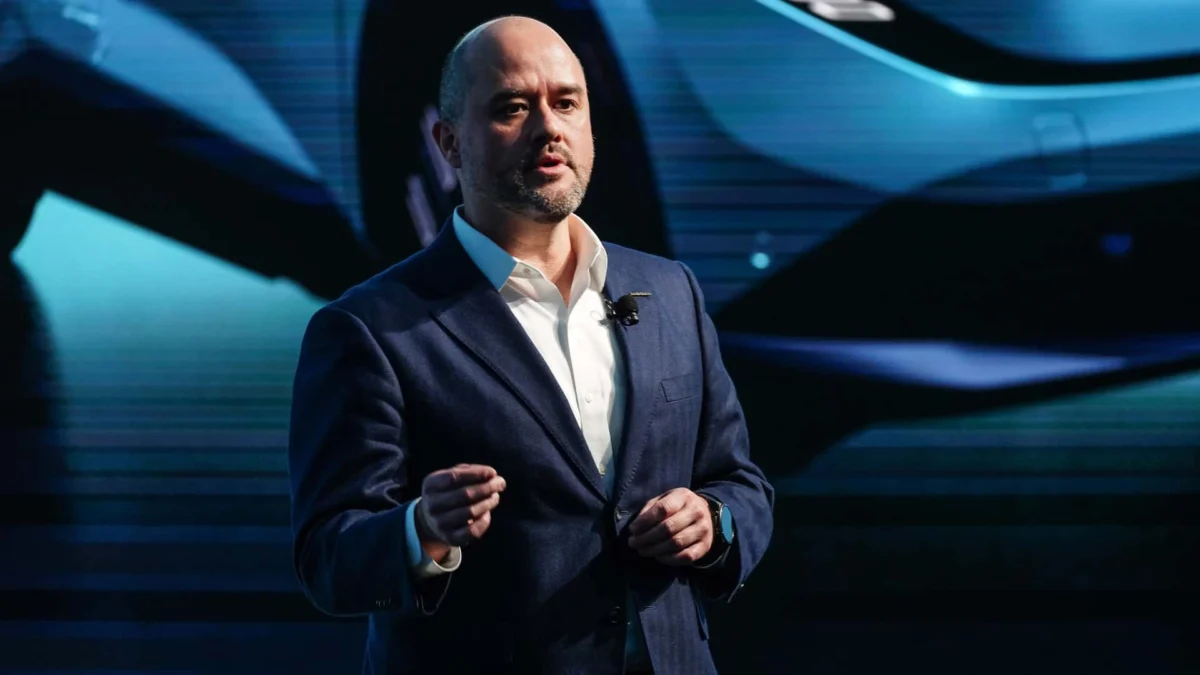
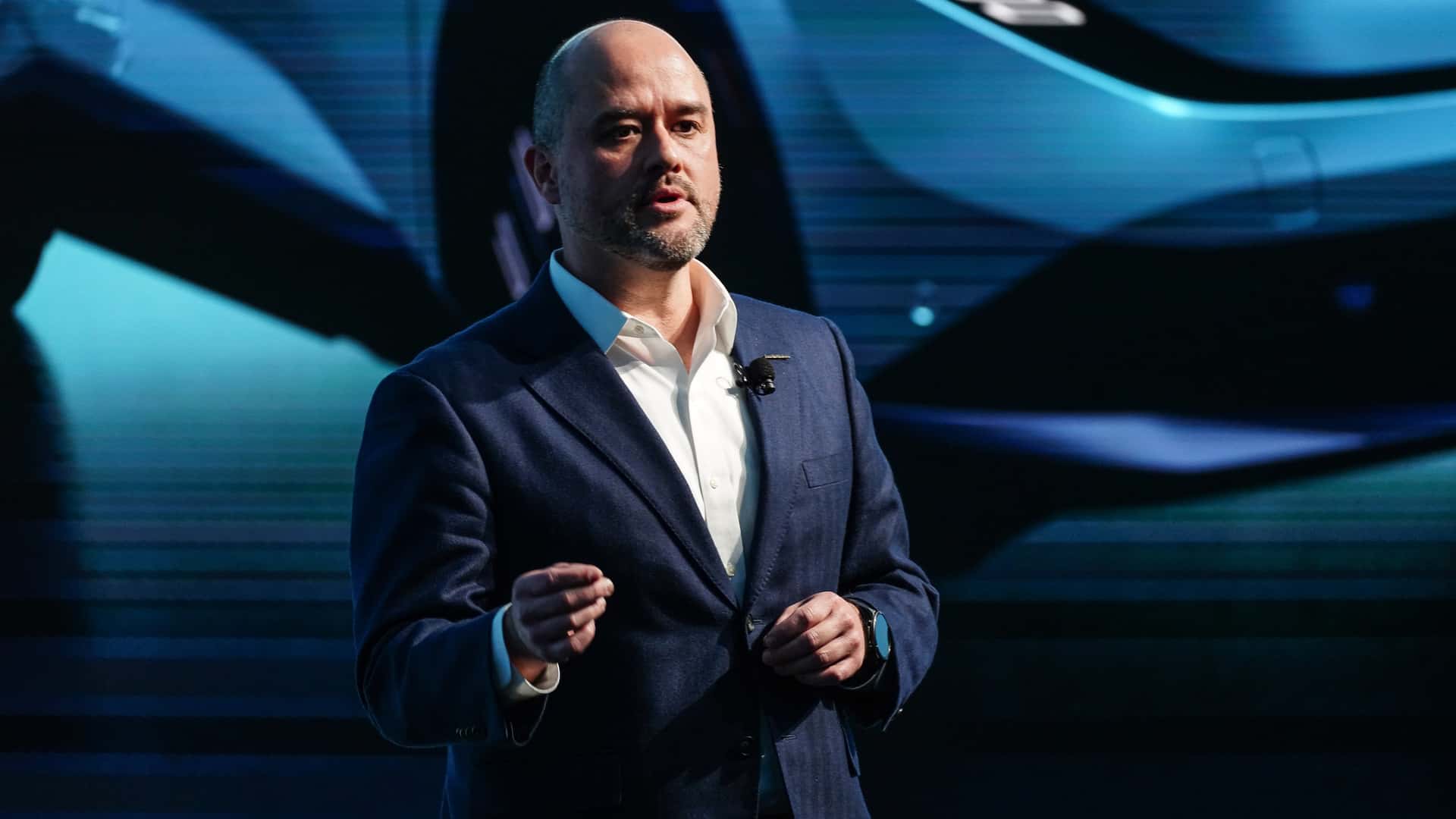
Just over a year into his tenure, Nissan CEO Ivan Espinosa is steering the Japanese automotive giant through its most precarious period in recent memory. Facing a confluence of stagnant sales, eroded brand equity, and a rapidly shifting global automotive landscape, the 47-year-old executive has initiated a sweeping, multifaceted recovery strategy dubbed "Re:Nissan." This ambitious program seeks to dismantle the legacy of volume-obsessed leadership and rebuild the automaker as a leaner, more agile, and premium-focused manufacturer.
The Mandate for Change: A Chronology of Crisis and Correction
Nissan’s current predicament is the result of years of strategic drift. Historically, the company prioritized market share above profitability, a strategy that led to a reliance on fleet sales and rental car contracts. While this approach provided a temporary boost in headline numbers, it systematically eroded the brand’s image, turning once-desirable vehicles into the generic staples of airport rental lots.
- April 2025: Ivan Espinosa officially assumes the roles of CEO and President, inheriting a company struggling with production inefficiencies and a bloated portfolio.
- Late 2025 – Early 2026: Internal audits reveal that the company’s manufacturing capacity significantly outstrips global demand. The "Re:Nissan" plan is formally socialized to investors and stakeholders.
- Mid-2026: Nissan begins the aggressive implementation of its cost-cutting measures, signaling the closure of underutilized design studios and the consolidation of global manufacturing platforms.
- Current Status: The company is currently mid-transition, shedding legacy processes in favor of a shortened, technology-driven development cycle.
Radical Restructuring: The Anatomy of the Cost-Cutting Plan
The scale of the "Re:Nissan" plan is staggering. To stabilize the balance sheet, the company is executing a rigorous reduction in its operational footprint.
Workforce and Infrastructure
The plan mandates the elimination of approximately 20,000 jobs globally. This workforce reduction is coupled with a brutal pruning of the company’s physical assets, including the permanent closure of seven manufacturing factories worldwide and two specialized design studios. By consolidating operations, Nissan aims to lower its fixed costs and pivot toward a more flexible manufacturing model.
Manufacturing Efficiency
Perhaps the most significant technical shift is the reduction of Nissan’s platform architecture. By slashing the number of vehicle platforms from 13 down to 7, the company expects to achieve massive economies of scale. This simplification allows for faster production iteration and lower research and development costs per unit. Furthermore, the company is drastically reducing its annual production capacity from 3.5 million to 2.5 million units, prioritizing profit margins over the "volume at any cost" mantra of the past.
Speed to Market: Shortening the Development Lifecycle
Under the previous regime, Nissan’s product development cycles were notoriously slow, often taking up to 50 months to bring a vehicle from concept to showroom. In an era defined by rapid technological shifts, this pace was unsustainable.
The "Re:Nissan" strategy introduces a fundamental overhaul of the engineering timeline. The company is aggressively targeting a reduction in development time for next-generation models from 52 months down to 37. Even more ambitious is the goal for subsequent derivative models, which will see their development cycle compressed from 50 months to just 30. This acceleration is intended to ensure that Nissan’s technology remains current and that its design language stays competitive with increasingly fast-moving rivals from China and South Korea.
The Strategy: Moving Beyond the Rental Car Image
In a candid interview with Reuters, Espinosa articulated the failure of the company’s previous reliance on the North American rental market. For years, Nissan’s U.S. operations pushed vehicles into fleets to hit monthly sales targets. This created a "cheap" perception that severely hampered resale values and discouraged private buyers.
Espinosa’s directive is clear: "Before, it was like, okay, we want volume, volume, volume. This is not a good way of operating a car company." By withdrawing from low-margin rental fleet channels, Nissan intends to cultivate brand prestige and protect the pricing integrity of its new, upcoming models.
Product Renaissance: The Future Lineup
The backbone of the recovery is a total renewal of the brand’s offerings. By trimming 11 underperforming models from the lineup, Nissan is freeing up capital to invest in high-growth, high-profit segments.
The Return of the Icon: The Xterra
One of the most anticipated moves is the revival of the Nissan Xterra. Designed to compete in the rugged, body-on-frame SUV segment, the new Xterra is positioned as a halo product for the brand’s off-road aspirations. With a starting price confirmed to be below $40,000, it aims to capture the lifestyle-SUV market currently dominated by rivals like the Toyota 4Runner and Ford Bronco. The vehicle will feature a standard V6 gas engine alongside a high-performance V6 hybrid powertrain, signaling a commitment to both traditional power and modern efficiency.
Electrification and Luxury: Skyline and Rogue
The evolution of the brand also extends to the premium and hybrid sectors:
- The New Skyline: Debuting this winter, the next-generation Skyline will serve as the technological flagship for Nissan, with an upscale variant slated to join the Infiniti lineup in North America.
- Rogue E-Power: Arriving for the 2027 model year, the Rogue Hybrid E-Power will utilize a unique range-extender EV architecture. By using a small, turbocharged three-cylinder engine to generate electricity for the electric motors, Nissan aims to offer the driving feel of an EV without the range anxiety associated with pure battery-electric vehicles.
The Road Ahead: Implications and Challenges
While the strategic direction is clear, the implementation is fraught with risk. The automotive industry is currently in a state of flux, and Nissan’s recovery is being executed against a backdrop of potential strategic partnerships.
The Honda Factor
Rumors persist regarding a deeper tie-up with Honda. Following the collapse of merger talks last year, the two companies have maintained a collaborative dialogue, particularly regarding software development and electric vehicle components. For Nissan, a partnership with a company like Honda—known for its disciplined manufacturing and strong brand equity—could provide the stability necessary to see the "Re:Nissan" plan through to completion.
The CEO’s Philosophy
Espinosa’s leadership style is distinct. As a "car guy" who reportedly commutes in a Nissan Z, he brings an enthusiast’s perspective to the executive suite. His public discussions regarding the potential return of the Silvia and the GT-R suggest he understands the importance of emotional resonance in a brand. However, he is balancing this passion with the cold, hard mathematics of corporate restructuring.
Conclusion: A Long-Term Gamble
The results of the "Re:Nissan" overhaul will not be immediate. The automotive industry operates on a multi-year lead time, meaning the decisions made today will only truly bear fruit toward the end of the decade. Nissan is betting that by sacrificing short-term volume, it can regain the trust of consumers and investors alike.
The combination of a leaner manufacturing base, a faster development cycle, and a renewed focus on brand-defining vehicles like the Xterra provides a roadmap for sustainability. Yet, the company remains in a "wait-and-see" phase. Whether Nissan can successfully shed its reputation as a fleet-dependent manufacturer and emerge as a leader in design and innovation depends on the successful execution of these complex structural changes. For now, the automotive world is watching closely to see if Espinosa’s "Re:Nissan" can restore the luster to one of Japan’s most storied brands.