By Staff Reporter
June 27, 2026
In a significant move that signals a potential paradigm shift in the consumer electronics landscape, Paul Meade, the Apple vice president overseeing the Vision Pro headset, has officially resigned from the Cupertino giant. According to reports from Bloomberg’s Mark Gurman, Meade is set to join OpenAI’s burgeoning hardware division.
Meade’s departure is not merely the exit of a high-level executive; it represents a tactical pivot in the ongoing race to define the post-smartphone era. As the architect behind the Vision Pro and the lead on Apple’s highly anticipated AI-powered smart glasses, Meade’s transition to Sam Altman’s OpenAI suggests that the AI powerhouse is accelerating its ambitions to move beyond the cloud and into the physical world.
The Strategic Departure: A Talent Drain at the Top
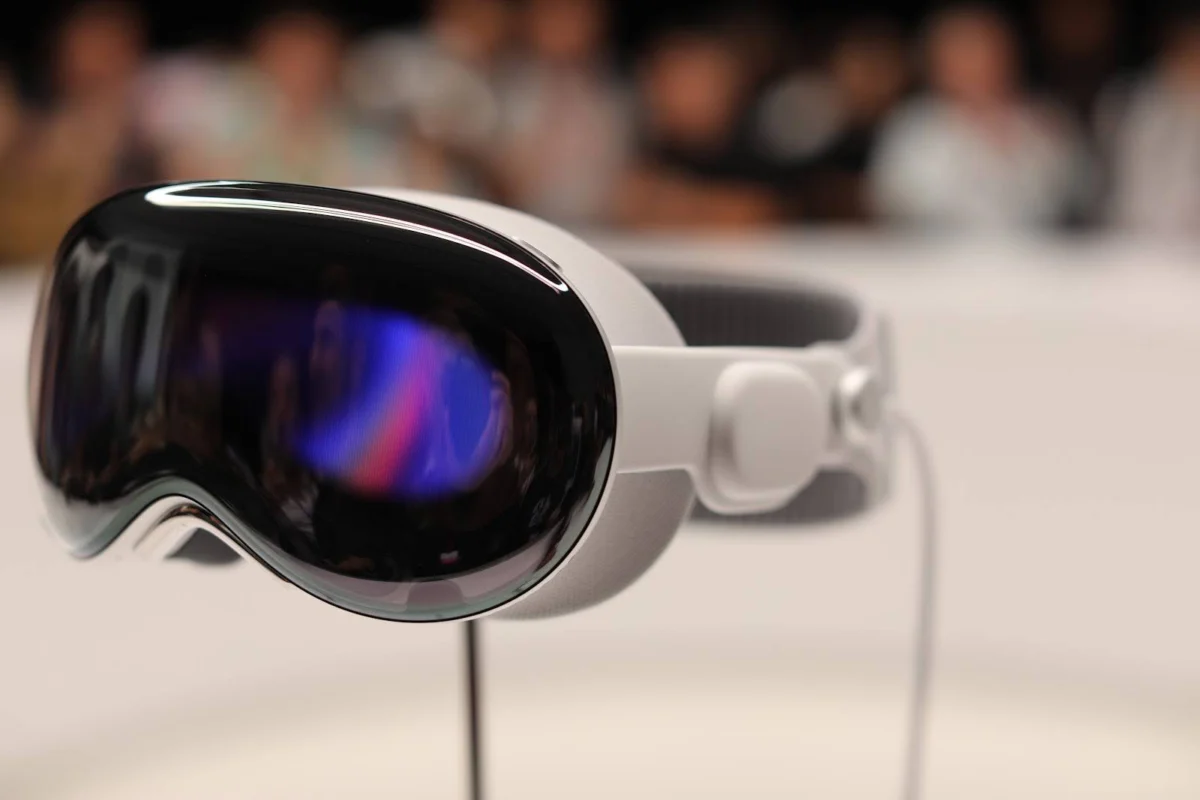
Paul Meade has been a cornerstone of Apple’s hardware engineering division for years, specifically serving as a lead figure in the development of the Vision Pro. While the headset was marketed as a revolutionary "spatial computer," it has struggled to gain the mass-market traction Apple hoped for, largely due to its prohibitive price point and the complex user experience inherent in VR/AR hybrid hardware.
His departure arrives at a sensitive moment for Apple. The company is currently undergoing a massive internal restructuring as John Ternus prepares to take the helm as CEO. Insiders suggest that Ternus’s approach to leadership—which involves a significant reorganization of the hardware engineering hierarchy—has left several veteran vice presidents feeling sidelined. For executives like Meade, who have spent years championing specific product visions, the prospect of navigating a shifting power structure under a new CEO has evidently served as a catalyst for looking toward greener, albeit more experimental, pastures.
Chronology: From Vision Pro to the Future of AI Wearables
To understand the significance of this move, one must examine the timeline of Apple’s hardware trajectory over the past three years:
- Early 2023: Apple officially unveils the Vision Pro, positioning it as the successor to the Mac and iPad. Expectations are sky-high, and Paul Meade is instrumental in navigating the complex engineering challenges of the headset’s optics and sensors.
- Late 2025: Facing lukewarm sales and criticism regarding the "clunkiness" of the Vision Pro, Apple internally shelves plans for a major hardware overhaul of the headset. The company pivots its focus toward a more consumer-friendly, AI-integrated smart glasses project.
- April 2026: Reports confirm that Apple is aggressively testing four distinct designs for its upcoming AI smart glasses, aiming to challenge the dominance of Meta’s Ray-Ban smart glasses. Paul Meade is identified as a primary architect of this project.
- June 2026: John Ternus’s ascent to the CEO role is finalized, leading to a ripple effect of executive departures within the engineering department. Paul Meade resigns to join OpenAI.
The OpenAI Connection: Bridging Silicon and Intelligence
OpenAI’s decision to poach a veteran hardware leader from Apple confirms what industry observers have suspected for months: Sam Altman is no longer content to leave hardware to Apple and Google.
OpenAI has already been collaborating with legendary designer Jony Ive—the man behind the original iPhone’s aesthetic—to build a dedicated AI device. Altman has described the vision for this product as "more peaceful and calm than the iPhone," implying a focus on ambient computing that minimizes screen time while maximizing the utility of AI agents.
However, the road to a functional AI device has been fraught with difficulty. Reports from late 2025 indicated that the collaboration between Ive and OpenAI was struggling to balance form and function. By hiring Meade, OpenAI is gaining a veteran who understands the rigors of mass-producing sophisticated consumer hardware. Meade brings the "Apple discipline"—a methodology of supply chain management, integration, and user-centric design—that OpenAI desperately needs to transform their software-first culture into a hardware-capable organization.

Implications for Apple’s Hardware Future
The departure of Meade creates an immediate vacuum in Apple’s "Wearables" roadmap. With the Vision Pro struggling to find a sustainable market, Apple has banked its future on the successful launch of its AI-powered smart glasses.
1. The Challenge of Market Competition
Apple’s primary rival in the wearable space is no longer just other tech giants, but the concept of the smartphone itself. Meta has successfully cornered the mid-tier smart glasses market by partnering with Luxottica, keeping their devices affordable and fashionable. Apple, by contrast, has historically preferred a "premium-first" strategy. Losing the executive who was steering the smart glasses project suggests that Apple may face delays or a shift in philosophy as the new management team takes control.
2. Internal Stability Under John Ternus
The "Ternus Effect" is real. As the new CEO looks to streamline operations and emphasize AI integration across all devices, the traditional silos of hardware engineering are being broken down. While this may increase efficiency in the long run, the short-term cost is the loss of institutional knowledge. The departure of key leaders like Meade could signal a deeper culture clash between the "old guard" of hardware engineers and the new focus on AI-driven software experiences.
Supporting Data: The Wearable Market Landscape
The wearable technology market is currently experiencing a bifurcation:
- High-End Spatial Computing: The Vision Pro occupies a niche, high-cost category that has failed to scale beyond professional and enthusiast circles.
- Ambient AI Glasses: Meta’s smart glasses have seen a 40% year-over-year increase in user adoption, proving that consumers prefer lightweight, unobtrusive wearables over heavy headsets.
- OpenAI’s Hardware Ambition: With the addition of Meade, OpenAI is signaling an intent to own the "Intelligence Layer" of hardware, potentially moving toward a device that acts as a proactive AI assistant rather than a reactive portal to apps.
Official Responses and Industry Reaction
As of the time of writing, both Apple and OpenAI have maintained a guarded silence. When contacted by TechCrunch for comment, representatives for both companies declined to provide details on the transition, citing company policy on personnel matters.
Industry analysts, however, are vocal. "Meade is a ‘systems-level’ thinker," says one analyst at a top-tier investment firm. "He isn’t just about building a product; he’s about building the ecosystem that supports the product. If OpenAI is hiring him, it’s not to build a toy. It’s to build the next computing platform."
Conclusion: A New Era of Competition
The move of Paul Meade from Apple to OpenAI is the latest chapter in the "AI-Hardware Convergence." We are entering an era where the hardware—the physical shell of the device—matters less than the intelligence contained within it.
Apple’s struggle to make the Vision Pro a household name, contrasted with OpenAI’s ambition to create a "calm" AI device, highlights a fundamental disagreement on the future of personal computing. Will we carry a powerful, screen-heavy device that requires our constant attention, or will we wear an ambient, AI-driven assistant that fades into the background?
As Apple navigates its leadership transition under John Ternus and OpenAI attempts to translate its massive software success into a physical product, the industry watches closely. One thing is certain: the battle for the next device—and the people who build them—has only just begun.