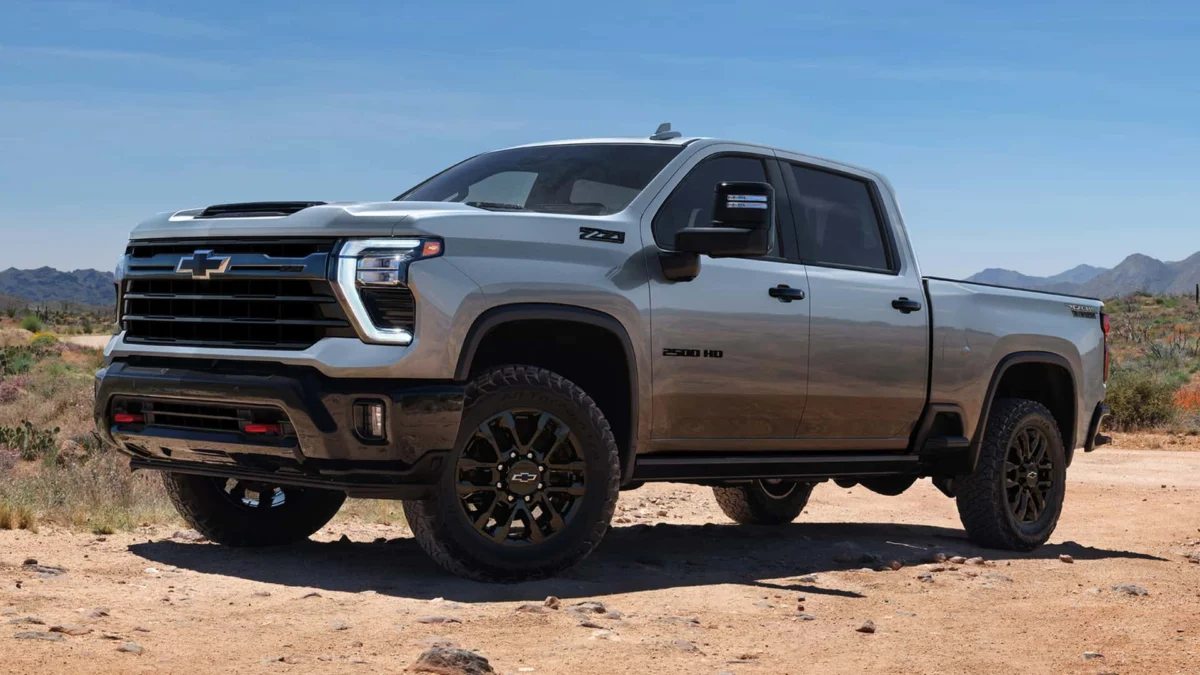
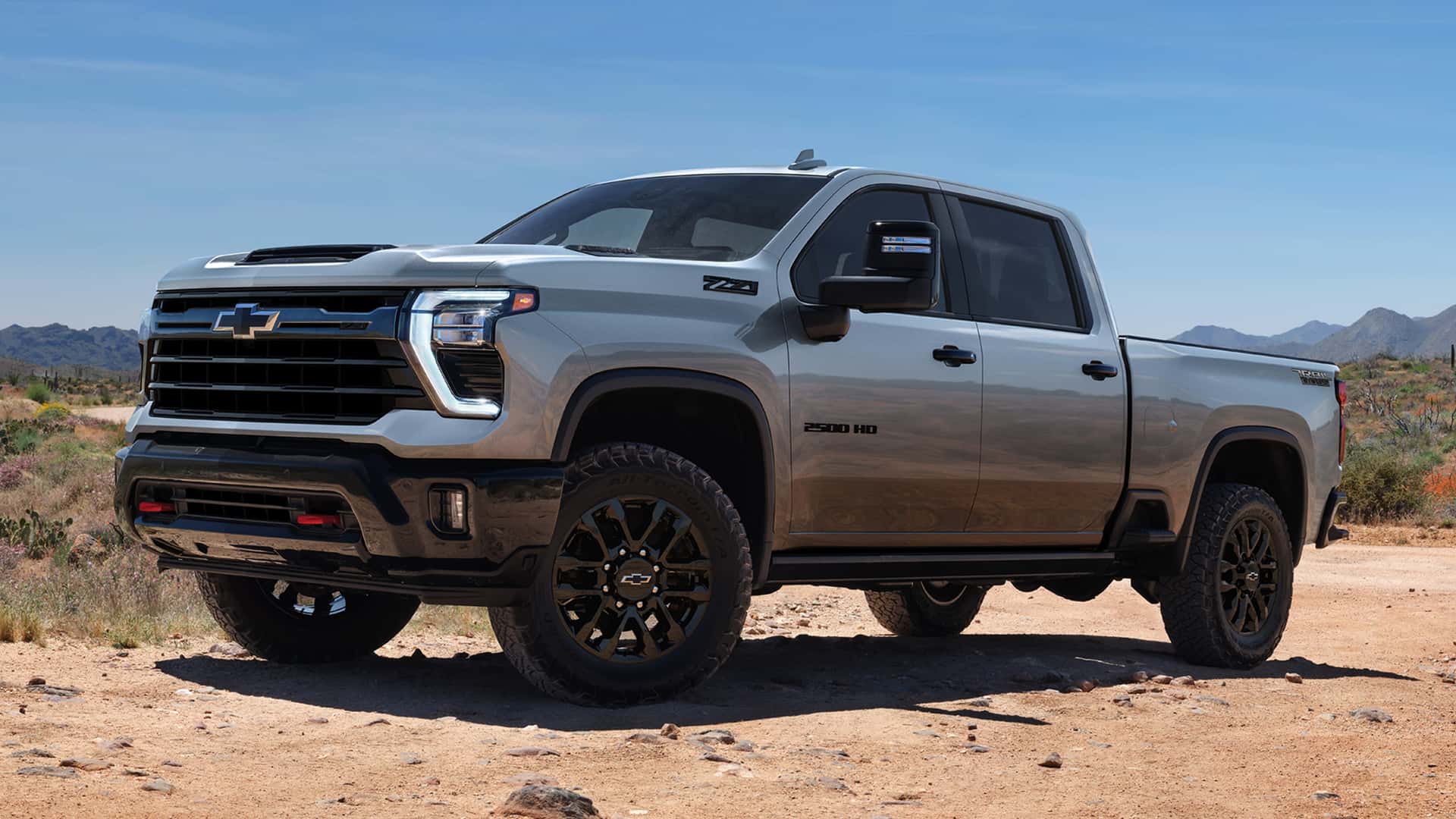
In a strategic maneuver that underscores its continued commitment to internal combustion engine (ICE) technology, General Motors is reportedly preparing a significant mid-cycle refresh for its heavy-duty pickup truck lineup. According to recent reports from GM Authority, the automotive giant is planning to introduce a pair of advanced, high-performance powertrains for the Chevrolet Silverado HD and GMC Sierra HD for the 2027 model year.
This move comes as a surprise to many industry analysts, who expected GM to reserve such substantial mechanical updates for the launch of the next-generation platform. However, by integrating these new engines into the current body style, GM is effectively extending the lifecycle and competitiveness of its flagship workhorses before the anticipated transition to a completely redesigned model in 2029.
The Strategy Behind the Mid-Cycle Powertrain Swap
General Motors has already successfully navigated a comprehensive refresh of its light-duty lineup, specifically the Chevrolet Silverado 1500 and GMC Sierra 1500. These updates included modernized cabins, exterior styling tweaks, and refined powertrain options. While it was widely assumed that the heavy-duty variants would eventually follow suit, the decision to launch new engines well ahead of the next major architectural overhaul suggests a desire to maintain market dominance in the high-stakes segment of commercial and towing-focused vehicles.
Industry experts note that the heavy-duty truck segment is driven by performance metrics—specifically towing capacity, torque, and engine reliability. By updating the engine options for 2027, GM is likely aiming to counteract competition from Ford’s Super Duty and Ram’s Heavy Duty lineups, ensuring that their current offerings remain the "benchmark" for performance without waiting for a total platform redesign.
Detailed Look at the Incoming Powertrains
The reported changes center on the two primary pillars of the heavy-duty engine lineup: the gasoline-powered V8 and the high-output Duramax diesel.
The L8S: Evolution of the 6.6-Liter Gasoline V8
The current workhorse of the Silverado and Sierra HD lines is the naturally aspirated 6.6-liter V8, internally coded as the L8T. While it has proven to be a reliable and capable engine, producing 401 horsepower and 464 pound-feet of torque, it is nearing the end of its optimization cycle.
The proposed successor, the L8S, is expected to retain the same 6.6-liter displacement. While specific output figures remain under wraps, internal testing and industry projections suggest that the L8S will offer improved efficiency and increased power density. By refining the engine architecture rather than changing the displacement, GM can likely maintain the current vehicle’s packaging, minimizing the engineering cost while maximizing the benefit to the end user.
The L6P: The Future of the Duramax Diesel
Perhaps more significant is the planned replacement of the L5P Duramax diesel. The current 6.6-liter Duramax engine is a cornerstone of GM’s heavy-duty identity, boasting an impressive 470 horsepower and a massive 975 lb-ft of torque.
The replacement, identified as the L6P, represents the next generation of diesel engineering for the automaker. While it is not yet clear if the displacement will remain at 6.6 liters, the transition from the L5P to the L6P suggests a focus on tightening emissions compliance and potentially unlocking even higher torque figures to stay competitive in a "torque war" that has become a defining feature of the HD truck market.
Chronology of GM’s Heavy-Duty Evolution
To understand the gravity of these upcoming changes, one must look at the recent timeline of the Silverado and Sierra HD development:
- 2020–2023: GM introduces and refines the current generation of HD trucks, focusing on massive aesthetic updates and interior overhauls.
- Early 2024: GM completes a comprehensive makeover for the 1500-series light-duty trucks, setting the design language for the future of the brand.
- March 2024: GM announces a massive $920 million investment in its Ohio engine manufacturing facilities, specifically targeting the production of the next-generation Duramax diesel engine family.
- 2027 Model Year (Anticipated): Implementation of the L8S gasoline V8 and L6P Duramax diesel into the current Silverado/Sierra HD body styles.
- Late 2028/2029 Model Year (Anticipated): Full-scale production launch of the next-generation Silverado HD and Sierra HD, featuring a brand-new platform and design.
Supporting Data: Why ICE Still Rules the Road
The decision to invest nearly a billion dollars in diesel production—at a time when many competitors are aggressively pivoting toward electrification—is a calculated risk. However, data suggests it is a sound one.
While demand for light-duty electric vehicles has experienced fluctuations in the U.S. market, the heavy-duty truck segment remains almost exclusively reliant on internal combustion. For commercial operators, construction firms, and those towing heavy trailers across long distances, the energy density and refueling speed of diesel and gasoline remain superior to current battery-electric technology.
GM’s continued investment reflects a "pragmatic transition" philosophy. By updating its core engine technology, the company is ensuring it has the most efficient, powerful, and compliant combustion engines available, allowing the firm to generate the necessary capital to fund its future electric initiatives while keeping its loyal customer base satisfied.
Official Stance and Market Implications
General Motors has been remarkably transparent regarding its commitment to both its "Ultium" EV platform and its legendary engine programs. During recent earnings calls and investor presentations, leadership has emphasized that they intend to meet the market where it currently stands.
"We have not canceled any electric trucks," a GM spokesperson noted in recent briefings, effectively distancing the company from the rumors that its pivot back to ICE indicates a retreat from electrification. Instead, the narrative is one of diversification. By squeezing more efficiency out of the L8S and L6P engines, GM is not only keeping its trucks relevant but is also likely preparing those engines to meet stricter EPA emissions standards that are expected to take effect later this decade.
Implications for Consumers and the Market
For the consumer, this mid-cycle update is an excellent development. Typically, buying a truck in its "out-going" years means sacrificing the latest engine technology for the sake of a lower price. However, with the 2027 update, customers who purchase a Silverado or Sierra HD will be getting a mature, reliable body style equipped with the absolute latest in powertrain engineering.
What to Expect:
- Increased Towing Capacity: With higher torque figures expected from the L6P, towing capacities may see a marginal increase, or at the very least, improved low-end responsiveness.
- Fuel Economy Gains: Even in the heavy-duty segment, fuel economy is a major factor for fleet buyers. The new engines are expected to be lighter and more aerodynamically efficient internally.
- Resale Value: A "final run" model with a superior engine often holds its value remarkably well, as it represents the "best of the breed" for that generation.
The Verdict: A Tactical Masterclass
Motor1’s perspective on this development is clear: General Motors is playing a smart game. There is a prevailing fear in the automotive industry that manufacturers are rushing to move away from combustion engines too quickly, often ignoring the real-world needs of the people who actually buy heavy-duty trucks.
By choosing to update the engines now, GM is avoiding the "cart before the horse" scenario. It makes little sense to hold back engineering advancements for a body-style launch that is still years away. By integrating these engines into the current platform, GM is giving itself a two-year window to refine the engines in real-world conditions, gather data, and ensure that when the next-generation truck finally arrives in 2029, the powertrain is already proven and bulletproof.
As the industry continues its complex dance between the legacy of combustion and the future of electricity, GM is demonstrating that it has the resources and the foresight to cater to both. Whether you are a loyal Chevrolet bowtie fan or a devotee of the GMC professional-grade mantra, the 2027 model year is shaping up to be a significant turning point in the history of the modern American truck. For now, the "engine push" continues, and the heavy-duty segment remains the ultimate proving ground for the grit and engineering prowess of the Detroit automaker.