In the hallowed halls of Maranello, where the pursuit of aerodynamic efficiency and computational speed usually dictates the future of the automobile, Ferrari has done something startlingly regressive—or perhaps, profoundly progressive. The introduction of the "Manuale By-Wire" system for the 12Cilindri represents a daring attempt to reconcile the raw, tactile engagement of a bygone era with the relentless performance metrics of the modern age.
Let us be clear from the start: the Ferrari 12Cilindri Manuale does not possess a traditional mechanical manual transmission. There are no direct physical linkages between the gear lever and the gearbox, nor is there a mechanical cable connecting the clutch pedal to the clutch packs. Instead, the Prancing Horse has engineered a sophisticated, high-fidelity digital interface designed to simulate the "soul" of a manual gearbox while retaining the blistering performance of a modern eight-speed dual-clutch transmission (DCT).
The Engineering Philosophy: Bridging Two Eras
The automotive industry has spent the last two decades systematically eliminating the manual transmission. As horsepower figures climbed and emission regulations tightened, the sheer speed and precision of dual-clutch gearboxes rendered the human-operated stick shift a relic of the past. Ferrari, a brand synonymous with the evolution of the racing gearbox, was among the first to move toward paddle-shift technology with its F1-style systems.
The 12Cilindri Manuale is an attempt to address a growing demand from purists: the desire for the experience of driving a manual without sacrificing the structural and performance integrity of a modern supercar. By developing "Manuale By-Wire," Ferrari has effectively decoupled the physical inputs from the mechanical output. The result is a car that demands the same rhythmic footwork and hand-eye coordination as a 1990s Testarossa, yet it remains capable of the ferocious acceleration expected of a 21st-century V12 masterpiece.
Chronology of the Shift: From Metal to Magnetism
The development of this system was not merely a stylistic choice; it was a deep-dive engineering project. Maranello’s engineers realized early on that to satisfy the discerning Ferrari client, they could not simply bolt on a dummy shifter. The sensory experience had to be absolute.
Phase 1: The Tactile Illusion
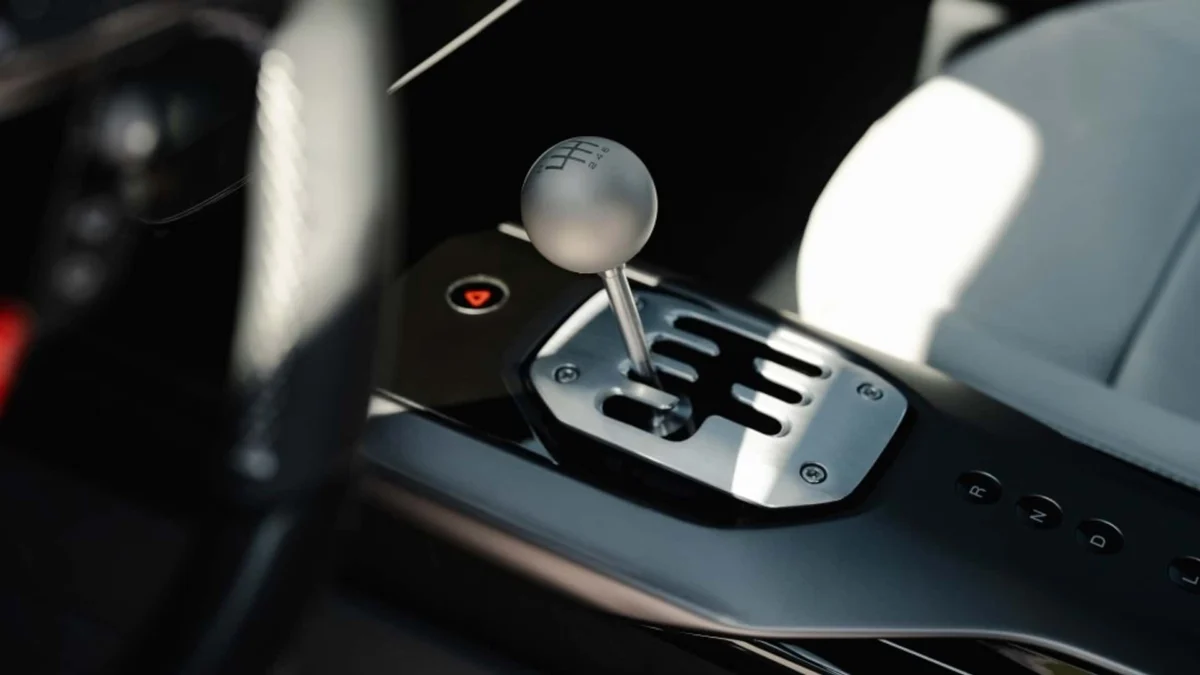
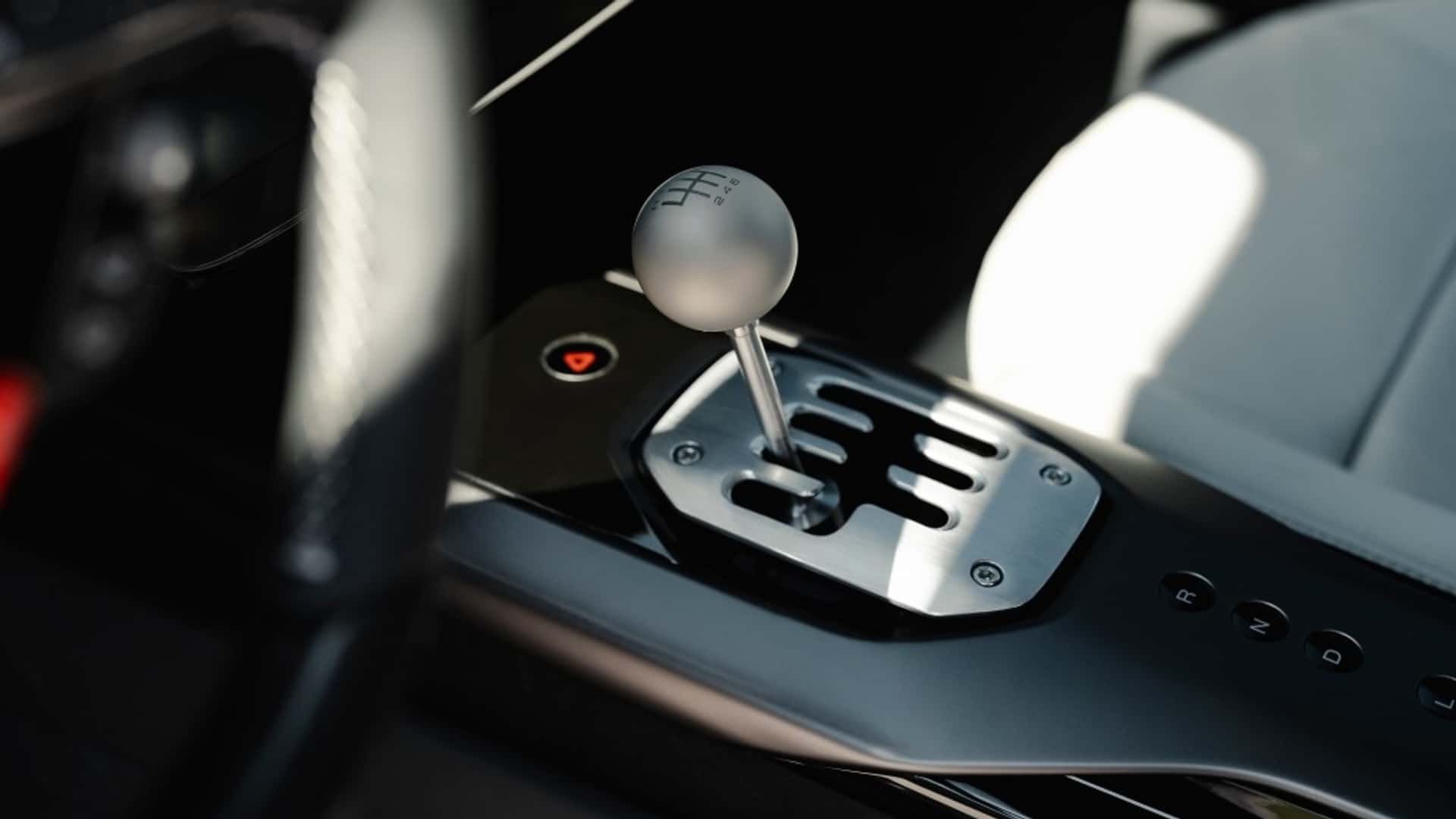
The shifter assembly, which weighs less than 7.7 pounds, is a masterclass in industrial design. To create the feeling of a physical gearbox, Ferrari moved away from simple springs and toward a complex, machined-from-billet steel block. This structure was designed to hold tolerances so tight that play in the gear lever is virtually non-existent, even after years of aggressive use.
Phase 2: The Hall-Effect Integration
The "brain" of the shifter utilizes dual Hall-effect sensors. These sensors monitor the lever’s movement along two axes using magnetic fields rather than physical contact. By monitoring these fields, the car understands exactly where the lever is in the gate. To ensure the driver feels the "notch" of a gear change, a rotating drum—specially profiled and surface-treated—works in tandem with a preloaded mechanism to build resistance. Just as the gear engages, this resistance is released, creating a distinct, satisfying "click" that vibrates through the palm of the driver.
Phase 3: The Clutch Calibration
The most difficult hurdle was the clutch. Without a physical connection, how does one recreate the "bite point" of a high-performance clutch? Ferrari’s solution was to use a passive mechanical system—a combination of a cam, a roller, and a preloaded spring—hidden within the pedal box. This allows for a variable resistance curve that mimics the physical weight and release tension of a mechanical clutch. When the driver pushes down, the resistance builds; when they reach the engagement point, the pedal weight drops, providing the necessary tactile feedback to prevent stalling or jerky launches.
Supporting Data: The 12Cilindri Architecture
Underneath the digital interface, the 12Cilindri remains a mechanical titan. The powertrain is entirely unchanged from the standard model:
- Engine: 6.5-liter naturally aspirated V12.
- Power Output: 819 horsepower.
- Redline: A spine-tingling 9,500 rpm.
- Transmission Base: The same eight-speed dual-clutch gearbox (DCT) used in the standard 12Cilindri.
The implications of this are significant. Because the base transmission is a high-speed DCT, the "Manuale" version can shift faster than any human, provided the driver is in automatic mode. However, when the driver selects manual mode, the car enforces a strict set of rules. The clutch pedal becomes mandatory for starting and gear selection for the first six gears, and for the first time in many years, the steering-wheel-mounted paddle shifters are entirely absent.
Official Stance and Driver Feedback
Ferrari’s official position is that the 12Cilindri Manuale is not a replacement for the standard car, but an extension of the brand’s commitment to driver involvement. In a world where autonomous features and driver-assistance systems are becoming mandatory, Ferrari is doubling down on the "driver-centric" philosophy.
"We want people to have fun, not the computer chips," a sentiment recently echoed by Ferrari leadership, is the driving force behind this project. The company acknowledges that the system can "punish" the driver. If you fail to time your clutch release with the throttle, the engine will stall. If you rush a gear, the electromagnetic solenoid lockout will physically prevent the lever from entering the gate, protecting the gearbox from damage. It is a system that demands mastery, rewarding the skilled driver and exposing the amateur.
Implications for the Future of Supercars
The introduction of "Manuale By-Wire" raises profound questions about the future of automotive interaction.
The Preservation of Skill
By reintroducing the necessity of heel-and-toe downshifting, Ferrari is actively preserving a set of skills that was on the verge of extinction. For the collector and the driving enthusiast, this is a bridge back to a time when driving was a high-stakes, high-skill endeavor.
The Technological Paradox
There is a distinct irony in using advanced computer-controlled electronics to simulate a mechanical connection. Critics might argue that it is a "fake" experience. However, proponents point out that the result is what matters: the human element is restored to the driver’s seat. The car requires the driver’s focus, physical effort, and timing.
Market Impact
The 12Cilindri Manuale is likely to become an instant collector’s item. By bridging the gap between the reliability of modern dual-clutch systems and the emotional weight of a manual transmission, Ferrari has created a "best of both worlds" scenario. It offers the performance of a modern hypercar with the soul of a classic grand tourer.
Final Reflections
Ferrari has not merely built a gearbox; they have built a digital simulation of a mechanical heart. Whether this "Manuale By-Wire" will resonate with the purists remains to be seen once the cars begin reaching customers. However, the audacity of the engineering is undeniable.
In an era where the industry is moving toward silent, electric, and autonomous transport, Ferrari has chosen to celebrate the internal combustion engine and the art of the gear change. By focusing on the acoustic feedback of the shifter, the tactile resistance of the clutch, and the requirement of human input, the 12Cilindri Manuale stands as a defiant statement. It is a reminder that in Maranello, the most important component of the car remains the person behind the wheel.
The ghost of the manual gate has not been exorcised; it has been resurrected, refined, and given a digital nervous system. It is, by all accounts, a fascinating piece of engineering that proves that even in the age of algorithms, there is still room for the visceral, imperfect, and deeply rewarding experience of changing gears by hand.