In the fast-paced landscape of 2026 gaming, where "day-one patches" and "instant-action" titles often dominate the conversation, there remains a dedicated cohort of players who crave a different kind of experience. While the industry is rife with high-octane shooters and rapid-fire battle royales, there is an enduring, quiet brilliance in games that refuse to hold your hand. These are the "slow-burn" titles—games that demand not just hours of your time, but a genuine investment of intellect, patience, and precision.
For the player willing to move past the need for immediate gratification, these games offer a profound sense of reward. They are the digital equivalent of a master artisan’s workshop: challenging, occasionally frustrating, but ultimately transformative.
The Philosophy of "The Grind"
The modern gamer is often conditioned to expect a "drip-feed" of dopamine—a killstreak here, a loot drop there. However, true mastery requires the discipline to perform a demanding routine until it becomes muscle memory. Whether it is navigating the brutal platforming of a precision jumper or the deep, geopolitical chess match of a grand strategy simulation, the games listed below prioritize long-term growth over fleeting thrills.

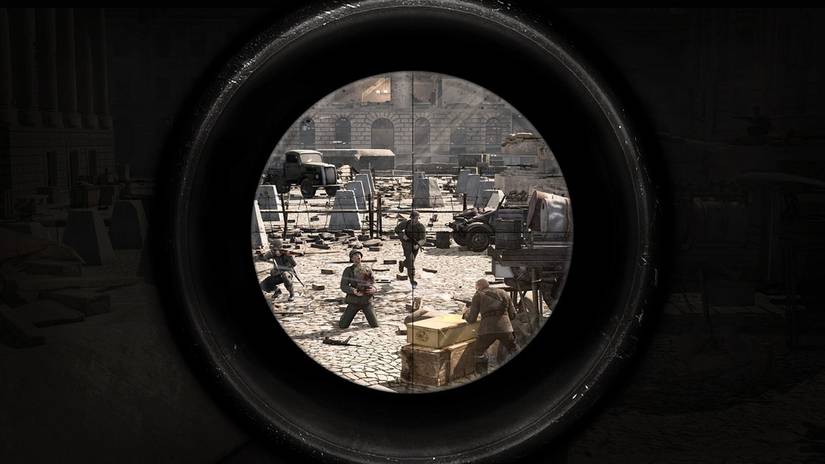
1. Sniper Elite: The Precision of Physics
Often mistaken for a run-and-gun shooter, the Sniper Elite series—a stalwart since its PlayStation 2 origins—is closer to a ballistic simulation than an action game.
Core Mechanics: Players must factor in wind velocity, bullet drop, and distance estimation. The game forces a tactical approach, rewarding patience over aggression.
The Payoff: There is no feeling quite like successfully pulling off a long-range shot that has been calculated across multiple environmental variables. By eschewing the arcade-like "point and click" mechanics of its contemporaries, Sniper Elite turns every engagement into a high-stakes puzzle.
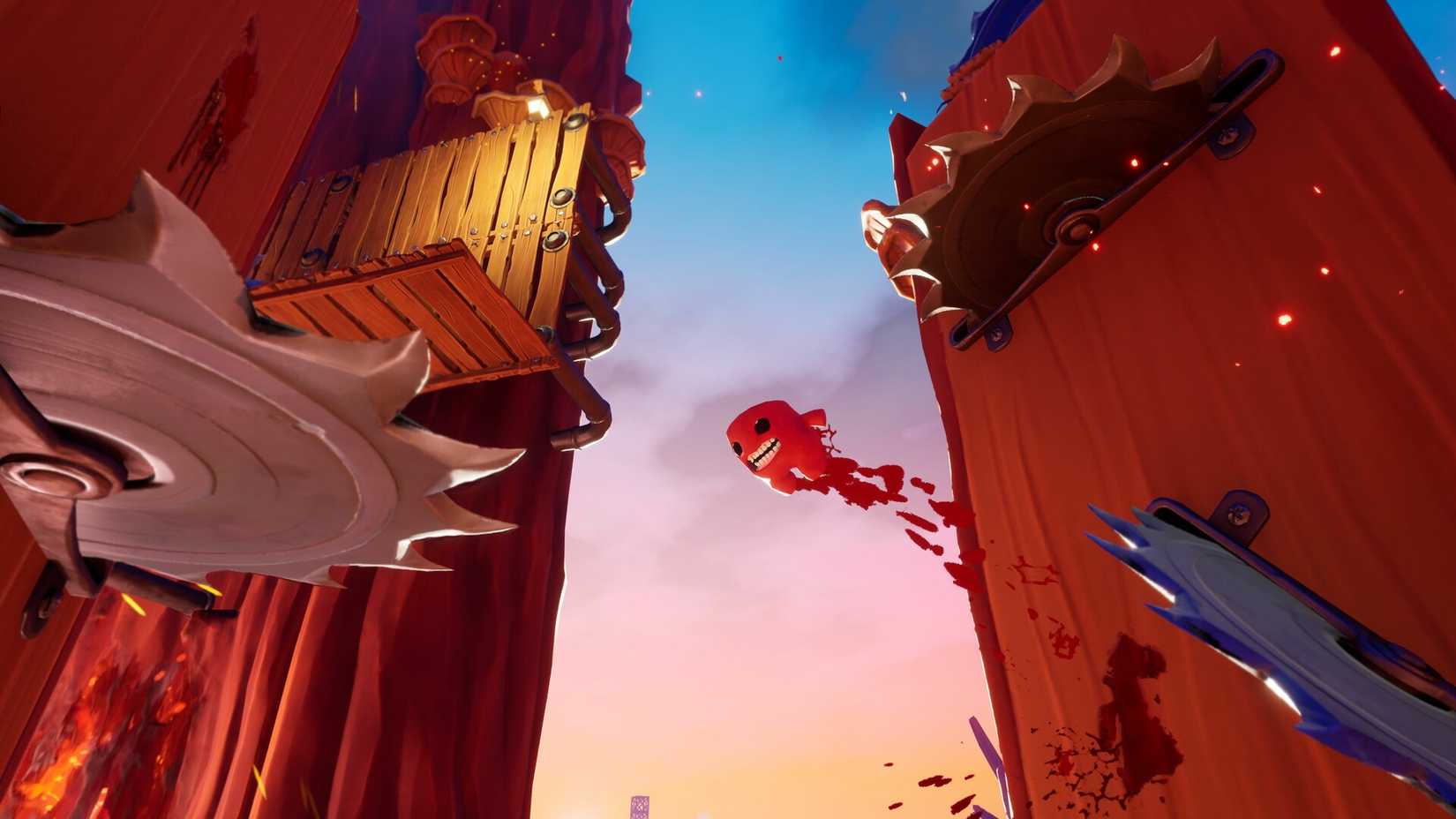
2. Super Meat Boy: The Beauty of Failure
In many platformers, a jump is a suggestion. In Super Meat Boy, it is a binary choice between perfection and death.

The Challenge: The game demands frame-perfect execution. With every failure, the player is instantly respawned, removing the frustration of loading screens and forcing a state of "flow" where the player must learn from each mistake.
Implications: The game functions as a meditative gauntlet. By stripping away the "forgiving" nature of traditional platforming, the developers created a loop that encourages players to iterate on their own performance until they achieve mastery.
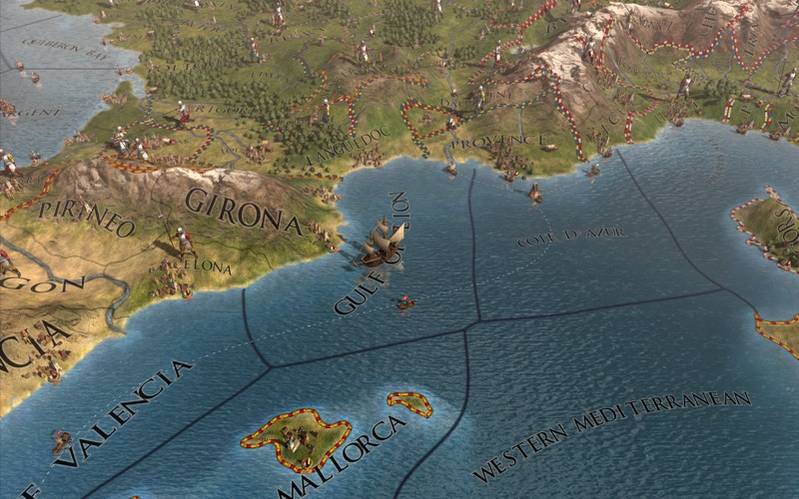
3. Europa Universalis 4: Mastery of History
Strategy games rarely come as deep as Europa Universalis 4. This is not a game you play for an hour; it is a game you inhabit for a lifetime.
Chronology of Play: Unlike real-time strategy games that end in thirty minutes, EU4 spans centuries. Players must balance trade, diplomacy, and internal stability.
Supporting Data: The complexity of the interface acts as a barrier to entry, but for those who break through, it offers an unparalleled sandbox for historical revisionism. You aren’t just playing a game; you are managing the destiny of empires through the sheer weight of administrative and political foresight.
4. Trials Rising: The Physics of Persistence
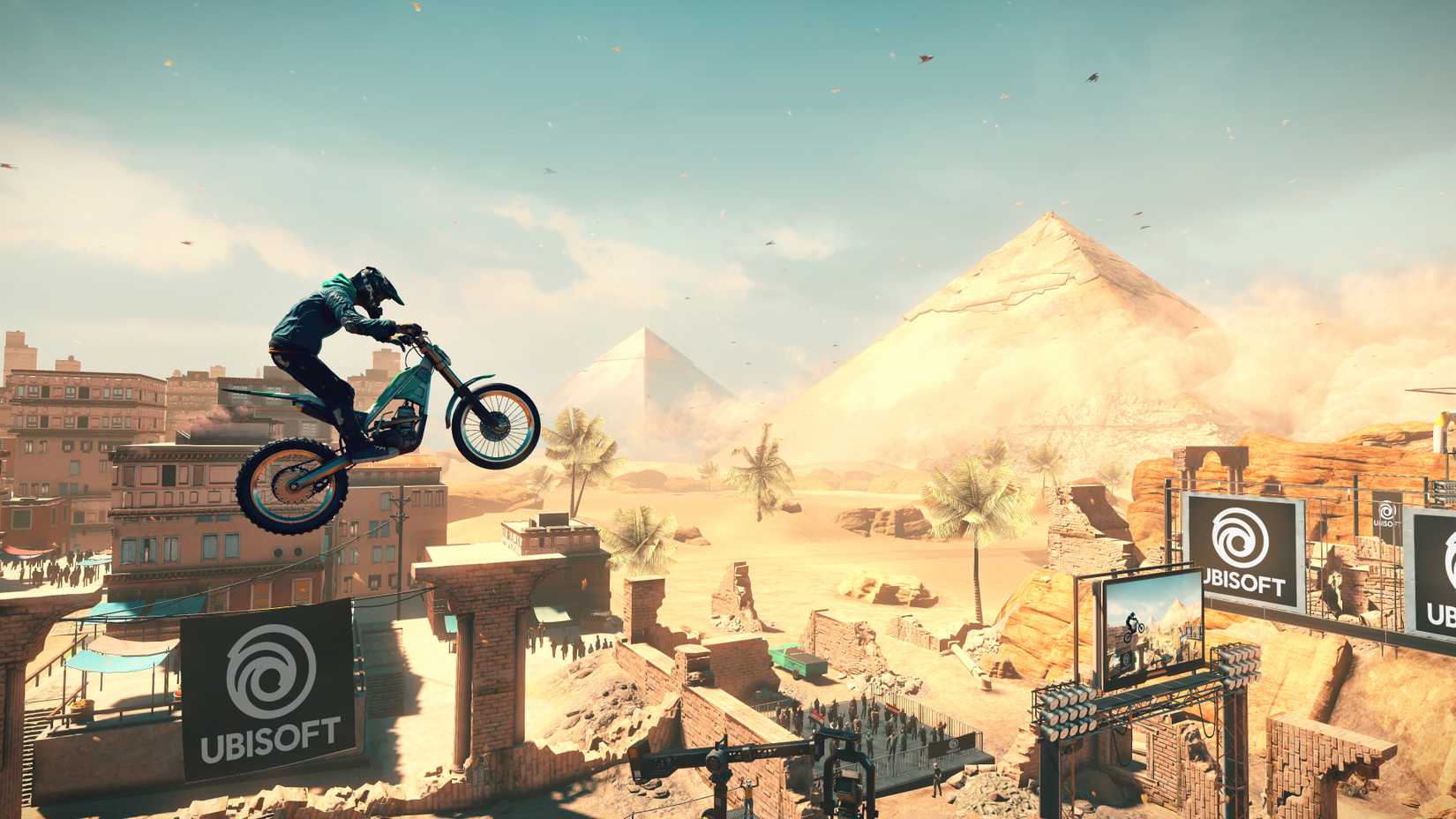
On the surface, Trials Rising is a motorcycle game. In reality, it is a physics-based puzzle experience that tests the limits of fine motor control.
The Mechanics: Mastering the throttle and leaning mechanics requires hundreds of failed runs. The game’s track creator further extends its longevity, allowing the community to build "ninja" tracks that push human reaction times to the breaking point. It is a testament to the fact that simple mechanics, when refined to perfection, can provide endless depth.
5. Ghostrunner: The Cyberpunk Gauntlet
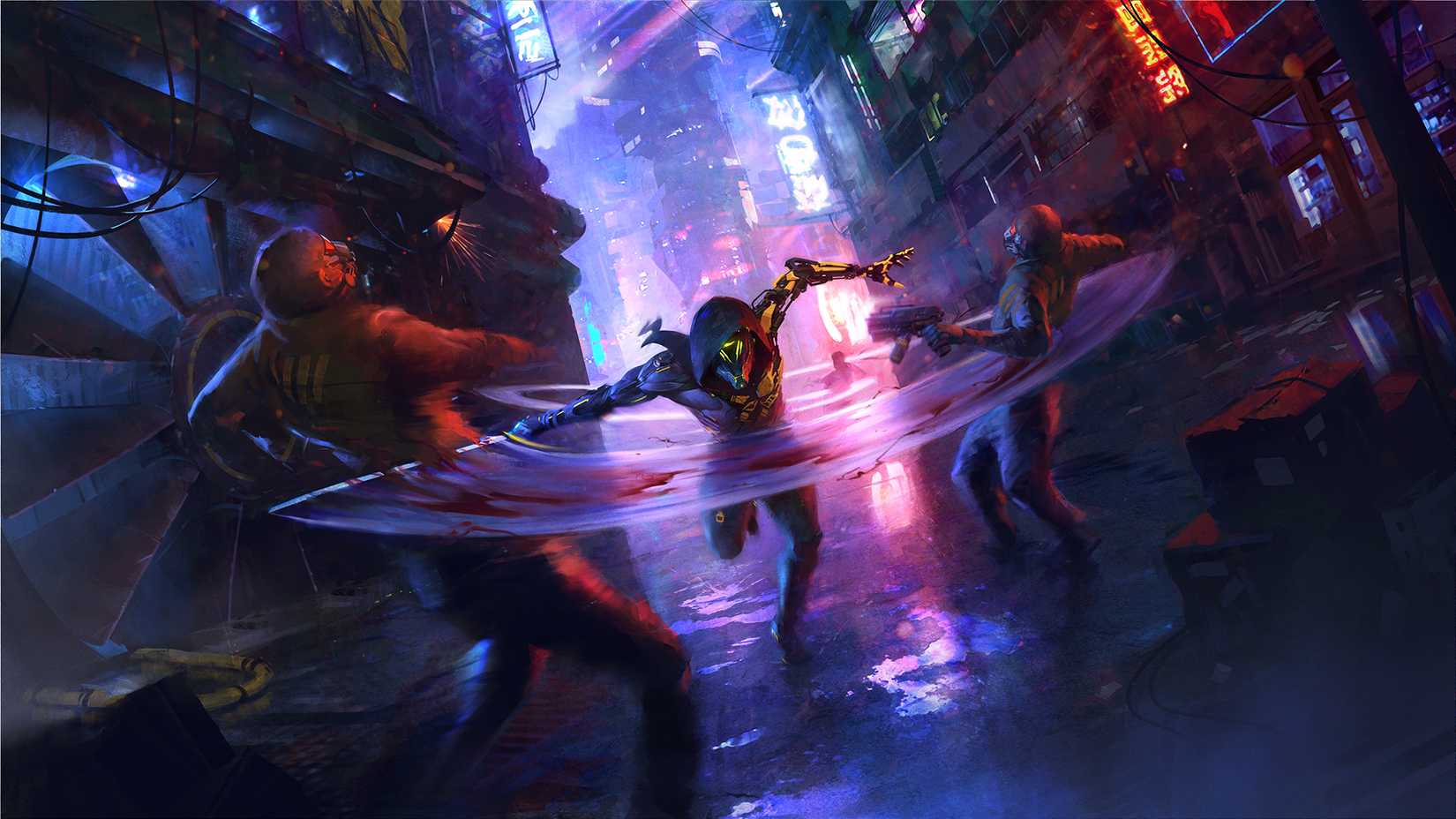
Ghostrunner is a masterclass in rhythm-based action. In the towering, oppressive Dharma Tower, both you and your enemies die in one hit.
The Loop: This is a "die-and-retry" game that demands total memorization of enemy placements and pathing. It feels less like a shooter and more like a high-speed, lethal dance. The gratification here is the transition from panic to precision, where you move through the level as a seamless machine of destruction.
6. Monster Hunter: World: The Hunt as a Ritual
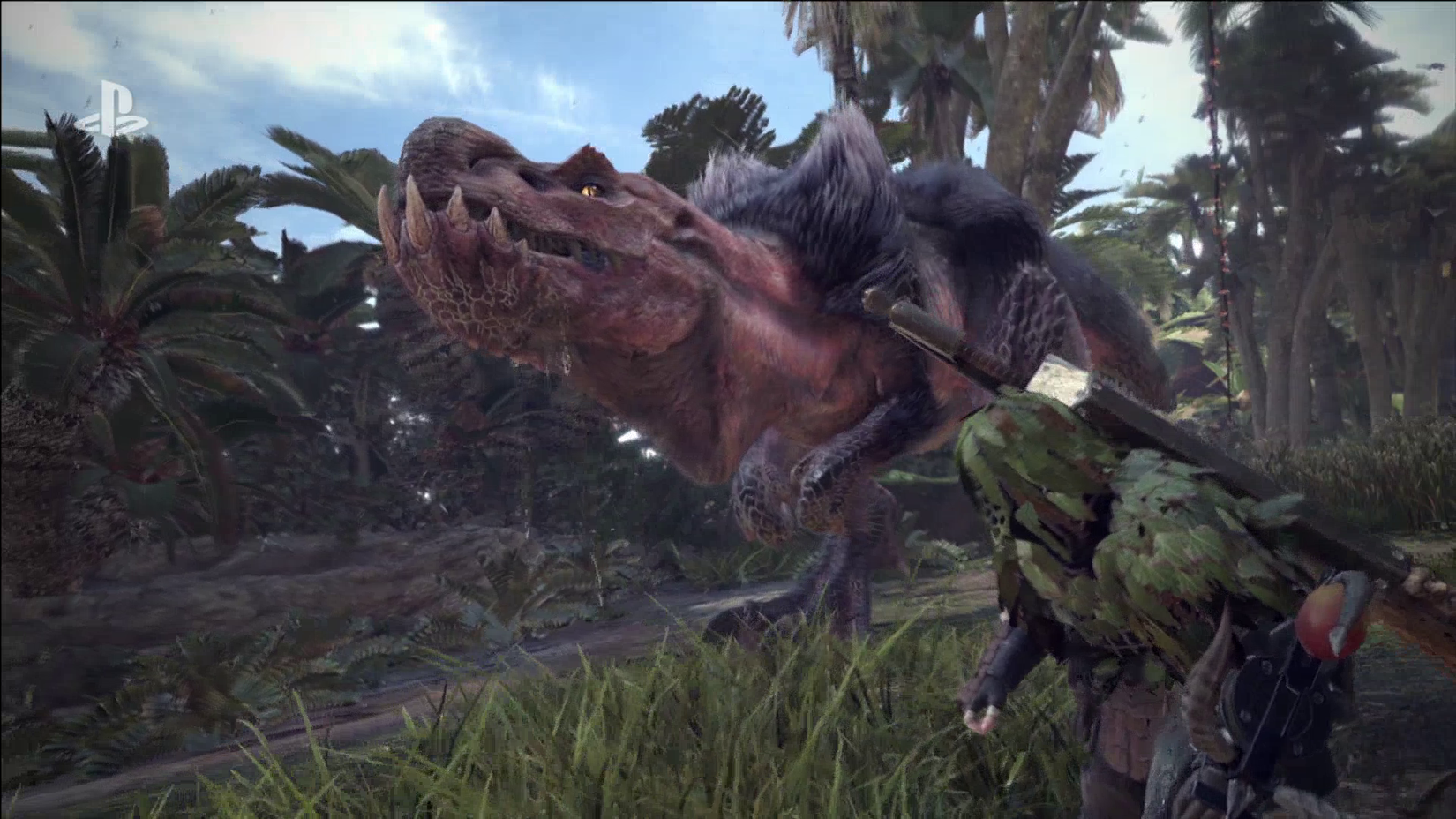
Since the early days of the PlayStation 2, Monster Hunter has been the gold standard for methodical, deliberate gameplay.
Official Perspective: Capcom has consistently maintained that the "hunt" is not just about the kill—it’s about the preparation. The game requires players to track, learn the habits of the beast, and craft gear specifically tailored for the confrontation. The "razor’s edge" combat ensures that one mistake can turn a thirty-minute triumph into a crushing defeat.
7. Minecraft: The Creative Frontier
While many associate Minecraft with survival, its Creative Mode is a testament to the human capacity for long-term patience.
The Vision: Players spend dozens, sometimes hundreds, of hours constructing intricate, block-by-block recreations of world landmarks. There is no external reward system here—no "level up" notification. The reward is entirely intrinsic: the satisfaction of seeing a grand vision manifest through the patient, mundane act of laying one block at a time.
8. Ikaruga: The Symphony of Polarity
Ikaruga remains the definitive vertical shooter. Its core mechanic—switching between black and white polarity—is a simple concept that hides profound depth.
The Skill Ceiling: To achieve a high score, players cannot merely react to bullets; they must conduct a symphony of destruction, absorbing bullets of their own color and releasing energy in specific sequences. It is a game that requires the memorization of a musical score, turning the screen into a chaotic yet perfectly ordered grid.
9. Wo Long: Fallen Dynasty: The Art of the Deflect
Coming from the masters of the "Souls-like" genre, Team Ninja’s Wo Long: Fallen Dynasty brought a new level of intensity to the action-adventure space.
Implications: The focus on the "deflect" mechanic forces players to stand their ground rather than run away. The game is a brutal teacher, punishing those who lack the patience to learn the boss patterns. With a sequel, Wings of Ember, slated for 2027, the series has proven that players are more than willing to meet the developers’ high expectations for skill and persistence.
10. The Witness: The Silent Teacher
The Witness represents the ultimate test of patience. Abandoning the player on a silent island with no instructions, it forces you to learn its language through trial and error.
Supporting Data: There are no tutorials here. Satisfaction is found in the "aha!" moment that occurs after hours of frustration. It is a quiet, contemplative experience that proves that, sometimes, the greatest challenge is not a monster or a clock, but a riddle that refuses to be solved until you are ready.
Implications for the Industry
The success of these titles suggests a shift in the gaming landscape. While blockbuster hits will always capture the headlines, there is a growing market for games that respect the player’s intelligence and patience.
Looking Ahead: As we move toward 2027 and beyond, developers continue to push the boundaries of what a "rewarding" experience looks like. Whether it is through the procedural complexity of Europa Universalis or the refined physics of Trials, these games prove that the "slow burn" is not a dying art form—it is a thriving ecosystem.
In conclusion, for those who feel the current generation of gaming is too fast, too loud, or too easy, the answer is not to stop playing. The answer is to look deeper. There is a whole world of challenge waiting for those who are willing to slow down, practice, and earn their victory. Sometimes, the most rewarding path is the one that requires the most patience.