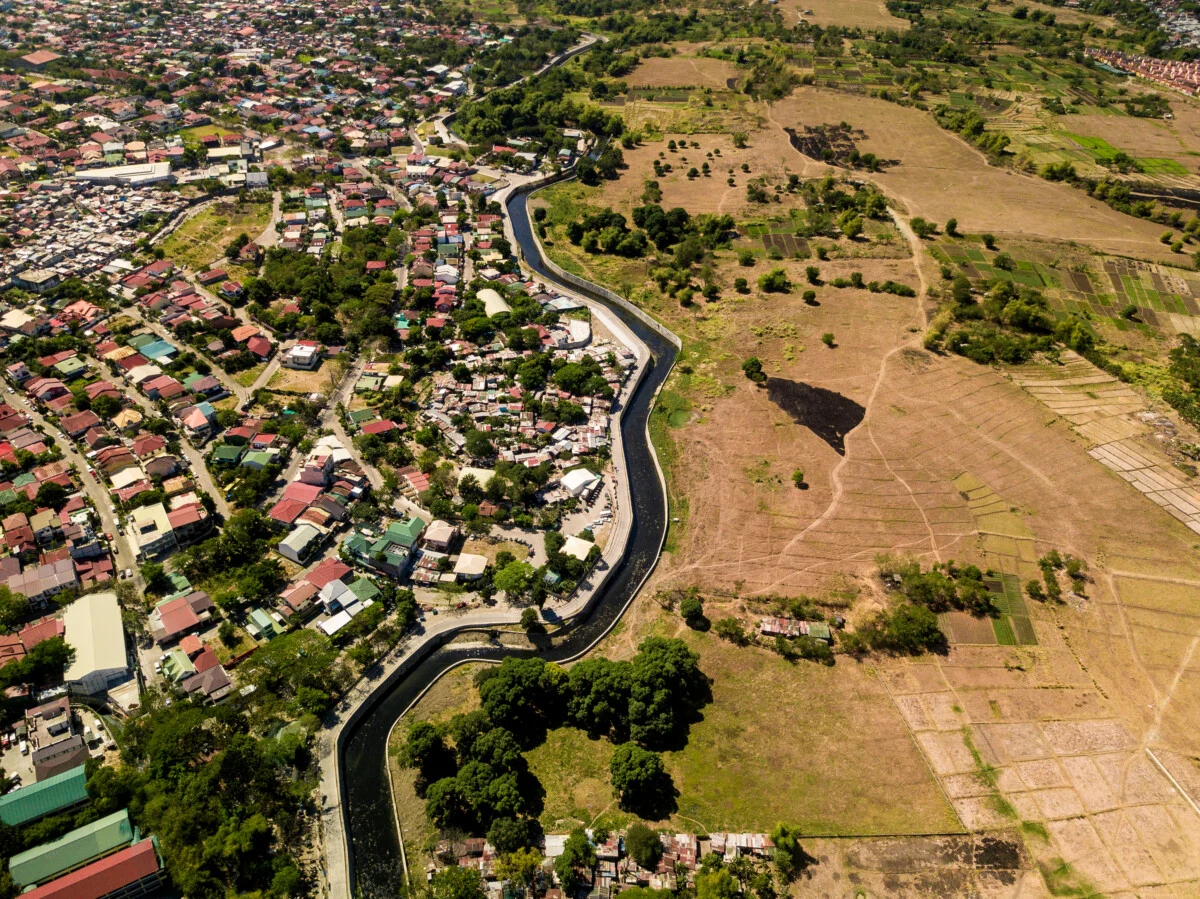
Purchasing land is a transformative milestone, whether you are envisioning a custom-built sanctuary in the rolling hills of Austin, Texas, or securing a strategic investment parcel on the outskirts of Atlanta, Georgia. Unlike the traditional residential market—where homes are move-in ready and financing is standardized—the land market operates on a different set of rules. It is a sector defined by complexity, requiring a deep dive into zoning ordinances, environmental assessments, and utility infrastructure.
For the aspiring landowner, the process is less about touring finished interiors and more about forensic due diligence. This guide serves as a roadmap, distilling the intricacies of land acquisition into nine actionable steps to ensure your investment is built on solid ground.
1. Defining Your Vision: The Foundation of Your Search
Before scanning listings, you must articulate the "why" behind your purchase. The intended use of the land dictates the geography, the zoning requirements, and the financial strategy.
- Residential Development: If the goal is a custom home, you must prioritize proximity to existing utilities, road access, and school districts.
- Agricultural Use: Farming requires an analysis of soil quality, water rights, and irrigation potential.
- Investment/Speculation: If you are buying to hold, your focus should be on regional growth patterns, upcoming infrastructure projects, and tax implications.
Each path carries distinct risks. For instance, buying land for an RV site requires different local permits than building a permanent, code-compliant residence. Defining these parameters early prevents the costly mistake of purchasing a "deal" that cannot support your intended lifestyle.
2. The Financial Landscape: Navigating Land Loans
Financing a land purchase is fundamentally different from securing a standard mortgage. Because lenders view undeveloped property as a non-liquid asset with higher volatility, they apply stricter lending criteria.

The Realities of Financing
Buyers should prepare for down payments that often range from 20% to 50% of the total purchase price. Furthermore, interest rates for land loans are typically higher than traditional home mortgages.
Types of Land Loans:
- Land Purchase Loans: Standard loans for the acquisition of the plot.
- Construction Loans: Often combined with land loans, these are structured to cover both the acquisition and the subsequent build, converting into a mortgage once construction is complete.
- Seller Financing: In some cases, the seller may act as the bank, allowing you to pay in installments. While flexible, this requires a rigorous legal review of the contract.
Key Considerations: Always consult with a lender who specializes in land. They will help you distinguish between "raw land" (no infrastructure), "unimproved land" (some access), and "improved land" (utilities and roads present). Each category drastically changes your lending options and interest rate tiers.
3. The Power of Expertise: Partnering with a Land Agent
General real estate agents are excellent for residential transactions, but land requires a specialist. A land-focused agent understands the nuances of local zoning boards, the difference between various types of land surveys, and how to evaluate "buildability." They act as your filter, saving you from properties that may look pristine but are legally or physically impossible to develop.
4. The Due Diligence Phase: Zoning and Legal Constraints
A property may appear perfect on the surface, but invisible restrictions are where most deals fail. Zoning laws determine what you can—and cannot—do.

The Role of Regulatory Review
"Just because you have zoning doesn’t mean you have an approved project, or a project that can be completed in the near future," says Tyler Davis, an accredited land consultant and president of Saunders Real Estate. "Just because you have utilities at the site doesn’t mean there is utility availability and capacity."
Davis emphasizes the importance of building relationships with local planning staff early. Beyond zoning, you must investigate:
- Easements: Do utility companies or neighbors have the right to cross your land?
- Deed Restrictions: Are there private rules, such as those set by an HOA, that limit your architectural choices?
- Environmental Protections: Does the land contain protected wetlands or endangered habitats that legally prevent development?
5. Site Analysis: Assessing Buildability and Climate Risks
Once the legal hurdles are cleared, the physical site analysis begins. This is where you determine if the land is physically capable of supporting your vision.
Infrastructure and Utilities
Bringing water, electricity, and high-speed internet to a remote site can cost tens of thousands of dollars. Always obtain quotes for utility hookups before finalizing a purchase price. If the property lacks municipal sewer access, a professional percolation (perc) test is mandatory to determine if the soil can support a septic system.
Climate and Topography
Climate change has made location analysis more critical than ever. Research the property’s history regarding:

- Flood Zones: Consult FEMA maps to avoid building in high-risk areas.
- Wildfire Risks: If purchasing in forested or rural areas, understand the local fire mitigation requirements.
- Setbacks: These are the legal boundaries that dictate how far back from the property line your structures must be. A narrow lot might be effectively unbuildable due to restrictive setback ordinances.
6. The Formal Application: Securing Your Loan
With a property identified and preliminary due diligence completed, you proceed to a formal loan application. At this stage, your lender will likely require a professional appraisal. Keep in mind that for raw land, appraisals can be notoriously difficult, as there may be few comparable sales in the immediate area. Be prepared for the lender to require a lower Loan-to-Value (LTV) ratio than you might expect for a standard home.
7. The Art of the Offer: Using Contingencies
In land transactions, the offer letter is your primary shield. You should never make an unconditional offer. Include contingencies such as:
- Zoning Verification: Ensuring the land is zoned for your intended use.
- Environmental Review: A "clean" phase-one assessment.
- Survey Contingency: Ensuring the boundaries match the legal description.
- Financing Contingency: Protecting your earnest money if the loan fails to materialize.
8. Deep-Dive Due Diligence: Surveys and Testing
As Tyler Davis notes, the biggest mistake buyers make is skipping due diligence to save costs. "Sometimes the most costly things on a piece of land are things you can’t see," he says.
For development, an ALTA survey is the gold standard. Unlike a basic boundary survey, an ALTA survey identifies all visible and recorded easements, which can dictate exactly where a house or road can be placed. Additional testing may include:
- Geotechnical/Soil Testing: Essential for determining foundation requirements.
- Timber Cruises: If the land has significant forest, understanding the value and management requirements of the timber.
- Traffic Studies: Required for larger, multi-unit, or commercial projects.
9. Closing the Deal: Finalizing Ownership
Closing on land is similar to closing on a home, but with more emphasis on the title search. A title company must ensure that there are no liens or historical legal claims against the property. Once the title is cleared, the deed is recorded, and you officially transition from a prospector to a landowner.

Supporting Data: Understanding the Hidden Costs
When budgeting for land, the purchase price is often only 60–70% of the initial capital outlay. Prospective buyers must set aside reserves for:
- Site Clearing and Grading: Removing trees and leveling the ground.
- Utility Extension: Tapping into public lines or installing private wells and septic.
- Survey and Legal Fees: These can range from $2,000 to $10,000+ depending on the complexity.
- Permitting: Building permits, impact fees, and environmental mitigation costs.
- Access Roads: Creating a driveway that meets local fire code accessibility standards.
Implications for the Modern Investor
Is land a good investment? The answer is nuanced. Buying land to build a primary residence often results in a custom asset tailored to your specific needs, which can provide immense personal value. However, viewing land strictly as a speculative investment requires a high risk tolerance. Unlike stocks or residential homes, land is an "illiquid" asset. It can take months or years to sell, and its value is inextricably tied to local development cycles and regulatory shifts.
For those willing to perform the necessary due diligence, land remains one of the few ways to truly "create" wealth through development. By approaching the purchase with a professional mindset—leveraging expert advisors, respecting the local environment, and accounting for every potential cost—you can successfully turn a raw piece of earth into a legacy asset.