In a significant move to bolster the nation’s creative industries, Screen Australia has announced a massive funding injection of over AUD 16.9 million ($11.7 million) to support 75 distinct film and television projects. The funding, which spans feature films, episodic series, and short-form content, underscores a strategic commitment to both established industry icons and emerging voices. Among the most notable headlines to emerge from this round is the feature directorial debut of Emmy and Golden Globe winner Toni Collette, signaling a new era of artistic cross-pollination in the Australian production landscape.
A Spotlight on Directorial Debuts and Star Power
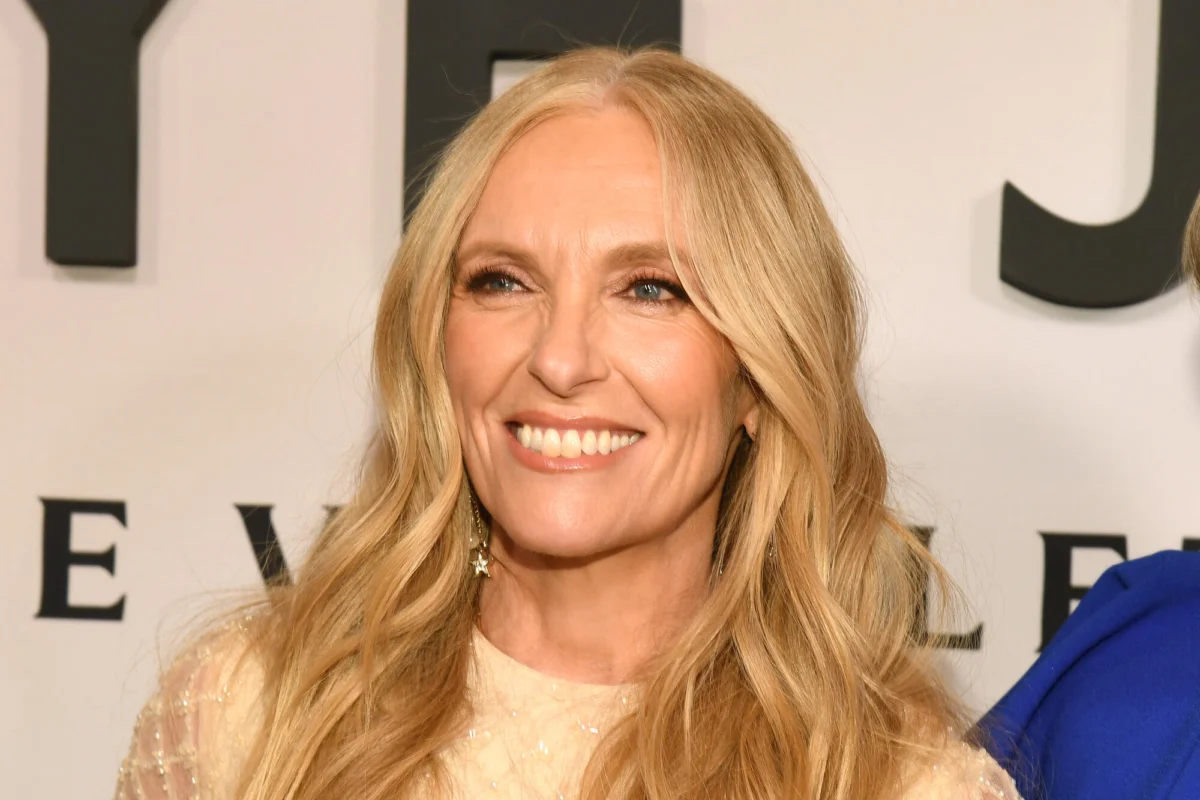
The centerpiece of the announcement is The Best Of, the highly anticipated feature film adaptation of Graeme Simsion’s bestselling novel. Toni Collette, a titan of international cinema, will make her debut behind the camera, marking a transition from her storied career in front of the lens. Produced alongside Christopher Simon, the film delves into the complexities of human connection, following two former lovers whose lives collide decades after their separation, forcing a confrontation with lingering, complicated emotions.
The project is already generating industry buzz, with Kismet securing local distribution rights and Cornerstone handling international sales. The film’s development is bolstered by major production investment from Screen Australia in association with Screen NSW, highlighting the state-level collaboration essential to modern Australian film finance.
Chronology of Creative Development: From Page to Screen
The recent funding round represents the culmination of a rigorous selection process, emphasizing projects that blend literary adaptation with original storytelling. The slate reflects a deliberate mix of high-concept drama, gritty crime thrillers, and culturally nuanced comedy.
The Rise of the Adaptation
A recurring theme in this cycle is the translation of Australian literature into visual media. Beyond Collette’s project, Brouhaha Entertainment—the powerhouse behind the acclaimed Boy Swallows Universe—is spearheading the production of The Dark Lake. Based on the award-winning novel by Sarah Bailey, the series features Phoebe Tonkin as a detective in a rural town. Her investigation into the death of a former high school classmate serves as a catalyst for a narrative that peels back layers of buried secrets, both within the community and the protagonist herself.
Similarly, the feature film No Friend But the Mountains, directed by Rodd Rathjen, adapts the harrowing memoir of Kurdish journalist Behrouz Boochani. The film chronicles Boochani’s flight from persecution, his subsequent interception at sea, and the mental and physical toll of his detention on Manus Island. The project, which involves an expansive list of producers including Boochani himself, represents a vital effort to bring urgent, contemporary history to the global stage.
Fact-Based Narratives
The industry continues to find inspiration in the truth. Bull (working title), directed by Jeffrey Walker, offers a compelling look at a smooth-talking prisoner who joins a debating team within the walls of a Tasmanian jail. The film, which boasts a stellar cast including Richard Roxburgh, Robyn Malcolm, and Teresa Palmer, follows the protagonist’s attempt to find redemption and pride through the intellectual rigor of debate.
Supporting Data: The Scope of the Investment
The $11.7 million distribution is not merely a lump sum but a calculated allocation across three distinct pillars: production, development, and short-form innovation.
- Feature Films: The majority of the budget is earmarked for high-production-value features like the untitled project from the comedy troupe Sooshi Mango. This feature leans into the multicultural fabric of Australia, telling the story of three Italian immigrants who mobilize their neighborhood to protect their social club from a mysterious corporate wellness takeover.
- Series Development: Projects like The Caretaker, adapted by Alexei Mizin and Ryan van Dijk from Gabriel Bergmoser’s thriller novel, demonstrate the agency’s commitment to long-form storytelling. The project, backed by Goalpost Pictures, focuses on a woman’s desperate attempts to maintain a secluded life as a ski resort caretaker.
- Short-Form Innovation: The investment also targets the grassroots level. Rosie Westhoff’s Solastalgia and the whimsical, mixed-media short My Life as a 12-Year-Old Demon Hunter… With Great Hair! receive principal funding, fostering a pipeline of new talent mentored by industry veterans like Kitty Green.
Official Responses and Strategic Vision
Louise Gough, Screen Australia’s director of narrative content, emphasized that the funding is driven by data-backed insights into what audiences crave.
"Australian storytellers continue to captivate audiences with their creativity, originality, and distinctive perspectives," Gough stated. "This latest round of funding supports an exciting range of projects from emerging creatives forging new paths to established voices exploring new creative territory. The Screen Currency 2026 report found that local stories matter deeply to Australians, and these projects will deliver on the authenticity and ambition that audiences have come to expect."
The agency’s strategy is clear: by funding both the "safe" bets—established adaptations and high-profile talent—and the "risky" bets—original shorts and experimental animation—Screen Australia is attempting to create a sustainable ecosystem that can weather the volatility of the global streaming market.
Implications for the Future of Australian Media
The sheer variety of these projects suggests a broader shift in how Australian content is positioned globally. By partnering with organizations like the New Zealand Film Commission, VicScreen, Screen Queensland, and Screenwest, Screen Australia is fostering a decentralized production model. This "all-states-on-deck" approach allows for larger budgets and more ambitious technical execution, as seen in the high-profile distribution deals struck with Kismet and Roadshow.
Furthermore, the focus on diverse narratives—ranging from the Indian-Australian experience in Desi Down Under to the Pasifika-led creative efforts of Mana Film Productions—indicates an industry-wide effort to reflect the contemporary demographic reality of Australia.
The Path Forward
The upcoming ABC Media Showcase on October 21 promises to reveal further details on recently funded projects, suggesting that the current announcement is only the beginning of a broader rollout. For filmmakers, this represents a golden opportunity; for audiences, it suggests a refreshing influx of local content that challenges the dominance of imported international media.
As Toni Collette steps into the director’s chair and established production houses continue to iterate on proven literary successes, the Australian film industry appears to be entering a period of renewed confidence. By bridging the gap between historical accounts of trauma and the lighthearted, culturally specific comedy that defines the suburban experience, this latest investment by Screen Australia serves as a blueprint for how a nation can effectively nurture its soft power through the art of the moving image.
The industry now waits to see how these projects perform upon their eventual release. With the backing of both significant public funds and a deep bench of creative talent, the expectation is that these stories will not only find a home in Australian cinemas but will resonate with global audiences who are increasingly searching for the "authenticity and ambition" that Screen Australia is striving to cultivate.