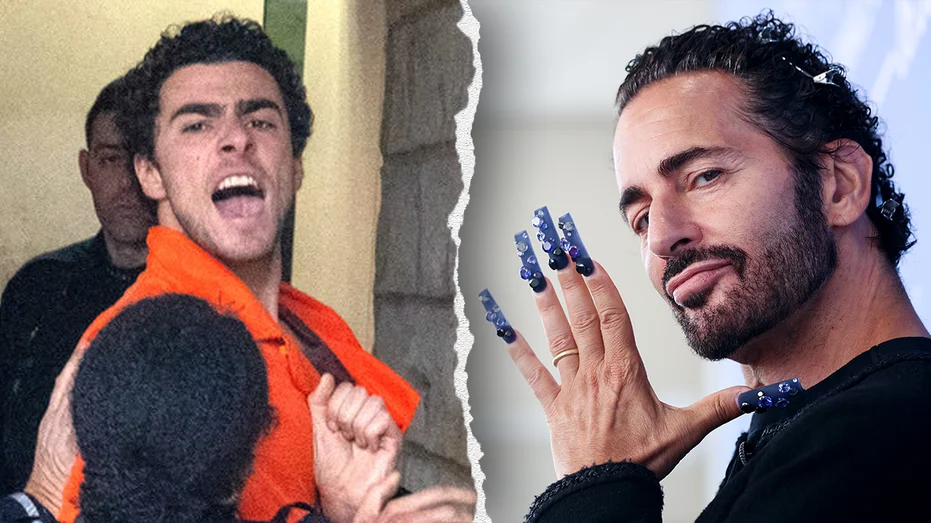
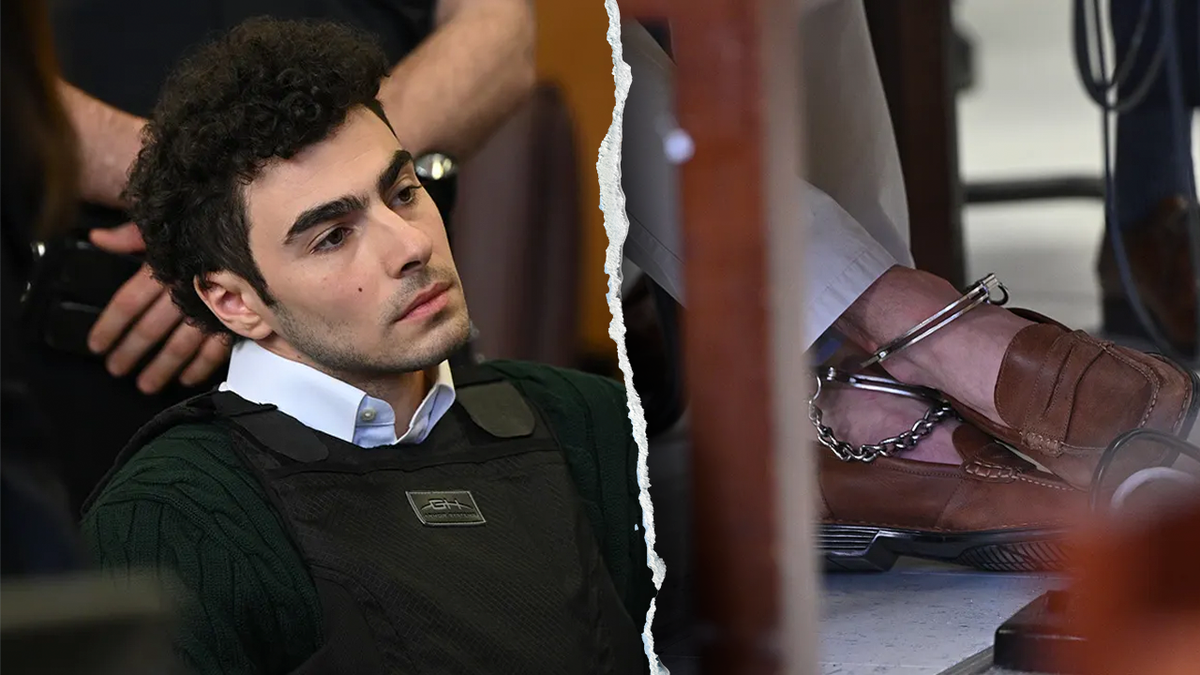
The intersection of high fashion and high-profile criminal trials has long captured the public imagination, but a recent statement by legendary designer Marc Jacobs has pushed the boundaries of courtroom aesthetics into highly controversial territory.
During an appearance on Vanity Fair’s popular "Lie Detector Test" podcast, Jacobs revealed he would be open to styling Luigi Mangione—the confessed assassin of UnitedHealthcare CEO Brian Thompson—should his case proceed to a state trial. Jacobs went a step further, complimenting the 26-year-old’s current sartorial choices and labeling him a "trendsetter."
The remarks have ignited a fierce debate among legal experts, victim advocates, and fashion commentators. While some view the comments as a provocative joke typical of the avant-garde fashion world, others argue that glamorizing a confessed killer is deeply insensitive to the family of the victim and dangerously romanticizes a cold-blooded execution.
Chronology of a High-Profile Crime and Its Visual Evolution
To understand the weight of Jacobs’ comments, it is necessary to examine the timeline of the crime and how the perpetrator transitioned from a fugitive to an unexpected subject of internet fascination and fashion analysis.
[Dec 4, 2024]  -------------------> [Dec 2024] -------------------> [Feb 2025] -------------------> [March 2025] -------------------> [Mid-2026]
Brian Thompson shot                 Mangione arrested in PA;        "Sock Notes" intercepted        Loafers & bare ankles          Federal guilty plea;
in Midtown Manhattan                manifesto & high-end            in NYC court; rejects           courtroom style draws          Vanity Fair podcast
                                    backpack seized                 wearing them                    media attention                sparks backlash
The Crime and the Arrest (December 2024)
On December 4, 2024, Brian Thompson, the 50-year-old CEO of UnitedHealthcare and a father of two, was shot in the back and killed outside the New York Hilton Midtown hotel in Manhattan. The gunman fled the scene, sparking a highly publicized nationwide manhunt.
In late December 2024, authorities arrested Luigi Mangione at a McDonald’s in Altoona, Pennsylvania. At the time of his arrest, police recovered a ghost gun, multiple fraudulent identification cards, and a handwritten manifesto detailing deep-seated grievances against the American healthcare industry.
Even at this early stage, consumer choices associated with the suspect began making headlines. Law enforcement recovered a high-end backpack that Mangione had allegedly discarded in Central Park while fleeing the crime scene, sparking immediate online discussions regarding the suspect’s privileged background and consumer habits.
The Courtroom Appearances (Early 2025)
As Mangione’s legal proceedings began in New York, his courtroom attire became an unexpected focal point for media outlets and online subcultures.
February 2025: During a court appearance, officers uncovered a pair of heart-shaped notes smuggled to Mangione inside a package of civilian clothing intended for his courtroom wear. While court officers seized the notes, they allowed Mangione to keep the socks. However, prosecutors later revealed that Mangione declined to wear them because he felt they "did not look good."
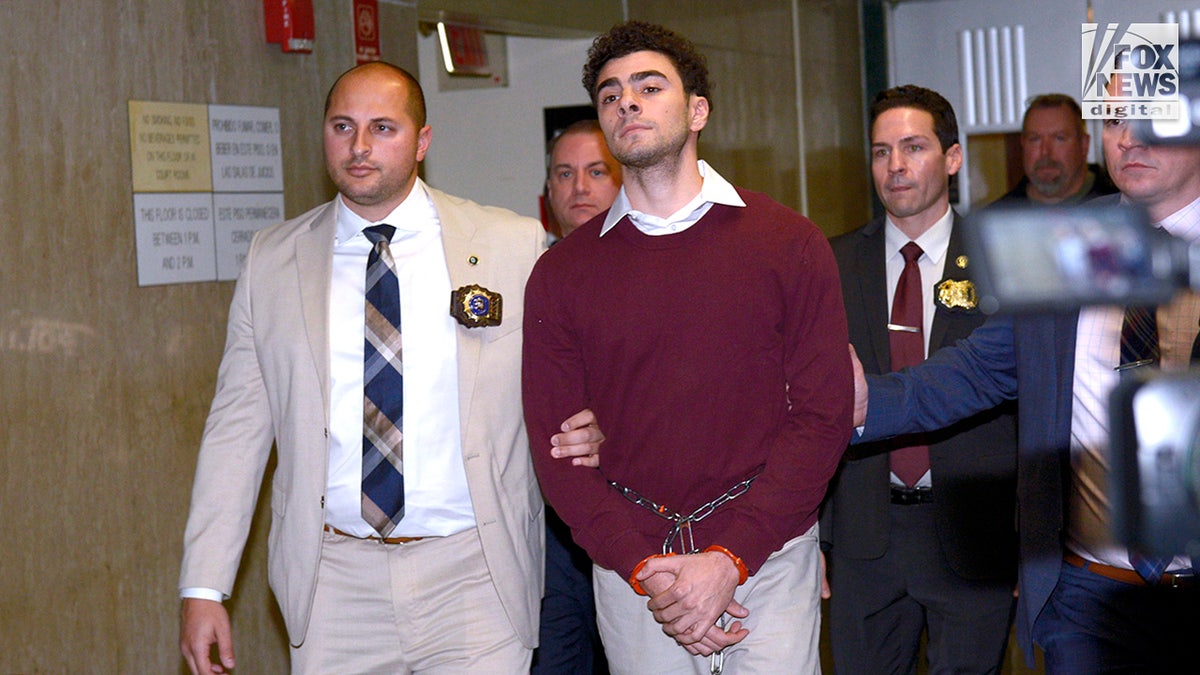
March 2025: Mangione arrived at a court hearing wearing Rockport loafers with no socks. A pool photographer captured a stark, widely circulated image of his bare ankles bound by heavy metal shackles—a visual contrast that fashion blogs and true-crime forums dissected extensively.
The Red Sweater Incident: During another appearance, Mangione wore a vibrant red crewneck sweater. Shortly after the images were broadcast, fashion analysts noted that the specific sweater style sold out at Nordstrom department stores, cementing his status among some online circles as an accidental style influencer.
The Guilty Plea and Current Legal Standing (2026)
In mid-2026, Mangione pleaded guilty to federal charges, including interstate stalking resulting in death and using a firearm during a crime of violence. He faces a maximum penalty of life in prison.
His state-level murder trial in New York has been adjourned as his defense team pursues a double jeopardy claim, arguing that his federal plea should preclude a state trial. Consequently, Mangione may never face a state jury, and his federal sentencing is scheduled for December 18, where Judge Margaret Garnett will determine his fate.
Supporting Data: The Mechanics of Courtroom Fashion
The phenomenon of utilizing specific clothing to influence judicial outcomes—colloquially termed "courtcore" or "trial chic"—is not new. However, the commercialization of a violent offender’s wardrobe represents a distinct shift in public consumption.
Historical Precedents of Courtroom Styling
During his Vanity Fair interview, the host reminded Jacobs of his historical connection to high-profile defendants. In the early 2000s, several celebrity defendants wore Marc Jacobs designs during their highly publicized trials:
Defendant
Trial Year
Charges / Context
Fashion Impact
Winona Ryder
2002
Shoplifting
Wore a Marc Jacobs thermal dress to court; later became the face of a Marc Jacobs ad campaign.
Courtney Love
2004
Drug possession / Reckless endangerment
Adopted a ladylike, conservative aesthetic using designer pieces to soften her grunge persona.
Lil’ Kim
2005
Perjury / Conspiracy
Utilized high-fashion, tailored pastel suits to project respectability and professionalism.
Gwyneth Paltrow
2023
Civil ski collision lawsuit
Popularized "quiet luxury" courtroom fashion with neutral knits and structured coats.
When asked on the polygraph test if he was offended that Gwyneth Paltrow did not wear his designs during her 2023 ski trial, Jacobs answered "No," a response the polygraph examiner confirmed was truthful.
The Accidental Trendsetter Phenomenon
The rapid sell-out of the red Nordstrom sweater worn by Mangione highlights a growing, controversial trend: the aestheticization of real-world violence.
In digital spaces, particularly on platforms like TikTok and X (formerly Twitter), Mangione’s physical appearance, combined with his anti-corporate manifesto, has generated a disturbing "cult hero" status. Market data reflecting the immediate sell-out of apparel worn by defendants suggests that courtroom appearances can function as involuntary fashion runways, translating infamy into consumer demand.
Official Responses and Ethical Backlash
The reaction to Jacobs’ podcast comments was swift, with legal professionals and victim advocates expressing dismay over the lighthearted treatment of a case involving a brutal murder.
Donna Rotunno’s Critique
Donna Rotunno, a prominent criminal defense attorney and Fox News contributor known for handling high-profile, sensitive cases, expressed deep disappointment in both the fashion designer’s comments and the public’s fascination with Mangione.
"I find it sad," Rotunno said in an interview. "I find that sad that a designer would in any way, shape, or form want to support that. He’s kind of become a character and this cult hero to some people, and it’s pretty sad to see."
Rotunno, who carefully managed the courtroom presentation of defendants like Harvey Weinstein, noted that the media’s hyper-fixation on trial aesthetics began in earnest during the 1995 O.J. Simpson trial, where prosecutor Marcia Clark’s hair and wardrobe were subjected to intense daily scrutiny.
Rotunno characterized Jacobs’ willingness to style a confessed killer as "tone deaf," emphasizing that behind the courtroom style discussions lies a grieving family. Brian Thompson was a highly respected executive, a husband, and a father of two whose life was violently cut short.
Corporate and Designer Silence
Following the airing of the podcast and the subsequent public outcry, representatives for Marc Jacobs’ brand did not immediately issue a formal statement or respond to requests for clarification regarding whether the designer’s comments were purely theatrical or represented a genuine professional interest.
Implications: The Collision of Justice, Fandom, and Public Relations
The controversy surrounding Marc Jacobs and Luigi Mangione highlights several broader cultural and legal implications that extend far beyond the fashion industry.
The Risk of Over-Styling in Front of a Jury
From a defense strategy perspective, dressing a client in high-fashion labels can carry significant risks. While the goal of courtroom attire is generally to project respectability, humility, and remorse, over-styling can alienate jurors.
Rotunno warned that a highly curated, luxury look could strip a defendant of necessary empathy:
"I also think you have to be careful in front of juries," Rotunno explained. "You dress up Luigi Mangione too much, and maybe he loses some of the sympathy that people have for him."
For a defendant like Mangione, whose supporters often cite his anti-corporate, anti-establishment manifesto, appearing in luxury clothing designed by a global fashion icon could create a hypocritical image, undermining the very narrative that fueled his online following.
The Romanticization of Violent Crime
The transformation of a confessed assassin into a style icon points to a troubling societal trend. True-crime fandoms have frequently crossed the line from analytical interest to active glorification of defendants. When mainstream cultural figures like Marc Jacobs validate these sentiments by praising a killer’s style, it blurs the line between entertainment and tragedy.
The Final Runway
With Mangione having already entered a guilty plea in federal court, his opportunities to wear civilian clothing in public are rapidly drawing to a close. If his defense team successfully argues double jeopardy, avoiding a state trial, Mangione will bypass the traditional courtroom entirely, transitioning directly from federal holding facilities to a permanent federal penitentiary.
Ultimately, the prospect of a Marc Jacobs-styled trial wardrobe remains highly unlikely. However, the discourse sparked by the designer’s comments serves as a stark reminder of how easily the gravity of a violent crime can be obscured by the glossy lens of modern celebrity culture and fashion.