In the competitive world of real estate, homeowners are constantly weighing which renovations yield the highest return on investment (ROI). Among the most common—and expensive—questions homeowners face is: Does a new roof increase home value?
The short answer is yes, but the reality is more nuanced. While a fresh roof certainly enhances curb appeal and structural integrity, it is rarely a dollar-for-dollar investment. Whether you are prepping your home for a spring listing or simply maintaining your property’s longevity, understanding the intersection of roofing costs, buyer psychology, and market dynamics is essential.
Main Facts: The ROI of Roofing
A new roof is more than just a cosmetic upgrade; it is a critical infrastructure component. When a home is listed, the roof is one of the first features a potential buyer—and their inspector—evaluates.
According to the 2025 Cost vs. Value Report, a standard asphalt-shingle roof replacement costs approximately $31,871 on a national average. While this is a significant capital expenditure, it adds an estimated $21,501 in resale value. This results in a cost recoupment of approximately 67.5%.
It is important to note that this percentage is a national average. In high-demand markets where buyers are wary of older homes with deferred maintenance, a new roof can be the deciding factor that pushes a sale over the finish line. Conversely, in a seller’s market where inventory is scarce, a buyer might be willing to overlook a dated roof, though likely at the cost of a significant price reduction during negotiations.
Chronology: The Lifecycle of Your Roof
To determine if you should invest in a new roof, you must first understand where your current roof sits in its lifecycle.
- The Early Years (0–10 years): Your roof is in its prime. Routine maintenance, such as cleaning gutters and checking for loose flashing, is sufficient to maintain your home’s value.
- The Middle Years (10–20 years): Wear and tear become visible. Granule loss, slight curling of shingles, and moss accumulation may begin to appear. At this stage, professional inspections can identify if spot repairs are needed to extend the roof’s life.
- The Twilight Years (20+ years): This is the danger zone. Most standard asphalt shingles are nearing the end of their design life. If your roof is two decades old or older, potential buyers will view it as a looming liability. This is when the question of replacement becomes a primary concern for sellers.
Supporting Data: Factors Influencing Value
The "added value" of a new roof is rarely static. It is governed by a complex set of variables that change based on your location and the state of your property.
1. Market Expectations
In areas prone to severe weather—such as the hail-prone plains or hurricane-prone coastal regions—a high-quality, weather-resistant roof is an expected standard. In these markets, an old roof is not just an aesthetic issue; it is a major red flag that can prevent a buyer from securing homeowners insurance. In such cases, the "added value" of a new roof is effectively the difference between a house that is "insurable" and one that is not.
2. Material Quality
Not all roofs are created equal. While standard architectural asphalt shingles are the industry baseline, luxury materials like standing-seam metal, cedar shakes, or composite tiles offer different returns. While these materials cost significantly more, they often boast lifespans of 40 to 50 years. For buyers, this provides long-term peace of mind, which can justify a higher asking price.
3. Structural Condition
If a roof is sagging or has significant interior water damage, the cost to repair the underlying structure may far exceed the cost of the shingles themselves. Addressing these structural issues before they are discovered by a buyer’s inspector is crucial to preventing the deal from falling through.

Official Expert Perspectives
Industry leaders provide a clear consensus: a roof is a "silent" value-driver that carries immense weight during the closing process.
Mark Mueller, founder of Mueller Builders, emphasizes that a new roof is a psychological win for the buyer. "A new roof significantly enhances a home’s market appeal by eliminating one of the most daunting inspection hurdles for potential buyers," Mueller notes. "Beyond immediate curb appeal, a modern roofing system offers buyers peace of mind regarding long-term structural integrity. Replacing an aging roof frequently prevents price concessions and helps homes sell much faster."
This sentiment is echoed by Jordan Phillips, President of Liberty Home Remodeling, who views the roof as a critical marketing tool. "A new roof is often one of the first improvements addressed when preparing a home for a new listing. It’s a valuable investment that improves curb appeal while simultaneously increasing the home’s marketability," says Phillips.
Ken Girard, President of Apex Exteriors, adds a warning about the risks of inaction: "An aging roof can have the opposite effect, since buyers may factor the cost of a future replacement into their decision—often discounting their offer well beyond the actual cost of replacement."
Implications: To Repair or Replace?
The decision to replace a roof before selling is a strategic one. It is not always necessary to install a brand-new roof to attract buyers.
When to Repair
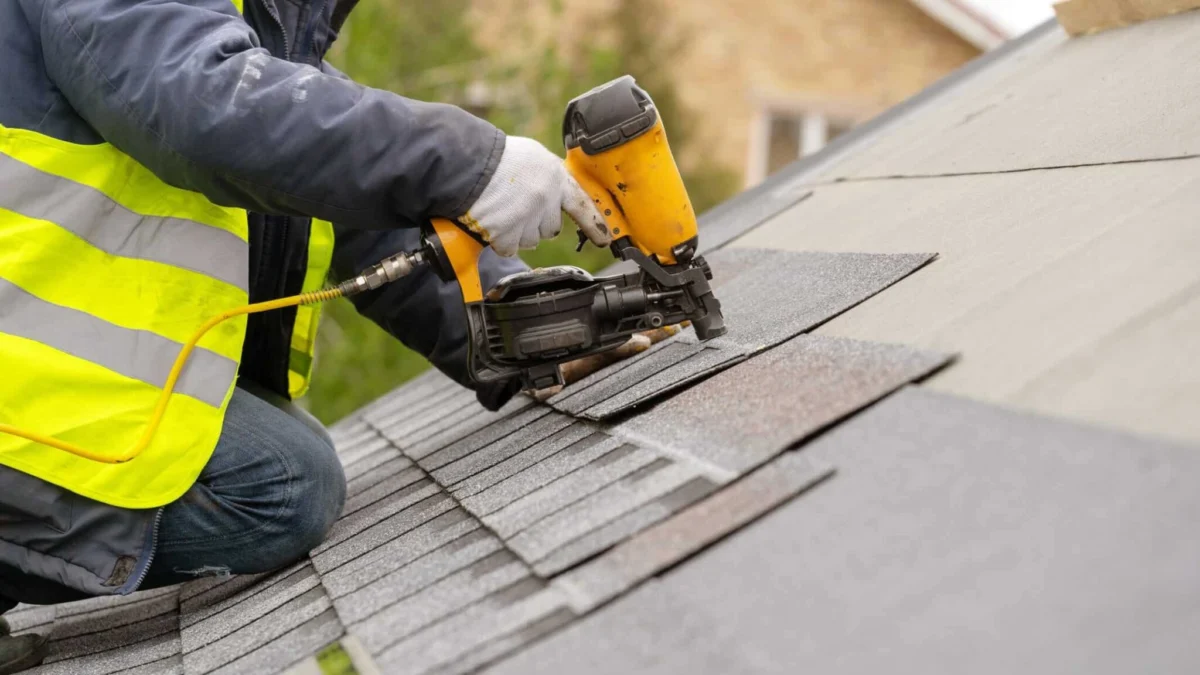
If the roof is relatively young and only exhibits minor issues—such as a few cracked shingles, localized leaks, or minor flashing damage—spot repairs are the most logical financial choice. Ensuring your shingles match the existing color and texture is vital for maintaining aesthetic consistency.
When to Replace
Replacement is highly recommended if:
- The roof is 20+ years old.
- There is visible sagging or structural bowing.
- There is extensive granule loss or widespread curling.
- You are in a competitive market where "turn-key" homes command a premium.
The Appraisal Factor
It is a common misconception that a new roof will automatically add $30,000 to an appraisal. Appraisers evaluate the home’s "effective age" and condition. While a new roof will certainly improve the "condition" score, the appraisal increase is rarely equal to the cost of the project. However, the absence of a failing roof prevents a negative adjustment, which is arguably more important for the sale.
Strategic Decision Guide: The Bottom Line
If you are planning to sell, start by having a professional, independent roof inspector evaluate your property. Do not rely solely on the advice of a roofing contractor who may be incentivized to sell you a full replacement.
- Request a formal inspection: Get a detailed report on the remaining life of your roof.
- Compare costs: Obtain quotes for both targeted repairs and a full replacement.
- Evaluate your market: Ask your real estate agent how many recent sales in your area involved roof concessions. If many buyers are asking for credits for roofs, a pre-emptive replacement may be your best move.
- Consider a credit: If your roof is at the end of its life but you don’t have the cash for a replacement, consider offering the buyer a credit toward a new roof at closing. This allows them to choose their own materials and color while removing the obstacle to the sale.
Ultimately, a new roof is an investment in your home’s future. While you might not see every dollar returned at the closing table, you will see the return in the form of a shorter time on the market, fewer inspection headaches, and a smoother, more profitable transaction. Whether you are in Denver, Boston, or anywhere in between, a well-maintained home starts from the top down.