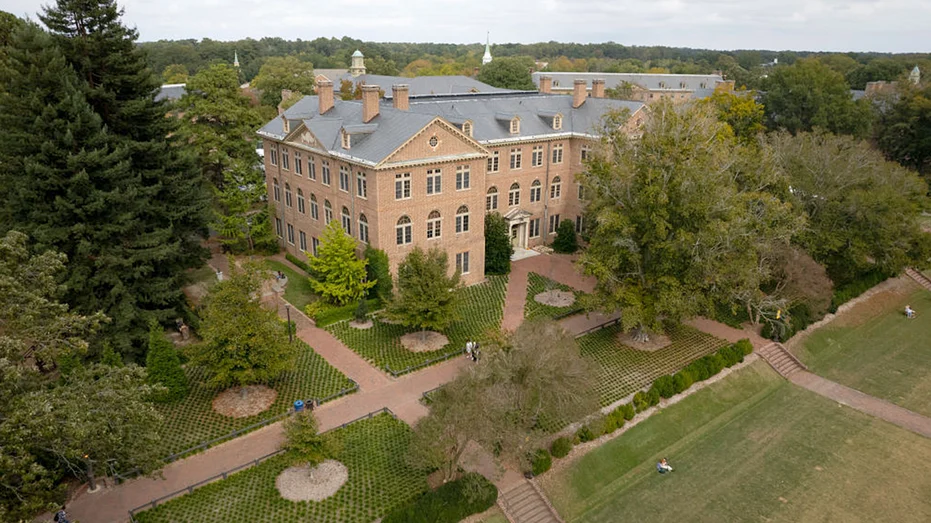
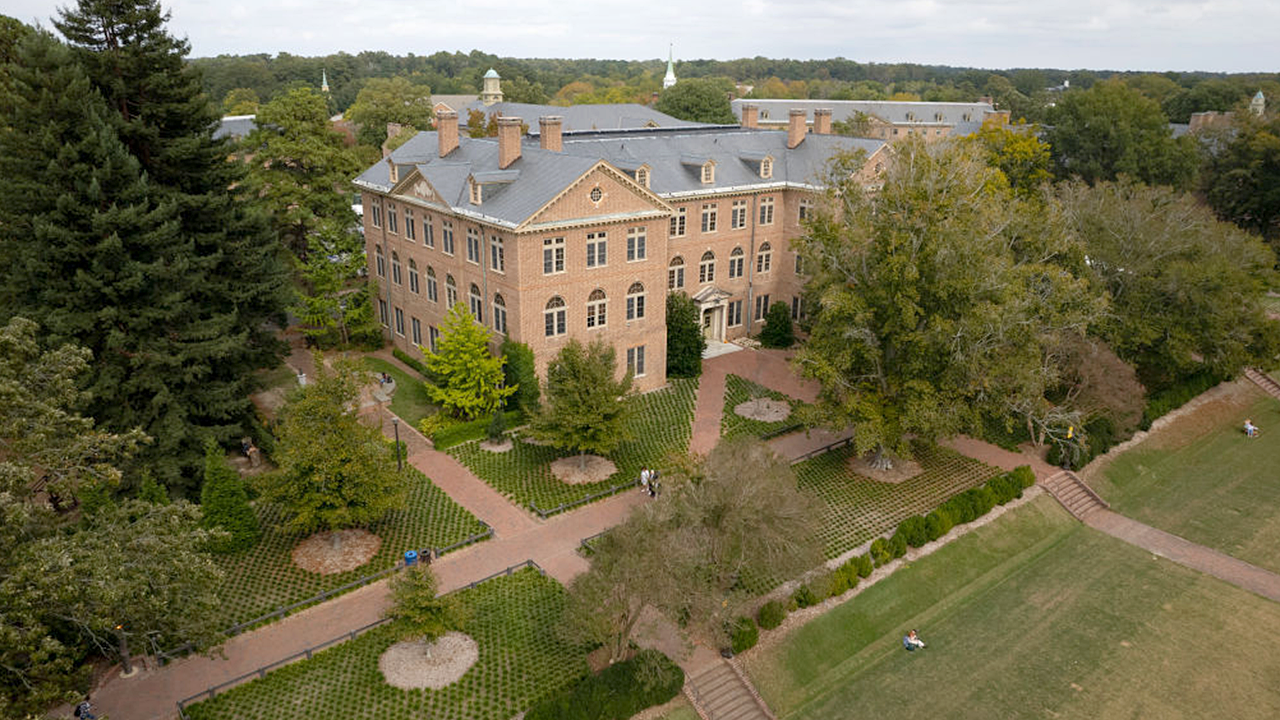
The United States Department of Justice (DOJ) has launched a formal compliance review into the College of William & Mary to determine whether several of the institution’s scholarship programs and student benefits violate federal civil rights laws. The federal probe focuses on whether the public research university, located in Williamsburg, Virginia, employs unlawful race-based criteria in its financial aid and academic opportunity allocations.
The investigation, spearheaded by the DOJ’s Civil Rights Division, represents a significant escalation in the federal government’s ongoing scrutiny of higher education policies. The review will examine potential violations of Title VI of the Civil Rights Act of 1964, which strictly prohibits discrimination on the basis of race, color, or national origin in any program or activity receiving federal financial assistance.
Main Facts of the Investigation
The Department of Justice’s Civil Rights Division officially initiated its compliance review following allegations that multiple specialized scholarship and fellowship programs at William & Mary utilize race, ethnicity, or historic background as determinative factors for eligibility.
According to federal officials, the probe is aimed at ensuring that the university—as a recipient of federal funding—adheres to strict non-discriminatory standards. Title VI compliance is a prerequisite for universities to receive federal research grants, student financial aid, and other forms of federal support.
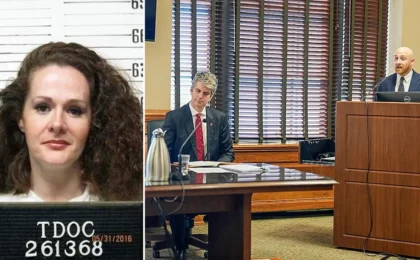
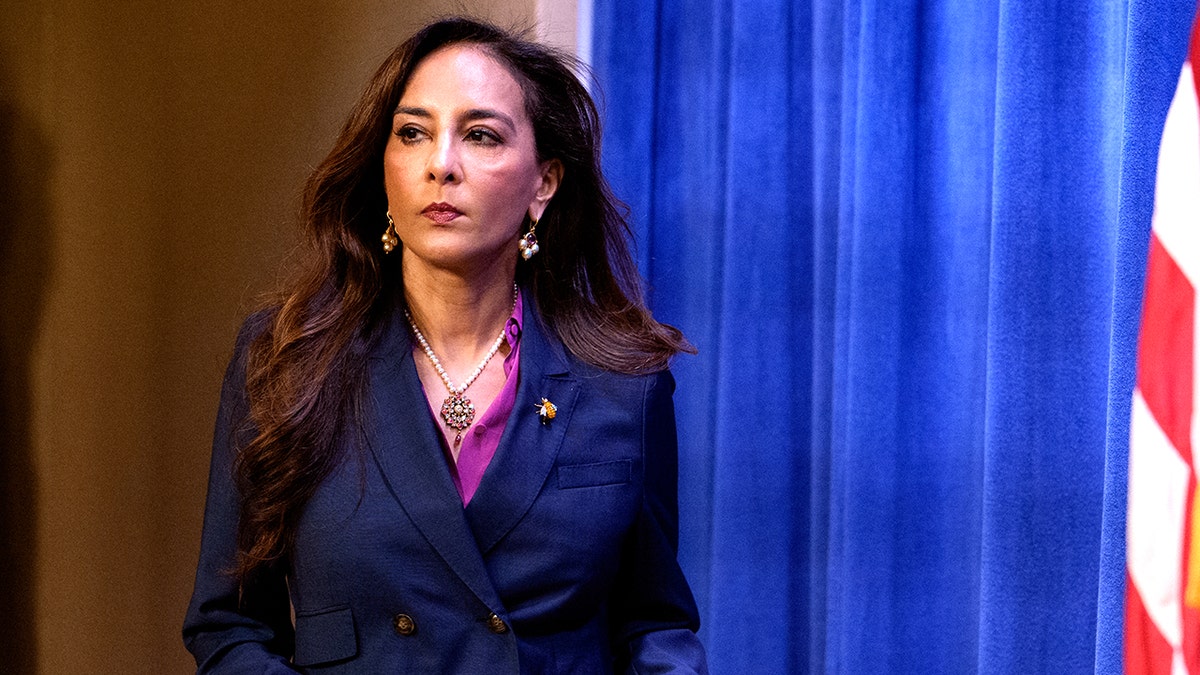
Assistant Attorney General for Civil Rights Harmeet Dhillon announced the investigation, signaling a strict enforcement posture regarding race-conscious university programs.
"Awarding scholarships or offering coveted opportunities to students based on the color of their skin is illegal and offends the guarantees of our color-blind Constitution," Dhillon said in a statement. "We will find out if scholarships or other student benefits at William & Mary favor applicants of certain races. The Department will not turn a blind eye to race-based preferences, however they are packaged or portrayed by universities."
The DOJ has emphasized that the opening of the compliance review does not constitute a final determination of wrongdoing. Rather, it is an investigative procedure designed to gather facts, review university policies, and determine whether corrective actions are necessary.
Chronology of the Dispute and Context
The compliance review of William & Mary is the latest developments in a rapidly shifting legal landscape for American higher education.
Historical Context of the Programs
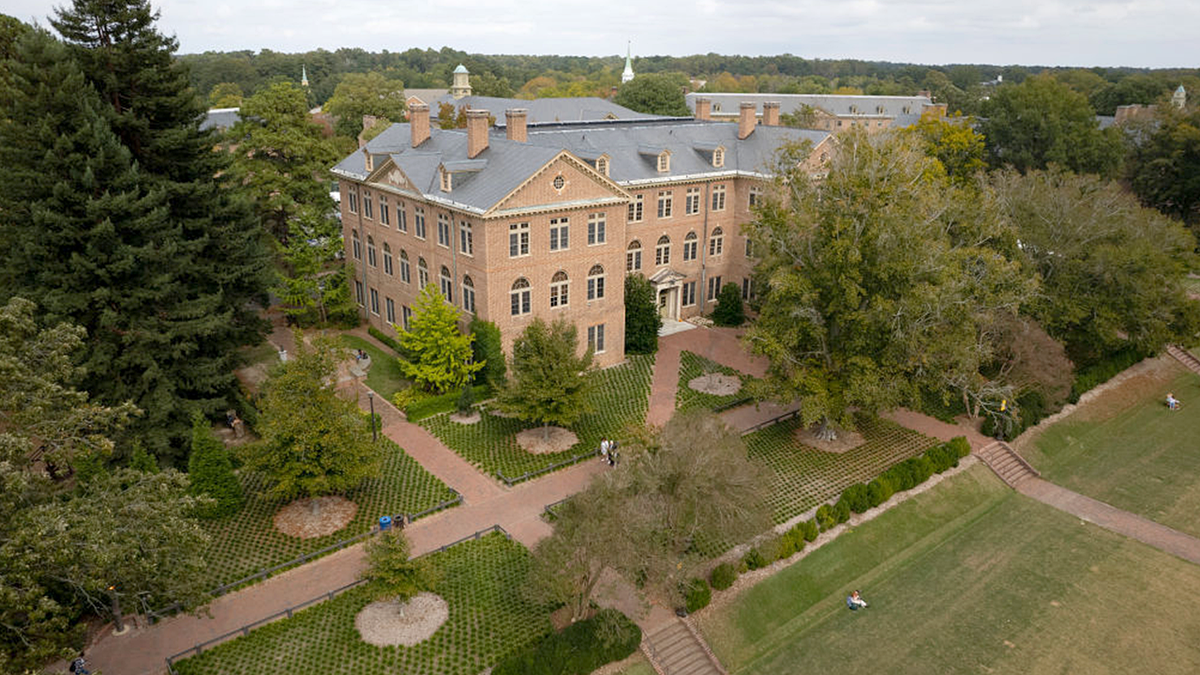
Some of the programs currently under investigation were originally established to address the legacy of slavery and systemic racial discrimination at William & Mary. Founded in 1693, William & Mary is the second-oldest institution of higher education in the United States and has publicly reckoned with its historical ties to slavery and Jim Crow-era segregation. In recent decades, the university established initiatives like the "Lemon Project"—named after an enslaved man owned by the college in the late 18th and early 19th centuries—to foster a more inclusive campus environment and rectify historical injustices.
The Federal Catalyst
The federal government’s focus on these programs intensified following the Supreme Court’s landmark 2023 ruling in Students for Fair Admissions v. Harvard, which ended race-conscious affirmative action in college admissions. Following that ruling, federal agencies and conservative legal advocacy groups began shifting their focus from admissions policies to financial aid, summer fellowships, and specialized campus programs.
Timeline of the Probe
- The Launch: The DOJ officially initiated the compliance review, delivering a formal notice letter to William & Mary administration.
- The Information Request: The DOJ demanded that the university hand over a comprehensive set of documents, internal communications, demographic data of applicants and recipients, and administrative guidelines for the targeted programs.
- The Deadline: The federal government gave William & Mary a deadline of September 8 to comply with the document requests.
- Next Steps: The DOJ stated its intent to resolve any potential compliance issues through "informal voluntary means" if possible, but reserved the right to initiate formal administrative or legal proceedings that could result in the termination of the university’s federal financial assistance.
Supporting Data: The Five Programs Under Scrutiny
The Department of Justice’s notice letter identified five specific programs across William & Mary’s undergraduate, graduate, and professional schools that allegedly feature problematic selection criteria.
+------------------------------------+----------------------------+--------------------------------------------------+
| Program Name                       | University Department      | Specific Criteria Under Scrutiny                 |
+------------------------------------+----------------------------+--------------------------------------------------+
| W&M Scholars Program               | Undergraduate Admissions   | "Interest in diverse people and perspectives"   |
| Martha L. Muguira Fellowship       | School of Education        | Explicit preference for Hispanic/Latino women    |
| Holmes Scholars Program            | School of Education        | Benefits targeted at "leaders of color"          |
| Lemon Legal Scholars Program       | Law School                 | Scholarships reserved for HBCU graduates         |
| Reaching Back Scholarship          | Law School                 | Preference for HBCU grads or diversity contributors|
+------------------------------------+----------------------------+--------------------------------------------------+
1. The W&M Scholars Program
Designed for first-year undergraduate students, this program provides a scholarship that covers at least the full cost of in-state tuition and fees. While the university notes that the scholarship is not legally restricted to any single demographic, the DOJ highlighted that the university’s selection guidelines give "top consideration" to applicants who demonstrate an "interest in diverse people and perspectives." This criterion is listed alongside academic merit, leadership potential, and first-generation or limited-income status.
2. The Martha L. Muguira Fellowship
Housed within the W&M School of Education, this need-based fellowship is designed for graduate-level students. The DOJ’s inquiry points to administrative language indicating that the fellowship program maintains an explicit "preference" for Hispanic or Latino female applicants who demonstrate financial need.
3. The Holmes Scholars Program
Also situated within the School of Education, this doctoral-level program provides mentorship, access to professional job fairs, national-level professional development, policy advocacy training, and research presentation opportunities. The DOJ noted that the program has historically been described as supporting "future education leaders of color." Currently, William & Mary’s website describes the program as serving students from "traditionally under-represented backgrounds."
4. The Lemon Legal Scholars Program
Offered by the William & Mary Law School, this program awards up to five full scholarships covering tuition and fees. The DOJ’s notice letter alleges that these awards appear to be exclusively reserved for graduates of Historically Black Colleges and Universities (HBCUs). The university’s current portal states that the law school "will award at least five full scholarships" to admitted J.D. candidates who graduated from HBCUs.
5. The Reaching Back Scholarship
Also administered by the Law School, this need-based scholarship is designed to assist students who face financial barriers. The DOJ pointed to program descriptions that indicate a "preference" for graduates of HBCUs or individuals "who contribute to the diversity" of the law school student body.
Official Responses
The Department of Justice and the College of William & Mary have staked out distinct initial positions as the compliance review gets underway.
The Department of Justice
The DOJ’s Civil Rights Division emphasized that its current actions are investigatory rather than punitive. However, officials made it clear that the department is prepared to use its full enforcement authority under Title VI if the university is found to be out of compliance and refuses to implement changes voluntarily. The department’s stated goal is to secure compliance through cooperative adjustments to the university’s scholarship criteria, but it maintains the authority to initiate formal proceedings to suspend or terminate federal funding if negotiations stall.
William & Mary
In response to inquiries regarding the federal probe, William & Mary administration issued a concise statement defending its institutional values while pledging cooperation with federal authorities:
"William & Mary is committed to nondiscriminatory learning environments across our campus and complying with all state and federal laws."
University officials have declined to comment further on the specific programs named in the complaint, citing the ongoing nature of the federal inquiry.
Legal and Educational Implications
The investigation into William & Mary is not an isolated incident; it represents a broader shift in federal civil rights enforcement under the current administration.
The Shift in Title VI Enforcement
The probe is part of a broader campaign by the Department of Justice and the Department of Education to target race-conscious programs in higher education. Similar compliance reviews and investigations have been launched at other prestigious institutions nationwide:
- Harvard University: The DOJ previously opened an investigation into Harvard’s financial aid policies following complaints of alleged discrimination against American applicants.
- The University of California, Los Angeles (UCLA): The DOJ initiated legal action against UCLA regarding campus environment concerns, demonstrating an increased willingness to intervene directly in university governance.
- Corporate and Academic DEI: This federal scrutiny aligns with a broader legislative and legal push against diversity, equity, and inclusion (DEI) initiatives in public institutions across several states.
The Financial Stakes for Public Universities
For a public research institution like William & Mary, the stakes of a Title VI compliance review are high. Public universities rely on hundreds of millions of dollars in federal funding to support scientific research, infrastructure projects, and student financial aid programs (including Pell Grants and federal student loans). The theoretical loss of federal funding would be catastrophic, effectively forcing the university to comply with federal mandates or face severe operational disruption.
Redefining Diversity and Remediation
The legal challenge for universities lies in balancing their educational missions—which often include fostering diverse student bodies and addressing historical inequities—with the strict, color-blind mandates of modern federal civil rights enforcement.
Legal experts suggest that universities may increasingly have to transition their scholarship criteria away from race and ethnicity toward socioeconomic status, geographic diversity, or first-generation college status to survive federal scrutiny. The outcome of the William & Mary compliance review could serve as a critical bellwether for how public universities across the country restructure their financial aid and diversity programs in the years to come.