In an era where the intersection of high-stakes investigative journalism and cinematic storytelling has become increasingly vital, the upcoming release of NAZA stands as a watershed moment. The documentary, which has already stirred significant international discourse, is set for a unique U.S. theatrical rollout beginning September 30. By bypassing traditional studio acquisition in favor of a bespoke, partner-led distribution model, the filmmakers are ensuring that their searing examination of the military systems governing the conflict in Gaza reaches audiences with uncompromising speed and directness.
A Strategic Departure from Traditional Distribution
The release of NAZA represents a calculated shift in how politically sensitive and urgent documentary cinema is brought to the public. Spearheaded by The Guardian and the renowned production house mk2, the rollout eschews the conventional path of selling to a major studio or independent distributor. Instead, the team has assembled a coalition of U.S. and international partners and consultants to manage the film’s journey from the editing room to the multiplex.
This strategy is not entirely unprecedented for the directors, Yuval Abraham and Rachel Szor. Their previous work, the Oscar-winning documentary No Other Land, also utilized an independent, hands-on distribution model through Cinetic, with bookings handled by Michael Tuckman Media. For NAZA, the stakes are arguably higher, and the urgency is palpable. The film will debut exclusively at the IFC Center in New York City on September 30, before expanding to Los Angeles and other key markets on October 9. This national rollout places NAZA at the center of a crowded and prestigious autumn slate of nonfiction films, including Alex Gibney’s Musk and the Nathan Fielder-produced Elizabeth Holmes documentary, You Can See Everything.
Chronology of Production and Premise
NAZA is the culmination of three years of intense, often dangerous, investigative work. Directed by Yuval Abraham and Rachel Szor, the film derives its title from the military acronym used by Israeli intelligence to quantify the number of civilians they expect to be killed in a specific airstrike. The term serves as a cold, clinical lens through which the film examines the mechanics of modern warfare.
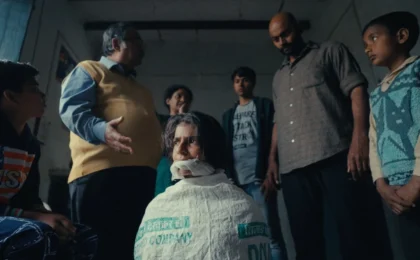
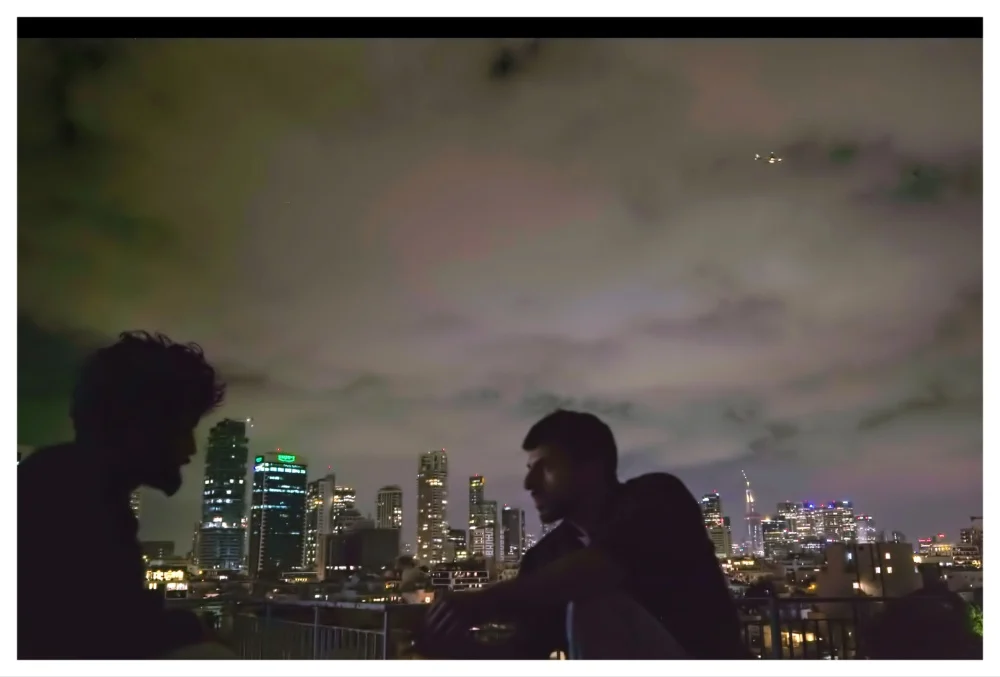
The filmmakers spent three years filming members of the Israeli military on the rooftops of Tel Aviv. By positioning themselves within the heart of the country whose military operations they are scrutinizing, Abraham and Szor provide a perspective that is both intimate and harrowing. The film’s synopsis describes it as a detailed revelation of the systems behind what it terms "Israel’s calculated mass killing of Palestinian civilians in Gaza."
The project’s journey to the screen began in the shadow of the October 7th attacks. Many of the film’s core revelations were initially published as investigative reports by The Guardian in collaboration with +972 Magazine and Local Call. The transition from written journalism to documentary film represents an effort to deepen the narrative, moving beyond the documented facts to explore the psychological and moral vacuum that allows such systems to function.
Unpacking the Mechanics of ‘NAZA’
At its core, NAZA is an exploration of bureaucratic dehumanization. The filmmakers argue that the film captures something that traditional print journalism cannot: the silence. While their investigative articles provided the data and the documentation of the systems, the film focuses on the human element—the interactions, the expressions, and the chilling normalcy of those who oversee these systems.
"We made this film out of a sense of obligation to use our position as Israeli filmmakers and journalists to examine the systems behind the mass killing of Palestinian civilians for which our country is responsible," Abraham and Szor stated. They describe the process as a confrontation with historical ghosts, asking how one group of people can permit the total dehumanization of another. By filming at night, the documentary creates a claustrophobic, noir-like atmosphere that mirrors the moral darkness of its subject matter.
The production boasts a formidable pedigree, with The Guardian and James Wilson (of JW Films) serving as producers. Perhaps most notably, the film is executive produced by Jonathan Glazer, the visionary director of The Zone of Interest, whose own work frequently interrogates the banality of evil and the psychological distance between perpetrators and their actions.
The Broader Landscape of Investigative Nonfiction
The fall of 2024 is shaping up to be a defining period for the documentary genre. As streaming services dominate the cultural conversation, the return of "buzzy" nonfiction titles to the theatrical space signals a resurgence in the desire for communal viewing experiences. NAZA enters a landscape where documentaries are expected to do more than just inform; they are expected to provoke, to challenge, and to act as catalysts for real-world accountability.
The competition for the audience’s attention is fierce. With high-profile projects like Gibney’s Musk exploring the complexities of modern industry and power, NAZA occupies a space of profound political weight. Its premiere at the New York Film Festival on September 26, following its Special Jury Prize win at the Venice Film Festival, cements its status as one of the most important documentaries of the year.
Official Perspectives and Ethical Implications
The implications of NAZA extend far beyond the box office. By bringing the "NAZA" acronym into the public lexicon, the filmmakers are forcing a reckoning with the language of war. When a military uses a term to quantify the "acceptable" loss of civilian life, it effectively abstracts human existence into a statistical probability. The film’s goal is to strip away this abstraction.
Critics and supporters alike are watching the rollout closely. The film’s existence is a testament to the power of a free press and the courage of filmmakers willing to turn the camera on their own society. However, the nature of the documentary ensures it will remain a lightning rod for controversy. By examining the "inner workings" of the military apparatus, the directors are inviting a debate that the state would likely prefer to keep behind closed doors.
The filmmakers’ statement is a direct challenge to their audience: "It is up to all of us to break that silence." This call to action is the thematic engine of the film. It suggests that the responsibility for these systems does not end with the military or the government, but extends to the public that witnesses these events—or chooses to look away.
The Future of Independent Distribution
The distribution model chosen for NAZA is indicative of a growing trend among filmmakers who fear that their work might be buried or sanitized by traditional corporate gatekeepers. By maintaining control through a partner-led coalition, the producers of NAZA ensure that the film’s messaging remains intact and that the rollout remains responsive to the political climate.
If the success of No Other Land is any indication, this direct-to-audience approach is highly effective. It allows for targeted, grassroots-style marketing that builds momentum through film festivals and critical acclaim, rather than relying on the saturated advertising spend of a major studio. For a film as urgent as NAZA, this agility is essential.
Conclusion: A Moral Imperative
As the release date for NAZA approaches, it serves as a stark reminder of the power of cinema to confront the most uncomfortable truths of our time. Yuval Abraham and Rachel Szor have not just created a documentary; they have created a piece of historical evidence.
By pulling back the curtain on the systems that facilitate mass violence, the film challenges the viewer to move past the headlines and engage with the reality of the human cost of war. Whether NAZA succeeds in "breaking the silence" will ultimately depend on the willingness of the public to confront the images on the screen and the uncomfortable questions they raise. As the film travels from the IFC Center in New York to theaters across the country, it promises to be one of the most discussed and debated cinematic events of the decade.