The landscape of independent Indian cinema is witnessing a potent, grassroots resurgence. At the center of this movement is Kidney, the sophomore feature film from the sibling directorial duo Aakarsh and Agrim Sansanwal. In a significant development for the project, Shiladitya Bora’s Mumbai-based production house, Platoon One Films, has boarded the project as a co-producer. The partnership arrives at a critical juncture: Kidney has been officially selected for the prestigious Critics’ Picks Competition at the Tallinn Black Nights Film Festival (PÖFF) in Estonia, a platform renowned for championing bold, auteur-driven storytelling.
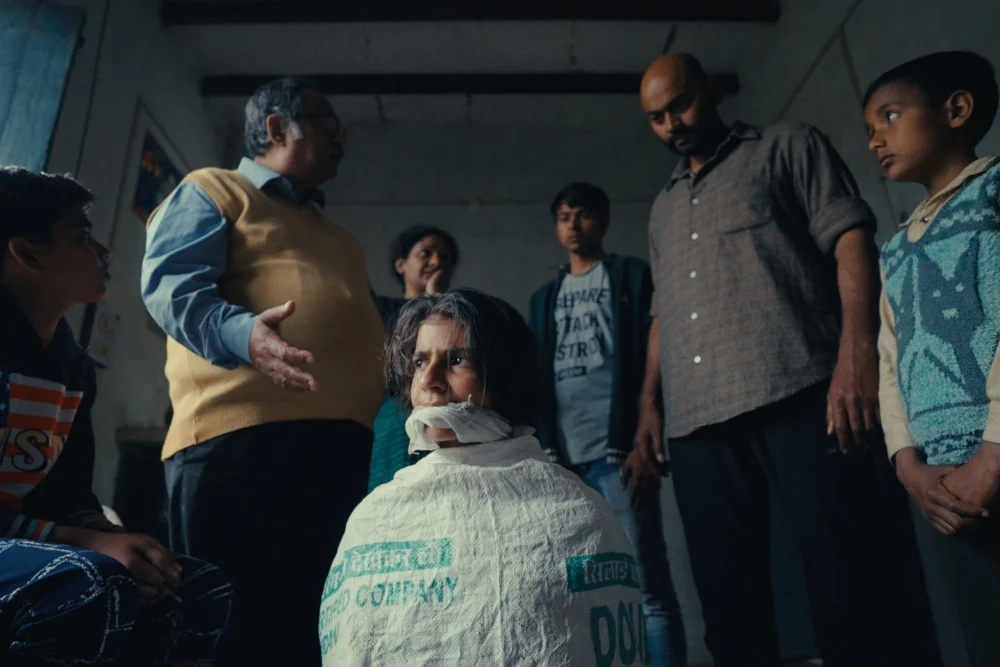
Kidney is the latest product of Enfant Terrible Productions, the Mumbai-based outfit founded by the Sansanwal brothers. The film, a narrative steeped in the complexities of rural life, explores the fragility of love when pitted against the entrenched hostilities of feuding families. Set against the backdrop of an isolated Indian village, the story follows a young couple whose burgeoning romance is derailed by a bitter inheritance dispute. Caught in a web of greed and generational treachery, the protagonists find themselves fighting for their future in a conflict they did not instigate.
A Chronology of Artistic Persistence
The journey of Kidney is a testament to the grit required to produce independent art in the modern era. Long before the international acclaim of the Tallinn selection, the project existed as a series of creative hurdles navigated by the Sansanwal brothers.
The Genesis
Aakarsh and Agrim Sansanwal, who divide their professional time between Mumbai and Delhi, brought to this project a synthesis of their industry experience. Aakarsh gained foundational knowledge working as an assistant director to stalwarts such as Reema Kagti, Abhinay Deo, and Pushpendra Misra. Meanwhile, Agrim honed his craft in post-production, notably working alongside editor Deepa Bhatia on the acclaimed feature Skater Girl. Their collaborative synergy was first tested with their debut feature, the experimental To Caterpillar, From Butterfly, which premiered at the Dharamshala International Film Festival.
The Production Struggle
Kidney was not born from a high-budget studio system. According to the directors, the project was fueled by what Aakarsh describes as "very little money and a seemingly inexhaustible supply of spirit." During the principal photography, when the production budget inevitably dwindled, the film found an unlikely savior in the local farming community where they were filming. The villagers did not merely provide location access; they became active participants in the filmmaking process, offering labor, support, and resources to ensure the project reached completion.
The Strategic Pivot
Following the wrap of the production, the brothers sought a partner who understood the film’s unconventional narrative structure. Shiladitya Bora, known for his discerning eye for auteur-driven Indian cinema, entered the picture as the project reached its final stages of post-production. The inclusion of Platoon One Films—a banner with a reputation for backing original, distinct voices—provided the necessary leverage to propel Kidney toward international film festival circuits.
The Platoon One Portfolio: Supporting the Unconventional
Platoon One Films has carved out a niche in the Indian film industry by consistently backing narratives that eschew mainstream commercial tropes in favor of stylistic and emotional resonance. The addition of Kidney to their slate reinforces this commitment.
The company’s existing portfolio includes a diverse range of critically lauded titles, such as:
- Bayaan
- Toh Ti Ani Fuji
- Bhagwan Bharose
- Minimum
- Ghaath
- Picasso
- Yours Truly
By integrating Kidney into this roster, Bora is positioning the film as a cornerstone of "new-age" Indian independent cinema. The partnership is not merely financial; it represents a strategic alignment between the producers and the filmmakers, ensuring that the film’s unique aesthetic—which borders on the experimental—is preserved while expanding its reach to global audiences.
Official Responses and Creative Vision
The partnership between the Sansanwal brothers and Platoon One has been defined by a mutual respect for the film’s emotional intensity. Shiladitya Bora, speaking on his decision to back the film, noted that Kidney defied initial categorization.
"When I first watched Kidney, I knew I was looking at something different—something that hadn’t been attempted in quite this way," Bora stated. "It would be easy to dismiss a film like this as esoteric, but what struck me was the depth of emotion underneath its craft and form. There is a dense, deeply felt emotional layer running through the film, and the film’s unique style becomes a way of expressing that emotion rather than an end in itself."
Bora’s philosophy aligns with the directors’ intentions. For Aakarsh Sansanwal, the recognition from Tallinn and the support from Platoon One are deeply personal milestones. "We made the film with the hands and hearts of the people who helped bring it into the world," Aakarsh reflected. "Their support gave the film a chance to travel beyond the world in which it was made and reach audiences we could only have hoped for. To see it now receive recognition and find its way into the light is deeply moving."
The Tallinn Standard: Contextualizing the Critics’ Picks
The selection of Kidney for the Tallinn Black Nights Film Festival’s "Critics’ Picks" competition is a significant endorsement. This specific strand of the festival is designed to showcase films that demonstrate a singular artistic vision and a willingness to challenge traditional storytelling conventions.
The competition specifically looks for works that:
- Wrestle with the history of cinema: Integrating traditional motifs into modern narratives.
- Address contemporary social issues: Using local conflicts to mirror universal human struggles.
- Experiment with genre: Blurring the lines between drama, thriller, and social commentary.
Kidney joins an illustrious list of previous selections, including Arati Kadav’s Mrs. (starring Sanya Malhotra), The Brothers Kitaura, About Us But Not About Us, and The Bone Breakers. By placing Kidney in this cohort, the festival organizers have effectively validated the Sansanwal brothers’ approach as a significant contribution to contemporary global cinema.
Implications for the Future of Independent Indian Cinema
The trajectory of Kidney signals a broader shift in how independent Indian films are developed and distributed. The success of the film—defined by its grassroots production and subsequent international festival recognition—suggests that the "auteur" model is gaining traction in India.
1. The Power of Regional Authenticity
By filming in an isolated village and involving the community, the filmmakers tapped into a raw, authentic texture that often eludes studio-bound productions. This "hyper-local" approach is increasingly proving to be an asset for international festivals seeking fresh perspectives.
2. The Role of Independent Producers
Producers like Shiladitya Bora act as essential curators, bridging the gap between raw artistic vision and the logistical demands of international exhibition. Without such an intermediary, many films of this nature risk remaining "esoteric" or invisible to the broader public.
3. Sustainability in Filmmaking
The Sansanwal brothers’ ability to leverage community support during budget shortfalls highlights a sustainable, if non-traditional, method of filmmaking. While not a scalable model for every production, it demonstrates the resilience of creators who are willing to trade traditional funding for artistic autonomy.
As Kidney prepares for its screening at Tallinn, it carries with it the aspirations of a new generation of Indian filmmakers. It serves as a reminder that when the narrative is rooted in genuine human experience, it can transcend linguistic and cultural barriers, finding an audience far from the village in which it was conceived. The film is not just a story about an inheritance or a romance; it is a manifestation of the collective effort required to bring a vision to life in an industry that rarely prioritizes the unconventional.